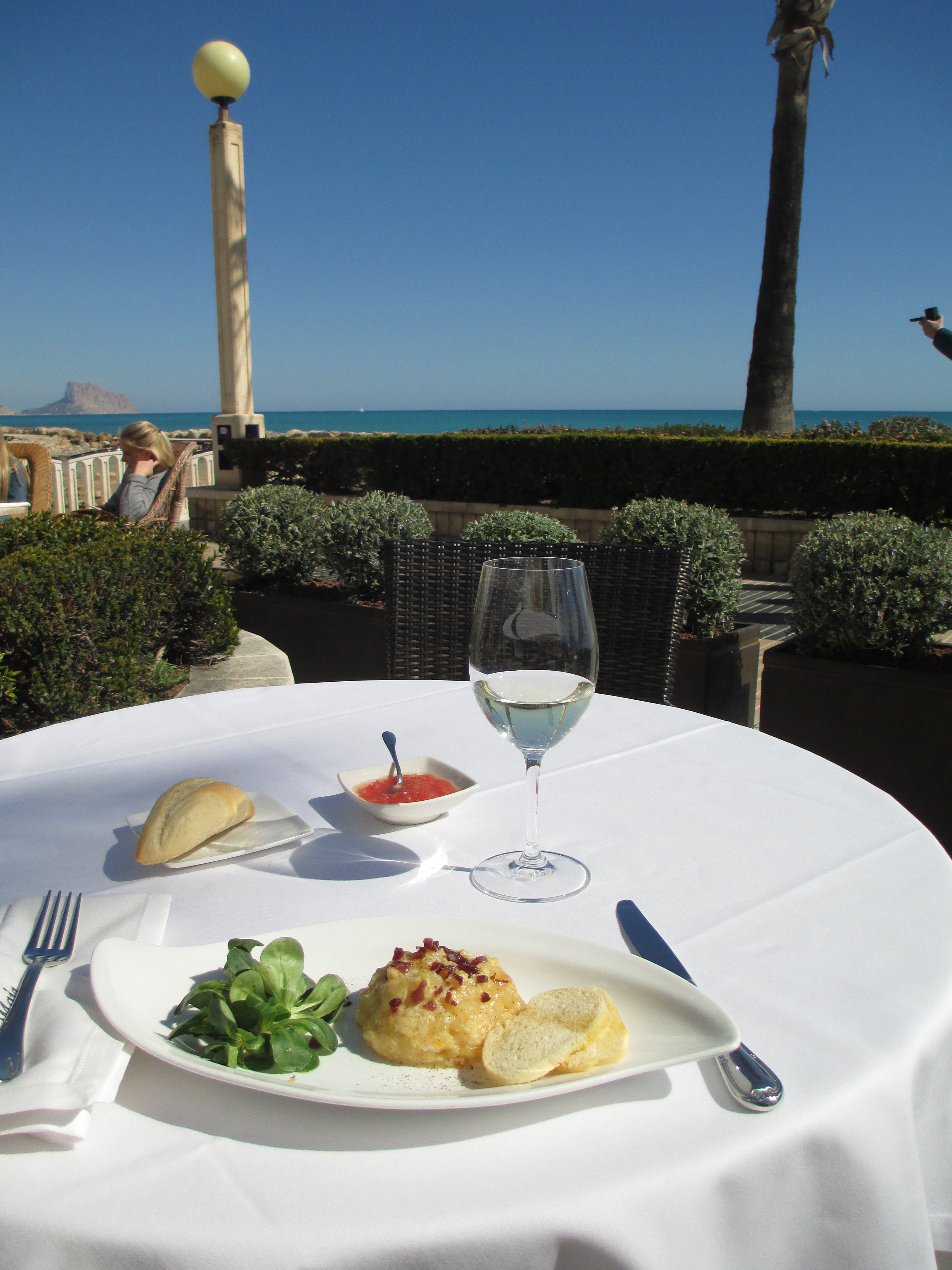
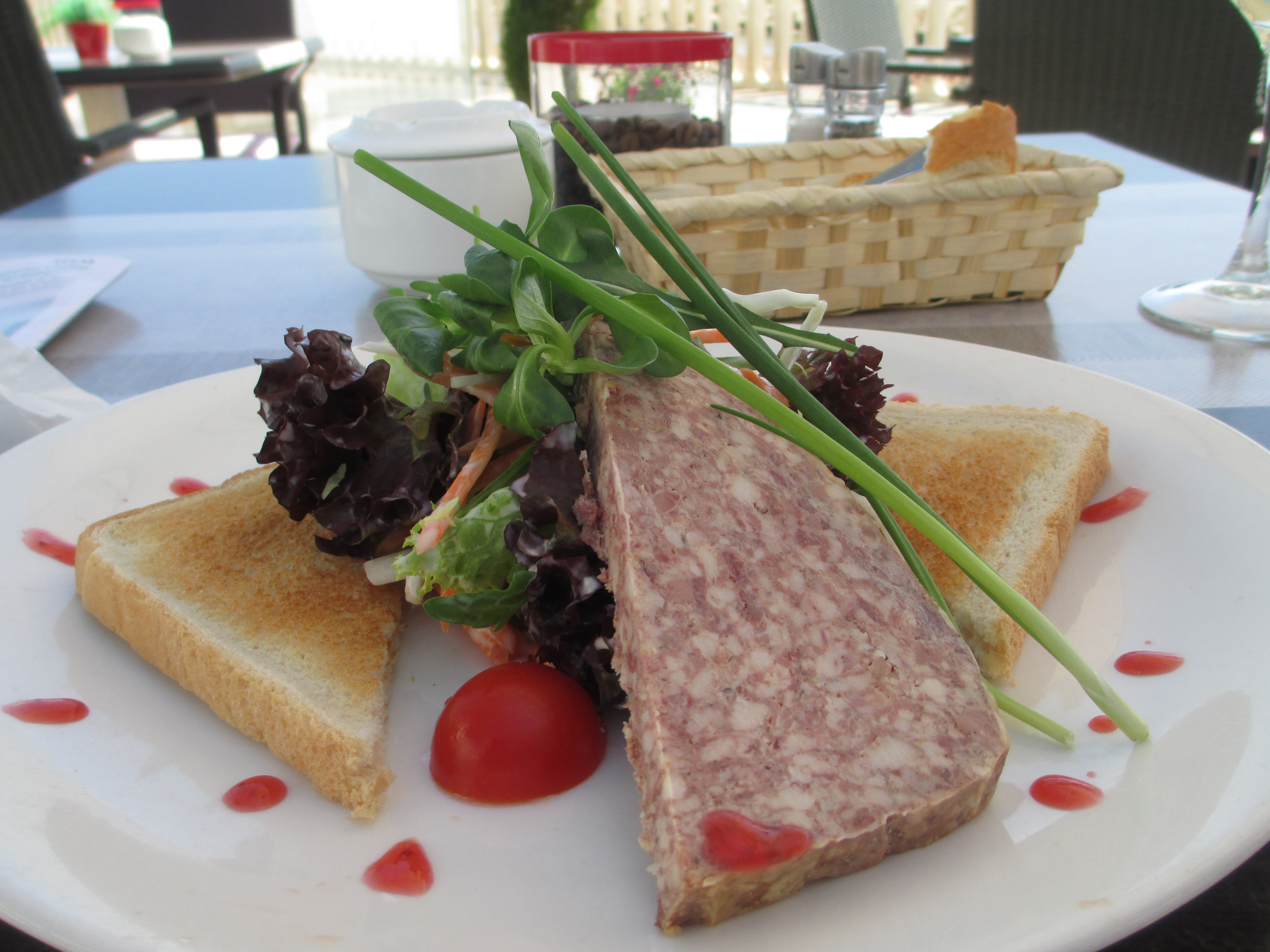
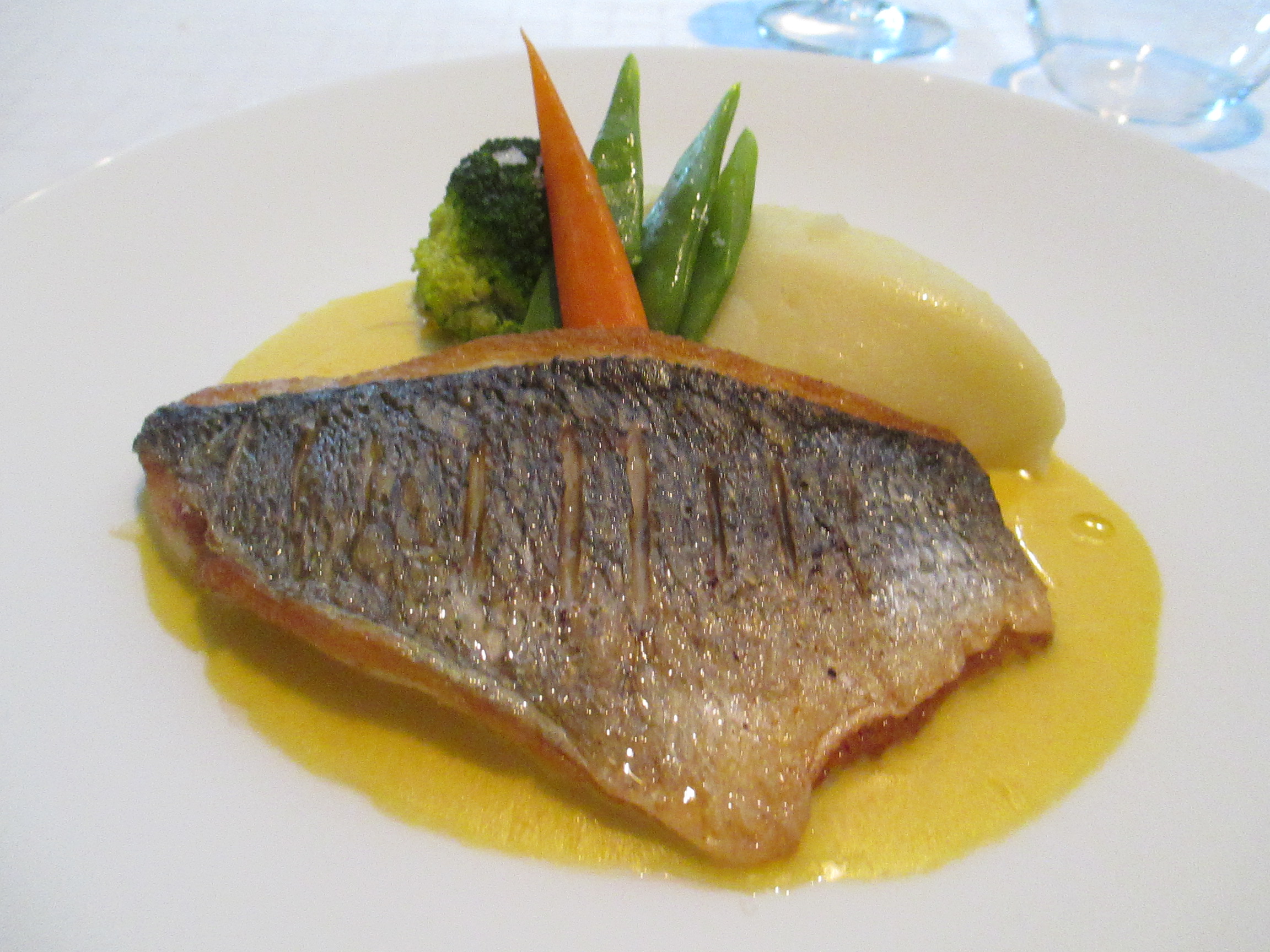
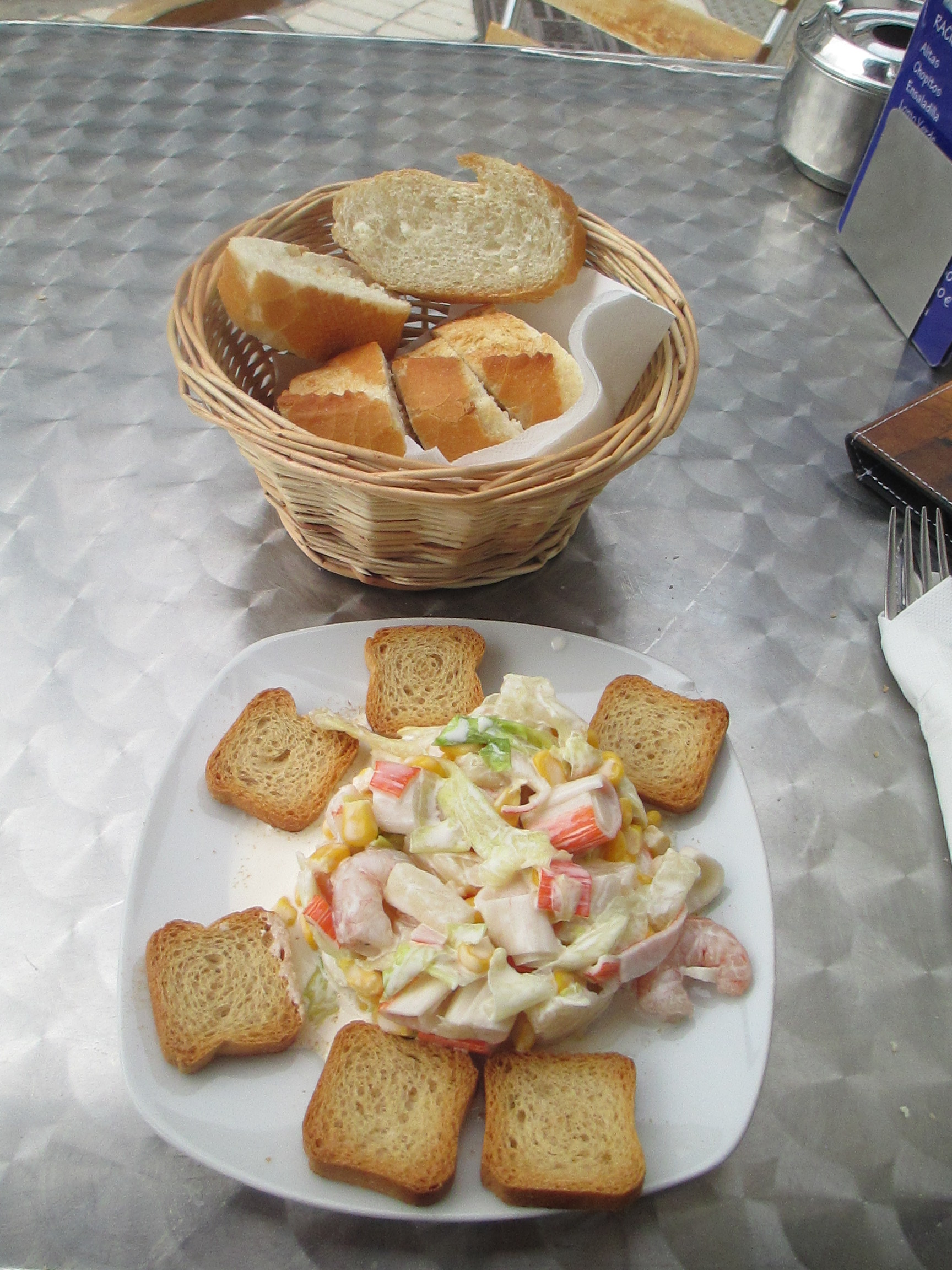
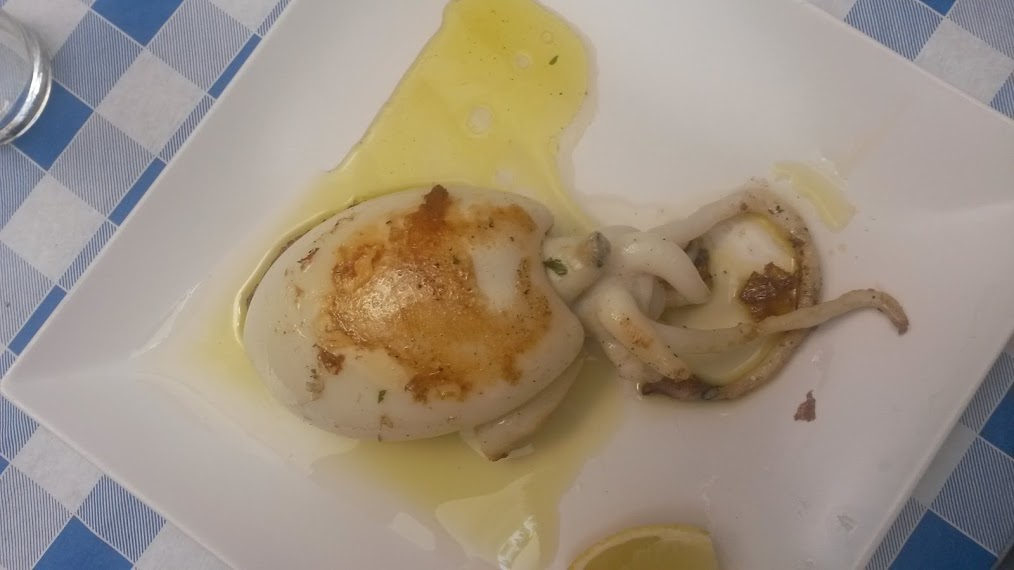
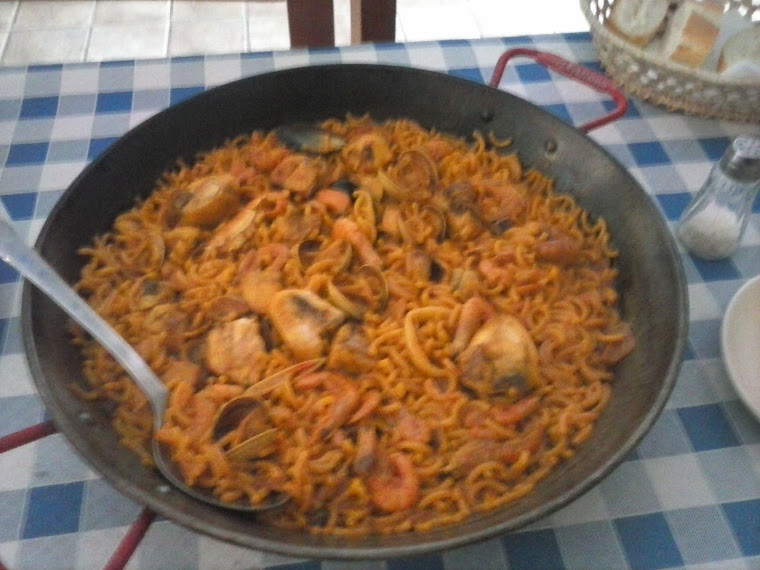
I have decided to revisit some of my favorite meals and foods here in the Costa Blanca area of Spain:
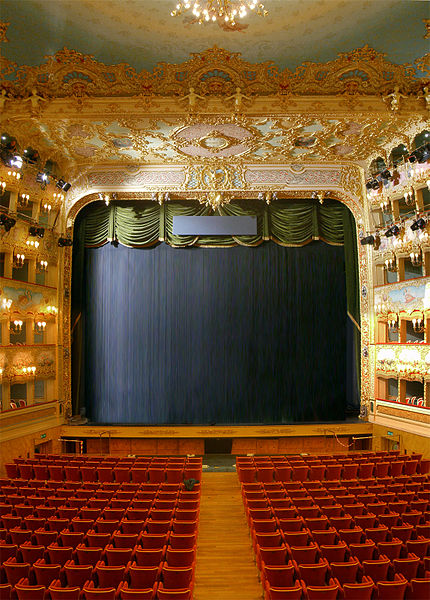
When the curtains opened in Venice’s opulent La Fenice Opera House for Bizet’s Carmen, I immediately became suspect that something was wrong. On stage was a telephone booth; I was certain there were no phone booths when Carmen was first performed in 1875. As lovers of live music, we had already searched out the secluded Venice Jazz Club where we enjoyed samba and bossa nova music, attended an intimate chamber orchestra playing Vivaldi’s Four Seasons in old prison connected to the Palazzo Ducale (Doge’s Palace), listened to live jazz at the Hotel Cipriani, and ended every evening listening to live music on the Piazza San Marco.
While looking for other live musical performances, we were excited to learn that Carmen would be performed at the recently rebuilt Teatro La Fenice. We immediately walked to the Opera House in hopes of securing tickets for that night’s performance. We succeeded in getting two tickets in the coveted lower loge seats which are directly across from the stage, high enough to prevent obstructed views from taller patrons.
La Fenice is one of the most famous theatres in Europe. The San Benedetto Theatre, as it was originally known, saw its first performance in the early 1700’s, but was destroyed by fire and later forced to move due to a legal dispute. When the new theatre was opened in 1792, it was aptly named La Fenice, which means The Phoenix. The theatre suffered two more fires, the last an arson by two electricians in 1996. It reopened in November 2004.
On the evening of the performance we were attending, we donned our finest apparel and walked with anticipation to La Fenice. We wandered the beautiful building before taking our seats. We had previously seen Carmen and were excited to see it in Venice. Once the opera started, it quickly became apparent this was not the traditional Carmen we expected. While we were trying to digest the phone booth and more contemporary set and costumes, during the opening march, a man ran around in circles in his underwear carrying a gun. This version of Carmen was represented to be set in a contemporary fascist era. During one particularly bizarre part, the cast pulled a Christmas tree from the trunk of an old Mercedes Benz, and proceeded to assemble and decorate it. While the adults and children were decorating the tree, a female prostitute engaged in salacious simulated sexual activity, with the children present. Carmen ultimately pulled off and held up her bright red panties, which were hoisted up the flagpole. Several times I closed my eyes to disrupt the visual assault on my senses; with closed eyes I could enjoy the spectacular vocals. However, every time I opened my eyes the bizarre set and shenanigans interfered with my ability to enjoy the opera. I suspected my son, an artistic soul who has experience in the performance arts, would be more receptive.
By the intermission, I determined that in spite of the fantastic singing, I couldn’t take it any longer and decided to return to the Hotel Cipriani for more ego-syntonic jazz. To my surprise, my son concurred with my Carmen experience and decided to join me. In retrospect, I wondered if there was any way I could have known this was a non-traditional version of Carmen, but realized there was nothing in the advertisements or communication from the theatre ticket staff that telegraphed this unusual interpretation, so I just chalked it up to another laughable travel memory.
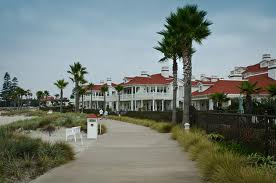
Recently, some of my favorite haunts in my hometown of San Diego have been mentioned by friends or in the news, so I am re-posting, (with a bit of editing) my article about The Hotel del Coronado and other fun activities in the San Diego area. The outside of the hotel, built in 1888, provided the background for the famous movie, Some Like It Hot starring Marilyn Monroe, Tony Curtis, and Jack Lemmon. The movie looped, playing continuously in our hotel room when we were there. The Crown Room was considered an architectural achievement spanning 160 feet by 60 feet, without any pillars to interrupt the view. The 33 foot high ceiling is paneled in beautiful Oregon sugar pine. Wizard of Oz author L. Frank Baum is credited for designing the famous crown chandeliers, which were installed c. 1911. In 1920, an enormous banquet was held here for England’s Prince of Wales, and in 1927 Charles Lindbergh was honored with his own celebration after his successful solo trans-Atlantic flight. Today, the Crown Room has a tradition of elegance and continues to play host to a spectacular Sunday Brunch, consistently rated as the best in the San Diego area.
Relaxing on the deck of your deck of my roomy villa, I sip my morning coffee while the cool mist clears, revealing the adjacent expansive sandy beach in Coronado, California. Then we proceed to the comfortable, beach side Windsor Cottage for complimentary continental-style breakfast. Concierge staff is available to help with restaurant and activity recommendations and reservations. Afterwards we either proceed to the reserved beach space for summer villa guests or the kids go to the children and teen activities. This is the way each day can start while staying at Beach Village at The Del. Staff at the beach will provide lounge chairs, towels, umbrellas, sand toys, food and beverages. This is pampering at its best. Coronado Beach is often rated as one of the best in the world, especially for families. It is a large un-crowded sandy beach with gentle waves good for kids or first time surfers.
Beach Village is among my top three favorite hotels in the world. The newer cottages and villas are adjacent to the historic Hotel Del Coronado, (called “The Del” by we San Diego natives), which dates back to 1888. Beach Village rooms have a casual, yet luxurious beach side vibe. Our family has stayed in the same corner room during our annual summer weekly visits, dating back to the first year it opened. We chose a two bedroom suite, which had one large bedroom with a king bed, and the other with two queens. Each of the bedrooms has its own fireplace and elegant bathroom. There is also a central living area with a gourmet kitchen, dining room and living room area; the couch in the living room has a fold out bed. All of the many activities, pools, dining and drink venues, and children/teen activities of the main hotel are available to those at the Beach Village, but not the reverse. Beach Village has many small private pools dotting the grounds, in addition to its community pool. Beach Village is expensive, but less costly accommodations are available in the historic part of The Del, with many of the same perks.
Daytime fun is at hand with surfing, paddle boarding, boating, biking, and fitness classes. There are a variety of venues for drinks and music at The Del. Seasonal music, beverages and casual fare are available at the Sun Deck Bar and Grill which boasts a great view from its second story outdoor setting. Babcock & Story Bar, named after the founders of The Del, features a 46 foot hand-crafted Mahogany Bar which came to the hotel by way of Cape Horn in 1888. The Bar offers seasonal entertainment, snacks, light meals, beverages, and televisions for watching sporting events. I am still upset that they removed the grand piano where they had weekly jazz and R&B frequented by locals and guests; they replaced the area with a bakery case. At sunset, for a fee, Beach Village guests can get drinks and a snack at the Windsor Cottage while enjoying the table top built-in fire pits. S’mores on the beach after dark can be a memorable experience for families or couples. During the day, be prepared for the roar, and I do mean ear-piercing decibels, of the military jets coming into land over Coronado’s beach at the adjacent Naval Air Station. Some find it entertaining, and the rest of us annoying.
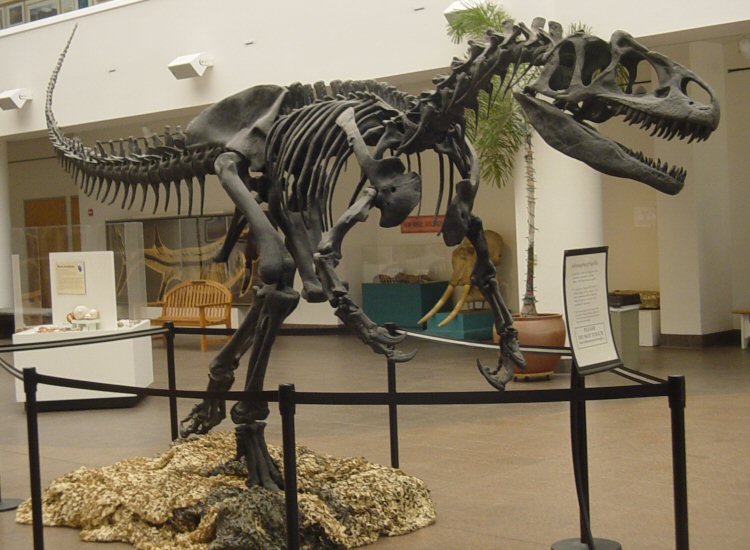
During our week stay, we eventually tear ourselves away from The Del to enjoy San Diego’s many other offerings. I always take my kids to at least one fun and one educational activity, which sometimes are both. One of our favorite activities is to go to historic Balboa Park where the 1915-16 Panama-California Exposition and the 1935-36 California Pacific International Exposition were held. The Park has numerous museums, with the San Diego Natural History Museum (great dinosaur exhibit when we have been there), San Diego Air and Space Museum, Reuben H. Fleet Science Center, San Diego Museum of Art (small but quality 19th and 20th century art and interesting special exhibits), and the Sam Diego Model Railroad Museum. The park has many interesting plants and gardens, including the 1935 Old Cactus Garden, Botanical Garden (check for closed days), and California Native Plant Garden. There are five children’s play areas and three dog parks. Of course, there is the world famous San Diego Zoo, and for an experience with animals in a more natural environment, head a half hour north to the Wild Animal Park. Sea World is educational, interactive place for the kids to learn about sea life. They also offer a play structure in Sesame Street Bay of Play, in case the kids aren’t exhausted enough. Legoland, about 45 minutes north of Coronado, is great for younger kids. Wait to buy any of the Lego construction kits until you are ready to leave the park.
Cabrillo National Monument is the place where Juan Rodriguez Cabrillo stepped onto the shore in 1542, becoming the first European to set foot on the West Coast of the United States. In addition to information about Cabrillo, the area hiking trails, tide pools, the Old Point Loma Lighthouse, and the military history of Fort Roscrans. The area that is now Presidio Park and Old Town was home to the first European settlement on the West Coast which started in 1769. There are no original structures left. It was the first in a series of presidios and Catholic missions in California which were used in Spanish colonization. The first mission was later moved a few miles away on the aptly-named Friars Road. The Junipero Serra Museum is in the park and is dedicated to the history of San Diego.
Head back over the Coronado Bridge, or for more fun, take the ferry from Coronado Bay to the nearby historic Gaslamp Quarter in downtown San Diego to sample the many restaurants and see historical buildings including the ornate former Oyster Bar run by Wyatt Earp after the shootout at the OK Corral. There are many great jazz and live music venues in the Gaslamp, but most do not allow kids. If you took the ferry to downtown, you can make the U.S.S. Midway Museum on the harbor your last stop before heading back to Coronado. Kids and military buffs enjoy touring the immense air craft carrier.
We love going to the Del Mar Race Track. I give each of my sons a set amount of money, an average of $2.00 for every race, and then let them decide how they want to bet it. When they were minors, I would place the bets for them. Our friend who previously owned race horses scoured the handicapping analyses to inform his bets, but my son who just went to look at the horses being paraded in the paddock just before they raced was far more successful. Last time all of the boys donned their 1940s suits and fedoras-they were a hit with the crowd. We like to sit trackside in one of the reserved dining areas which has table service. It can be quite sunny so sunscreen, and protective clothing and head attire are important. Afterwards, we stop for a snack or light dinner on the beach in Del Mar or La Jolla, and then back to our Coronado retreat.
If you want beach weather, the best time to visit the San Diego area is from the beginning of July, so you won’t be subject to the “May and June gloom,” to mid-October. This will be one of your most memorable, fun family vacations ever. Beach Village offers packages and seasonal discounts, or you can stay in the main building or one of the many other family-friendly San Diego hotels. If you can afford Beach Village, it is worth the splurge. I love the assortment of shells they leave in the room each evening and have them displayed in my home so that I can be regularly reminded of those wonderful trips.
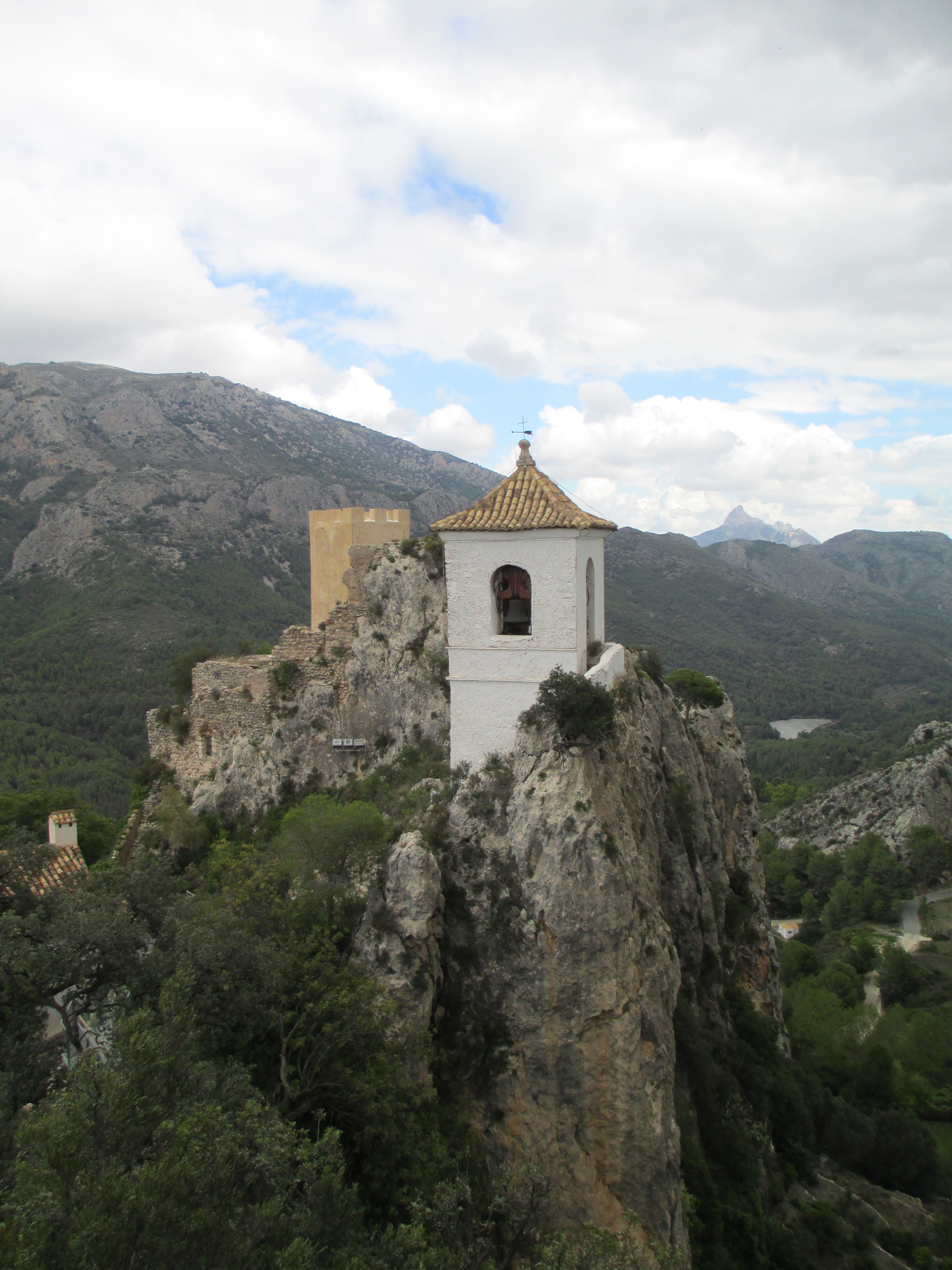
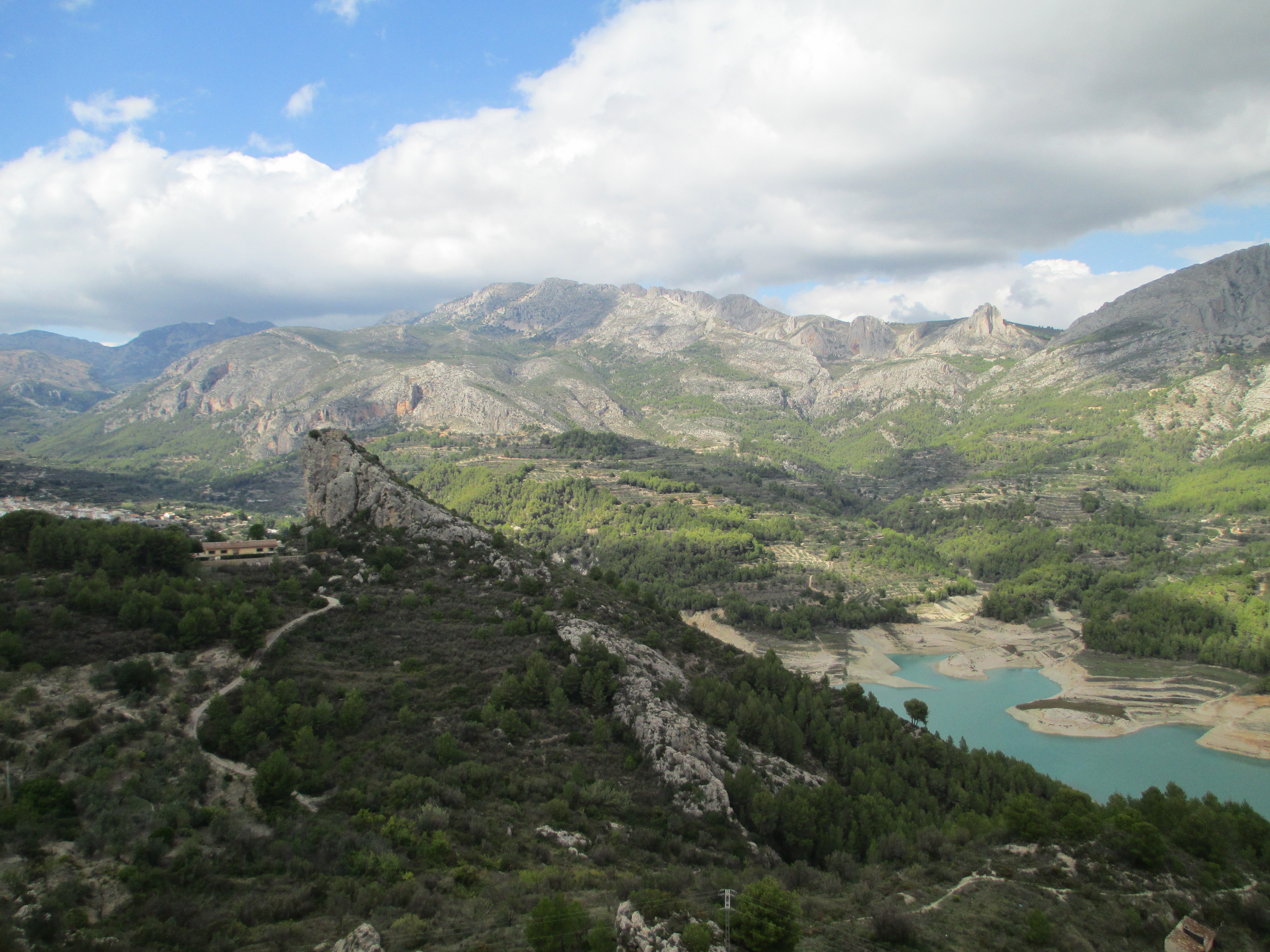
Walking through the 1300+ year-old man-made rock hewn tunnel is the only way to get access to the historical and picturesque village of Guadalest, Spain. The town is situated inland within walled fortifications on a pinnacle in the mountains. Historically, it was an important strategic site as its location made it impenetrable. In spite of its inland location and a drive on serpentine, hilly roads, the town is one of the most popular tourist attractions in Spain, with both historic and touristic offerings.
The area of Guadalest was occupied by the Moors starting around 715 A.D., and the Alcozaiba Castle was built in the 12th century. All that remains today of that Castle is a restored tower. The Moors brought their traditions of terraced farming, which are visible throughout the surrounding landscape and still widely used in this area of Spain today.
The Castle of Guadalest was built during the 12th century, and renovated in the 15th and 16th centuries. In July of 1644, an earthquake destroyed much of the castle, and in December of that year, much of the town. The castle was further damaged by a bomb during the War of Succession in 1708. The Castle’s hilltop remains are still visible from below, or one take the steep trek to castle ruins.
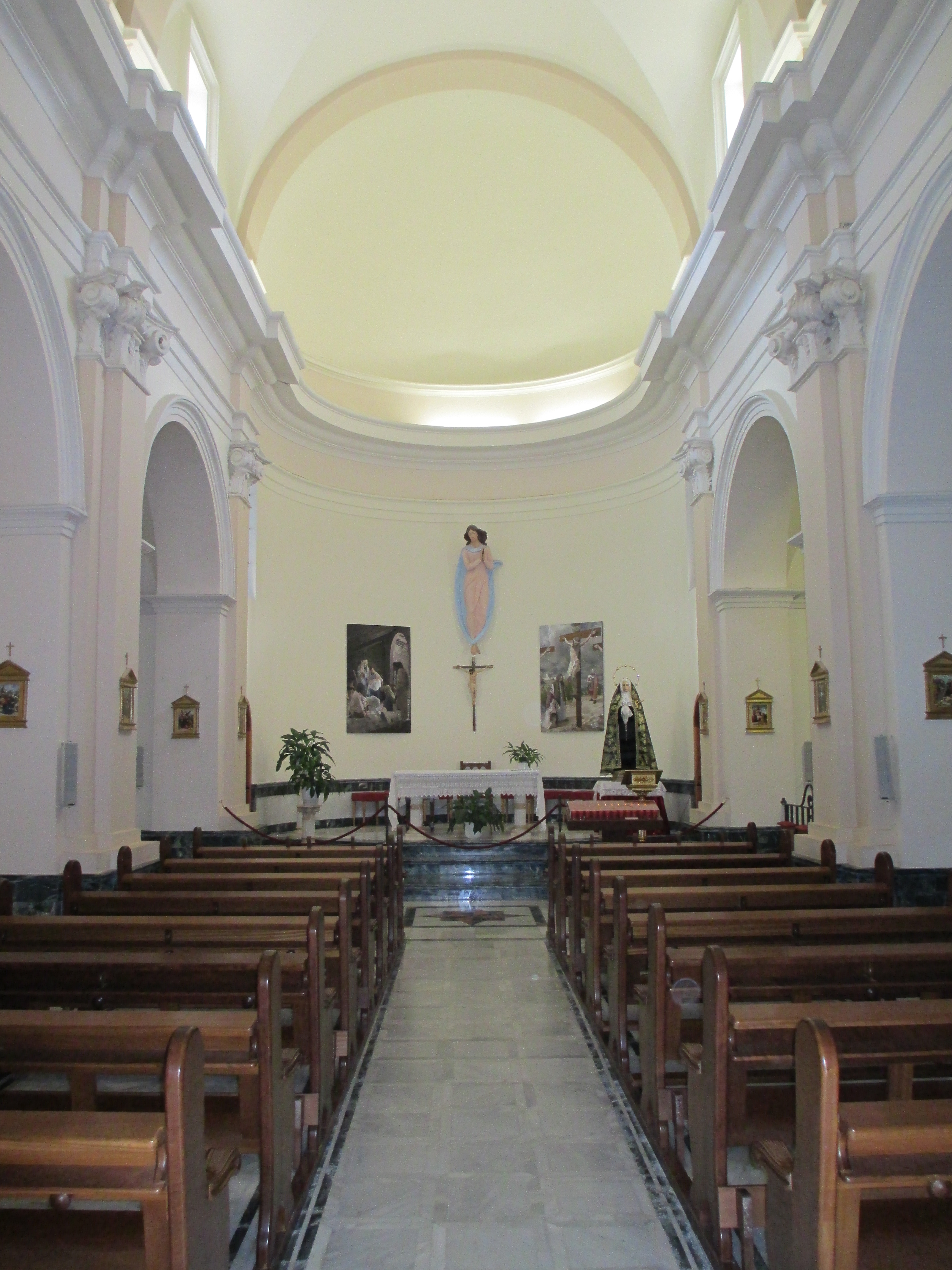
Other points of interest are the remains of Peñon de Alcala, the watchtower that is located on a rocky peak which juts straight up from the ground, and the jail/dungeon dating back to the 12th century. The charming Baroque-style Catholic Church built in the 18th century was restored after it was burnt and looted during the Spanish Civil War. Next to the church is the Orduña’s family home which is now a museum. The Orduña family rose to prominence in Guadalest from the 1600s until the death of the last heir in 1934. For book lovers, the museum boasts a large historic library with approximately 589 books from the years 1500 to 1800. A look over the town’s walls affords panoramic views of the surrounding mountains, the glimmering blue reservoir below, and the Mediterranean on the vista.
There are eight other museums, which range from the quirky the Salt and Pepper Museum, the historic Ethnological Museum of the Valley of Guadalest, and the macabre Torture Museum. There are the usual souvenir shops, but also unique regional products and high quality items for the home or gifts. Cafés are available for a respite or quality local fare.
To get there, one can take the short trip by a tour bus or car. The drive is hilly and windy, but not treacherous, and is quite scenic, with one route passing another castled town, Polop. Bring good walking shoes, as the route up to the historic areas of Guadalest are steep and the round rock pathways can prove slippery. Near Guadalest, there are the waterfalls, Fonts de l’Algar, and numerous physical options such as hiking, biking and mountain climbing.
Experiential travel emphasizing local culture, food and music
How I went from working as a writer in New York City to co-owning a bar in Spain
My journey around the world
Travel inspiration, stories, photos and advice