Fresh fish and fishmongers
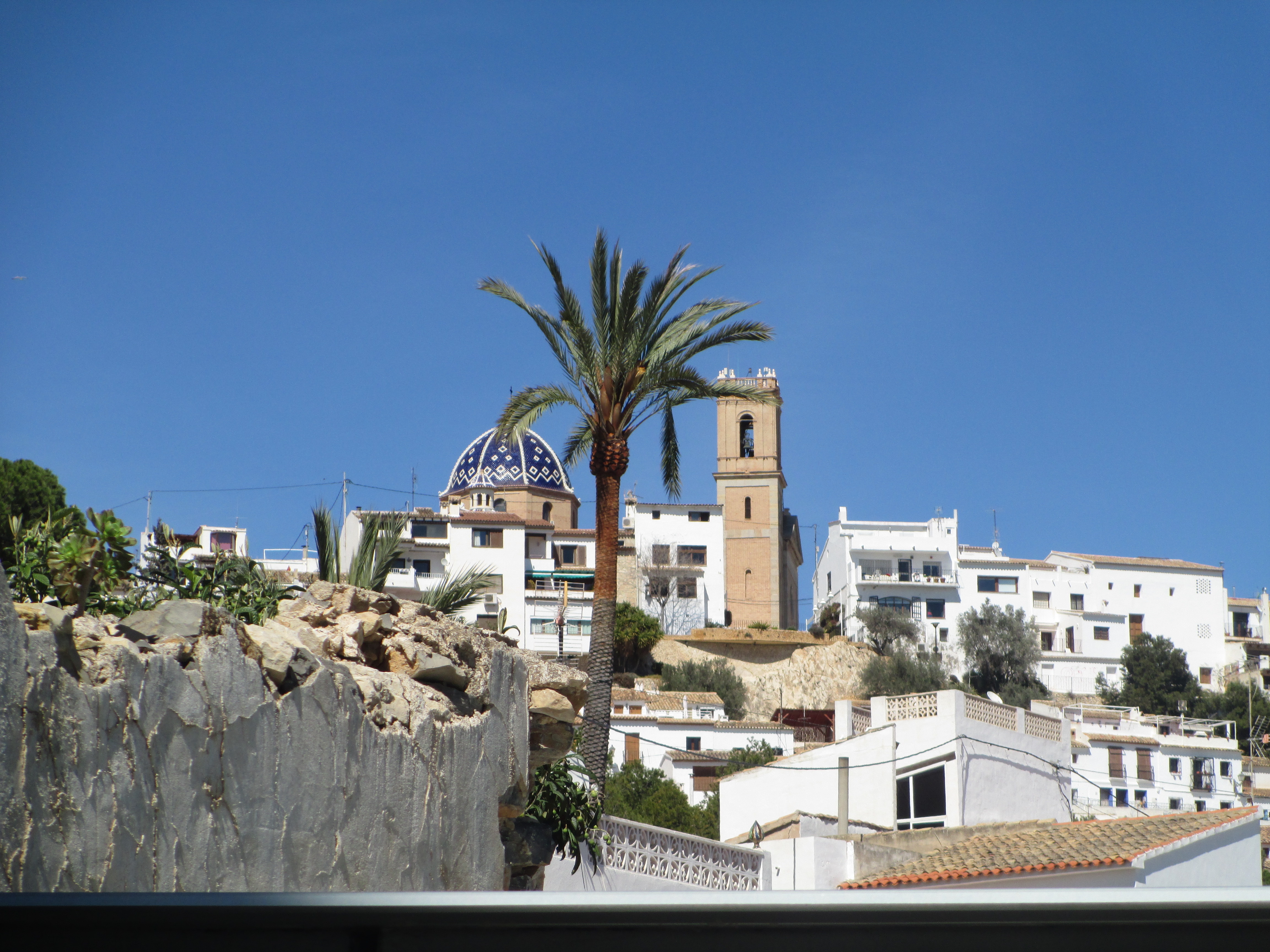
Being a foodie and lover of nearly everything from the sea, I feel like I am living in food paradise here in Altea, which is on the Mediterranean in the Costa Blanca area of Spain. I previously spent time with a friend, originally from the city of Valencia, just an hour north of Altea. She always provides interesting cultural and historical information about the area.
We went to the old town area of Benidorm for tapas, also known as pintxos. I must add that Benidorm is a place I usually avoid, as it is known for drunks, bad behavior, crazy “hen” and “stag” (in the U.S. known as bachelorette and bachelor parties), exotic dancers, legal prostitution, and mediocre entertainment. However, there are a few redeeming activities, including the tapas spots in the old town, many of which are similar to those in San Sebastian, a culinary delight which boasts the most Michelin stars per square meter, and three of Spain’s three star restaurants out of a total of seven. Like any touristic spots, it is easy to end up in a place with mediocre food and poor service. That is where a local friend can be helpful.

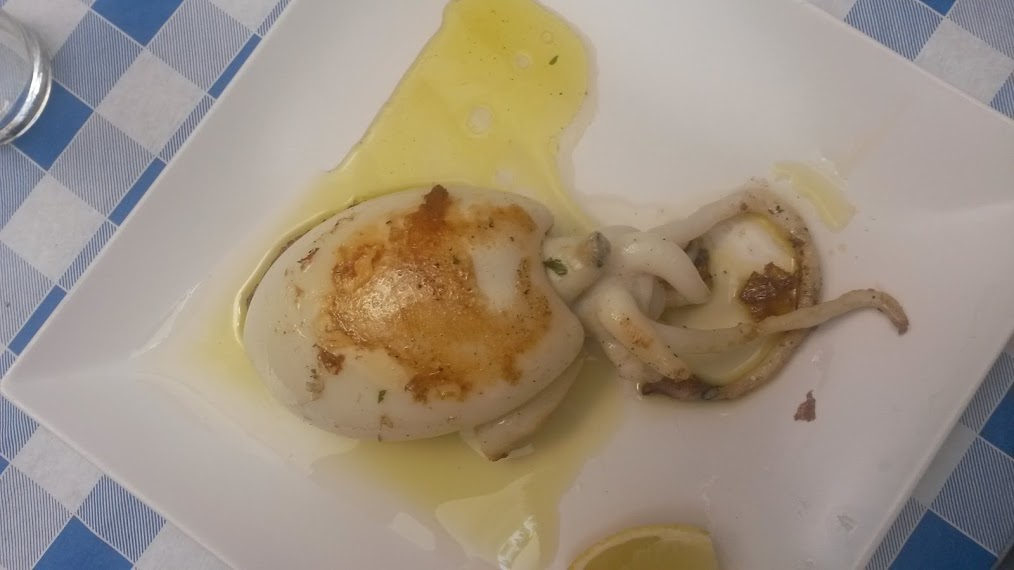
Sepia
We started at a parallel street to the main tapas alley, where we enjoyed a small glass of wine accompanied by a simple, but tasty tapa of orejas fritas (fried sheep ears) for only 1€. We then moved on to the main tapas alley restaurants. My friend explained the specialties of each. One featured suckling pig and suckling lamb, common to areas of central Spain like Toledo, south of Madrid. (No hate mail please.) My youngest son and I are big fans of sepia (cuttlefish, similar in texture to calamari “steaks”) and small fried octopus legs (rejos, which have a similar texture and taste to calamari rings and tentacles.) While in Benidorm we ordered huevos de sepia, (eggs of sepia.) Obviously, not every tapa appeals to everyone, but it is fun to go with friends, and share various tapas, including ones never tried before.
Besides the omni-present many varieties of regional Spanish jamones (hams) and delicious cheeses available throughout Spain, each area of Spain has its own specialties.
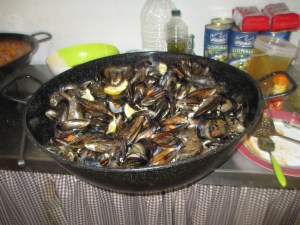
Party-size mejillones (mussels)
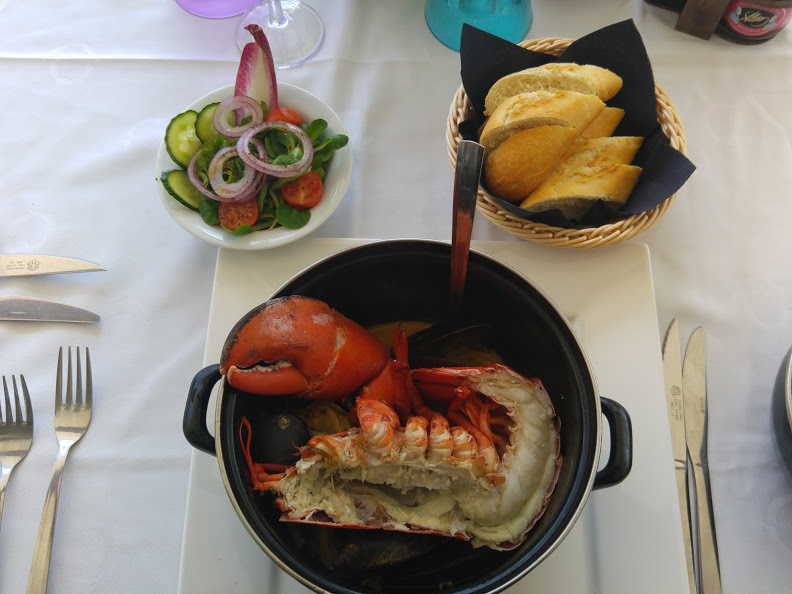
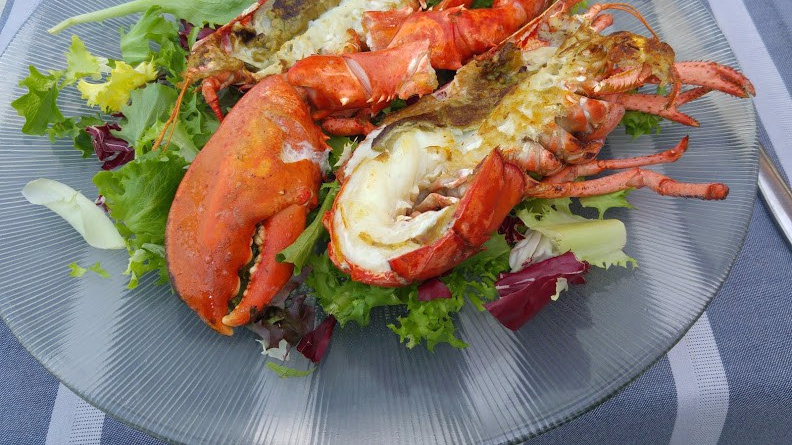
Even travelling only a half hour inland, one will find different local specialties. Rabbit is popular in my area. There is a dizzying variety of fish and seafood. After a year, I am still struggling to learn the names of all the fish, and shellfish. For example, there are many varieties of bi-valves, not just mussels and clams, but many types of each of them. The specialty seafood markets and even the regular grocery stores have an incredible amount of fresh stock, with fishmongers ready to prepare them to your specifications. You won’t see any fresh fish which is already fileted. Another unexpectedly delicious find was gulas also known as angulas (baby eels) which have the consistency as thick spaghetti with a seafood taste, They can easily be prepared with shrimp, garlic and abundant olive oil (after all, Spain produces the most in the world) and baked for a short time. They are also used in many other ways including salads and toppings for tapas.

Gulas (baby eel) and shrimp
Squid ink pasta or paella are delicious if you like that inky seafood taste. I find the black color to be an inviting, unique experience. On one occasion, when my son and I were at an outdoor venue for salsa-dancing, we ordered the paella negra with seafood. I was surprised that of the 15 or so fellow dancers sharing our table, ex-pats who now live here, none had previously tried it. After a first cautious bite, each of them dug in for more.
Paella is a Spanish dish originating in Valencia, so there are many choices of types of paella from which to choose, although there is only one traditional type according to the hardcore, which consists of rice (typically bomba), green beans, rabbit or chicken, snails, saffron and other seasoning cooked in a shallow pan. Other popular local paellas include paella negra (squid ink previously mentioned), verduras (vegetable), a la banda (with squid rings), and mariscos (seafood.) However, there are many iterations of paella, including but not limited to arroz meloso (a slightly moister rice dish) and arroz caldoso (a soupier rice dish.) It is not unusual for a restaurant specializing in rice dishes, an arrocería, to have 10 to 20 rice dishes.
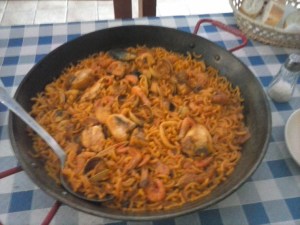
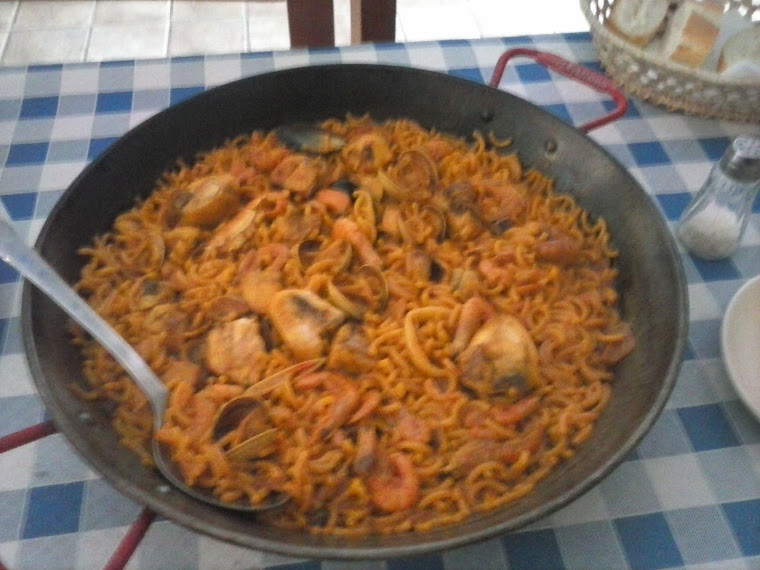
Fideua with rabbit and seafood
Another popular dish is fideua, which is a dish prepared similar to paella, but made with small pasta instead of rice. For both paella and fideua, which are freshly made to order, allow at least 30 minutes for preparation. But since this is Spain, your meal is likely to last at least two hours anyway.
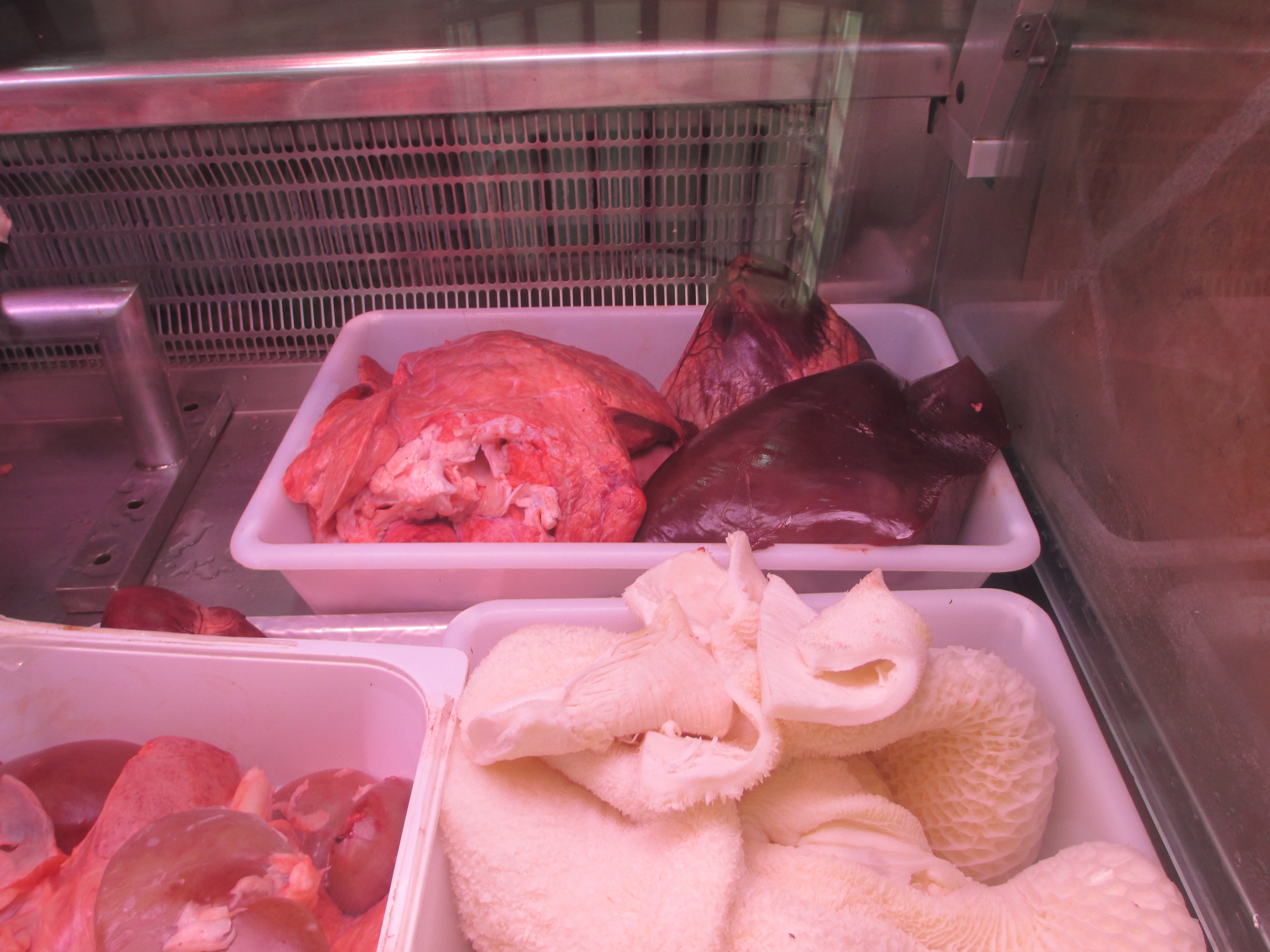
Cocido de pelotas (a stew made with “balls”) is a hearty stew with cabbage-wrapped balls made of ground meat, spices and a binder. Homemade, good quality pelotas are widely available at local butcher shops. The weekly local farmers’ market offers delectable, seasonal fruits and vegetables.

Bounty of weekly farmers’ market
When I went for pizza, very popular here as in many places in the world, I saw the special topping of the day was “granada.” Although I speak decent Spanish, that word was unfamiliar. I learned it is the word for pomegranate, which actually sounds quite similar. This time of year Valencian oranges are abundant and incredibly cheap, which make delicious fresh orange juice, known here as zumo (not jugo as is commonly used in many Latin American countries.)
While I do love the food here, there are some things I miss that are not readily available here, including Mexican-style corn tortillas; many Asian condiments; spices like sage, allspice, red chili flakes, habaneros or other spicy chiles; and my shameful favorite junk food, Cheetos.
Tags: angula, arroceria, baby eels, Benidorm, Calamari, clams, cocido, cuttlefish, fideua, Food porn, granada, gula, ham, huevos de sepia, jamones, Mussels, octopus tentacles, orejas fritas, Paella, paella a la banda, paella mariscos, paella negra, paella verduras, pelotas, pomegranate, sepia, suckling lamb, suckling pig, Toledo, valencian oranges, zumo