Having found conversations with taxi drivers are a good opportunity to practice my Spanish, today after a medical appointment in Benidorm (Spain), in Spanish, we spoke about the summer traffic and its many inconveniences. After some other topics, we ventured into one my favorite topics: food. When I menitoned I particularly enjoy going to local Spanish restaurants to my taxi driver, he said his wife work at (Terraza) Eucaliptus in Albir and makes all the paellas. I responded I knew of the good reputation of their paellas and had eaten at this nearby restaurant solo and for a ladies´ luncheon.
It´s often difficult for people learning to speak Spanish to speak Spanish to native speakers. Living in a place where the spoken language is different than your own can be a challenge. I think it is essential to learn the language of where you live as a sign of respect and desire to really integrate into all areas of local life. It is also very helpful when you need assistance at a store or pharmacy, receive a phone call about appointments or deliveries, etc. And the locals really appreciate your effort. If I am unsure of something, I say it in a questioning inflection to indicate I am looking for corrections or confirmation. So take every opportunity to practice your developing new language skills with a native speaker.
Upon arrival home, the taxi driver wished me well and complimented me on my Spanish saying he understood everything I said. So take the available opportunities to practice and improve your new language skills.
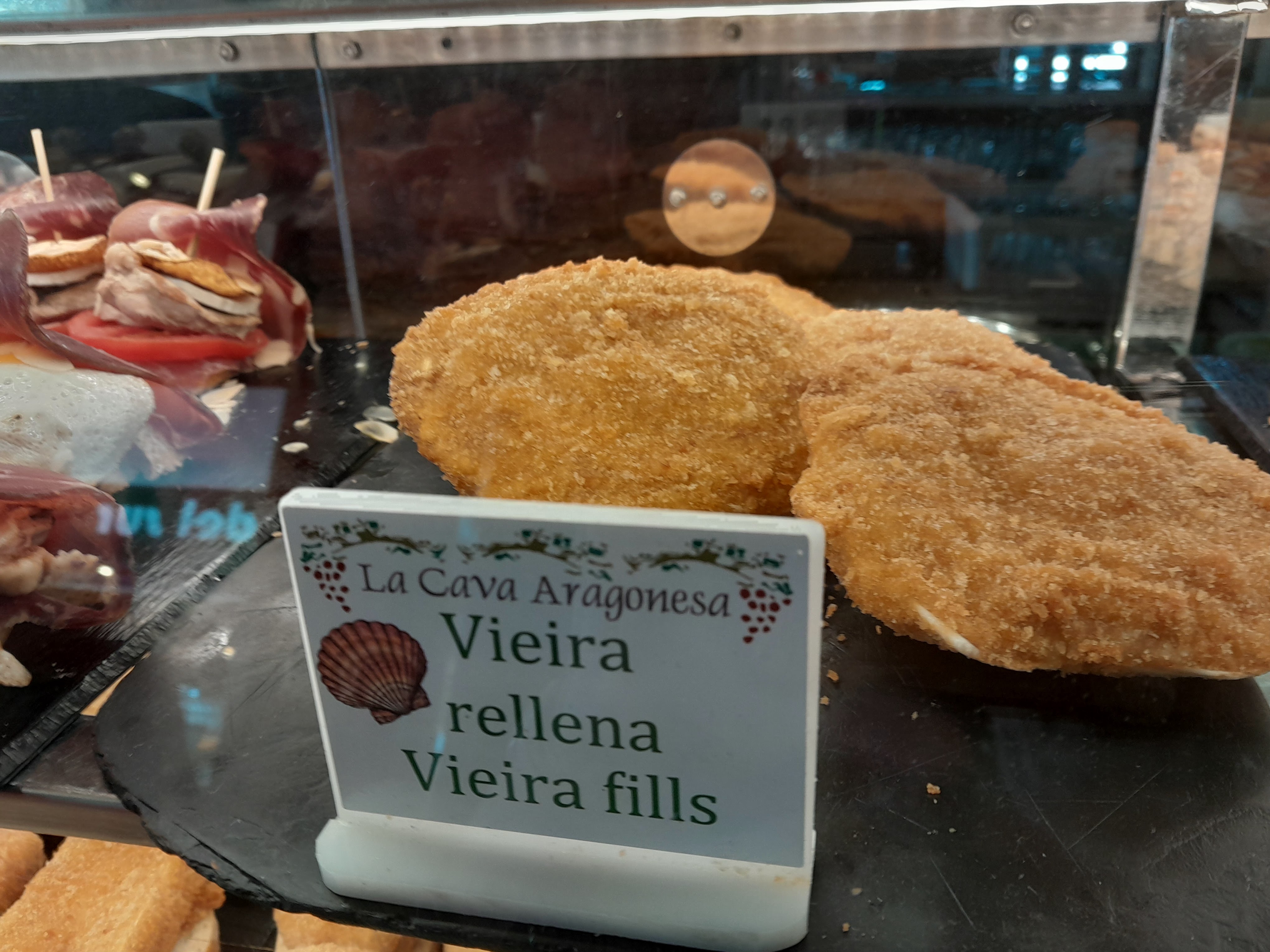
Scallops grainee; figs with bacon; crab, baby eels, and shrimp in garlic mayo. Knowing your home country’s language is also helpful when trying to decipher an inaccurate translation in to English.
I want to alert folks to two incidents of taxi troubles I had during my recent travels. The first was in Istanbul while readying ourselves for our Venice Simplon-Orient-Express from Istanbul to Paris. After a day out seeing local sites like the Blue Mosque, Hagia Sophia and Grand Bazaar, we got in a taxi and gave our hotel destination, the driver asked with what currency we would pay and we said with US dollars. We then were driven in what seemed to be an unecessarily circuitous route, because he claimed there was excessive traffic. At the end, the fare was far more than it should have been so I said I needed to use my credit card which was in US dollars. He argued, insisting on cash, and was unwilling to take the credit card (in spite of it saying on his windows he did.) He told us to go to an ATM to get cash. At that point, we exited the vehicle and gave him the same cash as we had been charged for a similar taxi trip, and walked down a street toward our hotel where no vehicles could drive.
In Paris, I found a great live jazz venue, Le Duc des Lombards. After the main act and the jam session, I went to the nearby taxi rank (stand) where there were numerous taxis picking up passengers. I got in a vehicle that looked like the other taxis, but made the mistake of not looking at the meter when I got in, which I normally do. Already en route, I realized there was no meter. When we got to my hotel, he told me a ridiculously high fee for the same route I had taken earlier. I mentioned there was no meter showing the fees, and he claimed he was Uber. I told him I did not request Uber and that because I got in his vehicle at the taxi rank, I would not pay the amount he was trying to charge. I gave him an amount similar to what the charge was for the taxi to the jazz club, and then exited the vehicle.
Attempts by both drivers at continuing to be argumentive and trying to insist I pay more were ignored in both instances, and I went in a direction where neither could drive and where there were plenty of pedestrians.
I recently completed my 10 year Spanish residency renewal, which was fabulously easy, with apparent decreasing regulation the more years you have been residing in Spain. I will provide links to my initial non-lucrative Spanish residential visa, and the steps involved. I did my initial non-lucrative residential long-term visa in San Francisco (California), but keep in mind that when I did mine in 2013 Spanish embassies who processed them in different cities in the U.S. sometimes had different procedures, even differences between the embassies in San Francisco and Los Angeles.
I had always completed my initial, one year, two year,2nd two year, and five year non-lucrative Spanish visa renewals myself, but for my 10 year, I decided to use a gestor or gestoria (administrator, manager, consultant who helps people to negotiate the particulars of the sometimes difficult to understand legal requirements) to assist with the process as it involved getting a Spanish criminal record check. In my area of the Costa Blanca, in Altea and Albir, I found a gestoria who confirmed I already had a long-term duration visa, but I still needed to renew it as my other 5 year visa (NIE) was expiring. I was given an appointment a few days later for which I was asked to bring my visa renewal application form, passport, NIE residency card, health insurance, tax paid, and padron (your registration in your town with your current address.) The gestoria simply asked me to send a photo of the aforementioned docs. (The links above to my prior blog posts about my Spanish residential visa and renewal applications had some expired links which I hoped I have removed.)
When I arrived, she had all the needed forms completed and I just needed to sign and pay what I felt was a reasonable fee for this quick, convenient process (133 Euros), done in less than 10 minutes. A few days later, I received notice from her office of my appointment to have my fingerprints taken at the police in Benidorm to complete the process, which was just a few days later. (I had heard of many complaints from people having difficulties securing appointments with the Benidorm police for the fingerprinting, but my gestoria apparently had magical or well-connected powers.) I just had to take a current regulation photo, which I was able to have done next door to the Benidorm police visa office, but you can get them in advance anywhere that does them for visas. After that fingerpriinting, I was told to return on a specific day four weeks later within a four hour time period, no appointment needed, to retrieve my new NIE card, which I did. Both police appointments were quick and efficient. Interestingly, with the 10 year visa, I am now allowed to work (not a chance), and there are other new perks, that didn´t apply to me.
After a fab train trip on Venice Simplon Orient Express Istanbul to Paris route last September (2023), I was searching for a new travel experience. I had previously taken an overnight train from Paris to Venice, which was a disaster. With the success of the recent delightful, luxurious Orient Express trip, I dared to explore boat travel in Europe.
I was looking for a small boat that would offer daily ports of call where I could disembark and explore. My initial searches yielded many popular destinations with excursions, like castles and other iconic sites but they included many cities and historic sites that I had already seen. I find no reason to repeat visits to a castle or many of the other historic sites that I had previously explored.
I happened upon European Waterways tours, which occur on a comfortable barge, with scheduled stops at or near smaller towns, and only a small number of passengers. They describe their barge tours offering “a balanced daily blend of gentle cruising and fascinating experience.” I elected to take a week-long river barge tour of Burgundy with the major cities being Dijon and Beaune. Each barge cruise offers a tailored itinerary, for example, mine focused on gastronomy and the acclaimed wines of Burgundy. Other options are tours which focus on outdoor experiences such hiking and biking, etc. Hot air balloon rides are offered on some tours.
Our tour departed by two comfortable vans around 1:00 p.m. (1300) on Sunday from a very centrally located hotel in Paris in which we could stay or there was an option to meet them there for the departure. To keep things simple, I chose to stay at their scheduled hotel departure location. The transport took about three and a half hours each way between Paris and our Burgundy location. Another tour with a different itinerary departed and returned on our same dates and times.
Our comfortable, well-appointed “barge” featured six good-sized rooms, with more space than I expected including the bathroom. Our group consisted of four couples, and two single women. One of the couples had done previous river barge tours, and thus had booked this for the latest one. All Americans, the people on our boat were amiable, interesting, intelligent, well-travelled, kind, with not a single negative comment or interaction with staff or fellow travellers. We had communal breakfasts, lunches and dinner around one table, and we elected to change seats at each meal for changing experiences. The French chef was spectacular in providing delicious regionally-inspired dishes, adjusting meals to the special dietary restrictions of two passengers. Stephan personally presented information about the impending meal, including ingredients, preparation and other details. Since I am a “foodie” I briefly spoke with him about his last work experiences which included Mozambique and Zanzibar (places I had travel connections with) and the latter where he had a restaurant until Covid struck.
Staff on the boat (two to one passengers to staff) were professional, courteous, and attentive, including noting individuals´ preferences and special needs of the passengers. All of the passengers thought it was a stellar experience. The only disappointment some of us had was that we had envisioned the boat would pull into the towns on our itinerary where we could disembark and wander at our leisure. None of the towns on our itinerary we went to were on our boat´s dockings, so we had to be transported by the two vans to those locales, led by our boat´s conceirge. From the barge´s docking site, there were riverside walking and biking trails, with bikes available from the boat.
The landing of Perseverance on Mars reminded me of some interesting past experiences. Bear with me as I do a sort of stream of consciousness that came to me watching the landing and communicating with friends. I have three friends who have worked for NASA, one of whom helped develop the Hubble space telescope. When this friend was working in Houston on the Hubble, he sent me a yellow page ad for a woman with my name, Dawn Starr, who was a “balloon stripper.” HAHA. When my youngest son was taking an aerospace class in junior high school, I mentioned to his teacher that I had a friend who helped develop the Hubble. She asked if he would come to present to the class. I was reluctant to ask, but he graciously agreed and did a great job. He lived only a few hours up the California coast, and brought with him some artifacts from the Hubble. He explained how they kept it charged all the time: in the sun, the batteries would recharge, then when dark they would rely on the batteries that had recharged in the sun.
Perseverance Mars Landin
As I mentioned the Dawn Starr balloon ad to a friend, we had a funny exchange about balloons and I mentioned there are balloon fetishes, as well as multiple other fetishes. There used to be a program on HBO called, “Real Sex,” which featured many types of fetishes, including but not limited to latex, dressing like babies, riding small ponies, etc.
So when my middle son went to be filmed for an HBO film, “I Have Tourette’s But Tourette’s Doesn’t Have Me,” I was surprised when I learned the film’s director was Ellen Goosenberg Kent, the same person who directed and produced “Real Sex.” I said nothing to my son until he was an adult. This 2005 film one an Emmy.
Hollywood was pretty run down when they filmed, but I found a nice, new hotel, The Delano, which had a sister hotel we had visited in Miami. Our friends, whose sons were also being interviewed and filmed for the film, had a different experience. Their boys wanted to know what the floor to ceiling pole was in their hotel room.
When I went across the street to an upscale restaurant, the woman sitting next to me at the bar was friendly. She was originally from South America. She said she worked doing ads for a weight loss pill. She was thin, so I asked her how much weight she had lost. She laughed and said none, that they had altered her ¨before¨ photos to make her look fat.
Not long after I moved to Spain six years ago, (from the Central Coast of California), a Norwegian friend expressed interest in trying an American Thanksgiving. I was happy to do it, and invited a group of friends, not anticipating some of the challenges to come. While this year does not allow for Thanksgiving and other holiday get-togethers, I am reminiscing and laughing about a couple of past Thanksgiving celebrations.
It took some effort to find some of the American ingredients, like canned pumpkin pie filling, spices like sage for the stuffing, but found a whole turkey at the local carnicería (butcher.) When I purchased the turkey, I was asked if I wanted it cleaned. At first I said no, then asked to have her remove the remaining feathers and pins.
Surprise Thanksgiving morning as I began to prep the turkey, and discovered the giblets (internal organs) were not in the usual bag as in the U.S., but were still attached to the cavity of the turkey, so I had to detach them. No bueno. There were items inside I had never seen in the U.S. bag of giblets. Worse yet was the head was still attached, and I had to detach it, which took over an hour. I began to think there would be no turkey for dinner. Finally, got it in the oven, but the electricity in the stove and other appliances kept shutting off due to too much electrical demand, (a repeated experience at my dinner parties.)
In the end, it all worked out and the guests expressed pleasure at all the traditional American Thanksgiving offerings. Or perhaps they were afraid to give me their real opinions. I doubt I will ever make a whole turkey again.
I am reminded of my last Thanksgiving in the U.S. before I moved to Spain, which I wasn’t sure would happen. My three sons had other commitments on Thanksgiving, so I asked if they wanted a family Thanksgiving on an alternate day. All three enthusiastically agreed so they found a mutually agreeable date. Even with the standard Thanksgiving dishes, the dinner was atypical in their chosen topic of discussion: best and worst U.S. vice-presidents. I could add nothing elucidating to the conversation. As I was putting all the dishes on the table, I remembered the bread was still in toaster oven; I have an unfortunate habit of burning bread. My middle son remarked, “It’s not dinner until Mom burns the bread.” Good times.
San Luis Obispo California has been named by Oprah Winfrey as “the happiest place in America.” New York Times best-selling author and explorer, Dan Buettner, called San Luis Obispo the top spot for the happiest places in the United States in his book Thrive. San Luis Obispo was also one of ten recommended best places to see by the L.A. Times. I was fortunate to live there for nearly 30 years with my three boys, and here are some photos that show some of the highlights.
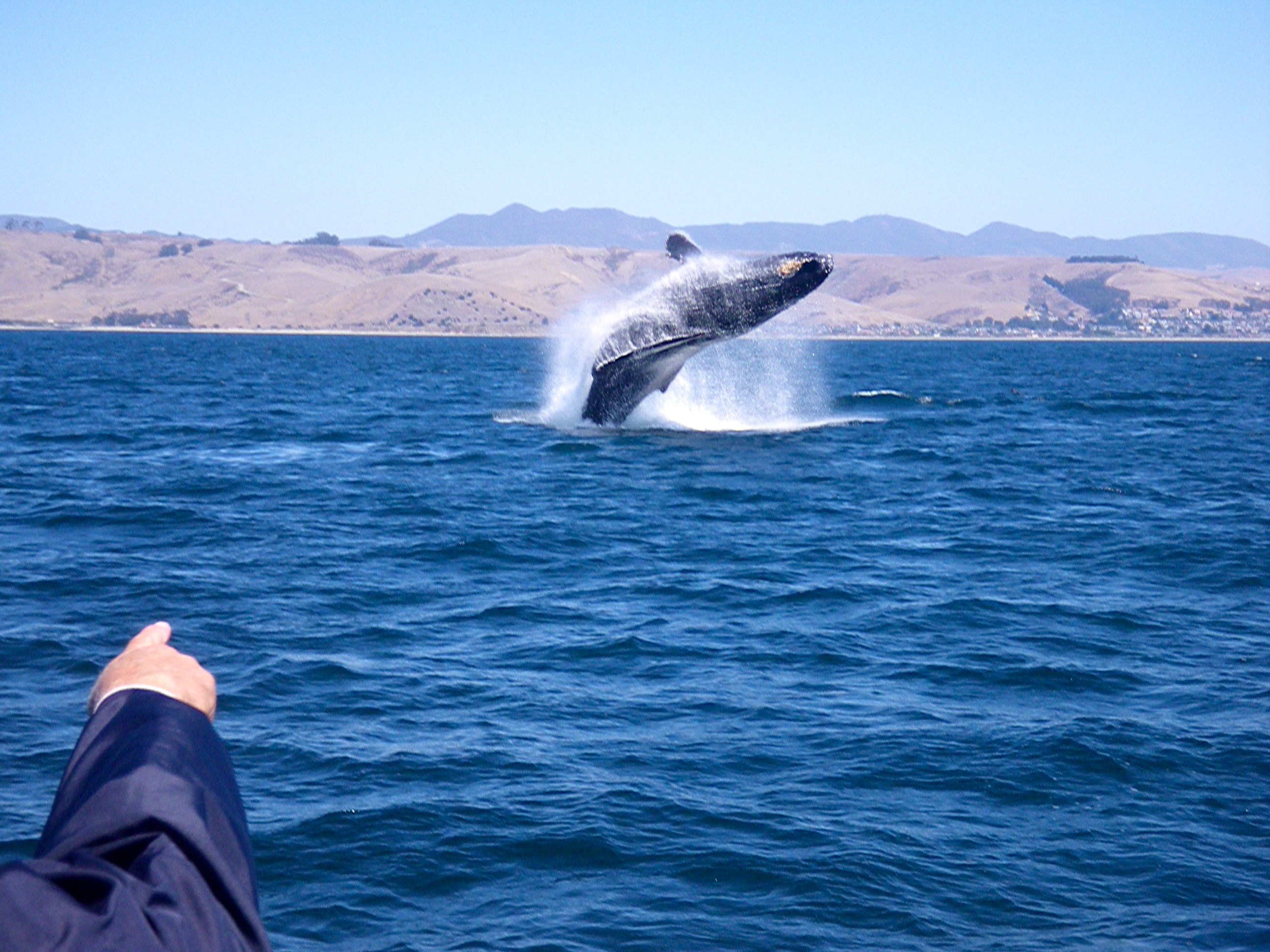
Whale breaching at Morro Bay
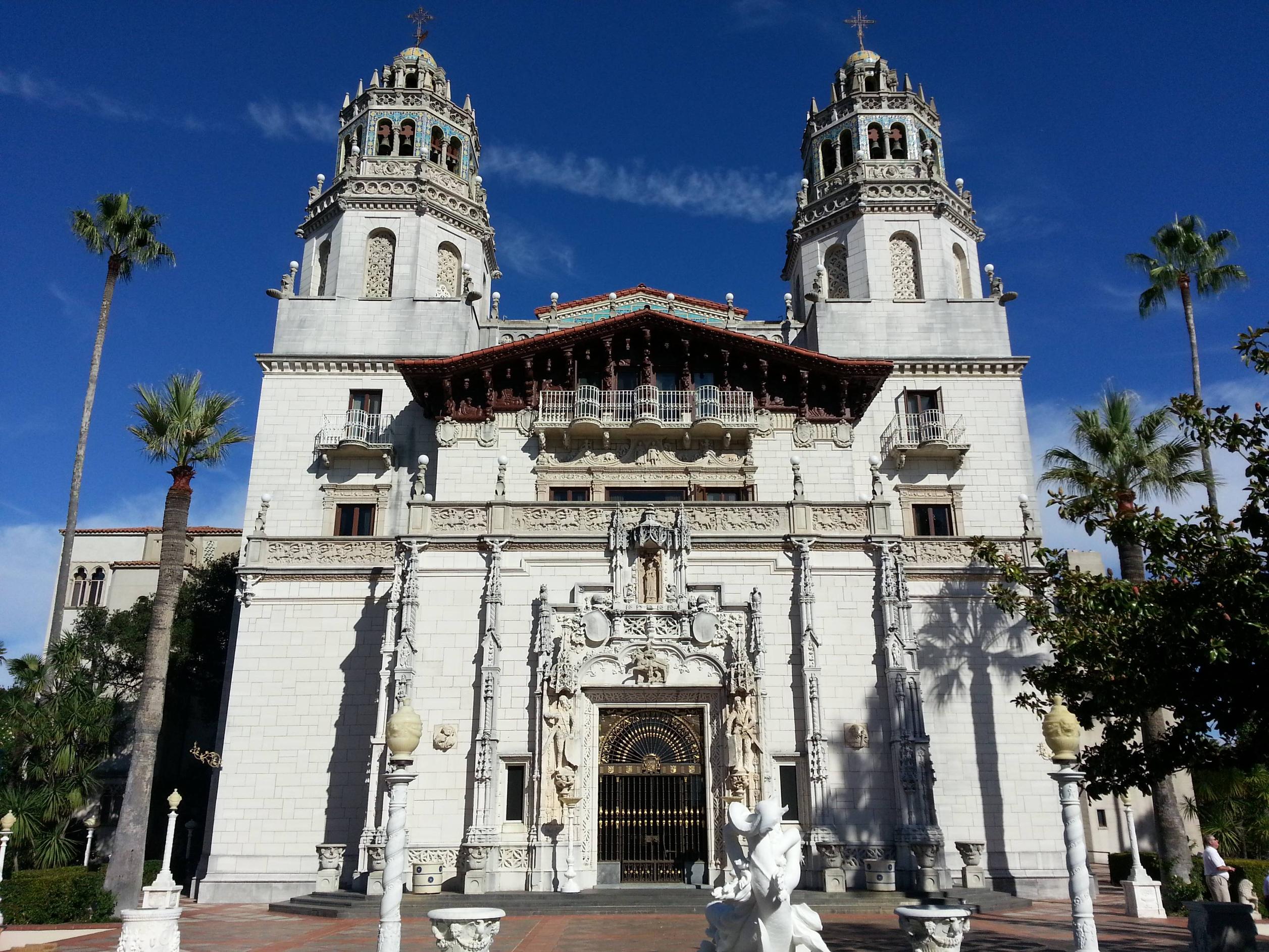
Hearst Castle, San Simeon
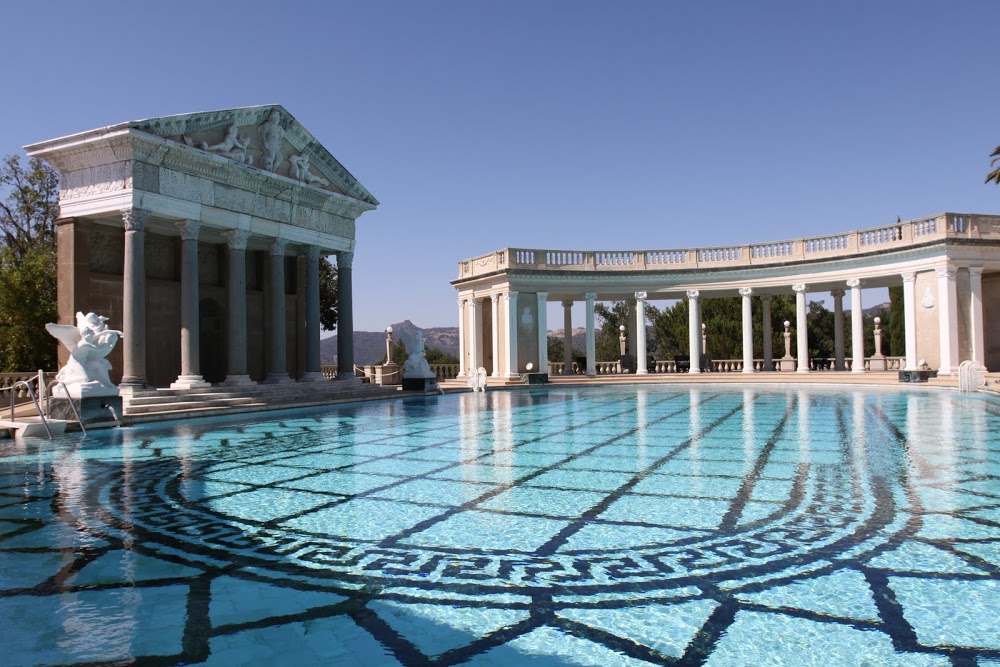
Hearst Castle pool
Monarch butterfly grove: Pismo Beach
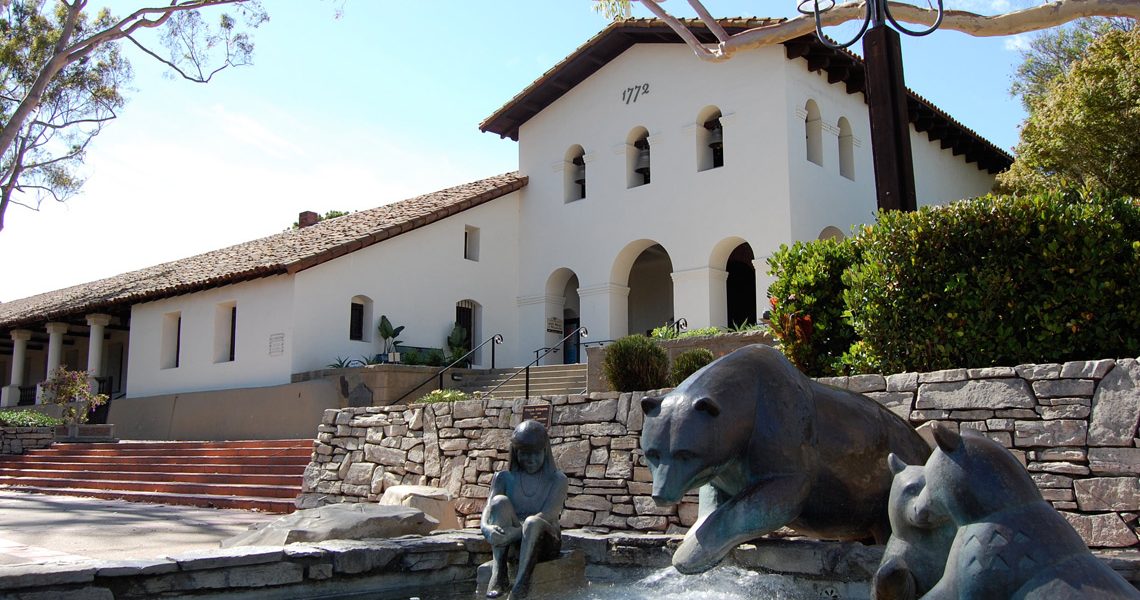
San Luis Obispo Mission (1772), with bronze sculpture of local bear
Iconic, kitschy Madonna Inn: famous restaurant, theme hotel rooms, and great live music for swing dancing
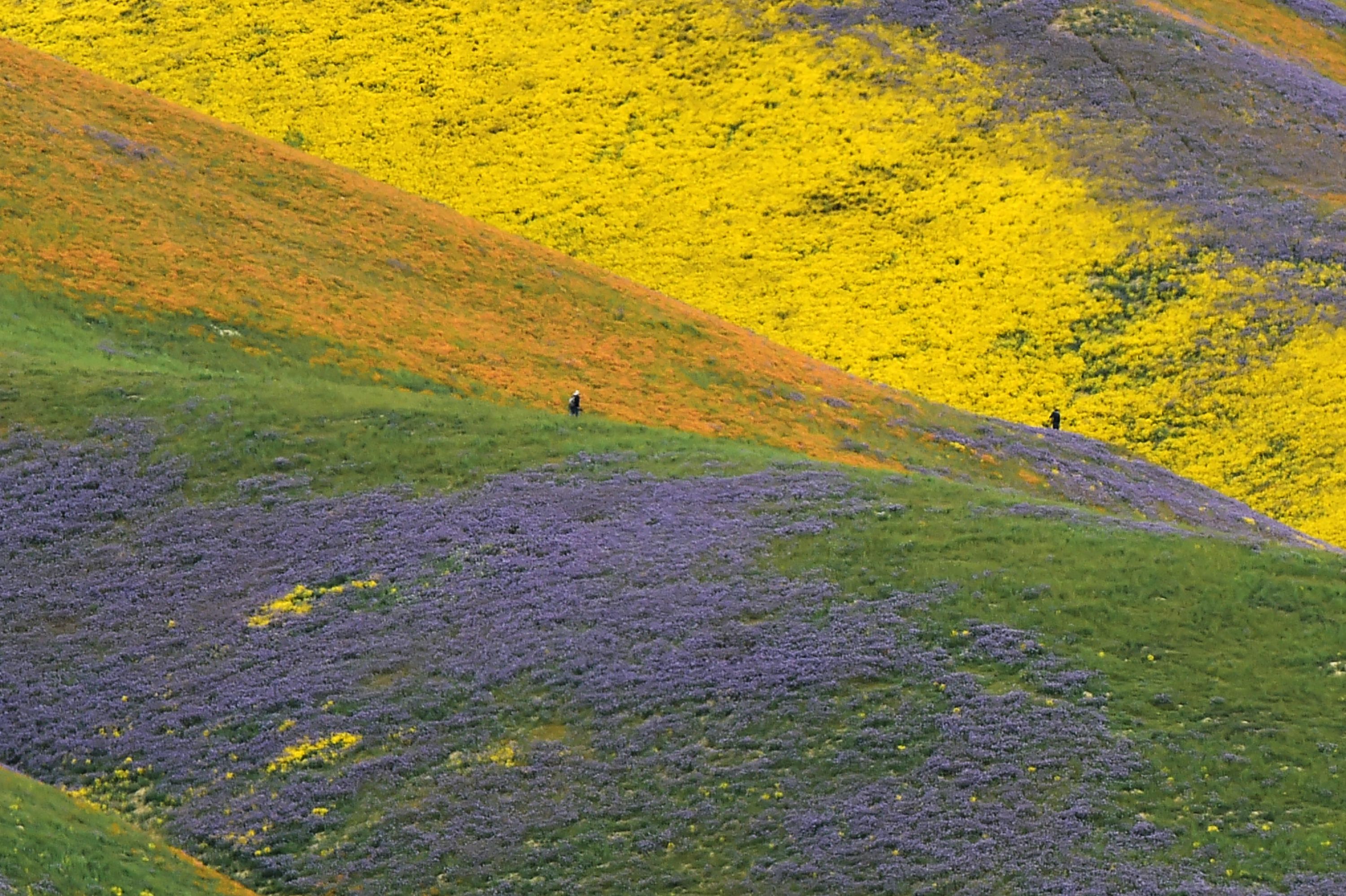
California wildflowers: Eastern San Luis Obispo county
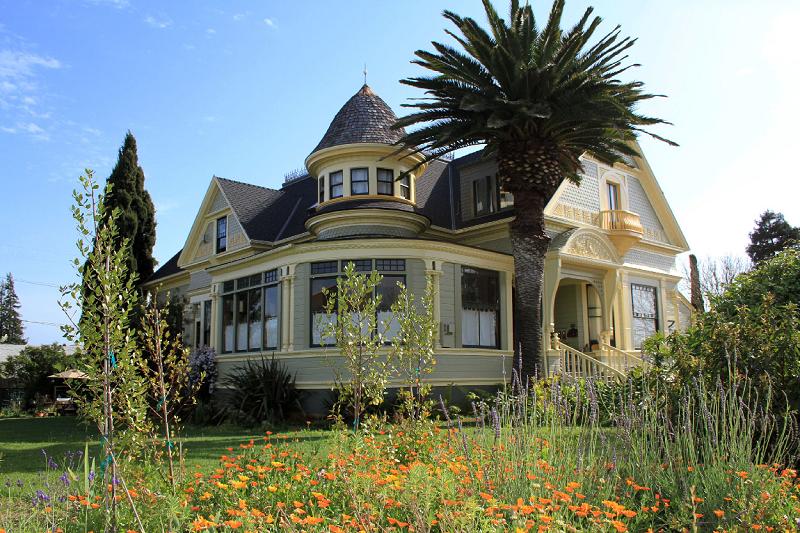
Historic Queen Anne house: San Luis Obispo
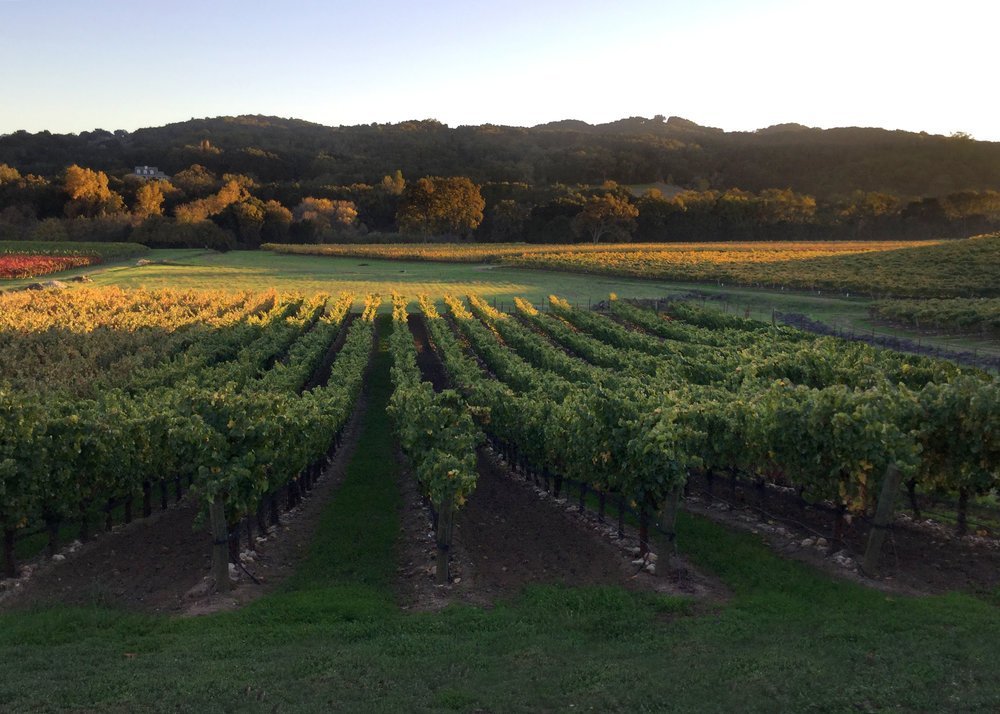
Vineyard near our home in Templeton
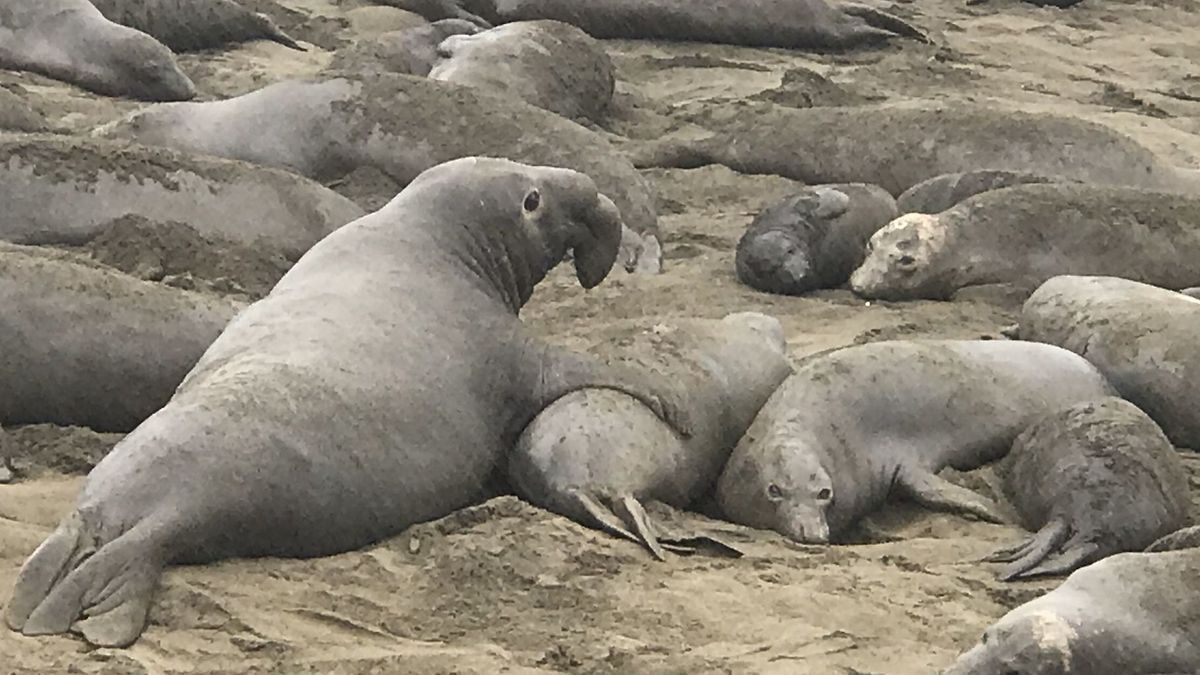
Elephant seals during their migration and breeding: San Simeon
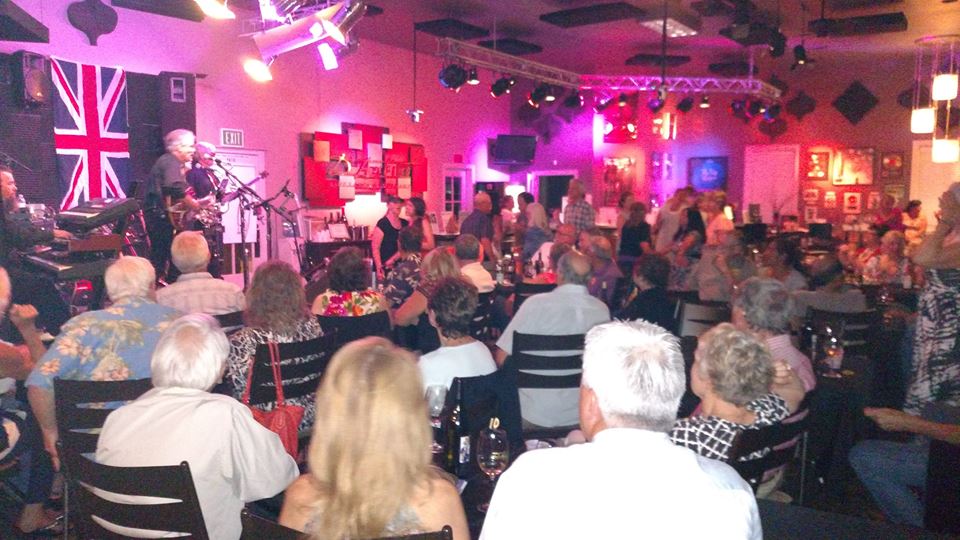
D’Anbino Cellars: wine and top live music venue by award-winning cousins in music, film, and tv
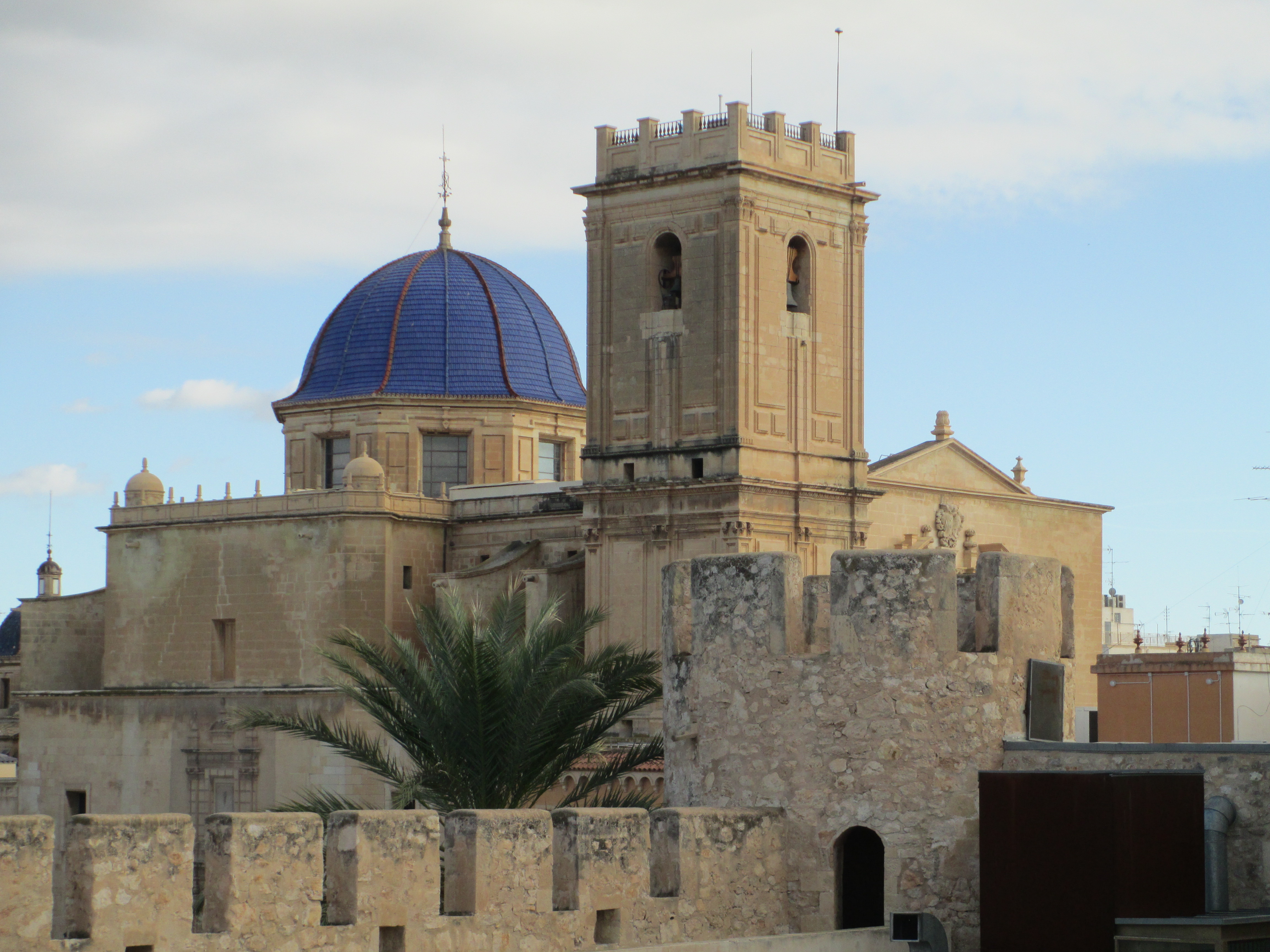
View from the top of Altamira Castle of Basilica of Santa Maria
Located in the southern area of the Valencian Community, just south of Alicante, Elche makes a great one or two day trip. It is the third largest city in the Valencian Community, with Valencia and Alicante being more populated. The Palmeral de Elche (the Palm Grove of Elche), which consists of approximately 200,000 palm trees, was designated as a UNESCO World Heritage Site in 2000, and is one of the main draw for tourists.
The area is believed to have been settled by Greeks, then Carthaginians and Romans, followed by others including several centuries of Moorish rule. The city offers a mix of nature, history, an engaging city centre, and the option of lovely beaches and great shopping, with over 1000 shoe factories!
The following are my recommendations for the best sites to visit:
I recommend starting at theMuseo Arqueológico y de Historia de Elche (MAHE),located in the Altamira Castle, built during the 12th to 13th century. The museum provides visual, written, and verbal information on the history of the area in displays which provide a summary of each of the periods of occupation. The most famous archaeological find was the statue “The Lady of Elche,” believed to be from the Iberians in the 4th century. A copy is on display, with the original being in the National Archaeological Museum of Spain in Madrid, which is a source of contention for the people of Elche who believe it should be returned to Elche. During my tour of the museum, I found the succinct overviews of each era to afford adequate information without museum fatigue. The MAHE facility is modern and mostly accessible, with the exception of the very top of the castle. Take those remaining stairs to reach the top of the castle for a panoramic view of the city and the adjacent Palmeral.
As soon as you exit the MAHE, you will find part of the Palmeral, and the municipal park. The Palmeral is thought to be established during the 5th century by the Carthaginians. Sophisticated irrigation systems were added during the Arab occupation during the 10th century. It is the only such palm grove in Europe, and the northernmost such palm garden. In this part of the Palmeral, there are paths where one can observe the varying vegetation, ponds, swans, historic buildings, a restaurant, exercise stations, playgrounds, and more. The Palmeral is not only confined to this area, but is spread around the city. There are maps available at the Tourist Office or hotels, which provide suggested paths to view the palms.
Across the street from the MAHE and Palmeral is the city centre where there are a number of visit-worthy historical sites. The Basilica of Santa Maria has layers of history, with a beautiful Valenciana Baroque façade. Originally a Mosque, after the Reconquista, a Catholic Church, probably Gothic style, was built. It was here that the liturgical drama, Misteri, Elche Mystery Play, was first presented. In 2001, it was declared a UNESCO “Masterpieces of the Oral and Intangible Heritage of Humanity,” and is performed every August in conjunction with the Assumption of Saint Mary. Later the church was rebuilt with different styles over the centuries, eventually with the current emblematic regional blue tile domes.
Nearby the Calahorra Tower, built in the 13th century in the Amohade style, was the most important entry gate to Elche, with the road leading to Alicante. Note the shape at the base of the Calahorra is wider to provide structural stability. However, this did not prevent severe earthquake damage in 1829, which resulted in the loss of the two upper floors. On the surviving back wall, there is a colorful vertical garden, flanked by a gastro-restaurant, which is an inviting place for a meal or refreshing drink.
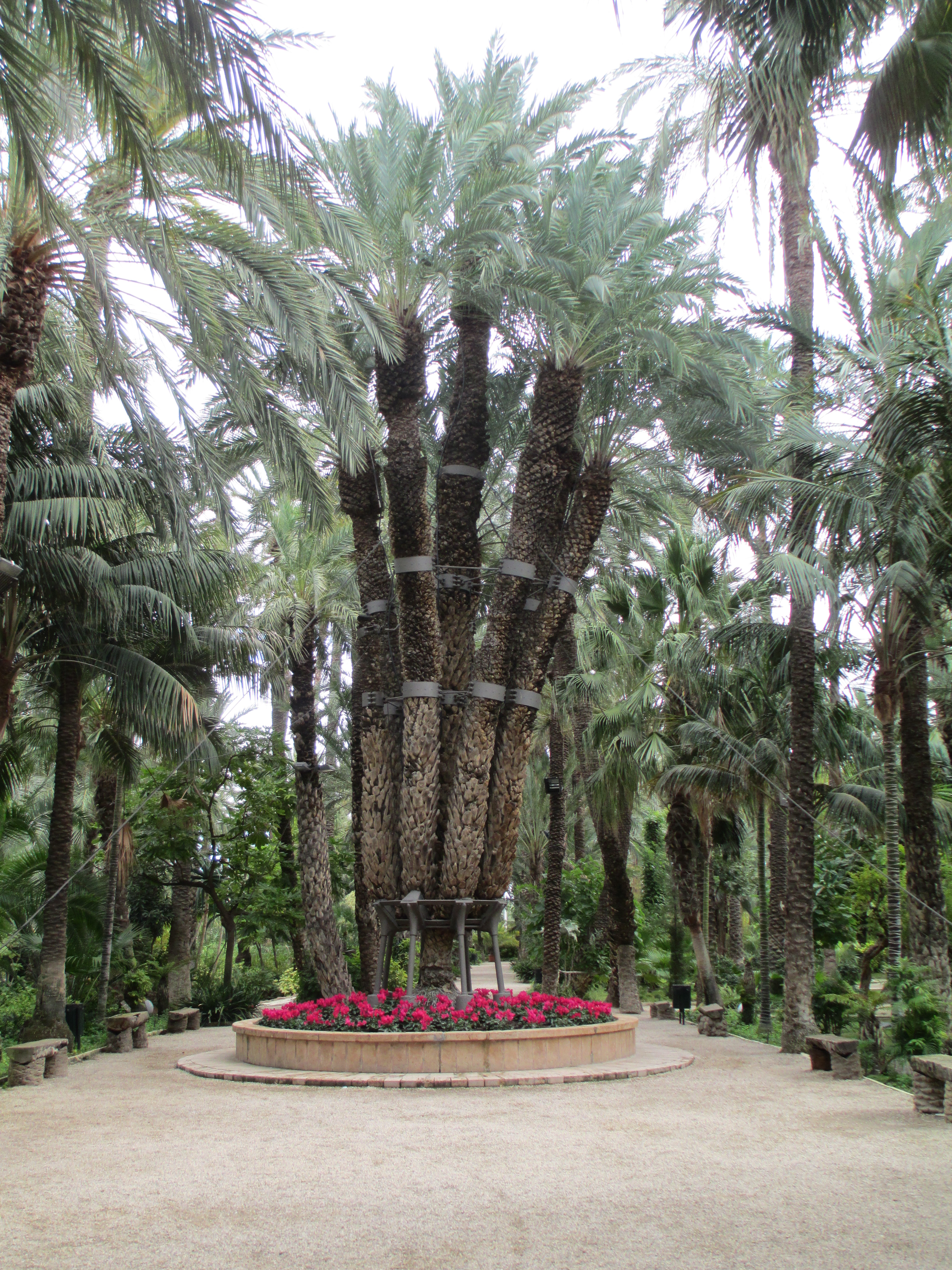
The Huerto de la Cura is a 12,000 square meter garden displaying Mediterranean and tropical plants. It is famous for its Imperial Palm, which features a unique date palm with seven branches. It got its name from a visit by the Empress Elisabeth of Austria, Sissi, in 1894. The park’s inviting paths, plants, and ponds provide an enchanting and tranquil respite. There is a souvenir area where you can buy plants and regional food and craft items.












 Starr Treks