Archive | Spain RSS feed for this section

Patience and Tenacity: Requirements for Obtaining a Spanish Residential Visa

26 Jul

Get ready to have your patience and tenacity tested if you are planning on applying for a Spanish visa. The application process is like a moving target. This is my second post on my experience in getting a non-lucrative residential visa, sometimes known as a retirement visa, to reside in Spain. In my last post, I discussed my experiences with the sometimes idiosyncratic application process, which can differ depending on which Spanish consulate where one is required to apply.

Once I arrived in Spain in March 2014 with my approval for a Spanish visa, I immediately sought permanent housing which was necessary to complete the requirements to obtain the visa and get my NIE (national identification number.) As I have found with most tasks involving the Spanish bureaucracy, one can expect to have multiple attempts before successful completion. For example, when I went to the local “ayuntamiento,” town hall, to register the address where I was living, I was given changing requirements. First, they said the address of my rental I gave them didn’t exist, even though that is the address used by the owners to pay taxes. The owners suggested an alternate address, which was successful, and they provided me with a statement that I was renting from them. Next the ayuntamiento worker assigned me the new task of getting a copy of the trash bill which showed the owner’s name, as well as a copy of his identification. After four trips, I was successful for what I initially thought was going to be an easy task. That set the tone, or should I say pace, of the next steps.

Next, I went on the required governmental website to get an appointment to get my fingerprints and submit my paperwork. This appointment had to occur in Alicante, about an hour’s drive from where I live in Altea. Thus I either had to rent a car or take the two hour tram. I chose the former. At the appointment, I brought all of the required documentation. The worker asked why I did not come to the appointment within the required time frame, which I recollect was around 45 days. I explained that the website issued me a specific date over which I had no control, which was almost two months beyond the deadline. Thankfully, that explanation was acceptable. Of interest, the woman who was processing my application turned to her colleague saying, “California dream,” apparently a dream they both shared. She could not understand why I would want to move to Spain from California. I explained my reasons and she was apparently satisfied, but still had difficulty fathoming.

Whereas I was initially informed by local officials in Altea that I would be given my visa at that appointment in Alicante, at the end of it, I was told I needed to return in exactly 30 to 45 days in person, with my U.S. passport. On June 30, with low expectations, I returned to the Alicante National Police. I was pleased and surprised to find my visa card ready. With that, I now had my NIE number, necessary for almost everything, including such things as getting internet at home, receiving shipped packages, etc.

I noticed the expiration date on my newly issued visa was March 11, 2015, the date I initially applied after arriving in Spain. So starting in late January 2015, I began working on the application for the first renewal of my residential visa. Not surprisingly, I encountered more bureaucratic twists and turns, which will be the focus of my next post.

Travelling Solo as a Female

24 May
altea

Altea, Spain

Travelling alone as a woman is something I take for granted. And moving solo from the Central Coast of California to the small Mediterranean town of Altea Spain was not something I considered that challenging, other than the practical logistics. Therefore, I have been surprised when I have received many comments telling me how “brave” I am.

Adventurous with wanderlust, yes, but brave?


I have travelled to almost 40 countries worldwide, many times solo and also with my three sons while they were children. When reflecting on those travels, I tell myself I must have been crazy to take one or all three young boys by myself to places such as Kenya, Australia, Italy, France,Turkey, Belize, Jamaica, Mexico, etc.


IMG_0051

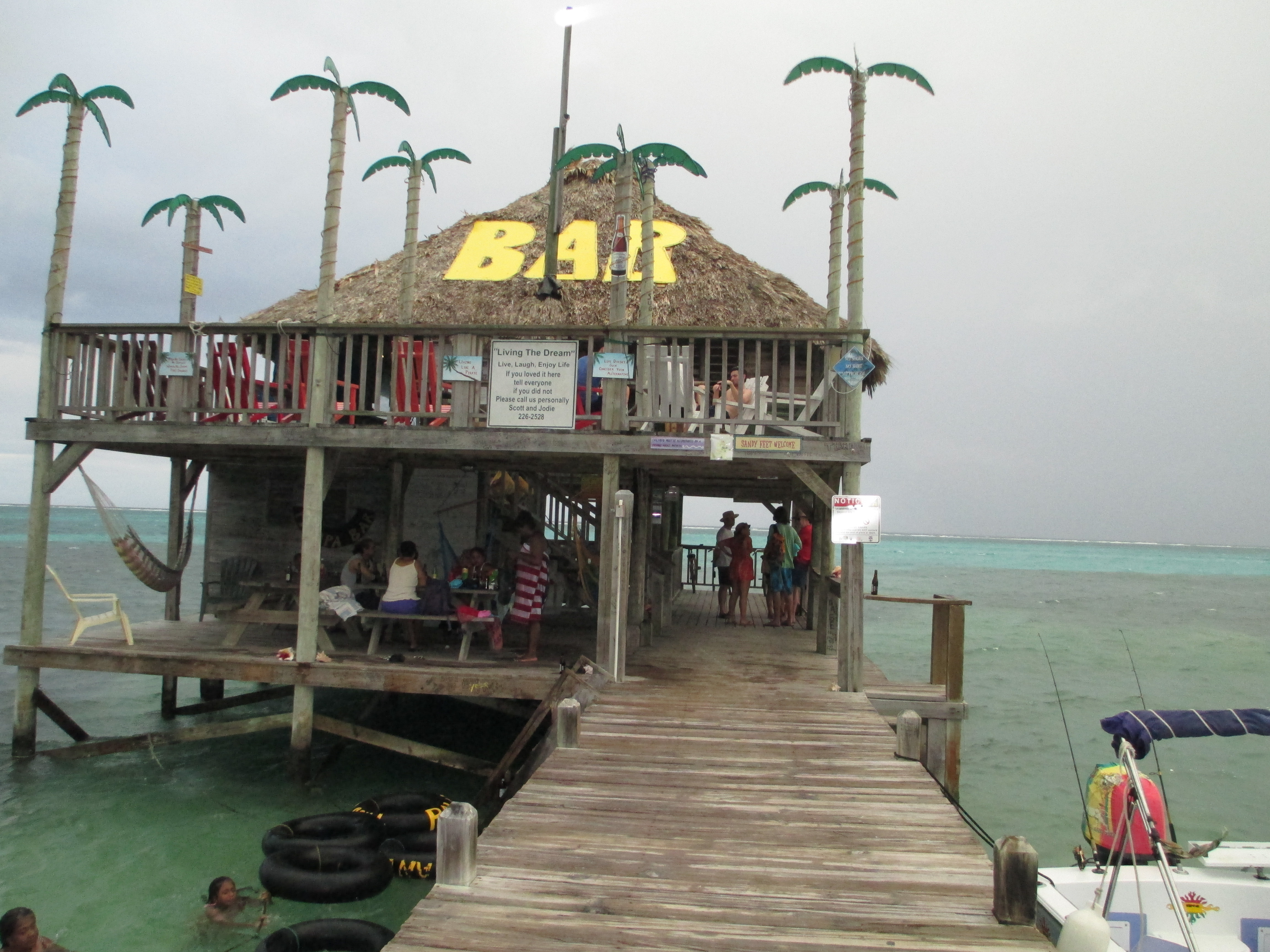
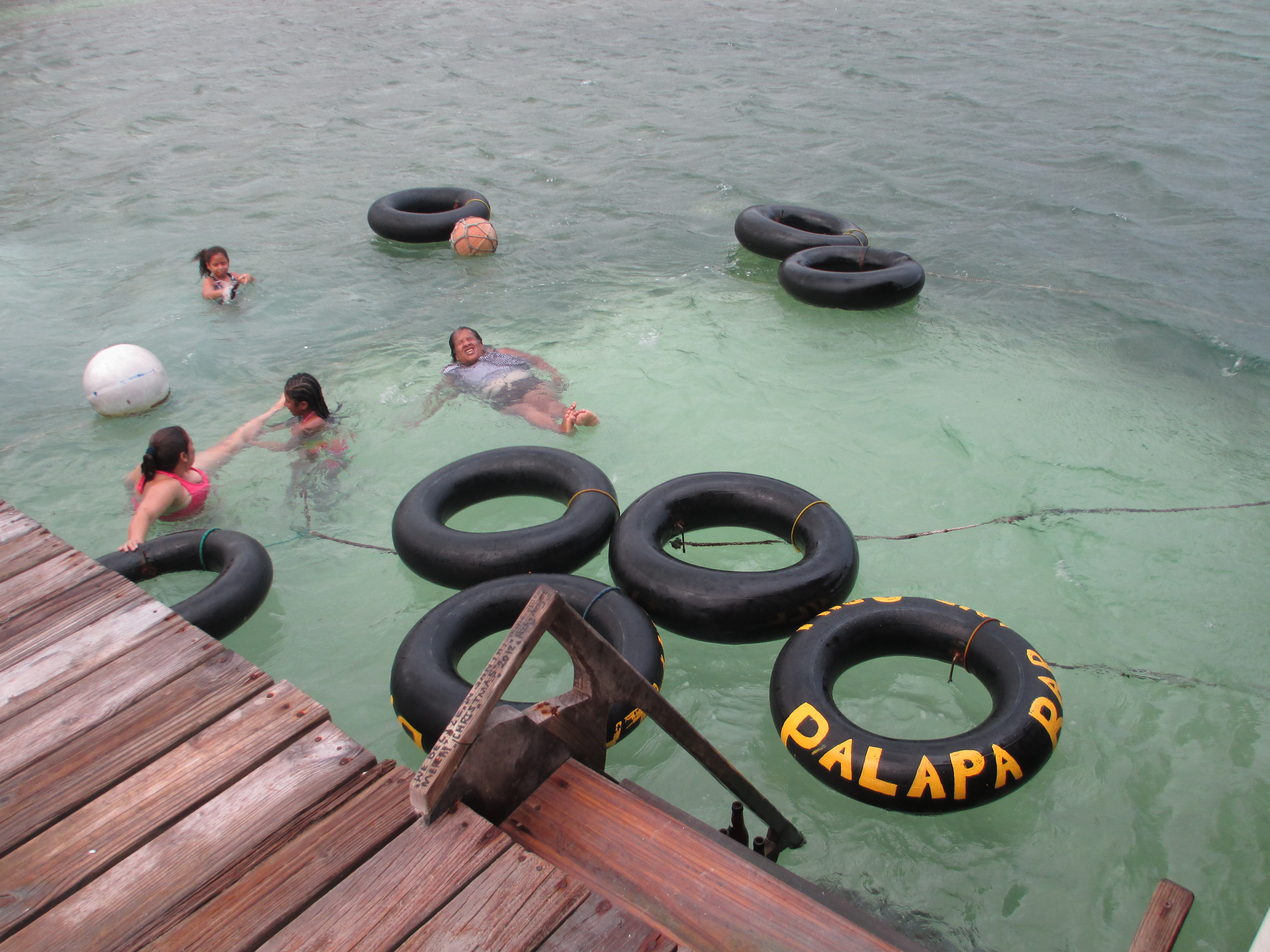
Family swimming at Palapa Bar, Ambergris Caye, Belize

IMG_0053

Palapa Bar: Ambergris Caye, Belize

As I prepared to move to Spain, I chose to sell my large home, luxury car, and virtually everything I own, except a few kitchen items, but most importantly, family photos and videos. I was overwhelmed with the many photos and videos, which were too numerous to transport. I decided to have them scanned but because there were so many I had to choose which ones to take. I experienced unexpected happiness while reviewing our family travels. Travelling with children can obviously distract one from paying attention to environmental cues, but I guess I was lucky.
 

As a retired forensic psychologist who evaluated and testified on violent and sexual offenders, I am by no means cavalier when it comes to personal safety, particularly as a single woman. Here in Altea, I am often out late at night, as are many other females. Whether female or male, it is important to first know the safety of the area where you are. Certain cities are well-known for pick pockets, assaults, etc., and certainly researching the crime and safety of your destination should be an important part of travel planning. And go with your gut. If you suddenly feel an uneasy or fearful feeling, react accordingly. Do whatever will restore your sense of being safe by doing such things as getting to a safe public place, or hailing a cab rather than walking.

OLYMPUS DIGITAL CAMERA

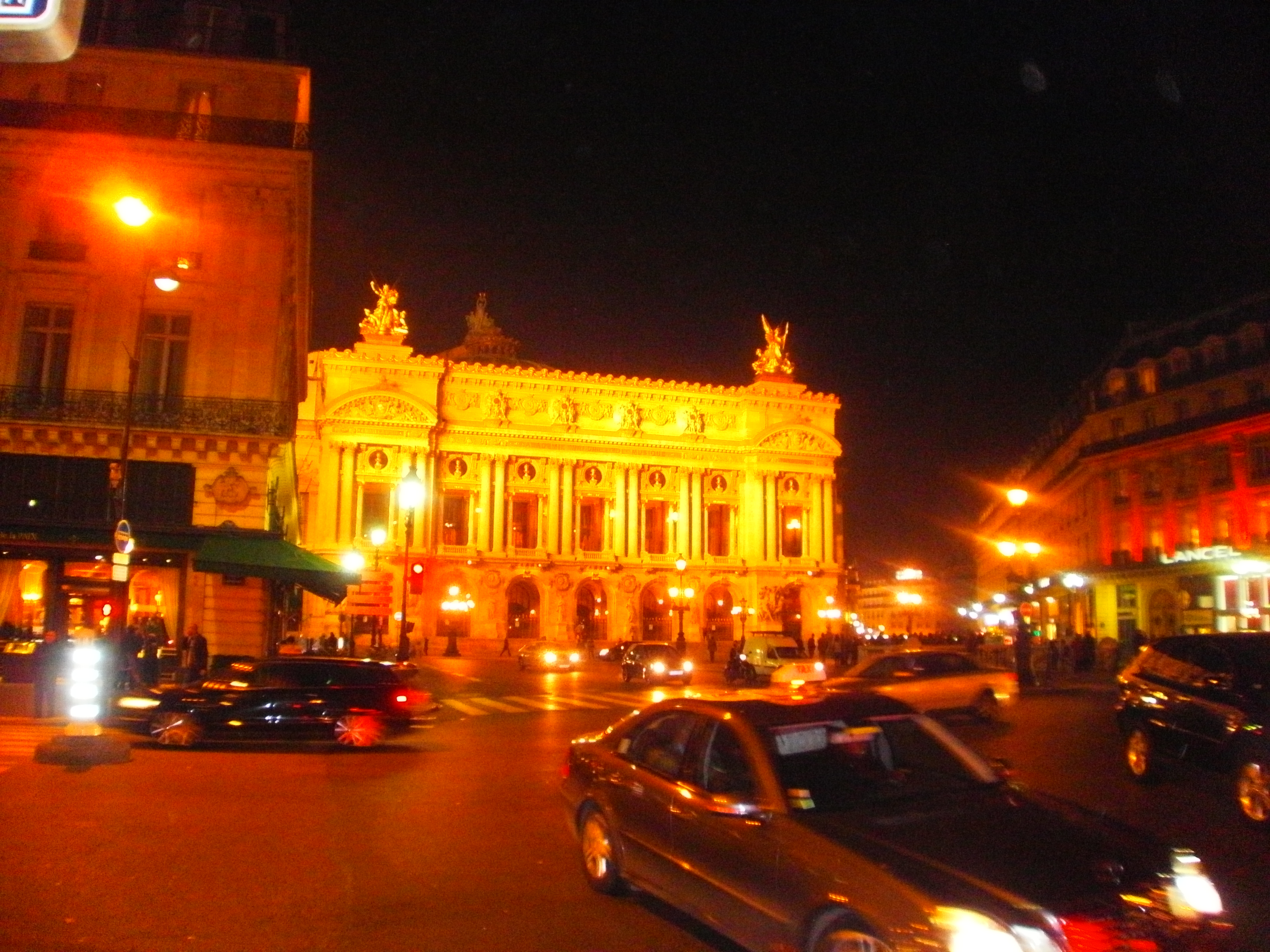
Palais Garnier: Paris Opera House


Some advocate finding a travel partner if one is a female travelling solo, but I would rather travel alone than risk having a toxic travel partner. That is exactly what happened to me when I took a rare cruise which started in Rome and then went to the Aeolian Islands. LuLu, who I had met on a Greek Islands cruise, was interested in going on the Italian cruise. The tour started in Rome. During a private tour (her demand) of the Coliseum, she repeatedly interrupted the tour guide, telling her to move on. Both the tour guide and I were shocked at her rude behavior. The tour guide said she had never seen anyone that rude. Not one for conflict, I disengaged myself from LuLu as much as possible the rest of the trip, which was difficult as she was my roommate.


Travelling alone enables me to more easily meet people, something I increasingly relish. Coming full circle, today I am waiting for the arrival of my 20 year-old son to my home in Spain. He will spend the summer with me. I hope we can travel to some of Spain’s many historic and beautiful sites, that is, if I can pull him away from the young ladies.


Costa Blanca Spain: Quality European Living at Affordable Prices

10 May
Iconic View of Altea

Iconic View of Altea

The Costa Blanca area of Spain is often overlooked by North American as an ex-pat living option. While less familiar than the more well-known Costa Brava and Costa del Sol, the Costa Blanca offers a more temperate climate. It is an area of approximately 120 miles of Mediterranean coastline in the province of Alicante. In the month of August, highs average around 84 degrees Fahrenheit and in January around 52 degrees, with total rain about 14 inches annually.

Besides the great weather, the area has many other inviting features. European culture with contemporary music, opera, symphony, ballet and other forms of dance, visual arts are widely available. There are many famed Spanish festivals here, including Easter week (Semana Santa), and Moros y Cristianos. Alicante is in the Valencian province, with Valencia being the third largest city in Spain, where there is the famed unique City of Arts and Sciences complex which houses museums of several sciences and the arts, Las Fallas (featuring elaborate paper mâché statues often with characters that reflect pop culture which are ultimately set aflame in their numerous neighborhoods) and the nearby La Tomatina (infamous tomato throwing festival.) Many Spanish are avid sports fans, as participants or spectators, particularly for soccer; bike, car and boat races, basketball, ocean activities and more.

IMG_0494 (2)

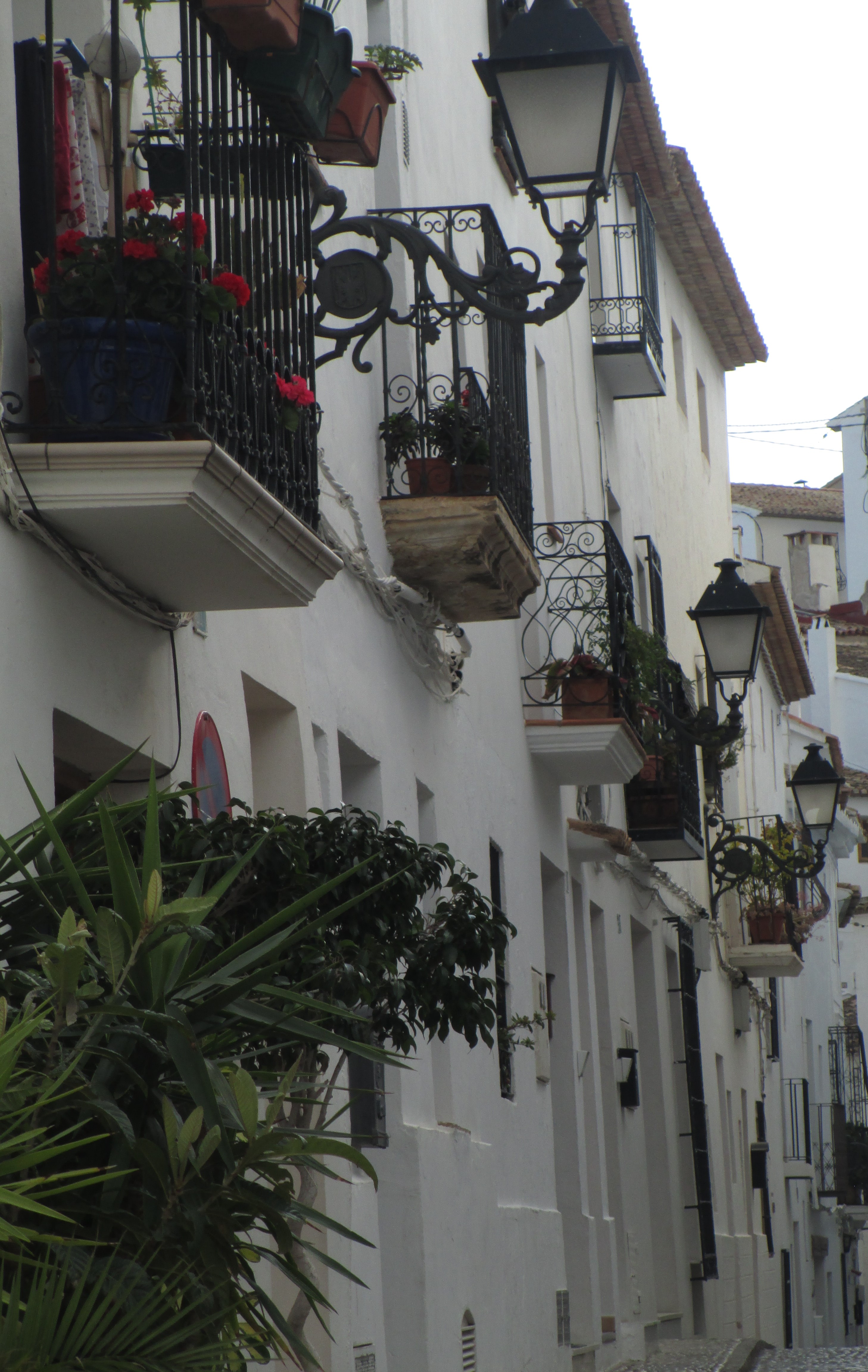
Typical street in Altea’s Casco Antiguo

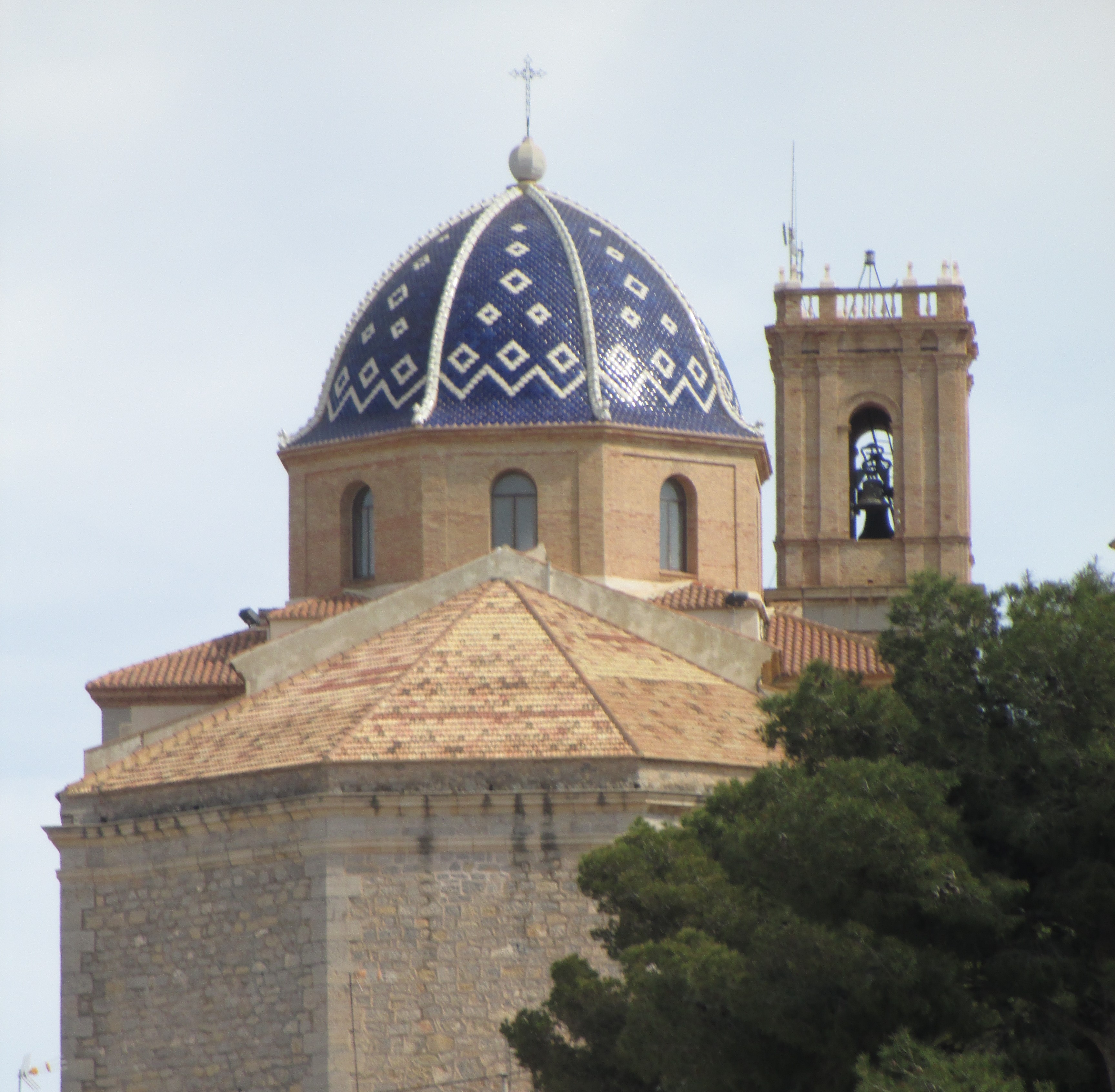
Besides the many coastal communities, there are numerous charming inland towns in the hills, valleys and plains which have castles, ancient ruins, historic buildings, caves, and parks and other nature attractions. Many local words and names such as those beginning with “al” or “ben” are Moorish in origin. The influence of the occupation by the Moors from 718 AD to 1492 is still visible in the terraced hillsides, and numerous orange trees. Each town on the Costa Blanca has its own distinctive charm. Altea is considered the “cultural capital” of the Valencian region and is also known for its iconic hilltop church with shiny blue cupola and white tiles. Villajoyosa has distinctive differently brightly-colored seaside homes, which were intended to guide fishermen back to their specific abode. The provincial capital of Alicante is a sophisticated and historic city, with a stylish promenade area featuring cafes and upscale stores, a large marina and beach area, and the Santa Barbara Castle sitting atop the Mount Benacantil. Elche is home to a grove of about 200,000 palm trees, which have been designated as a UNESCO World Heritage Site. Benidorm is a popular spot for people wanting a lot of activities, and is party central for many European vacationers. Its two beaches are consistently rated as among the best in the world.

IMG_0606

Sample of delectable (free) tapas served with beverage

The cost of living is surprisingly affordable given all that the area has to offer. For example, rents in Altea range from 325 to 350€ per month for a one-bedroom apartment or studio, and 400€ plus for a large three bedroom. In Elche one can find a 300€ three-bedroom apartment that is centrally located. The Costa Blanca offers ample apartments or homes for sale for under 100,000€, and some under 50,000€. Because of the unique characteristics of each town, it can be advantageous to stay in the widely available, affordable vacation rentals while test-driving a town or even a neighborhood. Several websites, which feature both real estate rentals and sales, can be accessed before visiting the area.

IMG_0429

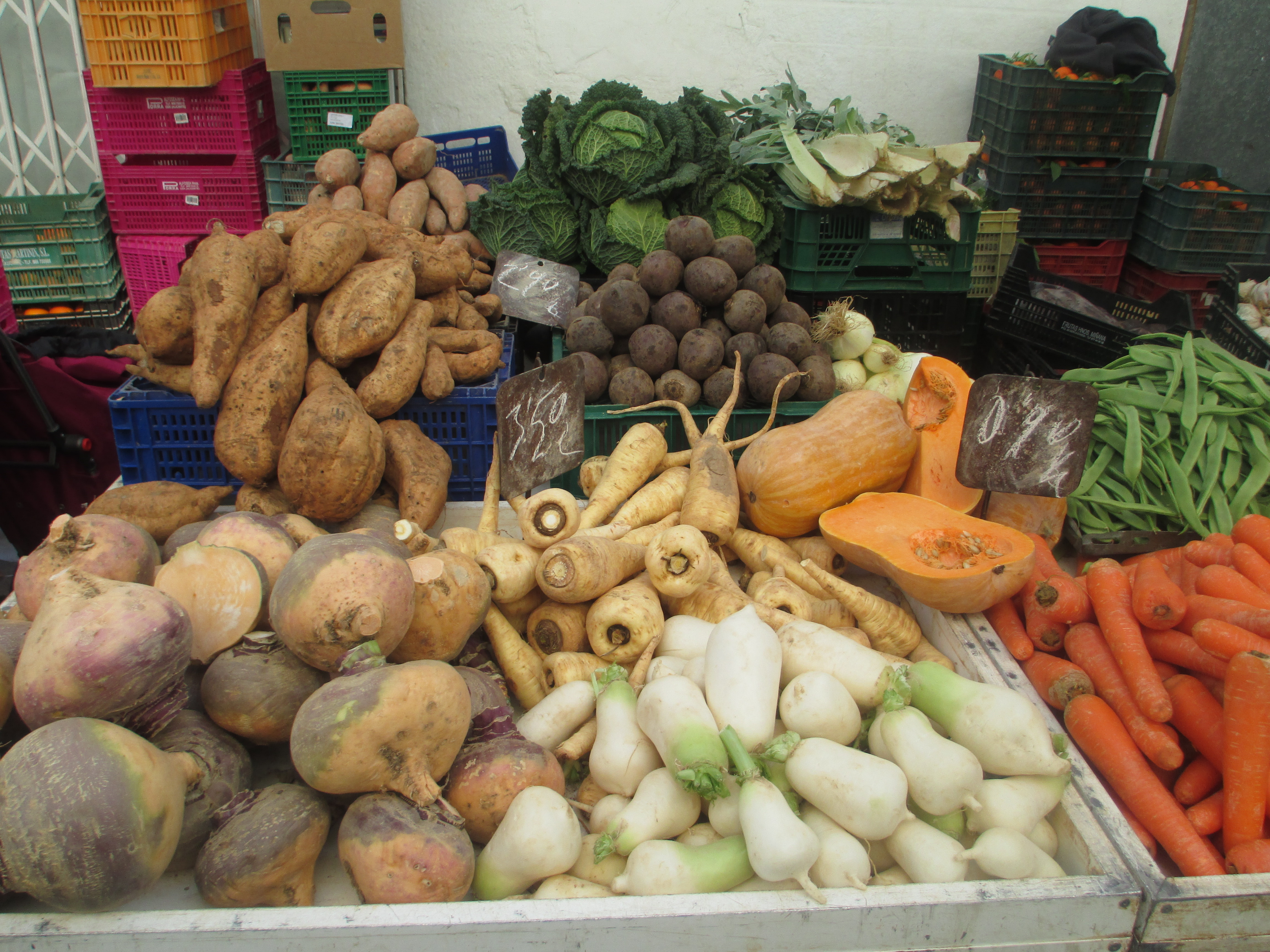
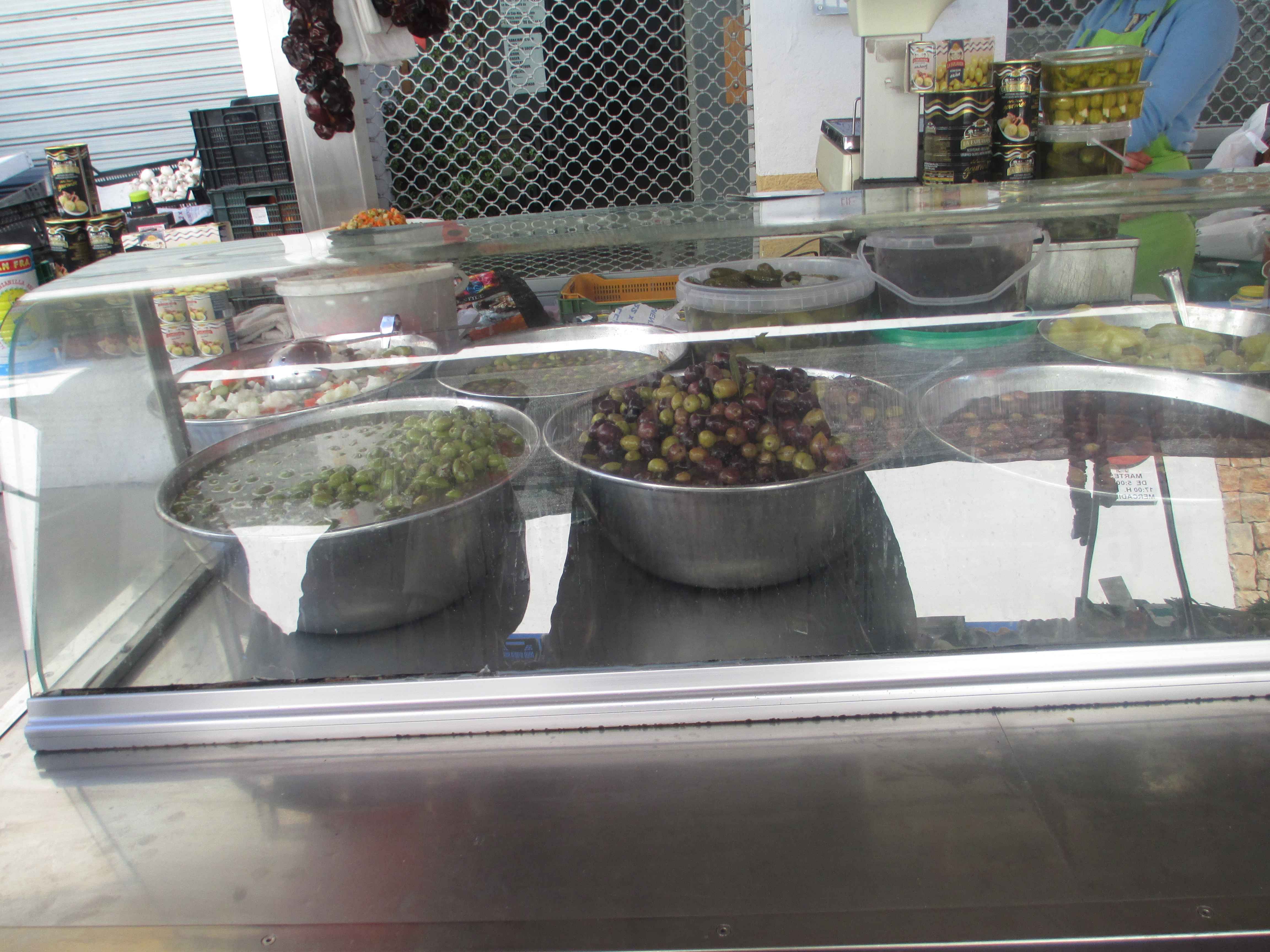
Bounty of Local Crops at Farmer’s Market

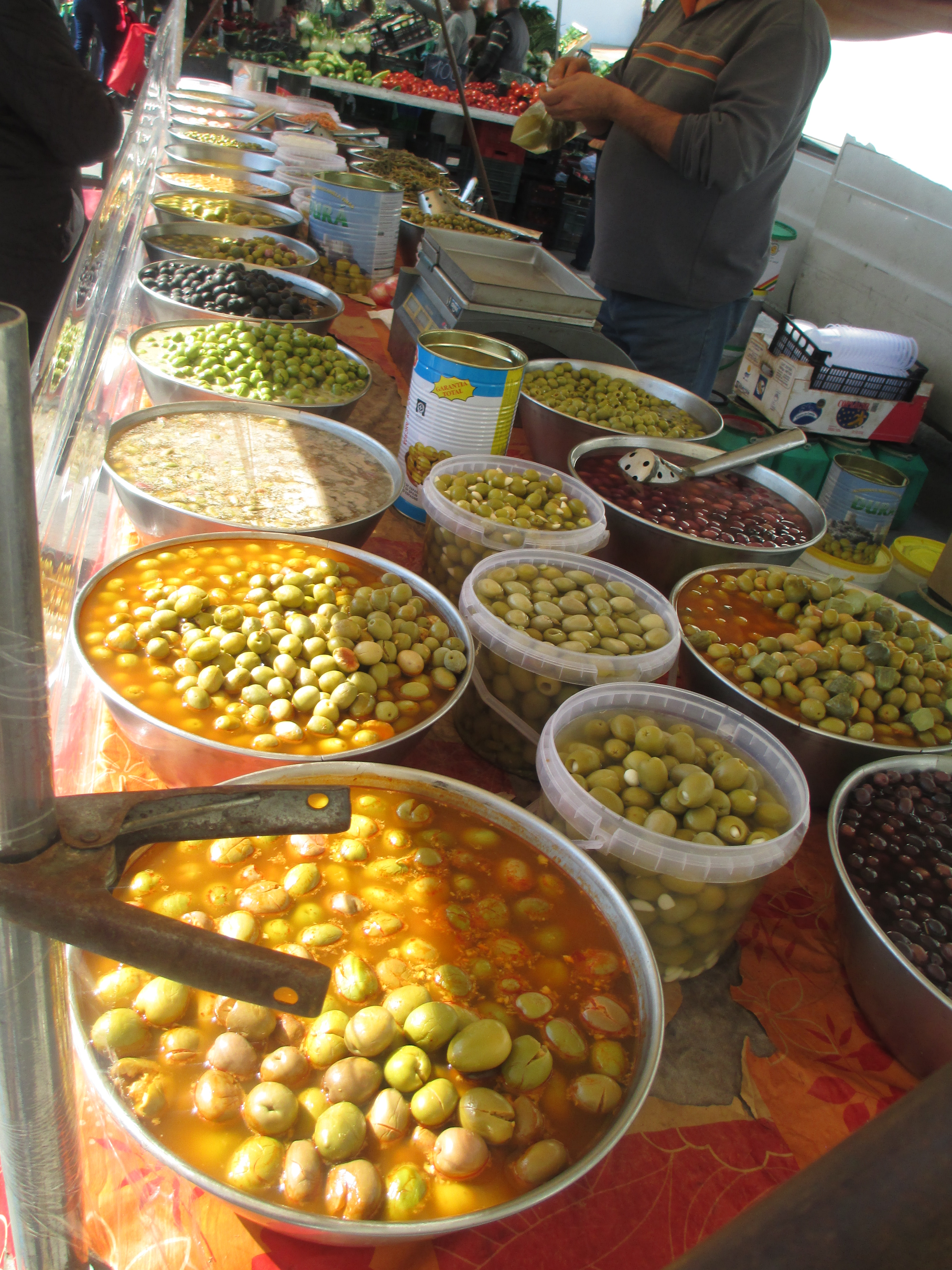
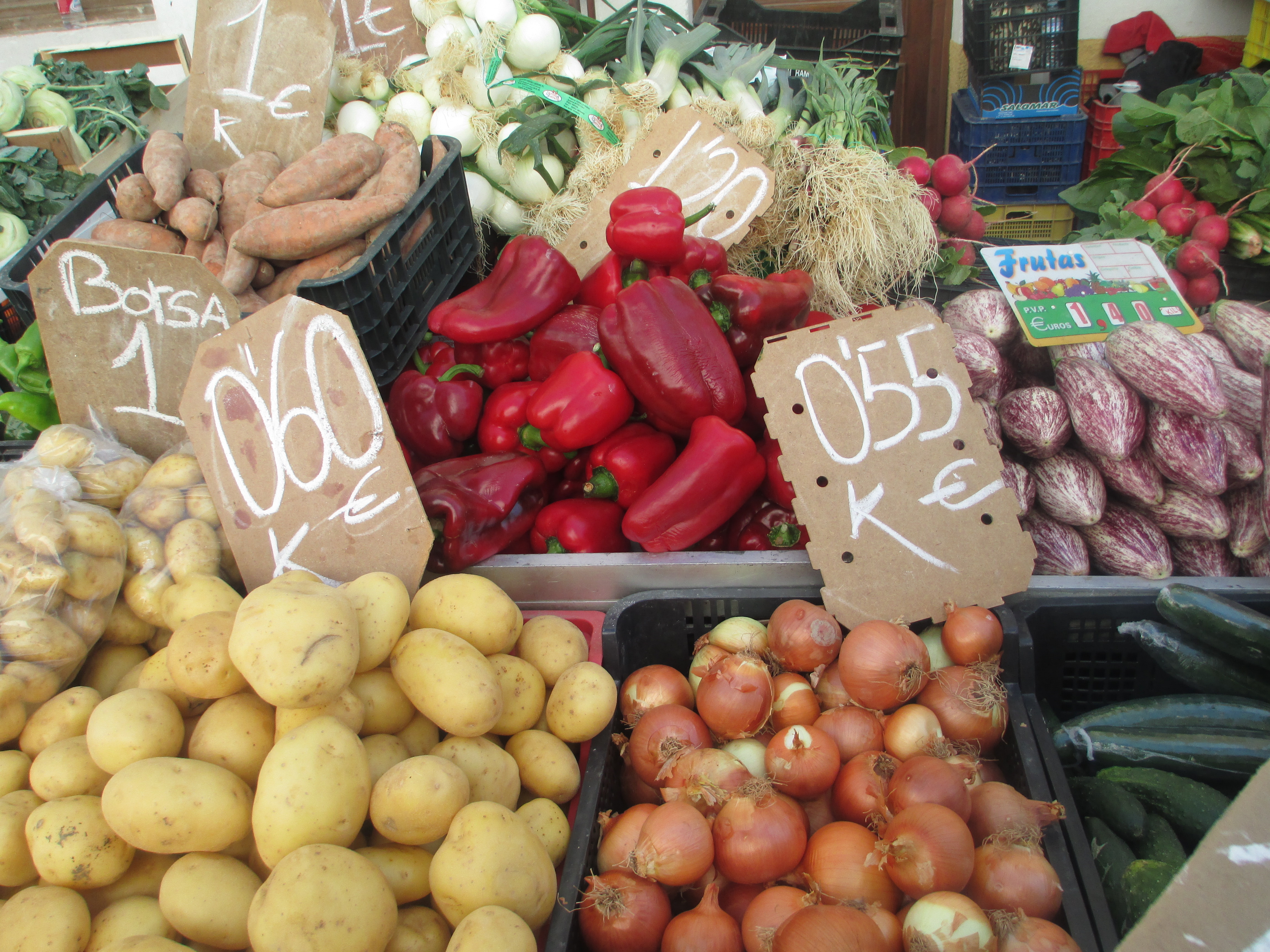
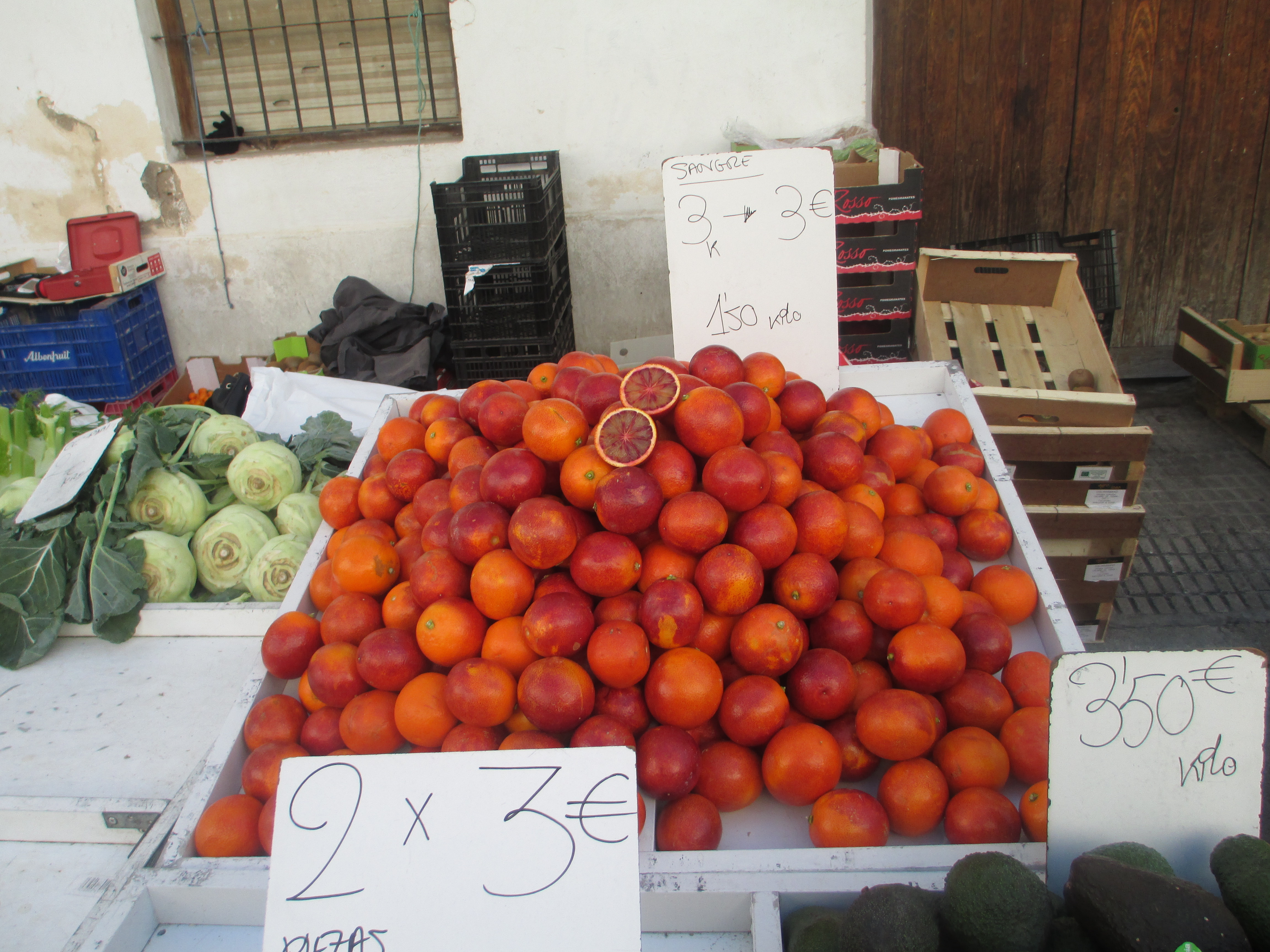
Olives, olive oil, wine, local fruits and vegetable, and the bounty of the Mediterranean are diet staples, and, of course, Spain’s ubiquitous jamones (hams.) Food is generally inexpensive. Most towns have a weekly farmer’s market where there is dizzying display of colorful flowers, fruits and vegetables. At restaurants, in many towns, there is a menu del dia (typically a two or three course meal, with bread, beverage, dessert or coffee) at a nice beachside restaurant cost between 10 to 14 €, and less if one goes to places less upscale or frequented by locals. A glass of wine or small beer (“caña”) can be found for under 2€, which includes a tapa.

The area has many European ex-pats, including British, German, Norwegian and Dutch. That makes for a supply of English-speaking medical professionals. Medical treatment are good quality and prescriptions tend to be significantly less expensive than in the U.S.

Many people do not have cars, instead walking or riding a bike. There is good and inexpensive public transportation on the Costa Blanca, with clean timely buses, and a tram that runs from the northern most town of Denia to Alicante. In Alicante, one can access the national railway system including high-speed trains, and the modern and efficient airport, the sixth busiest in Spain. One person can comfortably live on 1000€ a month or two for 1500€, which includes rent, food, utilities, public transportation and entertainment.

Challenges and Affirmations on Moving to Spain

15 Apr
IMG_0469 (2)

View from my window of husband tying his wife’s shoe

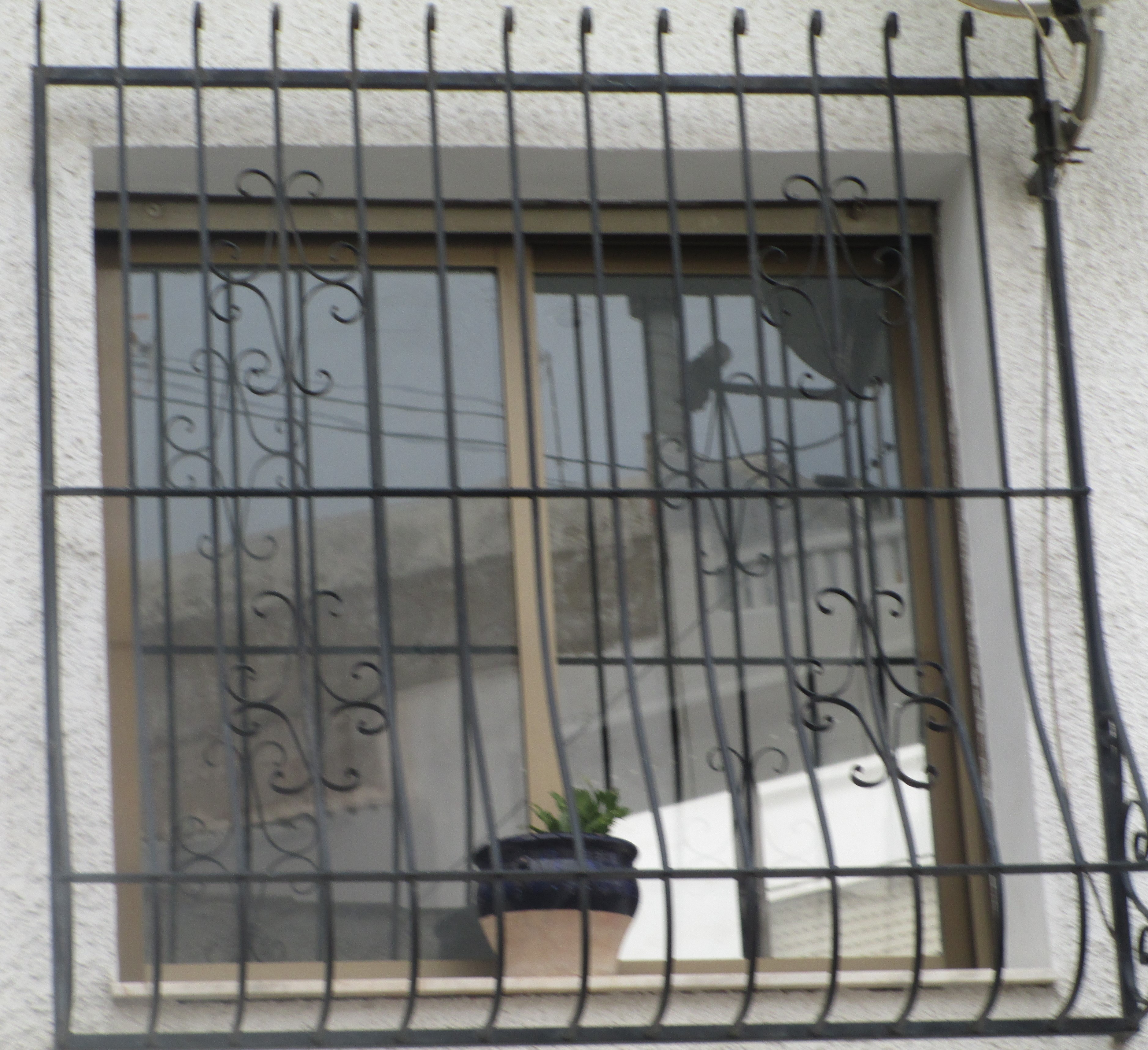
Of course it rained today. As I said in an earlier post, since I no longer have a car on which to rain after I wash it, it seems like whenever I wash my laundry and hang it out to dry, it rains. On a positive note, the rain gives me a head start on cleaning the black window grates that adorn my windows. While cleaning them, I observed a husband lovingly tying his wife’s shoe.

The rain reminds me of a puzzling observation. Here in Altea (Spain), many of the newer sidewalks are mad of lovely, shiny white tiles, but when it rains, everyone walks in the streets because they are as slick as ice. When growing up in Nebraska, while it seemed everyone else would glide for fun along the icy sidewalks, I would walk with extreme caution yet was the only one who fell. So I am not taking any chances here.

IMG_0849 (2)

My now clean black ornamental window grate

The rain seemed to reflect my most recent mood in dealing with what I thought would be the simple task of paying for my cell phone/internet/television channels. Initially, I could not get service because I did not have a Spanish bank account, even though I had credit cards and a local residential residency card. The local “Movistar” representative spent several weeks trying to get me service. Just after the service was finally confirmed, the installers arrived within a two hours and very quickly and efficiently got all three services up and running. I didn’t get a bill for almost two months, and when I did, I went to the local Movistar office to pay the bill. I couldn’t pay there; I had to either pay at the bank (huge line) or the post office, yes, the post office. I successfully paid the first meager bill of 6.24 Euros, and was surprised at how easily it went at the post office.

Just afterwards, I started getting text and phone messages on my cell that service would be suspended if I did not make a payment of 30 some Euros. I had not received a bill, so I went to the Movistar office and was advised to go to the post office or bank to pay. Long story short, without a bill, I did not have the account number to pay it, as it seems that there are different account numbers for the cell and internet/tv. So today the whole of my day will be devoted to trying to find an account number for the latter. Frustrated, I realized there was nothing more that I could do today, especially given the approaching close of the banks and post office and the close of businesses for the three hour siesta.

I decided to head for a locals café for an inexpensive menu del dia, only 8 Euros, where they place a newly opened bottle of wine on your table from which one can drink as much as one wants. En route, I heard a man addressing me. When I turned around, he handed me the 55 Euros and prior Movistar bill, which had fallen out of my pocket, where I had stuffed it after leaving the bank in frustration. This act of kindness caused my mood to suddenly improve.

IMG_0853

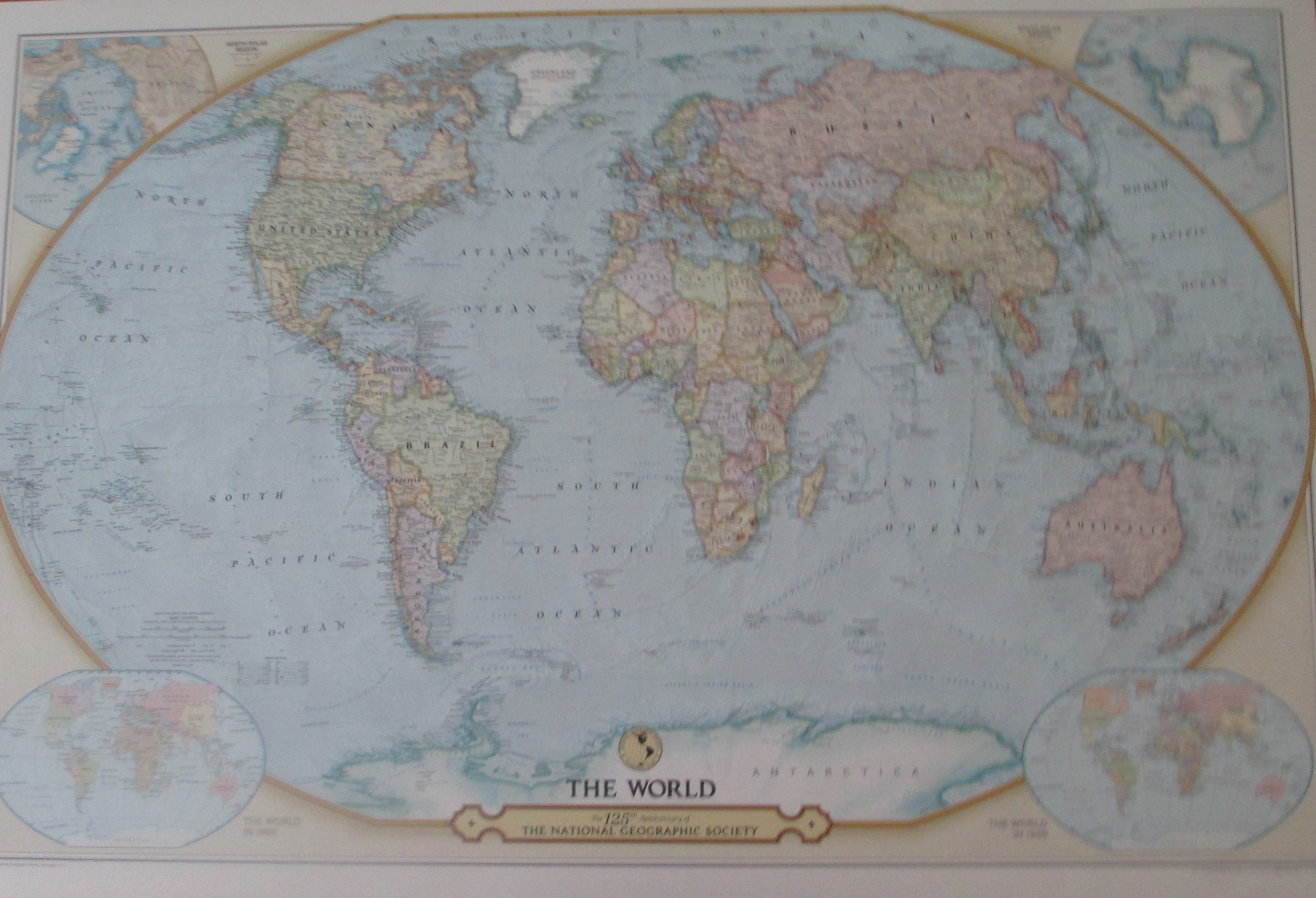
Newly arrived National Geographic World map

Then, as I type this, I had a serendipitous delivery of the 125th National Geographic world map I ordered from Amazon in Spain. I admit I am a nerdy “cartophile.” All three of my adult sons are similarly disposed. Before ordering, I checked to make sure it was current by looking for the youngest country, South Sudan, on the map. This delivery and the anticipation of spending time with my new map has temporarily eased my bill paying distress. Living in Spain, it seems best to order from a Spanish company as I learned when I asked my son to add some condiments and spices to one of the two boxes I had shipped here from California. These were items that I have been unable to find where I live in Altea, like red chili flakes, Vietnamese fish sauce, tamari, etc. I thought it best to leave them sealed so as not to cause any suspicion about their contents, but that assumption ran afoul when I received a demand to provide a detailed list of the contents with a receipt for the value so they could tax me on the imported items. I did not have a receipt, so estimated the cost to be 2 to 3 Euros for about 15 to 20 items. I do not understand why, but I had to pay a total fee of over 50 Euros to get them to deliver my package, but almost two months since it was mailed, I have yet to see it.

U.S. taxes are due today. I have been unsuccessful at having my son forward my 1099s needed for filing my taxes, but found out that if living overseas, one is granted an automatic 60 day extension. I only hope I read that right.

IMG_0673 (2)

The sun comes out to shine on the iconic Altea church

However, these challenges and pleasures are all part and parcel of transitioning to a new country. They are lessons is patience, humility, and thankfulness. And the rain just stopped.

This Week in Altea in Photos

7 Apr

IMG_0673IMG_0652IMG_0645IMG_0683IMG_0684 IMG_0696IMG_0729IMG_0718IMG_0713IMG_0710IMG_0739IMG_0750

The Importance of…Speaking Spanish or is it Valenciano?

5 Apr
beach sign

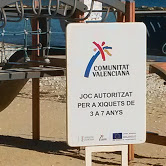
Can you read this sign at the beach play structure in Altea Spain? Neither can I and I speak (Castillian) Spanish.

I thought it was important to be able to speak decent Spanish before I moved here. I spoke some Mexican/Latin American Spanish, but the pronunciation and some of the words are different. To that end, I used a computer program to learn Spanish, which included feedback on whether or not my pronunciation was correct. Whenever I encountered a native Spanish speaker, which in my birth state of California, was frequent, I would practice my fledgling language skills. I tried to practice Spanish on a daily basis, which included watching the 24 hour news from Spain.

When I arrived, my Spanish was still somewhat halting, but did improve with regular daily interactions in Spanish. What I did not anticipate was that the official language of my village Altea is Valenciano. What? I had never even heard of that language. It is similar to Catalan, and Castillian Spanish, with some words and letters that are French. Many words here end in consonants. The word for the number eight is the same as in French, huit, whereas it is ocho in Spanish.

IMG_0759

Street signs in “Valenciana”

However, Valenciano is clearly distinct, as I found out when trying to negotiate my way through the already confusing Spanish bureaucracy. Before one can get a residency card (after an already lengthy application in one’s country of origin,) upon arriving in Spain, one has to find a residence and then register it with the local Ayuntamiento (town government), which here is Ajuntament. Well, those two words were similar enough that I could figure them out, although not the ticket dispenser at the Ajunament where you first have to select the task you are there to do before you can get a number to get in the correct line. As well, I have found undecipherable some of the other writings I have encountered including those on public signs which are often only in Valenciano. I only recently realized Poble Antic meant Old Town and that mercat is market.  Altea’s economy relies heavily on tourism, with many Spanish and other European visitors, and it is highly doubtful that most of them can read the signs that are in Valenciano, unless one is from Catalan. This leads me to another interesting observation.

My initial sense was that the people who are native to the Valenciano region are not exactly warm bedfellows with their Catalan countrymen just to the north. In fact, when one goes to make a withdrawal from a local ATM machine, there are choices of several European languages and Spanish languages of Valenciano, Galego, Euskera (Basque), Castillano, but not Catalan. Admittedly, I am no expert, and “Catalan/Valencian” are listed together as official languages in Spain, but I think it is no mistake that the word Catalan is not listed on the local ATMs.

I subsequently learned that there is a Valenciano language controversy, which is too lengthy to discuss here. Some claim Catalan and Valenciano are the same language. There is a fear by some Valencian people of losing their culture and language to their northern neighbors, especially in light of their bid for independence.

The people here are understandably proud of their local culture and foods, which includes many variations on paellas and rice dishes, (they are different and only a very narrow list of ingredients is a real paella), the bounty of the sea, and, of course, cheeses and many types of jamon. Like many older folks, many of the older natives with whom I have spent time or observed, are not interested in trying new cuisines. When my Cuban friend had a birthday party for her boyfriend, he and his friends did not want to try her Cuban rice and beans, baked pork, and fried plantains, which were deliciosos.

IMG_0610

Altea Spain

In spite of the local pride, I am surprised how most people I have encountered here are fans of “Barça” (Barcelona fútbol/soccer team) rather than the Valencian team. There are also many local natives who are Real Madrid fans. I asked one of those native men, Pepe, who is 68, about the lack of popularity of ValenciaCF (the third most successful Spanish team,) and his response in Spanish was basically, “You like what you like.”

I recently used my first Valenciano word, Carrer, which is Calle in Castillian Spanish, (“street” in English,) when giving my address. Further complicating the local language issue for me is that there are a significant number of Moorish words used, including many words that begin with “Al” and “Ben,” with Altea falling into this category. Fortunately, everyone I have encountered speaks Castillian Spanish, so the problem is mainly when dealing with public signs and official documents. I am pleased to be able to carry on conversations in Castillian Spanish. After a flamenco dance class, I ran into the teacher and we had a 30 minute conversation in Spanish, primarily about dancing, but also about what prompted her move from Extremadura region of Spain to Altea. The ability to carry on an extended conversation was very rewarding.

In closing, my observations are my own, and are not intended to provide an academic discourse.

Visual Collage of Altea Spain This Week

29 Mar
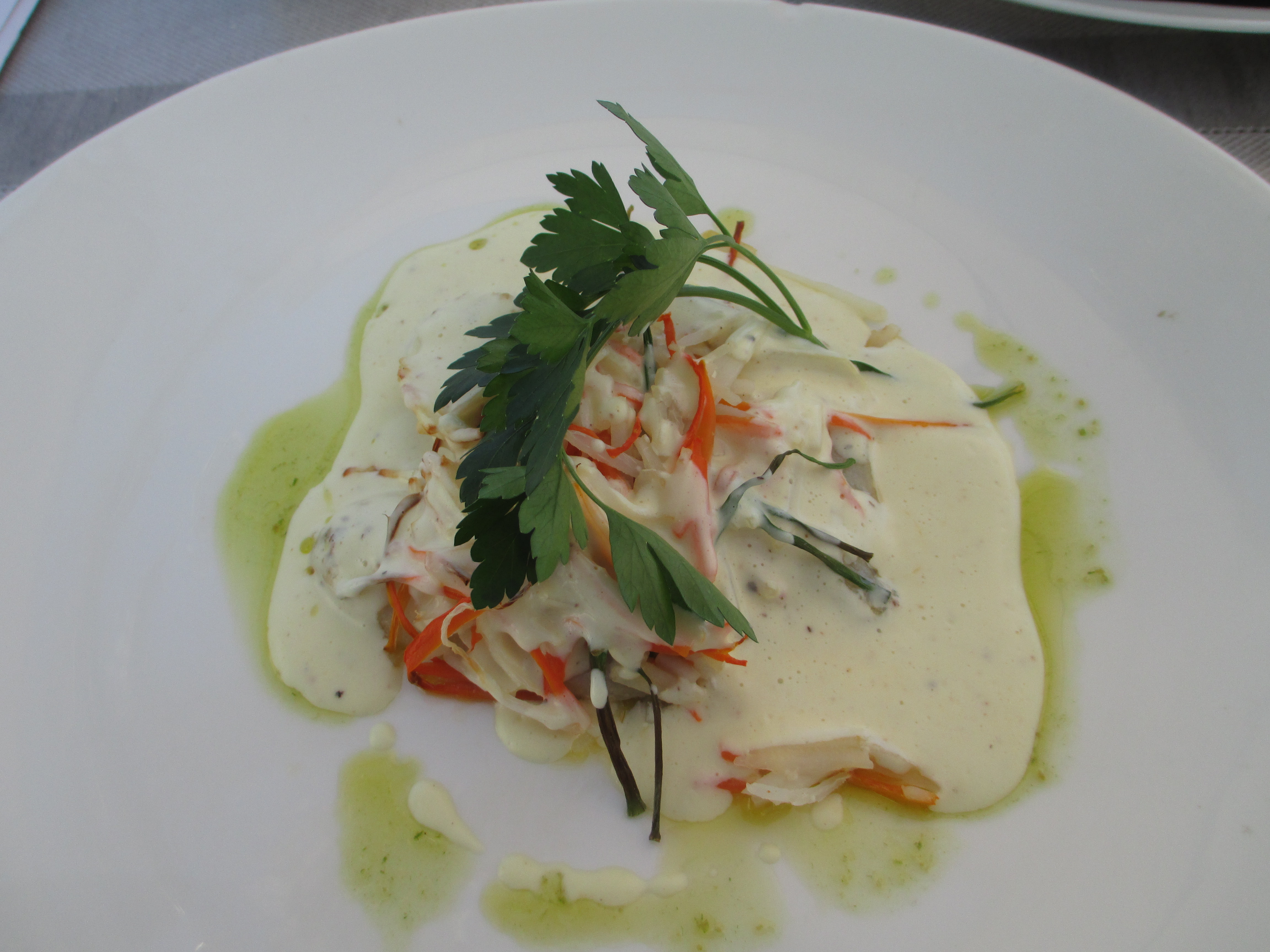
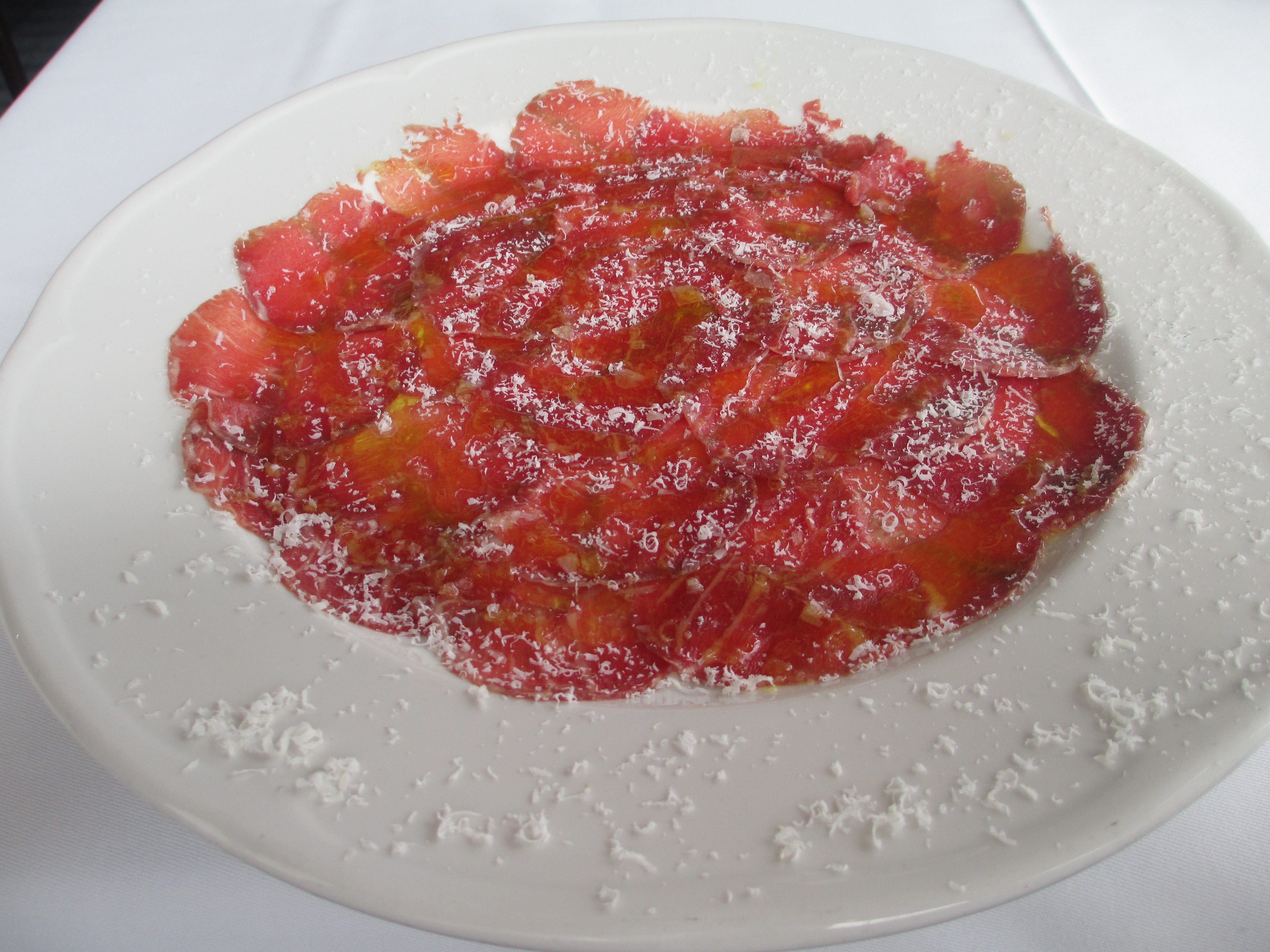
Carpaccio: El Bodegon de Pepe

Carpaccio: El Bodegon de Pepe

IMG_0457

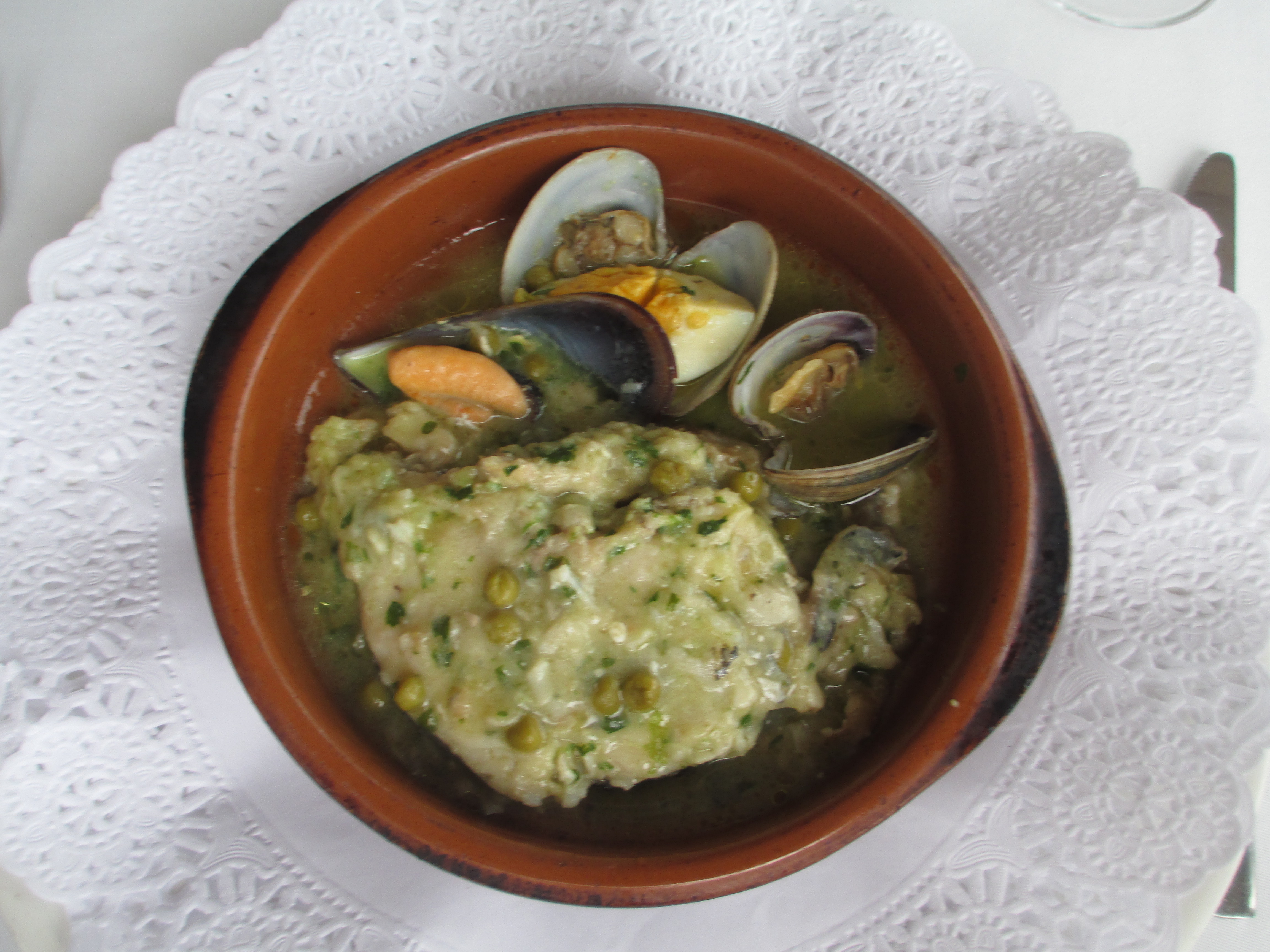
Fish with mussels and clams

IMG_0606

Tapas at Playa Fronton

IMG_0481

Door on Carrer Sol

IMG_0464

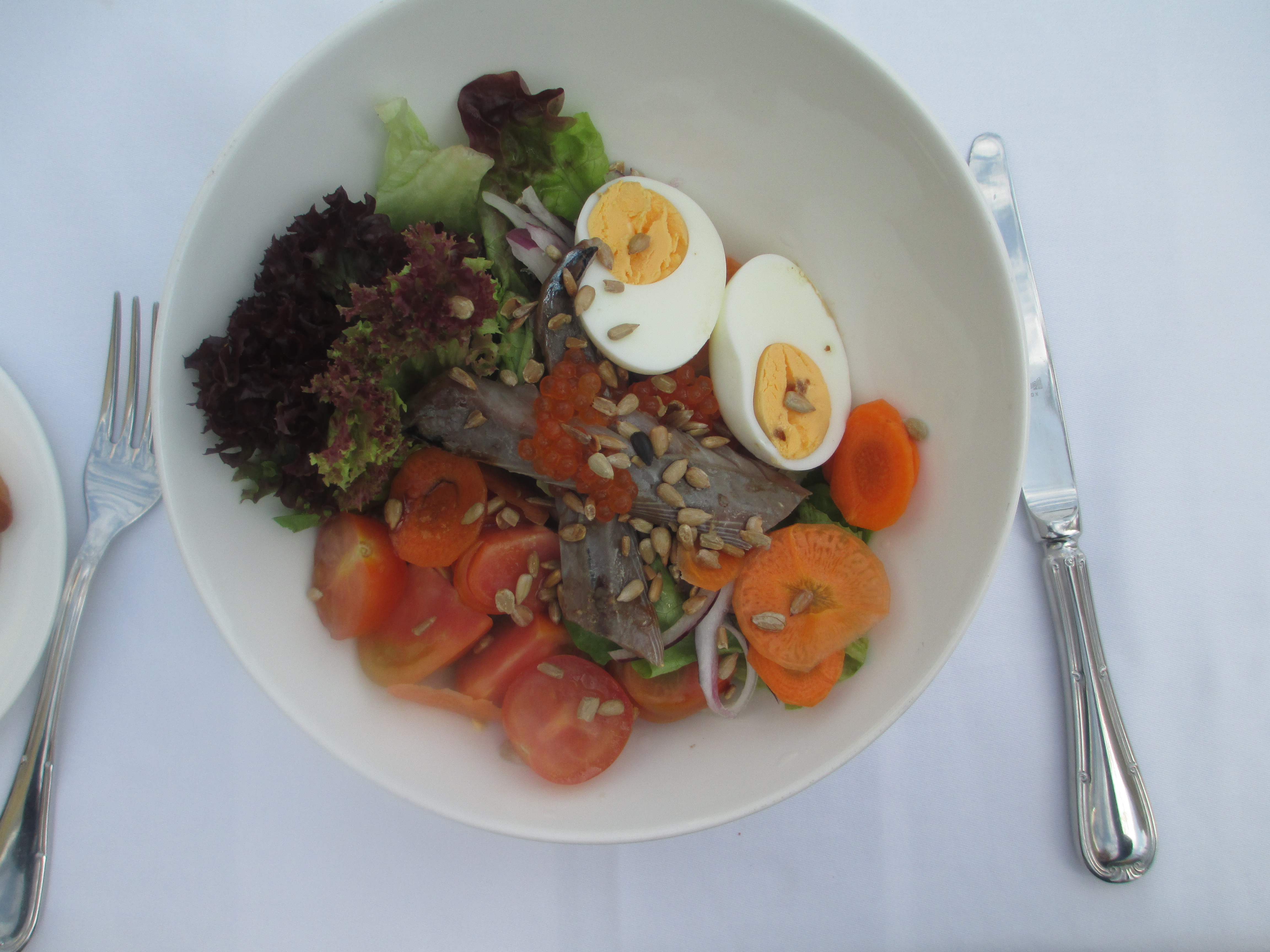
Ensalada mixta

IMG_0506

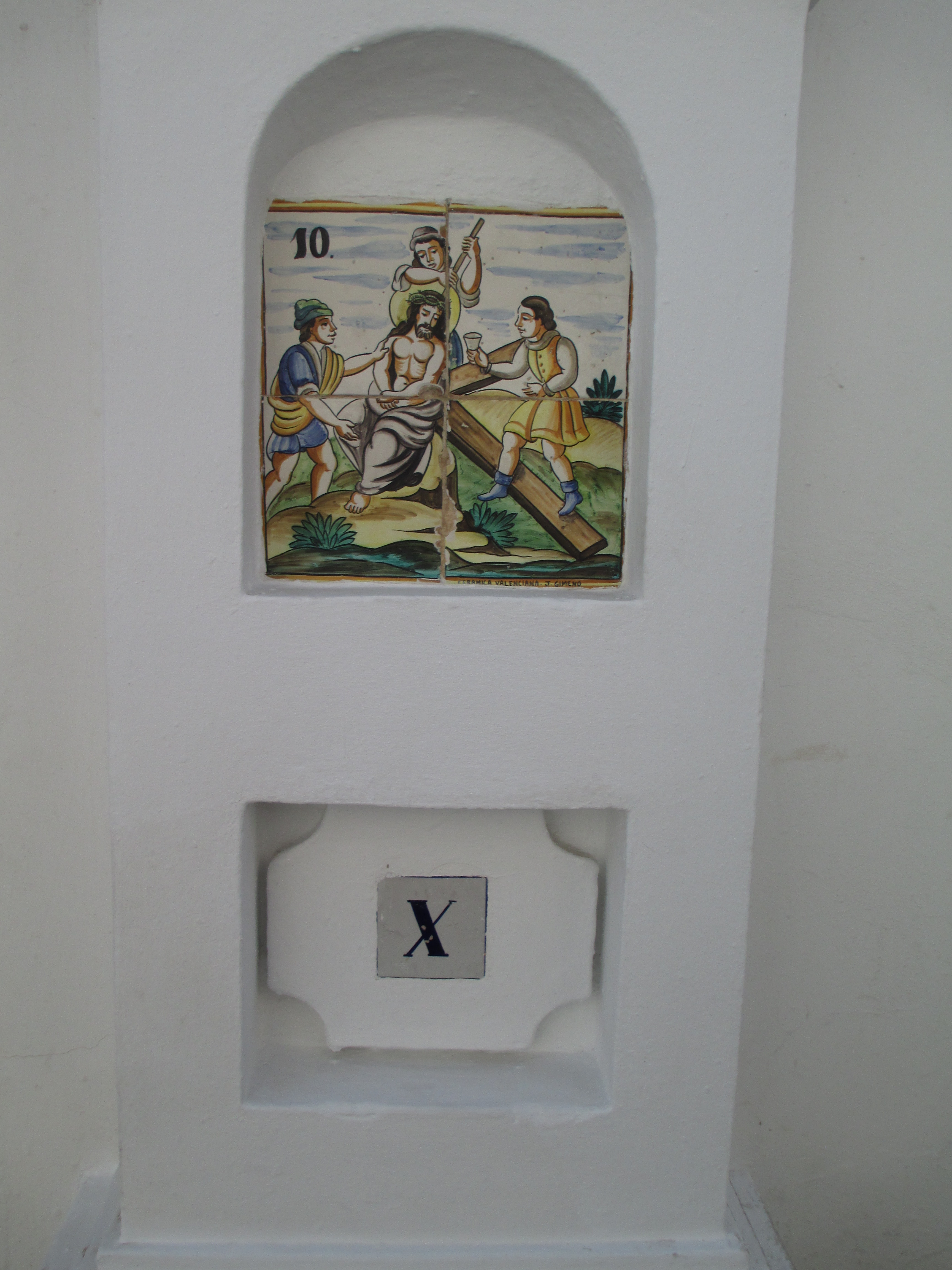
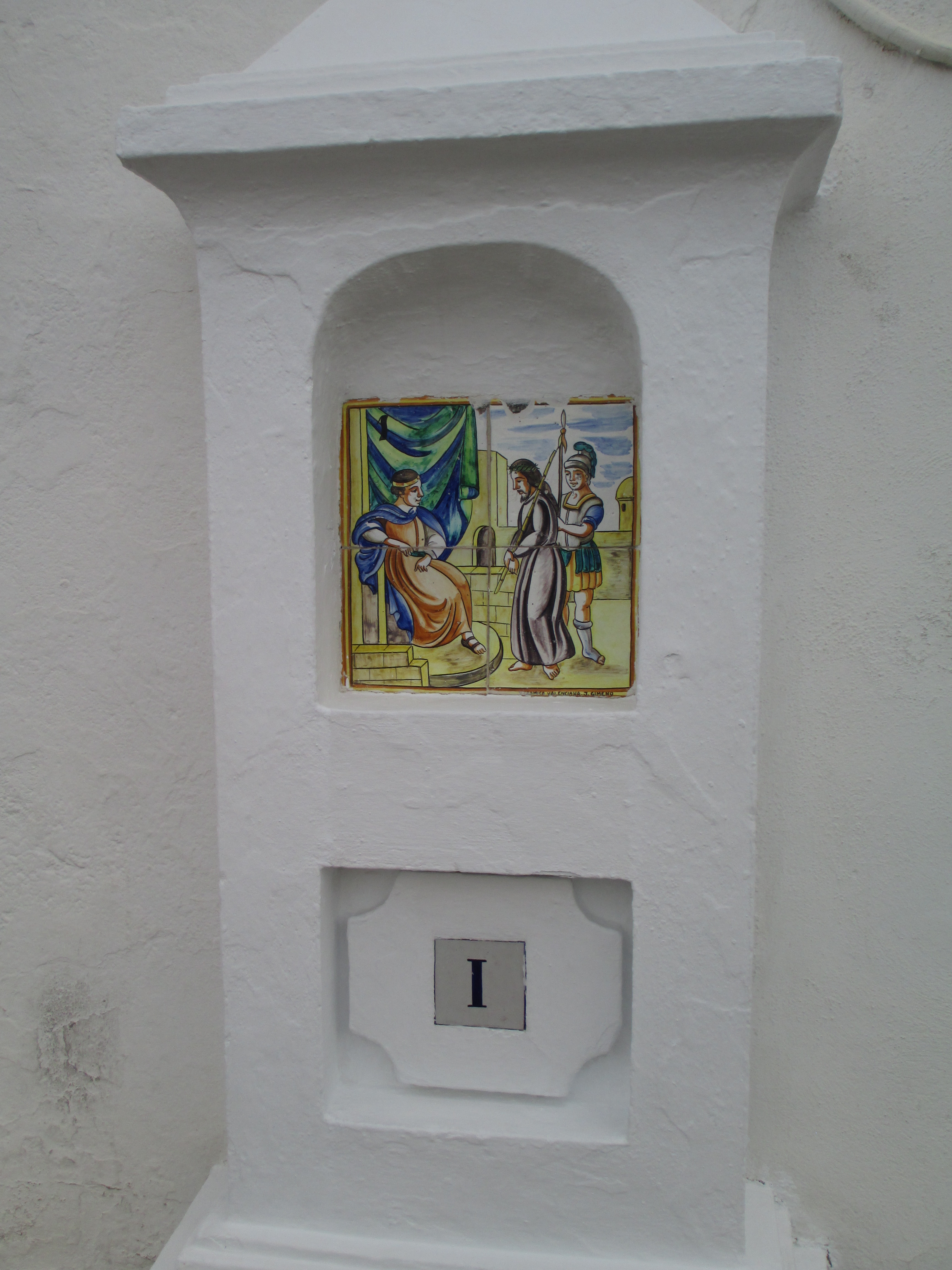
First station of the cross

IMG_0635

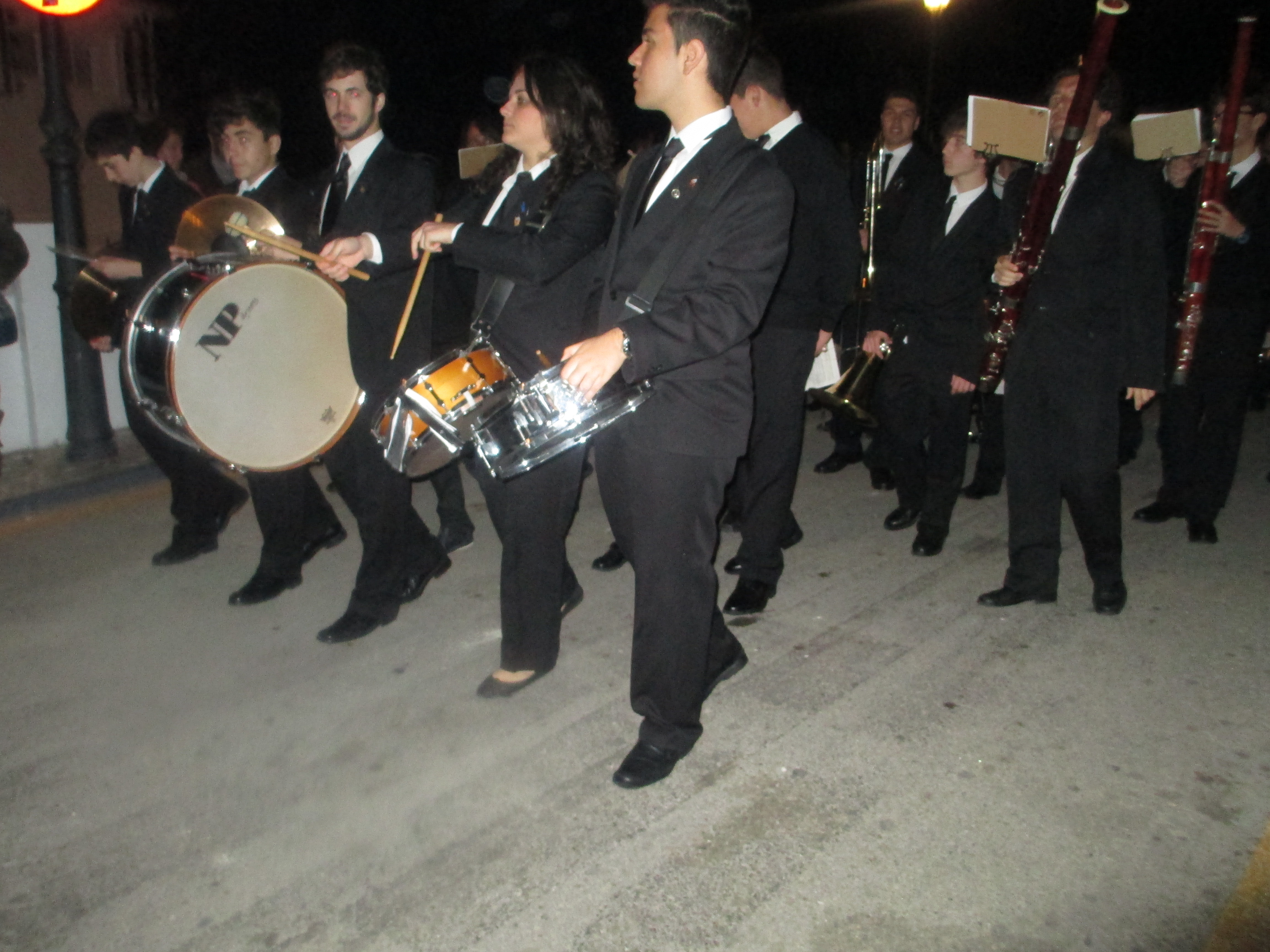
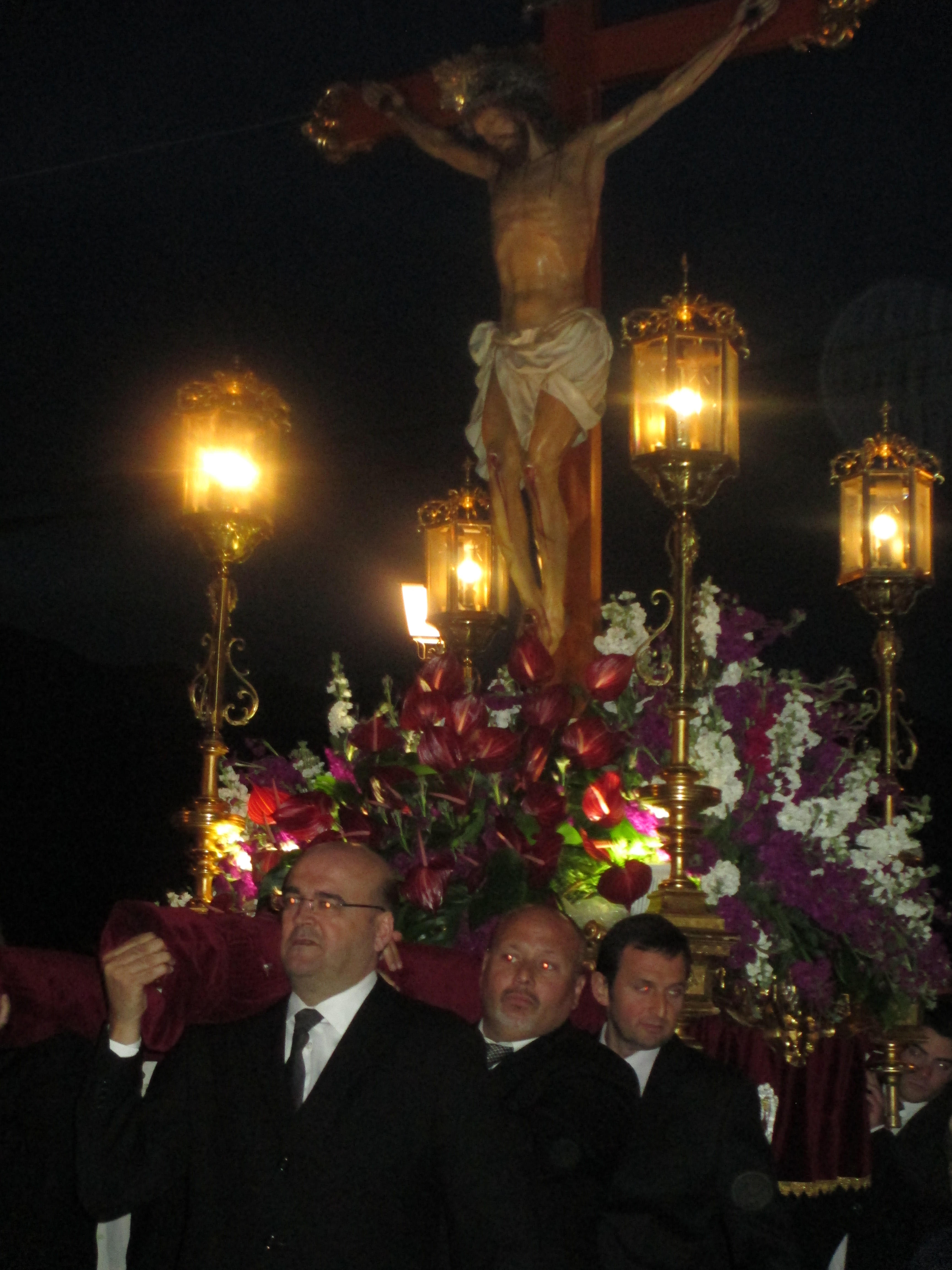
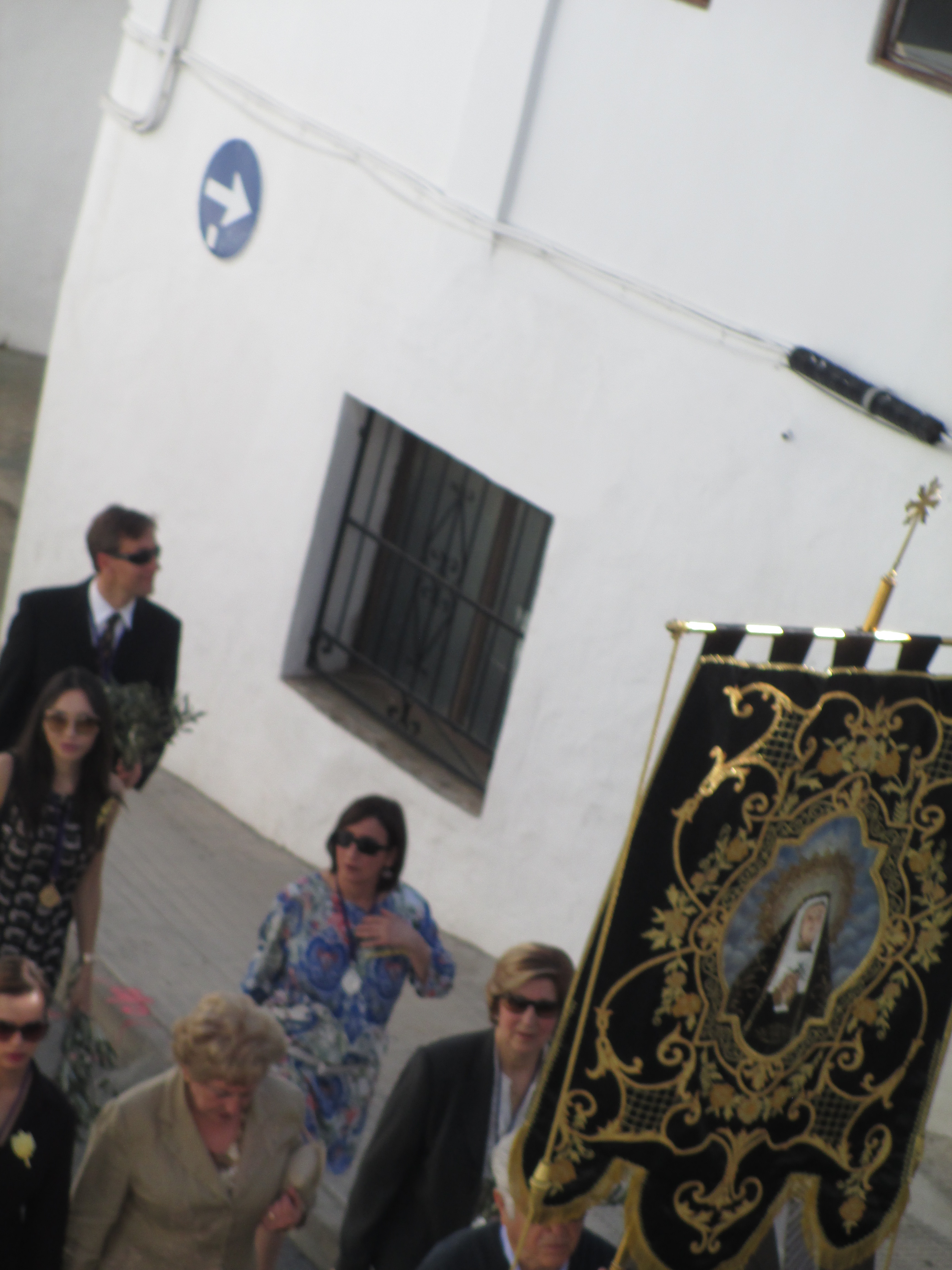
Part of Palm Sunday procession from my apartment window

IMG_0468

El Castell pizza: best in Altea

IMG_0610

View of Casco Antiguo from my friends’ Barry and Karen’s apartment


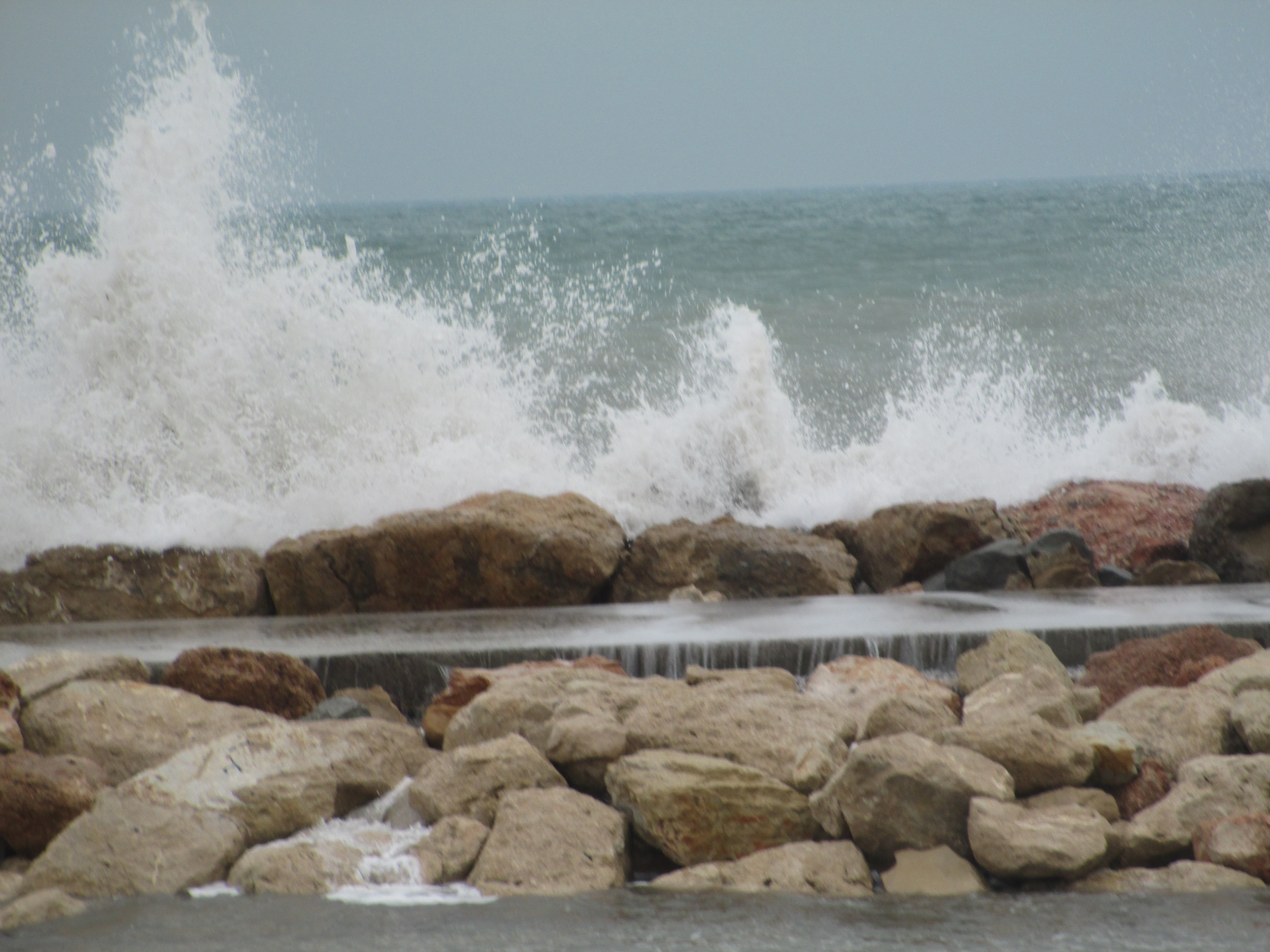
High waves on windy day

High waves on windy day

Food photos from Altea Spain

22 Mar
IMG_0422

Flowers at market


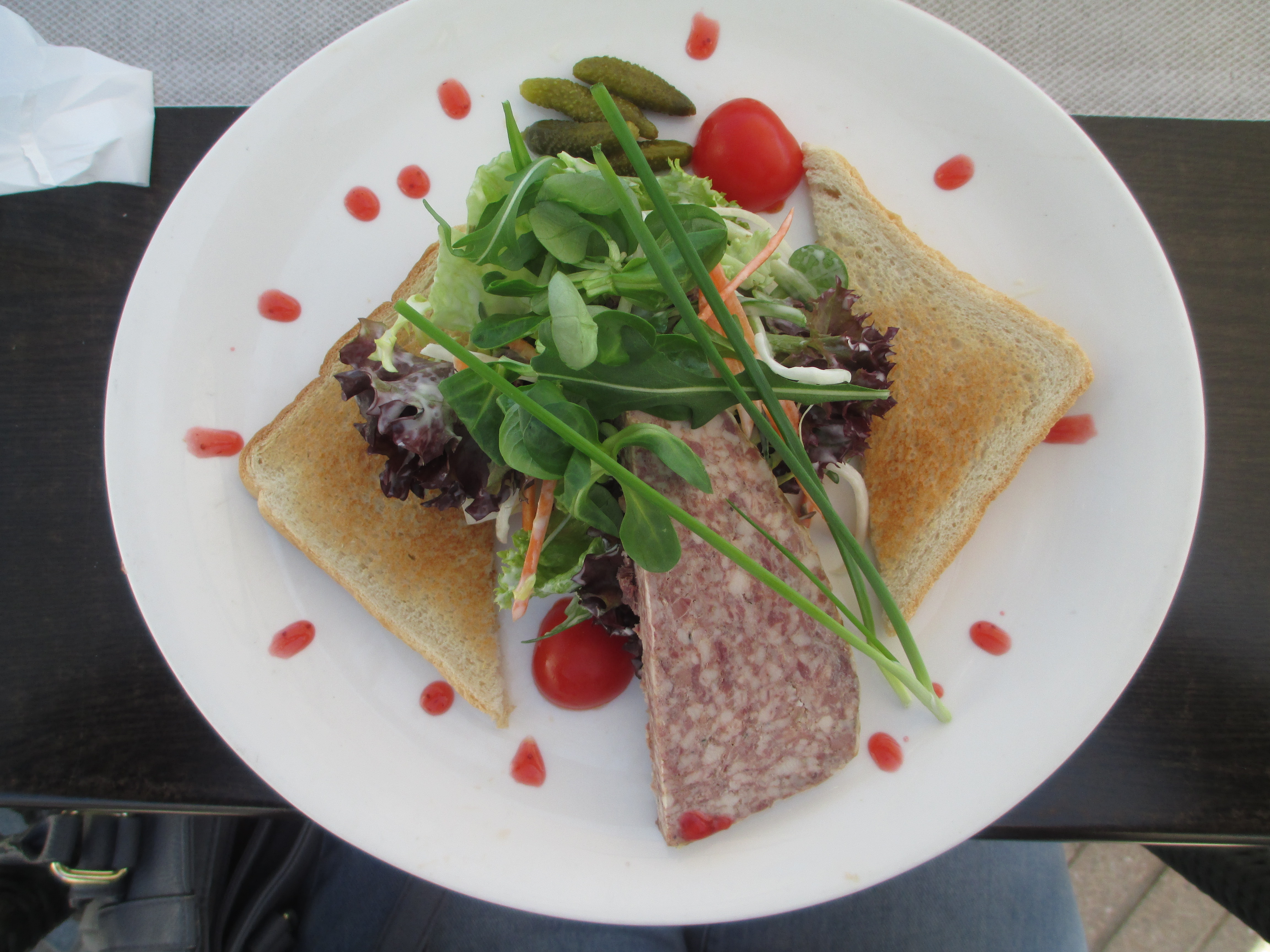
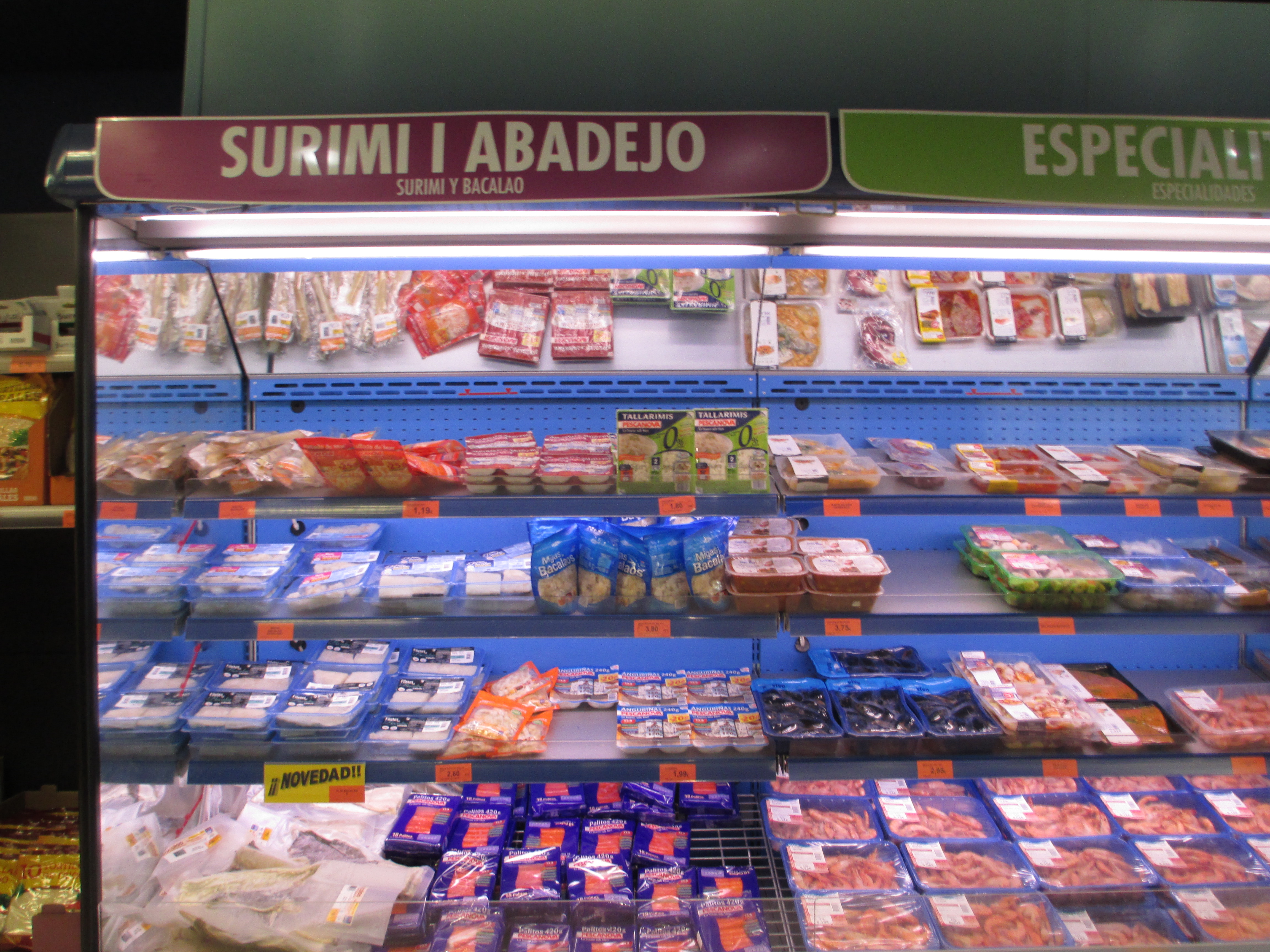
Spain is well-known for its culinary excellence, but perhaps less well understood is how regional the food is. For example, when we were in Toledo, the offerings included suckling lamb, suckling pig, quail, partridge which are available in that area. Here in Altea, located in the province of Valencian on the coast of the Mediterranean, the focus is naturally on fish, seafood and the bounty of local fruits and vegetables. There is a significant presence of typical French fare including baguettes, crepes, and pate, and Italian items including pasta and pizza. In this post, I will feature photos of some of the local products including from the weekly farmer’s market and local supermarket.

IMG_0431

IMG_0425

IMG_0429

IMG_0428

IMG_0433

IMG_0432

IMG_0435

IMG_0441

IMG_0438

IMG_0437

IMG_0376

IMG_0381

IMG_0375

IMG_0373


Party…Spanish style!!

19 Mar
IMG_0447

Party paella being prepared

Yesterday was a stellar day in that I was invited to the birthday fiesta of the “novio,” (boyfriend) of my good friend, Carmen, whom I have known for about a year. She came to Altea about a year ago, and now lives with Pepe in the adjacent town of La Nucia. Since La Nucia is slightly inland, the houses are more likely to be single-family detached homes, often on large plots of land in the undulating countryside which harbors fruit trees and other vegetation, horses, and other scenic pastoral sites. Although very close to my town of beachside Altea, it has considerably different feel.

Since I (proudly) no longer own a car, Pepe picked me up and drove to his “estancia” (ranch.) En route, he explained that he lived in Altea when he was young, but has been living in La Nucia for 40 years. Upon arrival, he gave me a tour of the house, outbuildings which housed two separate barbecues, and many fruit trees. I laughed as I recognized that the blue granite counters he had in his kitchen were the same as I had installed at my former house in California.

IMG_0445

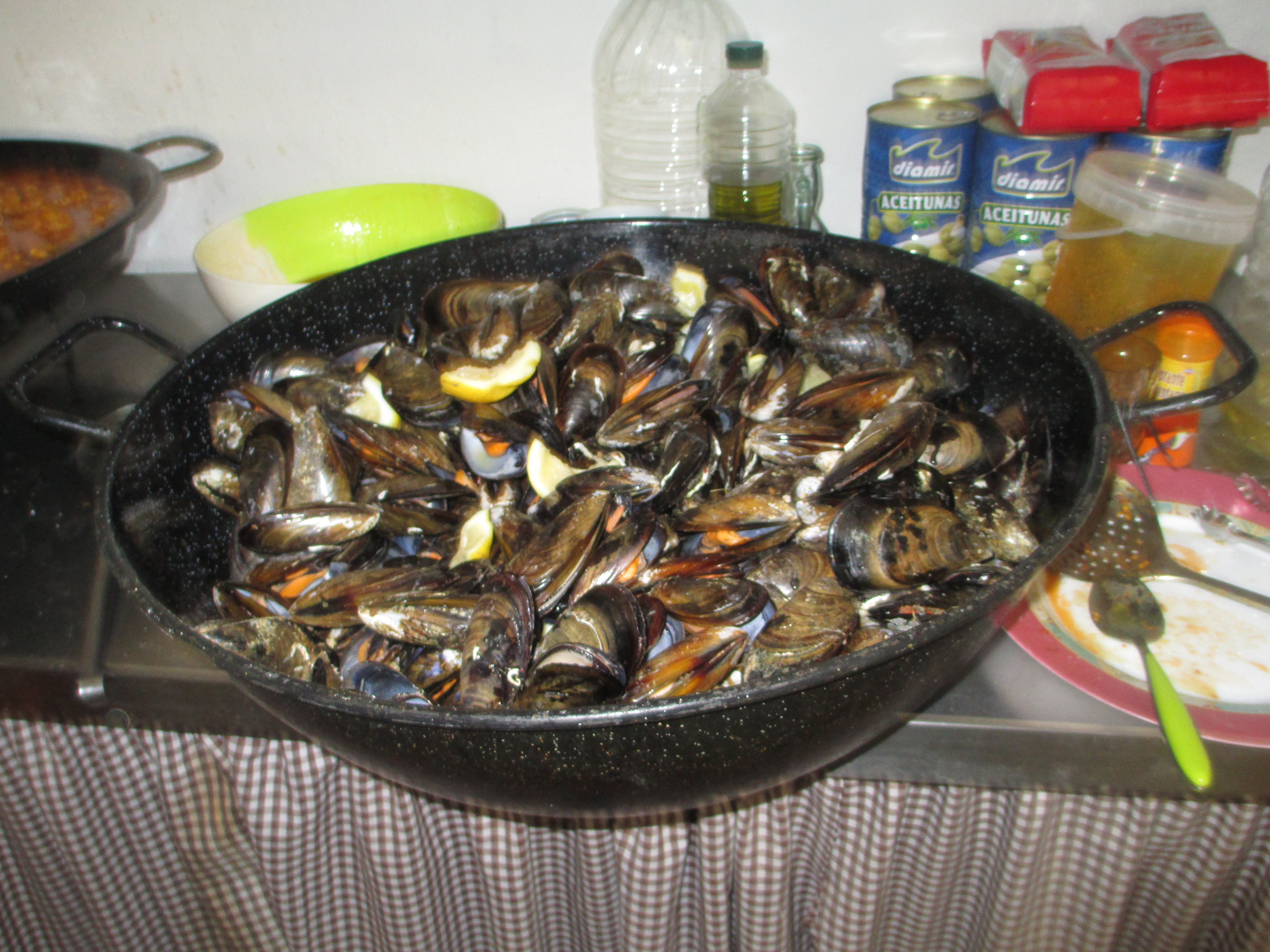
Mejillones (mussels) being cooked

Carmen, who is Cuban, was busy cooking dishes from her nascent land, including rice with black beans, pork (which had incredibly crispy delicious skins), and “tostones” (fried plantains.) Although I am not usually a fan of plantains, these were excellent. I watched as she pounded them a little flat and then fry them in oil. I rescued one batch from burning when she left the room to greet some newcomers. The following day (today as I write this,) when we spontaneously met for lunch and I told her how much I liked them when I usually don’t, she said she first soaks them in vinegar.

After her cooking creations were bundled for transport on party day, we took the short drive up the hill to the large outbuilding where the fiesta was to occur. Typical of this area, were two huge pans, one of paella and the other of mejillones (mussels) being expertly prepared by two local women. Paella, after all, is originally from Valencia, and Altea is part of the Communitat Valenciana (as they say in the local Valenciana dialect.)

IMG_0444

Carmen helping with the party preparation

Of course, there were the typical cheeses and cured meats available, with loaves of fresh baguettes (as common here as on my many trips to France,) free-flowing wine and beer. With the mussels and paella, several large mixed salads lightly dressed were served in the middle of the lengthy table.

The promise of Cuban music for dancing was frustrated by the lack of cooperation of the equipment brought for that purpose, but Pepe backed up his car to the large open doors of the building and cranked up his Cuban tunes. Rei, a local salsa teacher, got (almost) everyone up shaking their groove things. The multi-cultural assembly including locals, Columbians, Cubans, a Norwegian and others made for a great experience including the chance to practice my Spanish and find new dance friends for the weekly Sunday Cuban/salsa music at Club Cuba in nearby Albir.

Toward the end of the birthday party, they served what was the best dessert I have ever had, and even one of my best desserts ever (although I am not much of a sweet eater.) It was vanilla custard between layers of thin, crispy puff pastry like a mille-feuille (Napolean) but with fresh fruit on top.IMG_0450 As it was time to leave, leftovers and lemons from Pepe’s trees were offered to take home. I was driven home with my large, gorgeous lemons in hand, feeling utterly happy with my new life in Spain. Unfortunately, my photos do not reflect the full revelry of the day as my camera battery crashed but what few I got are shown here.

More Food Porn from Altea Spain

15 Mar
IMG_0304

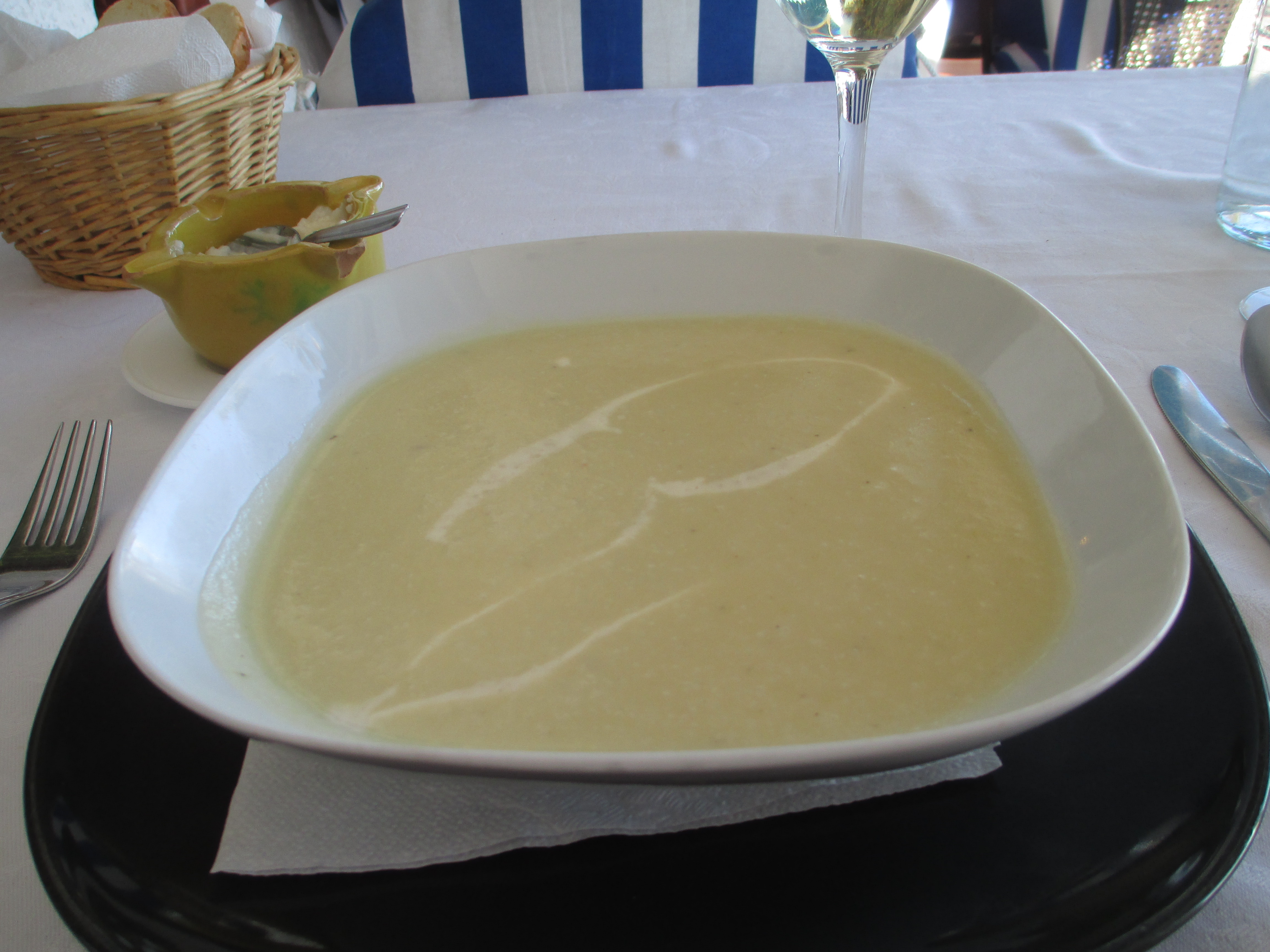
Sopa de puerros (leek soup)

IMG_0338

Paella con bandas (paella with calamari)

IMG_0337

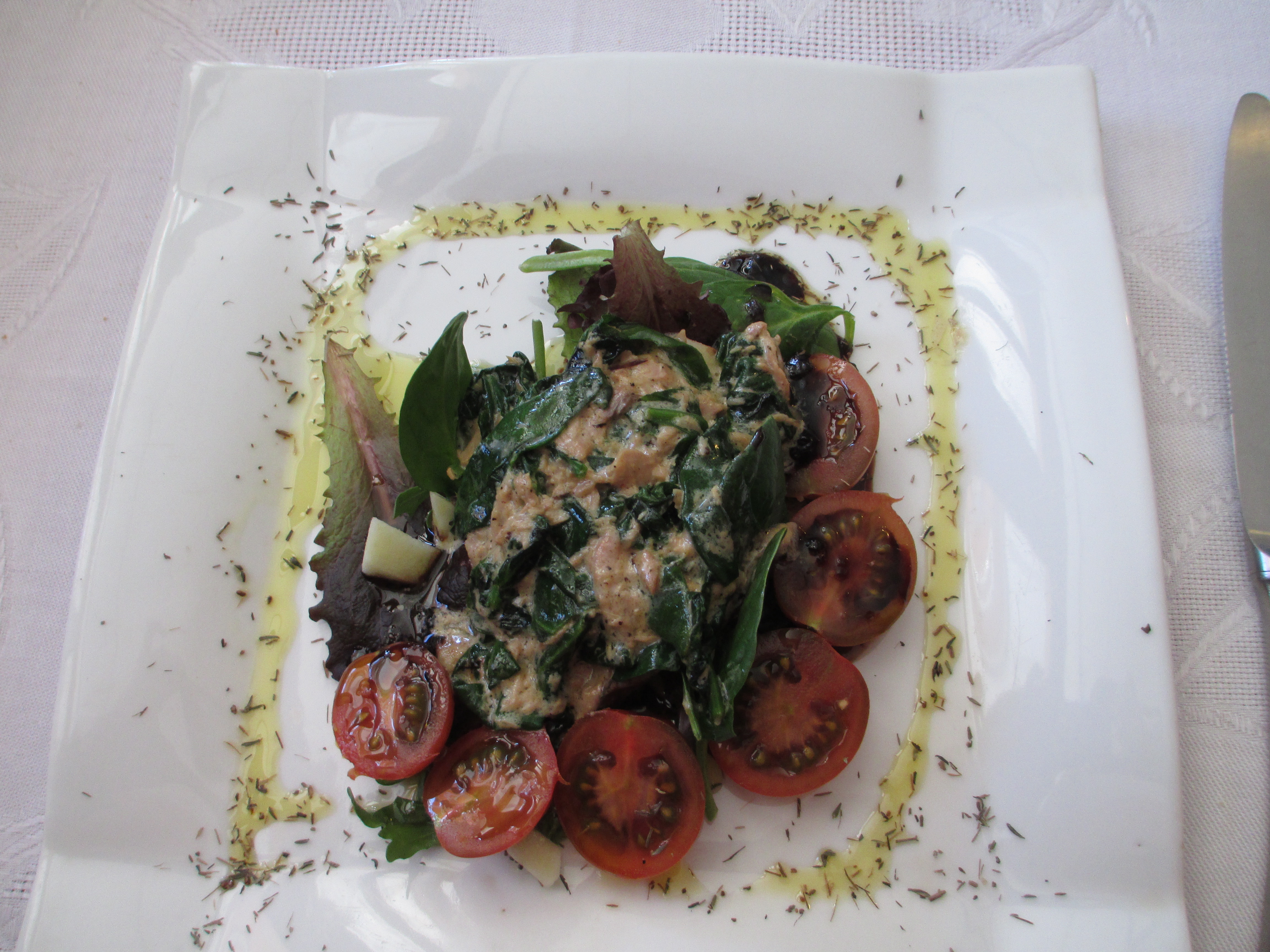
Enselada de tomates (salad of tomatoes)

IMG_0335

Almejas marinera (clams mariner-style)

IMG_0371[1]

Alcochofas a la parilla (grilled baby artichokes)

IMG_0370[1]

Enselada de puerros con jamon (Leek salad with ham)

IMG_0367[1]

Tripa en salsa (tripe in sauce)

IMG_0354[1]

canonigos, huevos con queso y jamon (cononigos (round green leaf herb), eggs with cheese and ham). Also typical bread served with grated tomato with olive oil

IMG_0357[1]

rabo de toro (oxtail)

IMG_0398[1]

pan y alioli (bread with Spanish version of aioli which has no egg). Note the container for the alioli can also be used as an ashtray. More about that on my humorous look at rules for smoking in Spain to be posted soon.

IMG_0400[1]

Chopitos (fried small baby calamari)

IMG_0403[1]

lenguado meuniere (sole meuniere)

IMG_0408[1]

Sole meuniere “after.” Don’t be afraid to tackle eating or cooking a whole fish!

IMG_0409[1]

Flan (a rare time I ate dessert)

IMG_0330

It was a dark and stormy night…