Archive | Culture RSS feed for this section

Toulouse Travel Tips

20 Aug

Capitole Plaza, my hotel on the right

Living in Spain provides me the luxury of being able to travel to nearby places, like Europe and Africa, at very inexpensive costs. I initially explored the idea of travelling in central Spain this August, but it was too hot, and then Prague and Budapest, but the direct flights from where I live were not available in August. Preferring direct flights, which have a decreased chance of delays, I explored other options and decided to go to Toulouse and nearby Carcassonne, which are at the base of the Pyrenees in southern central France, not far north of Andorra. The flight is only about an hour each direction, which cost me €61 each direction, and €72 round trip for my small dog, who traveled in the cabin under the seat in front of me. I spent a week in the Toulouse area.


Typical building

Toulouse is the fourth largest metropolitan area in France, and the Occitanie area (formerly Languedoc-Roussillon) in which it and Carcassonne are located is the largest geographical region in France. Toulouse is known as the “pink city,” due to the many buildings made of pink stone and bricks. It is a walk-friendly city with distinct neighborhoods, which are the types of large cities I favor. When I first arrived, I stayed for three days at the Grand Hotel Opera, centrally-located on the large Capitole Plaza. It was a good starting spot, with cafes and restaurants serving drinks, snacks and higher-end cuisine. I do not like shopping, but there were a variety of shops/stores on or near the plaza, surprisingly including a number of U.S. stores like Sephora and Foot Locker, and other popular European stores.


Before I arrive at vacation destination, I try to get a basic familiarity with the areas and places I would most like to visit. I am a foodie, so I read up on the typical regional cuisine, recommended restaurants, as well as live entertainment. Obviously once I arrive, I get a better feel for the area, and make my plans accordingly, but I leave room for a great deal of spontaneity which can result in serendipitous finds. One such occasion occurred when I walked to the local fruit and vegetable market, where I decided to have lunch at one of the many nearby restaurants. I noticed it was cloudy and looked like it could rain, so I found a restaurant, Le point Gourmet, with a good awning coverage of the outdoor area, and most importantly, good food.  I was too late to get the daily special of duck hearts, fresh from the market, as they were already sold out. But my duck breast, duck-fat fried pommes frites (French fries), and salad were delicious.


Seafood pasta

While sitting at the restaurant and waiting for my food, it started raining. Many of the diners not under cover frantically arose, trying to grab food, beverages and belongings. Most handled it with aplomb and humor, but one family where I was dining, got into an argument with the owner, which became quite heated. After they diners left, the French owner, who spoke very good English, (I only speak English and Spanish), said the three patrons were blaming him for the rain, and he replied he was not God. He correctly mentioned that there was only a brief rain, and the patrons nonetheless said they would not pay for the food. There was some more heated discussion, with their continued verbal attacks and complaint about their mother being disabled, to which the owner said his wife, who was still working long hours at the restaurant, had cancer. They finally left. The owner then told me the following story: “God made France, with beautiful landscapes, oceans, vegetation and so on. When he finished, God said, France is perfect, everything. It is too perfect, so I am going to put French people there.” Hilarious!


Salade Gourmande

The food in the Toulouse area is regionally-based, as is common in Europe. They are famous for their cassoulet, foie gras, sausages, many types of offal (veal kidneys, gizzards, hearts, and sweetbreads), fantastic variety of cheeses, predictably delicious bread and baked goods. Most places offer quality, affordably-priced prix fixe menus, not as inexpensive as where I live in Spain, but far cheaper than you would pay for comparable food in the U.S. Also, the regional wines are excellent, usually inexpensive, and frequently available in varying amounts like 15 ml, 50 ml, and 75 ml (respectively, a glass, a little more than a half bottle, and a full bottle.) For those who live in Spain, Toulouse does not cafés on every block or even several on every block like there are in Spain, which I realized when I looked for a place to duck into when it started to rain.


Statue Joan of Arc

The other thing I did not anticipate were the operating and closing hours for businesses, with many shops closed either in the afternoons or early in the evening, and also many places, including restaurants, are closed on Sundays, holidays and during parts or all of August.  I failed to check the holiday schedule before I booked my vacation, only to learn that there was a religious holiday, Assumption Day, in which many businesses were shuttered.


The Toulouse and greater Occitanie area offer numerous entertainment and outdoor activities. In Toulouse, there are the expected ancient and historical buildings and museums. There was a jazz concert series during the summer featured such icons as George Benson and Wynton Marsalis. The Garonne River and Canal du Midi offer great spots for events and leisure. There and in the Montagne Noire, nearby mountain range, offer opportunities for outdoor and physical activity enthusiasts. Winery tours in the region is another popular and easy day trip from Toulouse. Toulouse also boasts Europe’s largest space center, which also offers venues oriented toward children.
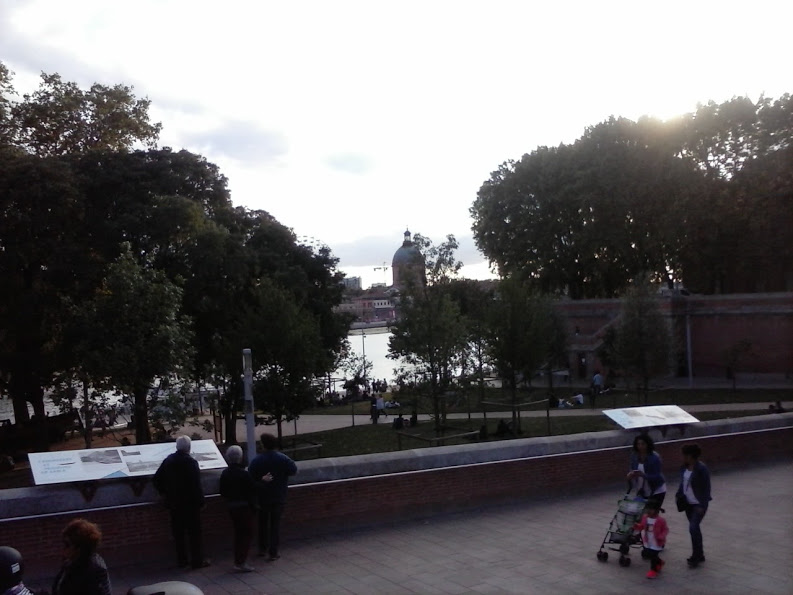
 

Garonne River

After my first three days in Toulouse, I took the short 45 minute train ride to the walled city of Carcassonne, where I spent the night, at the fabulous 5-star Hôtel de la Cité and ate at their Michelin-star restaurant, Barbacane, which I will write about in a subsequent blog post. I also plan to share my restaurant reviews from Toulouse which I will publish on TripAdvisor: they recently reported I have over 100,000 readers of my reviews!

Favorite and Unique Foods in the Costa Blanca Area of Spain

23 Jul
fresh fish and fishmongers

Fresh fish and fishmongers

Being a foodie and lover of nearly everything from the sea, I feel like I am living in food paradise here in Altea, which is on the Mediterranean in the Costa Blanca area of Spain. I previously spent time with a friend, originally from the city of Valencia, just an hour north of Altea. She always provides interesting cultural and historical information about the area.


We went to the old town area of Benidorm for tapas, also known as pintxos. I must add that Benidorm is a place I usually avoid, as it is known for drunks, bad behavior, crazy “hen” and “stag” (in the U.S. known as bachelorette and bachelor parties), exotic dancers, legal prostitution, and mediocre entertainment. However, there are a few redeeming activities, including the tapas spots in the old town, many of which are similar to those in San Sebastian, a culinary delight which boasts the most Michelin stars per square meter, and three of Spain’s three star restaurants out of a total of seven. Like any touristic spots, it is easy to end up in a place with mediocre food and poor service. That is where a local friend can be helpful.


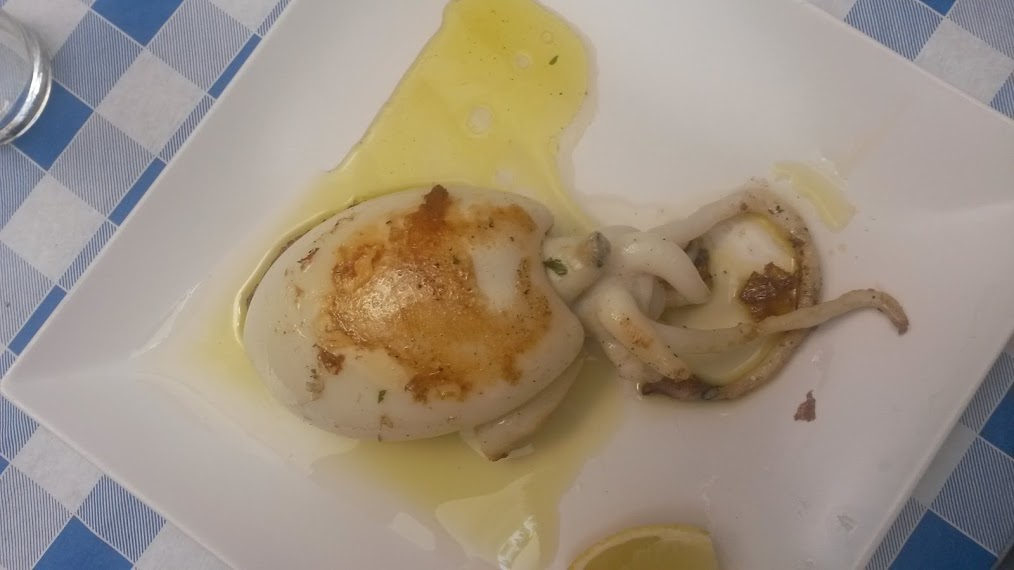
Sepia

Sepia

We started at a parallel street to the main tapas alley, where we enjoyed a small glass of wine accompanied by a simple, but tasty tapa of orejas fritas (fried sheep ears) for only 1€. We then moved on to the main tapas alley restaurants. My friend explained the specialties of each. One featured suckling pig and suckling lamb, common to areas of central Spain like Toledo, south of Madrid. (No hate mail please.) My youngest son and I are big fans of sepia (cuttlefish, similar in texture to calamari “steaks”) and small fried octopus legs (rejos,  which have a similar texture and taste to calamari rings and tentacles.) While in Benidorm we ordered huevos de sepia, (eggs of sepia.) Obviously, not every tapa appeals to everyone, but it is fun to go with friends, and share various tapas, including ones never tried before.


Besides the omni-present many varieties of regional Spanish jamones (hams) and delicious cheeses available throughout Spain, each area of Spain has its own specialties.

Party-size mejillones (mussels)

Party-size mejillones (mussels)

Even travelling only a half hour inland, one will find different local specialties. Rabbit is popular in my area. There is a dizzying variety of fish and seafood. After a year, I am still struggling to learn the names of all the fish, and shellfish. For example, there are many varieties of bi-valves, not just mussels and clams, but many types of each of them. The specialty seafood markets and even the regular grocery stores have an incredible amount of fresh stock, with fishmongers ready to prepare them to your specifications. You won’t see any fresh fish which is already fileted. Another unexpectedly delicious find was gulas also known as angulas (baby eels) which have the consistency as thick spaghetti with a seafood taste, They can easily be prepared with shrimp, garlic and abundant olive oil (after all, Spain produces the most in the world) and baked for a short time. They are also used in many other ways including salads and toppings for tapas.


Gulas (baby eel) and shrimp

Gulas (baby eel) and shrimp

Squid ink pasta or paella are delicious if you like that inky seafood taste. I find the black color to be an inviting, unique experience. On one occasion, when my son and I were at an outdoor venue for salsa-dancing, we ordered the paella negra with seafood. I was surprised that of the 15 or so fellow dancers sharing our table, ex-pats who now live here, none had previously tried it. After a first cautious bite, each of them dug in for more.


Paella is a Spanish dish originating in Valencia, so there are many choices of types of paella from which to choose, although there is only one traditional type according to the hardcore, which consists of rice (typically bomba), green beans, rabbit or chicken, snails, saffron and other seasoning cooked in a shallow pan. Other popular local paellas include paella negra (squid ink previously mentioned), verduras (vegetable), a la banda (with squid rings), and mariscos (seafood.) However, there are many iterations of paella, including but not limited to arroz meloso (a slightly moister rice dish) and arroz caldoso (a soupier rice dish.) It is not unusual for a restaurant specializing in rice dishes, an arrocería, to have 10 to 20 rice dishes.


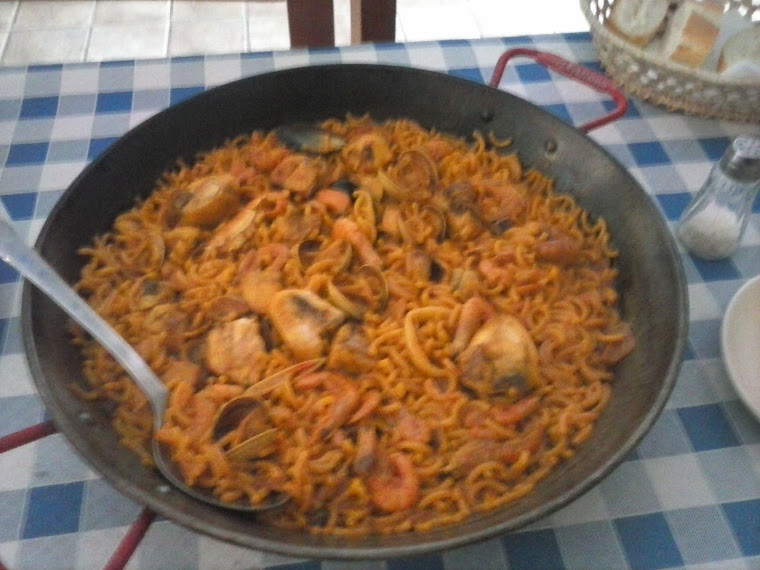
fideuawithrabbitandseafood

Fideua with rabbit and seafood

Another popular dish is fideua, which is a dish prepared similar to paella, but made with small pasta instead of rice. For both paella and fideua, which are freshly made to order, allow at least 30 minutes for preparation. But since this is Spain, your meal is likely to last at least two hours anyway.


Cocido de pelotas (a stew made with “balls”) is a hearty stew with cabbage-wrapped balls made of ground meat, spices and a binder. Homemade, good quality pelotas are widely available at local butcher shops. The weekly local farmers’ market offers delectable, seasonal fruits and vegetables.


Bounty of weekly farmers' market

Bounty of weekly farmers’ market

When I went for pizza, very popular here as in many places in the world, I saw the special topping of the day was “granada.” Although I speak decent Spanish, that word was unfamiliar. I learned it is the word for pomegranate, which actually sounds quite similar. This time of year Valencian oranges are abundant and incredibly cheap, which make delicious fresh orange juice, known here as zumo (not jugo as is commonly used in many Latin American countries.)


While I do love the food here, there are some things I miss that are not readily available here, including Mexican-style corn tortillas; many Asian condiments; spices like sage, allspice, red chili flakes, habaneros or other spicy chiles; and my shameful favorite junk food, Cheetos.


Photo Gallery: Treviso Italy

23 May

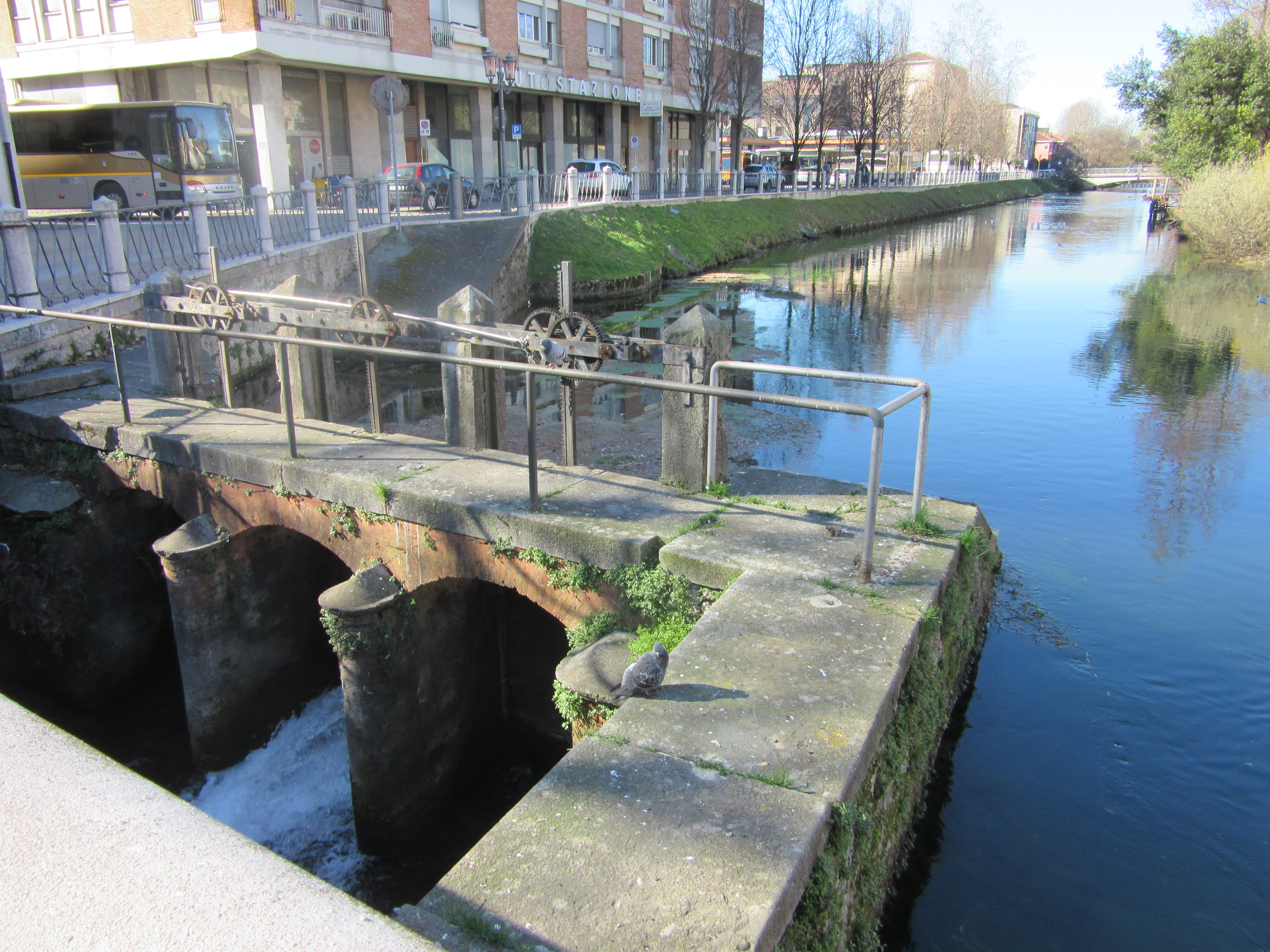
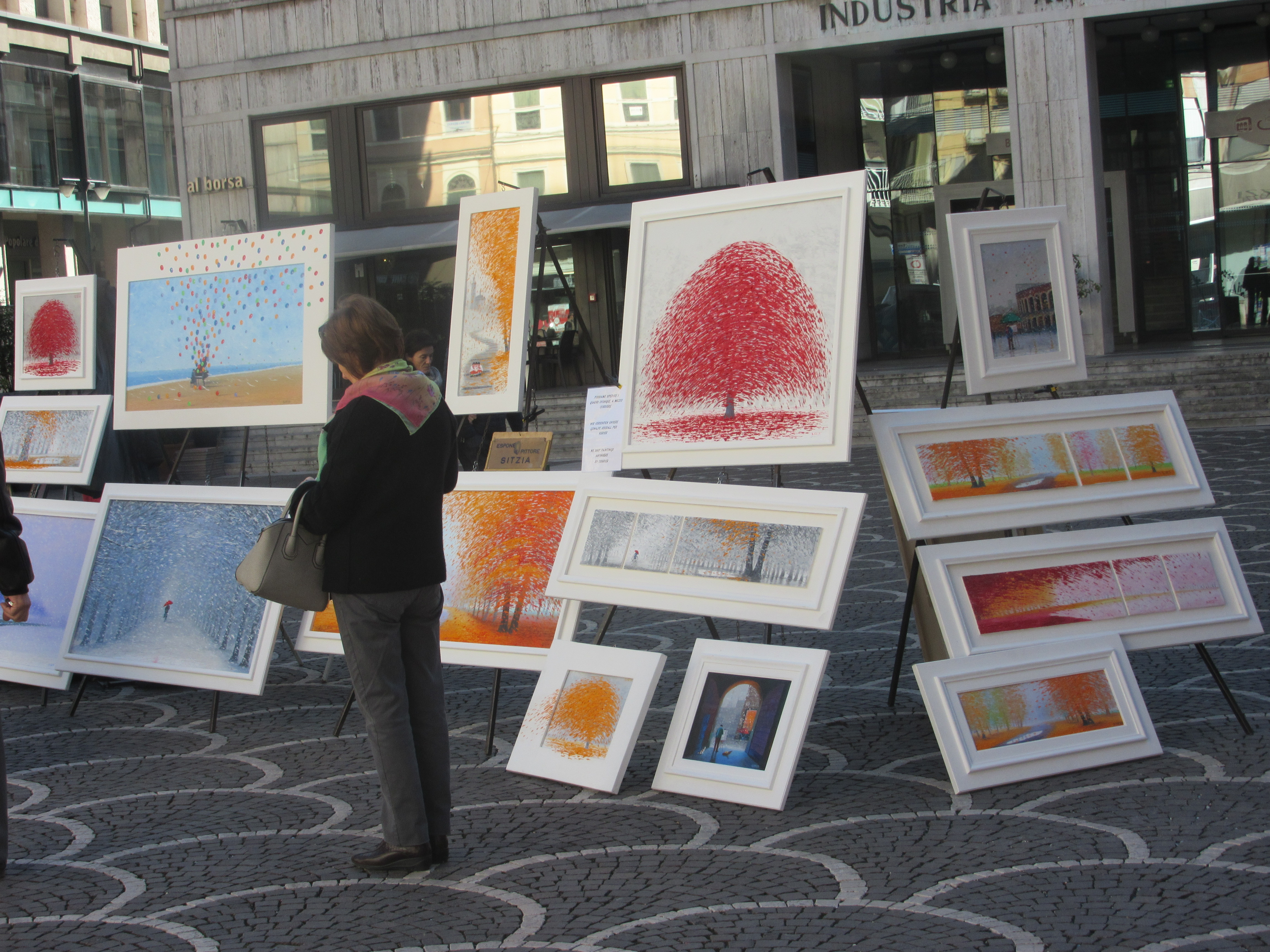
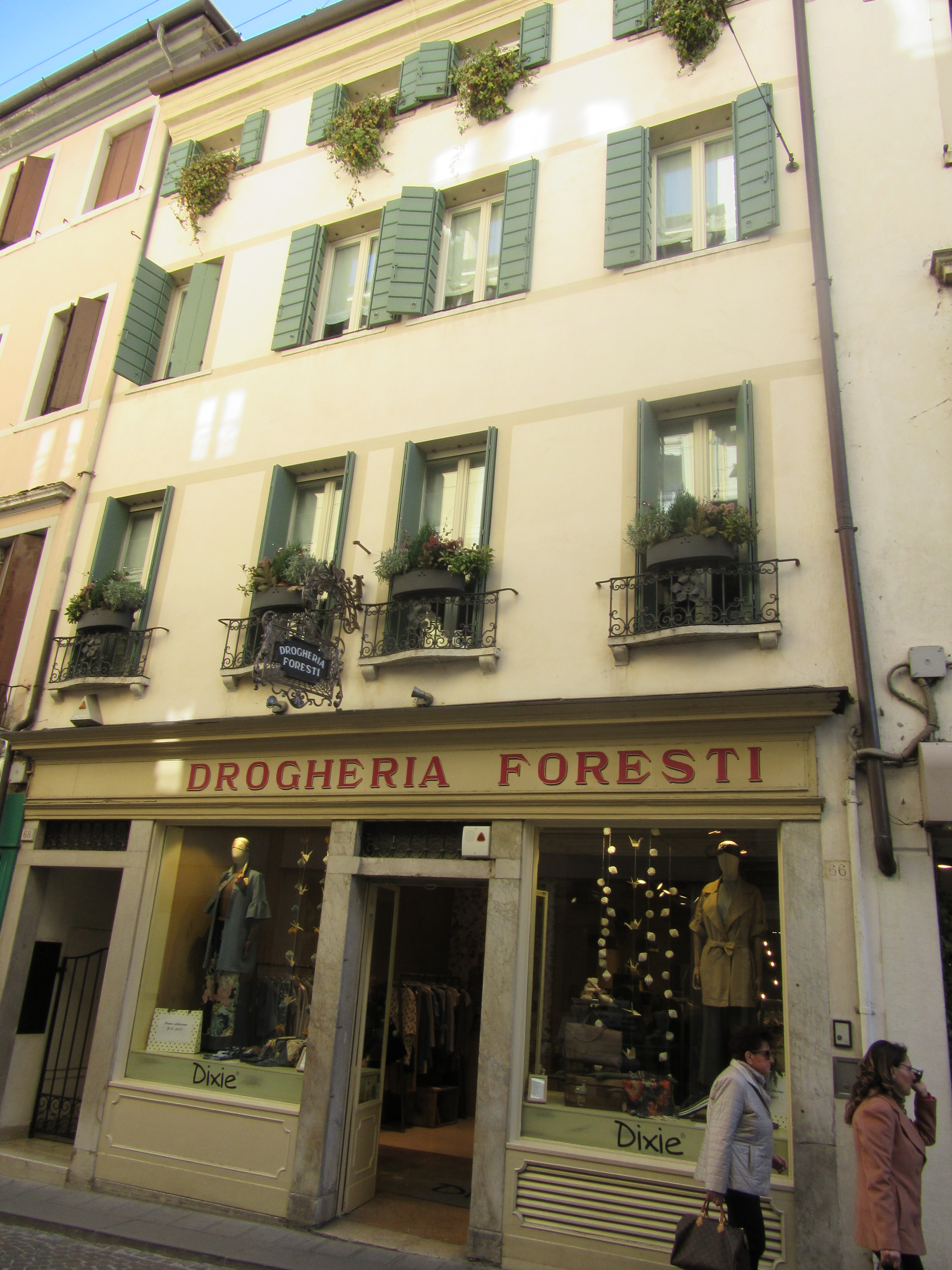
Here are some photos of my recent trip to Treviso, Italy, in the Veneto region, just north of Venice.


Quality, Bargain Travel within Europe

8 May

Water Wheel: Treviso

While I loved my new life as an ex-pat in the lovely Mediterranean village of Altea, Spain, I relish the opportunity to affordably travel to other destinations. For my most recent trip, I went to Venice, Paris, then back to where I live, with all three flights costing only 150 Euros.


There are many low-cost options available for transportation and accommodations. My original plan was to go to central Spain to the historic, beautiful and interesting cities of Salamanca (with arguably the most beautiful plaza in Spain), Segovia (with its intact Roman Aqueduct), and Avila (with its intact medieval city wall), all UNESCO World Heritage Sites. Spain has the second most UNESCO World Heritage Sites, after China.


Piazza San Marco

However, getting to those locations from where I live is not easy to do in a timely manner via train or flight. I did not want to rent a car or take ride-sharing Bla Bla Car. As I did not want to spend many hours to get to my destinations, I looked at the direct (non-stop) flights that departed and arrived from the two airports closest to me, Valencia and Alicante. Originally I found direct flights from my preferred airport of Alicante to many destinations, and I decided to go to Venice, then Paris, then home to Alicante airport. I also checked for airlines and hotels that accepted dogs, as I initially planned to take my small dog, Pepper. I subsequently decided not to take him because it would preclude us from going to events like the ballet in Paris, or restaurants which have only indoor seating.


Often flight, bus and other transportation schedules within Spain and Europe are not published until a few months before departure. Whereas my initial search found direct flights from Alicante to Venice, when I went to book it, there were no scheduled flights for March, none until July. Being flexible and willing to search for other options can yield reasonable alternatives. I was going to meet my son in Venice on a Sunday in March, and all the flights with more than one leg took a ridiculous length of time. I then found a flight the prior day, a Saturday, to Treviso, which is only a mere 30 minutes train ride to the Venice train terminal for only 3,40 Euros. I decided to get a hotel in Treviso, “The City of Art and Water,” that Saturday and explore the town, which has interesting history and culture. The next day, I strolled around town before heading to Venice. Of course, I had researched, and where necessary, scheduled all the connecting ground transportation for the whole trip. That was not necessary for the train from Treviso to Venice. In Italy, (and some other European countries), after you purchase your ticket, you must validate it in one of the machines on the wall or you risk getting a large fine when they train staff check your ticket.


As private water taxis are very expensive in Venice, as are taxies in Paris, I scheduled them on Alilaguna, a group water taxi for about 14 Euros one way and 25 Euros roundtrip, and Blacklane for a roundtrip private transfer from Paris Orly airport to our hotel in the Plaza Vendôme area for about 50 Euros each way.


One unexpected issue we had on the flight from Venice to Paris on Transavia was just as we got to the staff to present our boarding passes we were told we could only have one carry-on, and that we would have to put any other items including my purse in my carry-on suitcase, which was already stuffed full. I had to throw out a few items in order for my purse to fit. All three flights were about two hours. It was the first time I had taken low cost airlines, and found them organized, and comfortable enough.


We enjoyed stops in historic churches, art museums, live music venues, and public gardens. Included in this article are some of the interesting sites we saw on this trip.


For me, one of the many considerations, albeit not the most major, in making a decision to move to Spain was the ease and cost of travelling to relatively nearby European and African countries.


Affordable Luxury in the Jewel of Spain’s Costa Blanca

17 Apr

Altea

Here is an excellent article about Altea written by my friend, Ted Williams (aka Paul Theodore Williams) for International Living magazine.

Thursday, March 23, 2017

Dear Fund Your Life Overseas Reader,

One of the challenges of moving overseas is selecting the right place for you. Cost of living, climate, convenience, and several other factors will play a big part in your decision.

But when you find the perfect place for you, it’s something you won’t be able to put a number on. You’ll just know it.

Texan native Paul, who tells his story below, is one of the folks who has found his perfect overseas home. Read on, and discover why he’s so taken with this little town on Spain’s Costa Blanca…

Shane Ormond

Shane Ormond
Managing Editor, Fund Your Life Overseas

P.S. If you like the romance and culture of Europe…then Spain is calling your name. It offers sophistication, charm, comfort…and at a price you’d expect to see in Latin America. In fact, it’s the best bargain in Europe today. Uncover the insider secrets to find your ideal Spanish destination in our comprehensive Spain Uncovered Bundle—available this week only at an almost 50% discount. Act before midnight tomorrow and you’ll receive a free report on Spain’s Secret Income Opportunity.

***

Affordable Luxury in the Jewel of Spain’s Costa Blanca
By Paul Theodore Williams

This morning, I awoke to the spotless Altea seaside, refreshed by an early spring shower. These March mornings are cool, and showers are frequent at this time of year, but the afternoons are sunny and warm enough to peel off the jacket.

I took my two dogs for our morning ritual, walking down to the craggy beach just a couple-of-minutes from my home. The crisp morning air is a refreshing and energizing start to the day. As the waves crashed rhythmically against the shore, I began to wake up and turn my thoughts to the day to come.

These mornings, walking the coast in Altea, the jewel of Spain’s Costa Blanca, may feel like part of a vacation commercial. But it’s my normal everyday life, compliments of working as a teacher in Spain.

I teach at a school about seven miles inland from Altea. Is that why I came here? Not really. Teaching, for me, is a means to an end—a way to live life on my own terms. I’m not making a fortune by American standards, but compared to the cost of living, I live comfortably, have a constant flow of disposable income, and get plenty of time off to do what I want.

Coming from Texas, I was used to a lower than average cost of living. However, Altea is even drastically more affordable than that. My first home here was an apartment on the seafront, which I rented for just for $485 per month, with my utilities totaling at about $100 monthly. Since then I’ve met my wife—she was the landlord of that apartment as it happens—and I’ve moved on from that apartment to something bigger.

Fuel is more expensive here but my car gets 45 mpg and we only use it for going to work and our weekend adventures, since the whole town is happily accessible by foot. One stroll through the jasmine-filled streets and you’ll never want to get back in a car again. Fruit and vegetables are at least half the cost of back home and finding organically grown produce is the norm, not the exception.

We both love to cook, but we also love to eat out. For an authentic, traditional Spanish meal, you’ll get a glass of wine, starter, first and second courses, and dessert or coffee for about $11 at lunch and $16 at dinner. A great bottle of wine, that I would expect to cost $20 to $25 back home, may set me back about $5. If I’m watching soccer with the boys I can get a pint of beer for $2.70.

One of the best Indian restaurants in the area, Crown of India, sits on high in the old town with a 270-degree panoramic view of the mountains and coast. They offer a wonderful dining experience for about $20 including wine or beer. But I must admit, my favorite restaurant is a Michelin-star restaurant, BonAmb, in Javea, about 30 minutes away. It’s more expensive than the other restaurants in the area but they bring the essence of the Costa Blanca from land and sea to table with a refined, sophisticated touch.

Here, I’m able to indulge my love of food. My wife and I enjoy frequent outings to enjoy the region’s world-class wineries and artisanal cheeses. My favorite winery close to home is Mendoza in neighboring Alfaz del Pi. The extended four-hour tasting includes a tour of the grounds, and a tasting of eight wines along with locally produced meats, cheeses, and olive oils.

I could live in other towns nearby and live on even less, but Altea is my heaven on earth. To my front, I have the Mediterranean Sea with its calming rhythm; to my sides and back, I have a backdrop of rugged mountains. Together, they form a microclimate that means less extreme highs and lows in summer and winter, while also giving the town a magical light that must be seen to be understood.


Terrorism and Travel

22 Mar

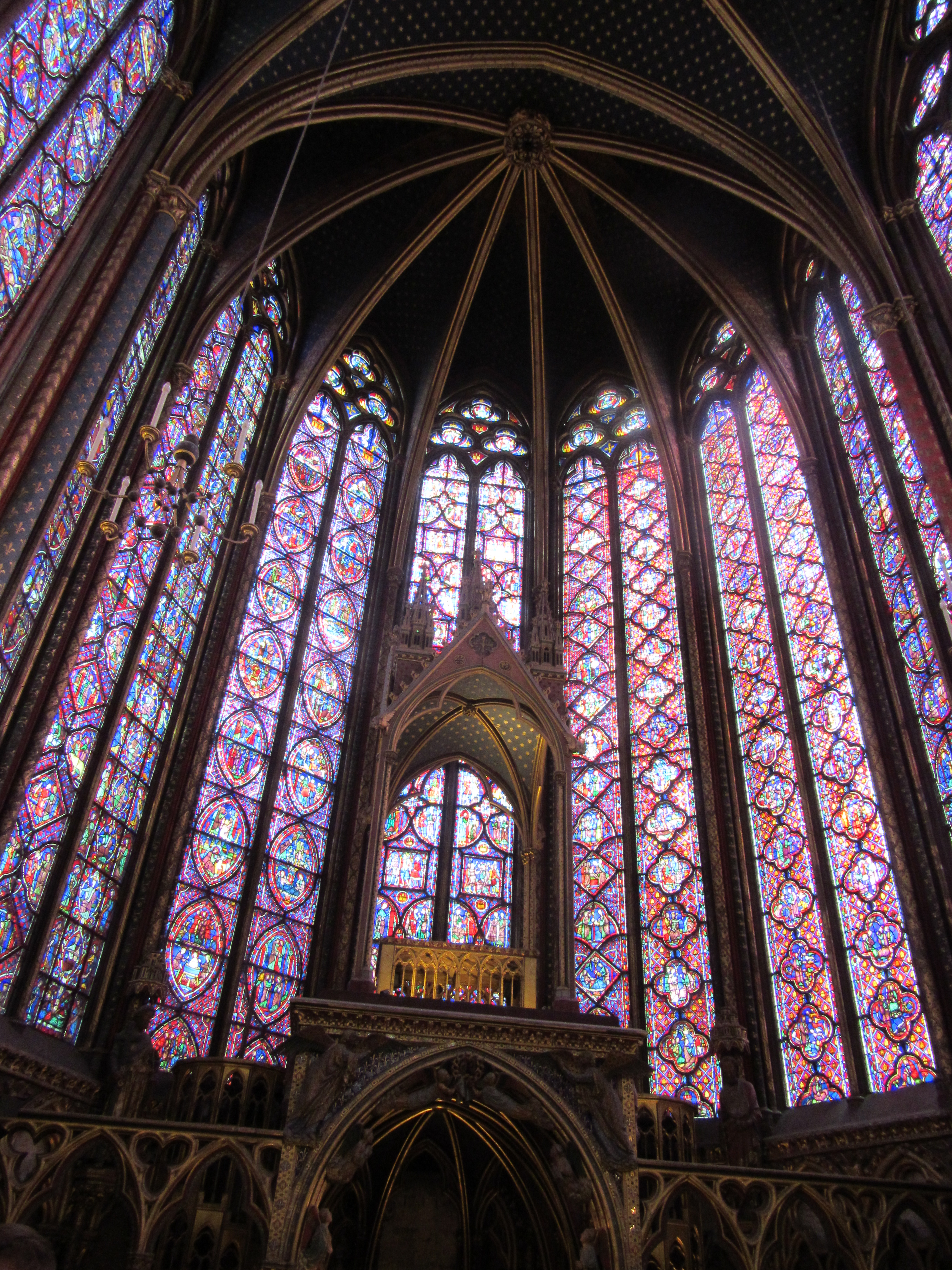
Gothic Sainte-Chapelle stained glass

A shooting involving a terrorist at Paris’ Orly Airport, while I was going through the security check there, was an anticlimactic end to my 60th birthday celebration in Venice and Paris with my middle son, Michael. Orly is France’s second largest airport. Just before I was scheduled to board my flight home to Alicante, Spain, I noticed the departure gate had changed to the downstairs departure area. As I tried to go to the new departure gate, the airport security officers told me there would be no more flights that day from Orly. Without explanation, they corralled us into the far half of the boarding area, not allowing anyone to leave. The televisions were switched off, and the departure screens frozen, which continued for several hours. We never received any notification from airport staff as to what was occurring, but I googled “Orly news” where I learned that a terrorist had tried to wrestle a gun from an airport police officer, and that he was shot. I did not learn the details until after returning home. Even though I had been told around 845 a.m. that there would be no further flights from Orly that day, around mid-day, without any speaker announcement, the boarding boards were turned back on, although without accurate, updated information on departure times. We finally boarded and departed around 330 p.m. As I write this on March 22, 2017, there has been a terrorist attack in London near the Parliament, and possibly inside.


There is no place in the world in which one is free from the possibility to violence, terrorism or even natural

Sacré Couer

disasters. In 1998, not long after the terrorist attack on the U.S. Embassy in Nairobi, Kenya, my oldest son and I went to Nairobi and then on safari the Tsavo Park area. Of course, at the time, we didn’t know that the attack was part of an organized terrorist organization. Not long after an American Airlines flight crashed in Queens, a borough in New York, in November 2001, only two months after New York’s September 2001 attacks, we flew to Europe. It was initially speculated the crash could have been a terrorist attack, but it was later determined to be caused by human error. During a tour of eight African countries, while in Bamako, Mali, the nation’s capital, we stayed at a hotel, where several years later, in spite of security, Islamist extremists took 170 people hostage, shooting 20.


Enjoying live classical and Brazilian music at Venice’s Caffè Florian, reported to be the oldest café in the world, dating back to 1720

That said, as a psychologist, particularly a forensic psychologist where we rely heavily on statistics, I make informed decisions based on statistics rather than irrational fears. By far, I have a significantly greater chance of being killed by violence, particularly in the U.S., or by disease, or accidents. I choose to live my life with joie de vivre, focusing on relationships, food, culture, adventure, and curiosity. And if I should meet my end in a travelling accident, for me, that is far better than being holed up in my home or a bunker, or living my life in fear. To that end, I will be providing future blog posts on my Venice and Paris trip, and am providing a sampling of those photos here.

Visual Alicante

9 Jan
Ayuntamiento (town hall) with sliver of Santa Barbara castle

Ayuntamiento (town hall) with sliver of Santa Barbara castle

1893 ceramic business sign

1893 ceramic business sign

Ornate door with plays of shadow and light

Ornate door with plays of shadow and light

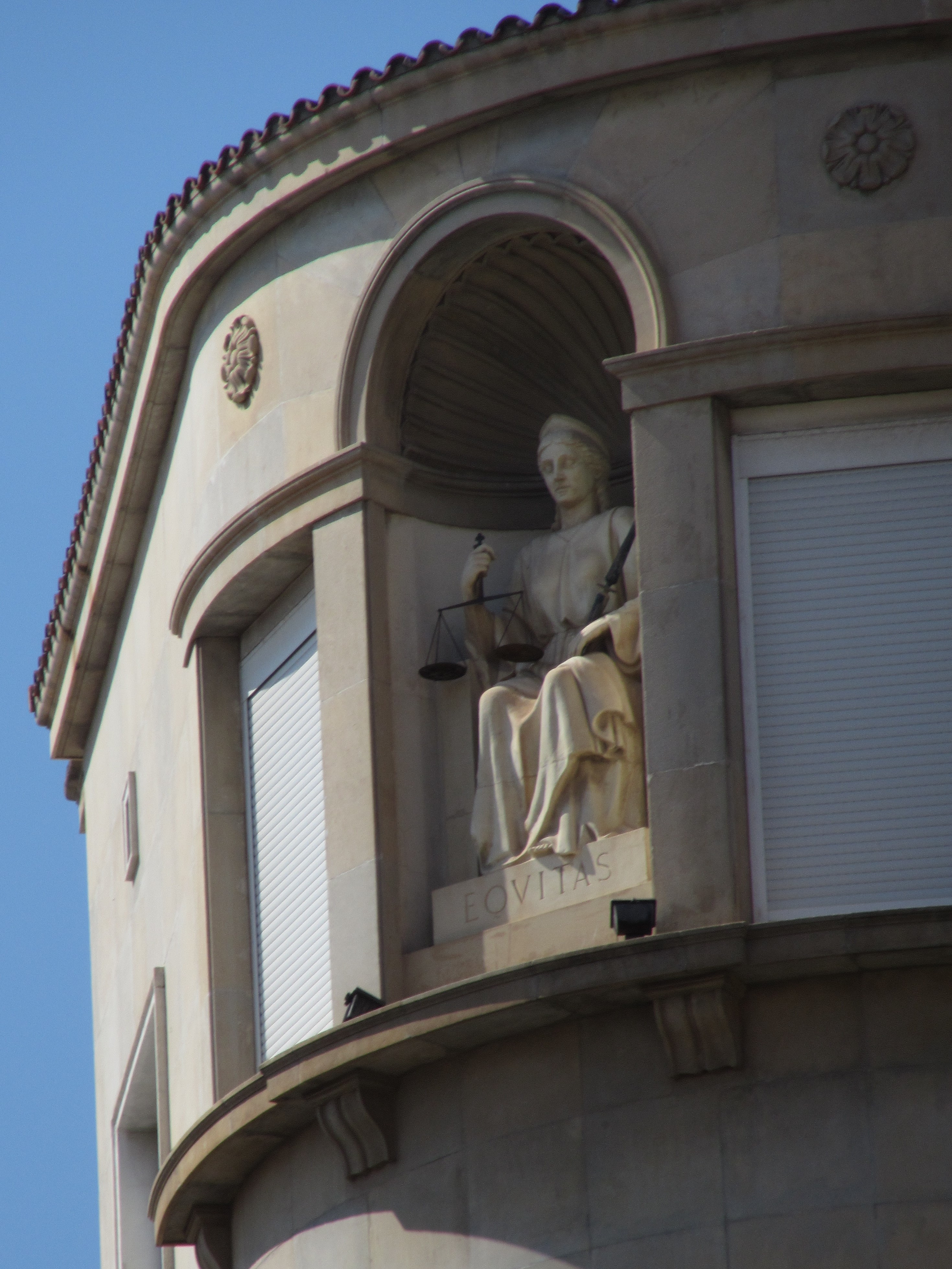
Statue on top floor of building

Statue on top floor of building

Charming house

Charming house

Old town buildings with original materials and signature blue pots

Old town buildings with original materials and signature blue decorations

Decorative historic door

Decorative historic door

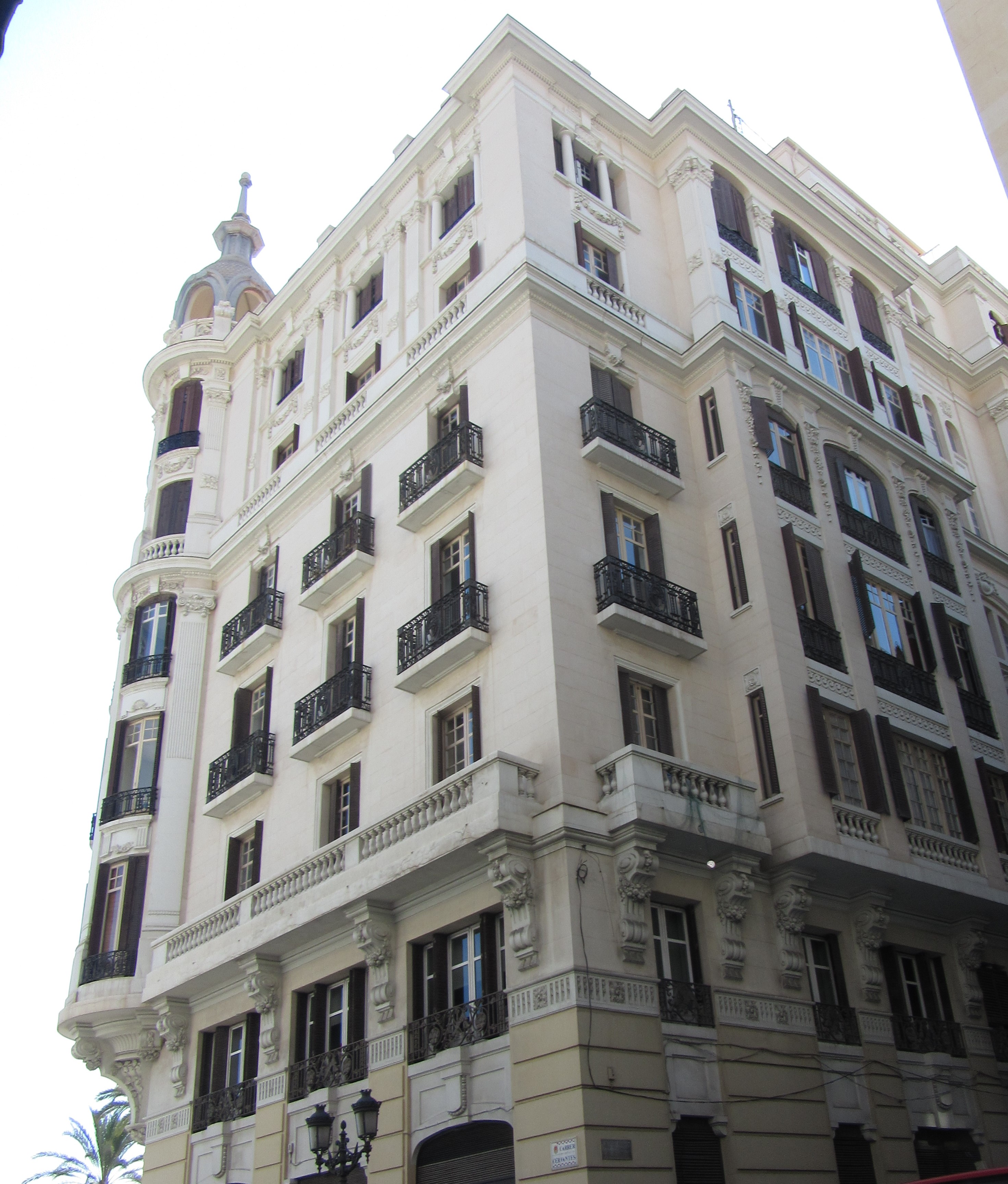
Architecturally interesting building

Architecturally interesting building

Old door

Old door

Historic and Tasty Jijona: Costa Blanca Day Trip

18 Dec
Jijona (Xixona)

Jijona (Xixona)

Another great day trip in the Costa Blanca area of Spain is a day in Jijona, a short drive in the hills northwest of Alicante. Jijona, also known in Valenciano as Xixona, is famous for its Turrón, an almond-based nougat.


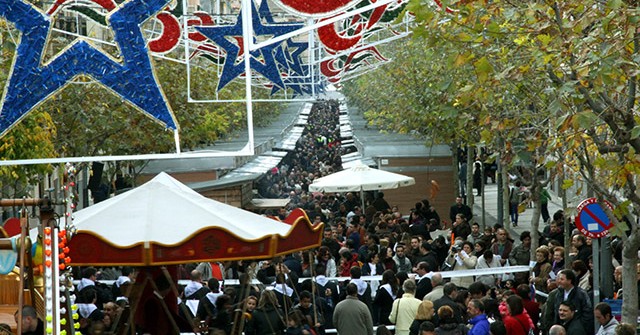
Turrón is particularly popular at Christmas time in Spain. Jijona has a yearly four-day Christmas festival, which obviously features turrón, along with other Christmas- and winter-oriented gifts, like hats, scarfs, toys and more.

Jijona Christmas festival

Jijona Christmas festival


Turrón is typically made from finely ground almonds, egg whites, honey and sugar. It comes in a variety of textures and forms. There is one with a soft paste-like consistency, which, to me, had a gritty, not pleasing texture. There are soft and hard turrón bars, with pieces of almonds. I saw chocolate-flavored turrón, turrón-flavored gins and liqueurs, and many other non-traditional additions. Samples are generously provided from the Christmas parade of wooden stands located in the central market. There are also other Christmas-related exhibits, and food/tapas booths with adjacent seating where people can rest their feet, and enjoy a snack and beverage.


Turrón samples readied for festival go-ers

Turrón samples readied for festival go-ers

The Moors brought almond farming and turrón to Spain during their occupation of the area. During the 16th century, King Felipe II praised turrón, which increased its popularity. Historically, there were a few main families who dominated the turrón market. These decaying family mansions feature beautiful architecture and are visible on one of the main streets in Jijona: Monerris Planelles family home, Rovira family home, and Aracil family home. Only turrón made in Jijona and Alicante can receive the official seal of authenticity, “Consejo Regulador de Jijona y Turrón de Alicante.” There are tours available at the turrón museum and factory. Several other areas have a similar type of nougat like turrón, including Catalonia (Spain), France and Sicily.


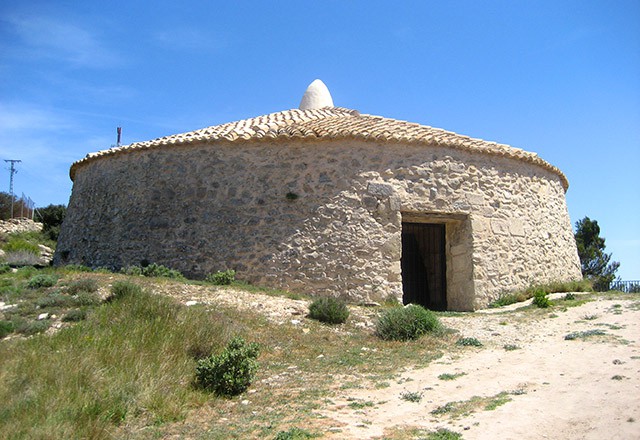
Snow well

Snow well

There are other interesting things to see in Jijona including historical churches and a convent, the remains of a castle (destroyed in the Spanish War of Succession), “and snow wells” (thick walled round buildings located in the cool Carrasqueta mountain range which came into use in the 18th century to store snow for making ice cream.) In August, there is a Moros y Cristianos festival, which are very popular in the province of Alicante. Parking is typically a fair distance from the touristic areas, but are well-marked and on an easy, gradual incline.


Taxi Travel Perils and Moros y Cristianos in Altea Spain

9 Oct
Moros

Moros

“The taxi driver wouldn’t follow the directions you provided. He said, ‘Moros y Cristianos’ and ‘impossible,’ then stopped, unloaded our luggage and told us to get out. We don’t know where we are.” This was the first comment from my friend who had just arrived in Altea from California. In addition, the WhatsApp wouldn’t work for her, so I hadn’t gotten any of her prior calls. Having not heard from them at the expected arrival time, I then called her via regular (expensive) international mobile rates, which is when I received her panicked statement.


Camels with Moros

Camels with Moros

In anticipation of the arrival of my two girl friends from California, I fretted over possible, or should I say probable, problems with the cab driver getting to my apartment during the annual Moros y Cristianos (Moors and Christian) festival. This was not my first problematic experience with Spanish cab drivers. My fear was realized, in spite of spending several days providing a map and writing out the directions in Spanish (and English so my friends could see if he was going the right way.) At the beginning of the directions was the admonition in Spanish (which my friend read aloud) not to go the usual way due to the Moros y Cristianos festival. In response, he simply entered my address into his guidance system, and drove to the starting spot of the parade, at which point he dropped them off on the highway (Carretera 332) that runs through Altea.


Christian fila party across from my apartment

Christian fila party across from my apartment

After eventually figuring out where they were, I found them near the start of the Moros y Cristianos parade route. With luggage in tow, we then proceeded to the seats on the parade route a local friend had saved for us. Although I had told them they would be in Altea during the Moros y Cristianos festival, they had no idea of the magnitude and pageantry of it. The festival commemorates the Christians reconquering the areas of Spain that had been conquered earlier by the Moors.


img_2021

King in the procession to the church plaza from my window

Nor did they anticipate the incredible level of noise associated with most festivals in Spain. In the early morning, there is the despierta (wake-up) when the local filas (brotherhoods) proceed up the hill toward the church plaza while their respective brass bands play and others fire noise-making guns and firecrackers, all the while drinking and smoking. (Having attended the festival for two years, I have only seen one Muslim participate.) Throughout the day, the many filas have parties at their individual sites, with food, alcohol and music. The fila Moros across the street from my balcony, Els Malvins, have a fabulous group of musicians, which I am privileged to enjoy without having to leave my home. In addition, there are many other adjunctive activities such as midnight fireworks, re-enactment of battles between the two groups,


Solemn religious procession

Solemn religious procession

The festival culminates with evening parades, first the Moros, the next day a solemn religious procession, and finally the Christians. After those parades, the filas return to their home sites where they continue to party until the early hours of the morning. In addition, there are live music/dance venues that start after midnight and go for many hours. I don’t know how they can stay awake that long, let alone, party that intensely. Tellingly, on the day after the festival ends, almost all of the local businesses are closed, apparently for recuperation and clean up.


IMG_2012.JPG

Quail with apple slices, grapes fruit compote


My friends were thrilled with the Moros y Cristianos festival, as well as many other aspects of Spain, including the friendly international locals, the many varieties of activities, day trips to other towns, fabulous food and the ambience of beautiful Altea.


Adventure to El Campello

3 Sep
xiringuitotontin2

Enjoying Xiringuito Ton-Tin with Sandie Sheppard


With so many interesting places and events here on the Costa Blanca in Spain, I have decided to start taking short trips to some of these spots. Serendipitously, I met a woman at a local jazz fusion concert, who also is a live music fan. While we shared a table, I was expressing my frustration about the difficulty finding information on the internet about live music venues. She then volunteered that she knew several live music venues and offered to send me the information.


Xiringuito Ton-Tin in El Campello, just north of Alicante, was one of the locations she recommended. During July and August, they offered daily performances every evening. The day we went the saxophone and trumpet players were featuring jazz, soul, bossa nova, and swing. The two musicians were fantastic. A few people danced, but at other events there seem to be far more dancers. Xiringuito Ton-Tin features a wide variety of music genres, and will continue to have live performances in September. It is located on the beach, with the seats and tables and large globe-shaped white lamps, all situated on the sand, which we loved. For those unfamiliar, Xiringuito, also spelled chiringuito, is typically a small beachside business where one can get beverages and snacks. Many times they are only seasonal summer spots. Xiringuito Ton-Tin regularly posts their calendar of events and video excerpts of concerts. Reservations are recommended as many tables were booked in advance.


Pepper at a concert

Pepper at a concert

To get there, we took the tram from Altea to El Campello, which took a little over an hour. I brought my little dog in a wheelie back-back, although I have gotten inconsistent information on whether pets are allowed, so I just placed the backpack in a position between my legs where no one could see what was inside. When we arrived, we ate at a local restaurant across the street from the ocean, and a very short distance from the tram station from which we exited. I only booked the trip the day before we left, yet still managed to find a reasonably-priced hotel that was pet-friendly in nearby San Joan d’Alacant. It was a bit too far for us to walk, so we took cabs to the hotel. A couple of times, the drivers appeared to be taking a circuitous route, which unnecessarily added to the fare, but I wasn’t familiar enough with the area to give directions.


The next morning, we took a cab to another area of El Campello, including a busy, active beach area. It offered numerous cafes and restaurants, a variety of water sports including an inflatable floating gym for kids. In the heart of central El Campello, there were some quality eateries for very reasonable prices, and interesting stores if you enjoy shopping (which I don’t.) We headed back to Altea mid-afternoon. This was a very economical trip, even with all of the activities, food and beverages. I am looking forward to my next Costa Blanca adventure.


Have you had any memorable short trips?