Retiring to a Fun, Inexpensive, Quality Life

20 Mar
Altea on a rare cloudy day

Altea on a rare cloudy day

Today I got up at the crack of noon. It’s not something I do every day, but it is a luxury I relish after those late Spanish nights out with friends. Yesterday, I had two Norwegian friends over to my house for a traditional American dinner, something they asked if I would do. Here in Altea, in the Costa Blanca area of central Mediterranean Spain, it is sometimes difficult to source some typical American food ingredients, but it makes for a fun challenge. When I wanted to make authentic Jamaican Jerk chicken and could not find habañero peppers, David, a chef and co-owner of my favorite local bar, AlteArte, volunteered to buy some for me at a commercial food market for restaurants. AlteArte is a local mojiteria (bar specializing in making mojitos) and arts bar.


After our American dinner, Daniel, one of my invited guests, was hosting his monthly movie night at AlteArte, so we took the short walk to it in the center of the historic old town at the top of the hill. We stayed late enjoying the busy, convivial atmosphere. The prior week Daniel had me to his house for a traditional Norwegian dinner. Both he and his roommate each created their unique regional specialty dishes. Being from north of the Arctic Circle, Daniel’s dish was roast pork with crackling skin. Delicious! I love the opportunities to meet new friends with whom I can exchange our different cultural traditions. Another particularly memorable experience I have had was when a Nepalese family invited me to their house for a delicious, homemade meal at their home. It was my first time eating traditional, homemade Nepalese food, and afforded me the opportunity to get to know more about their lives and culture in Nepal.
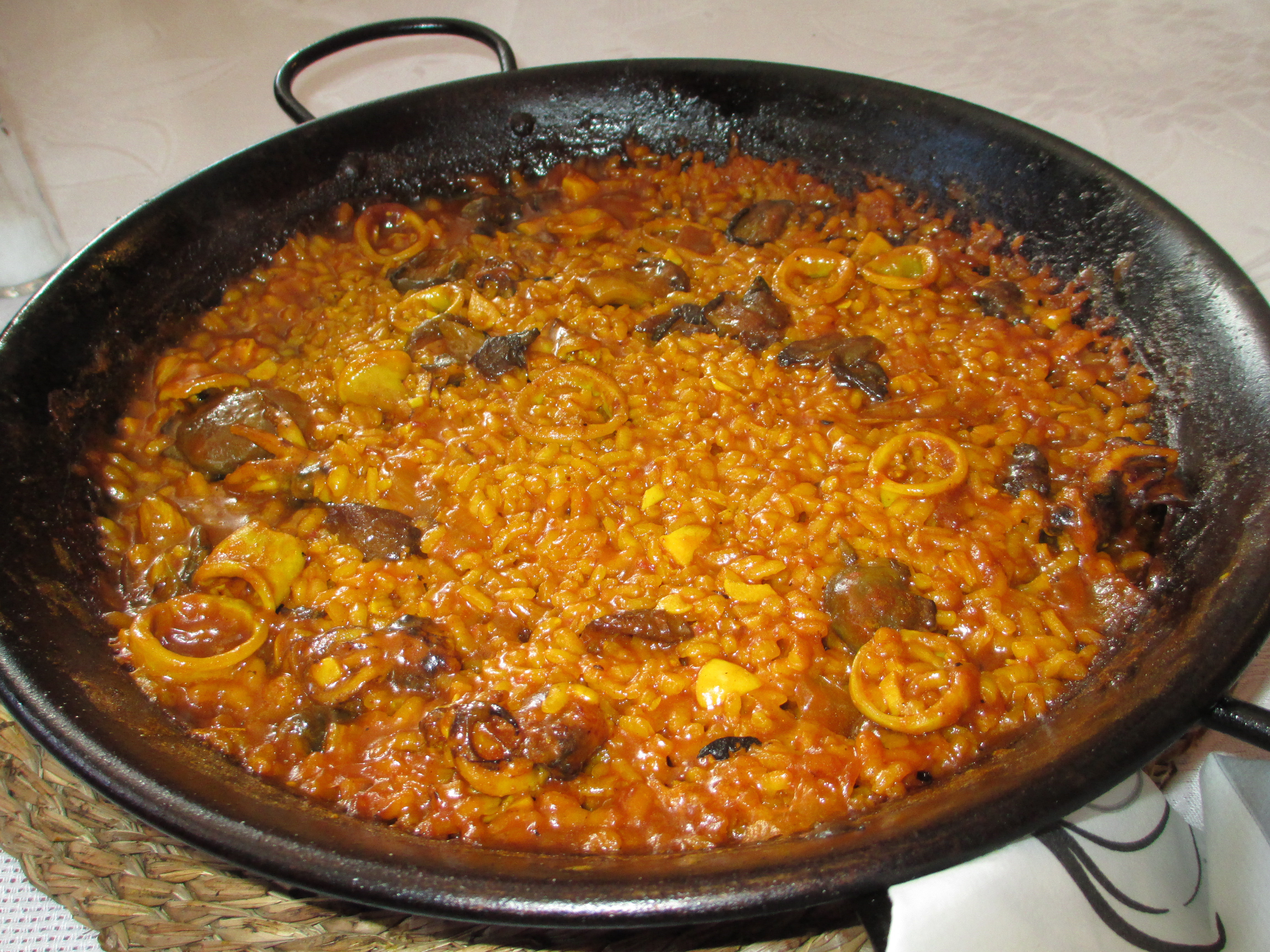
 

Seafood paella

Seafood paella

There are always challenges when trying to re-create and share American traditions to my friends in my new home country, Spain. However, mostly I embrace the new cultural and food customs here. Jamones (various types of ham and pork products) are a Spanish favorite, served simply as thin slices or often as an ingredient in many dishes, like steamed clams with pieces of ham. I have even found ham in the usually vegetarian gazpacho blended soup and in steamed clams. There is an incredible bounty of fresh fish and seafood from the local Mediterranean. I enjoy spontaneous daily forays to local bars where, in the evening, I get a free tapa with my glass of wine for as little as 1, 20€ ($1.32.) Inevitably, I encounter friends with whom I enjoy genial conversation.
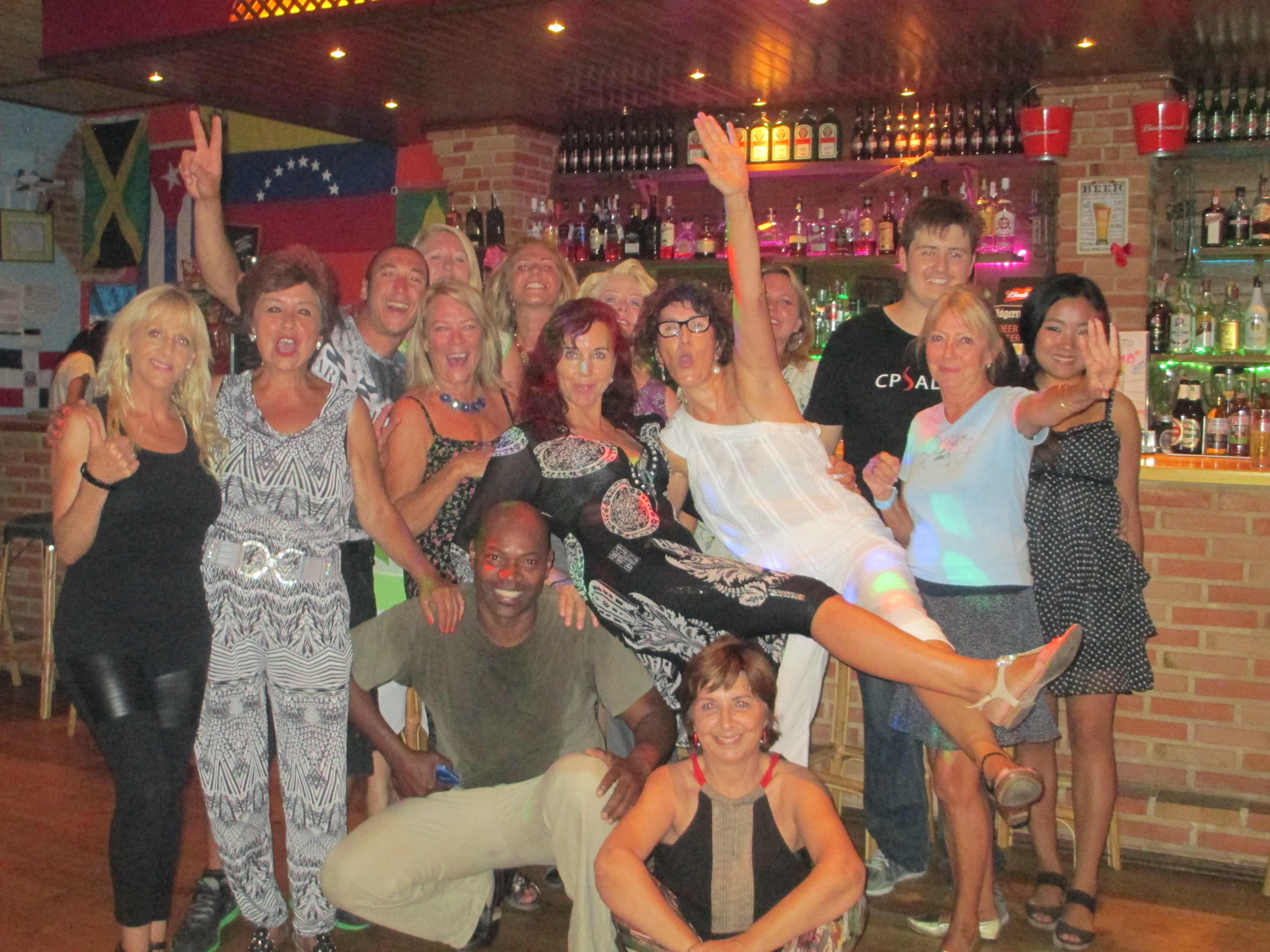
 

Bar Cuba

Bar Cuba

Although I was an avid live music fan when I lived in the Central Coast of California, here in Altea Spain, there are many diverse activities, including the many regional Spanish festivals, live music, in addition to the time spent celebrating new cultural experiences with friends. One of my regular favorites is going with friends to Bar Cuba, for salsa and other types of Latin dancing to live music by Rafa, a friend who is originally from Venezuela. Bar Cuba is co-owned by Raúl and Nikki; Nikki is a friendly, competent businesswoman who originally hails from Jamaica. Other nights she schedules salsa and other Latin dance classes, karaoke, televised soccer games (fútbol), and specialty international dinners. Living in Spain allows me to enjoy traditional Spanish festivities, as well as experience cultural experiences from the variety of ex-pats who live here.


With the low cost of living in the Costa Blanca, I no longer have to work, and can focus on friends and fun. The Spanish are known for their many festivals, which offer spectacle and fun. Where I lived in California, it was nearly impossible to function without a car.

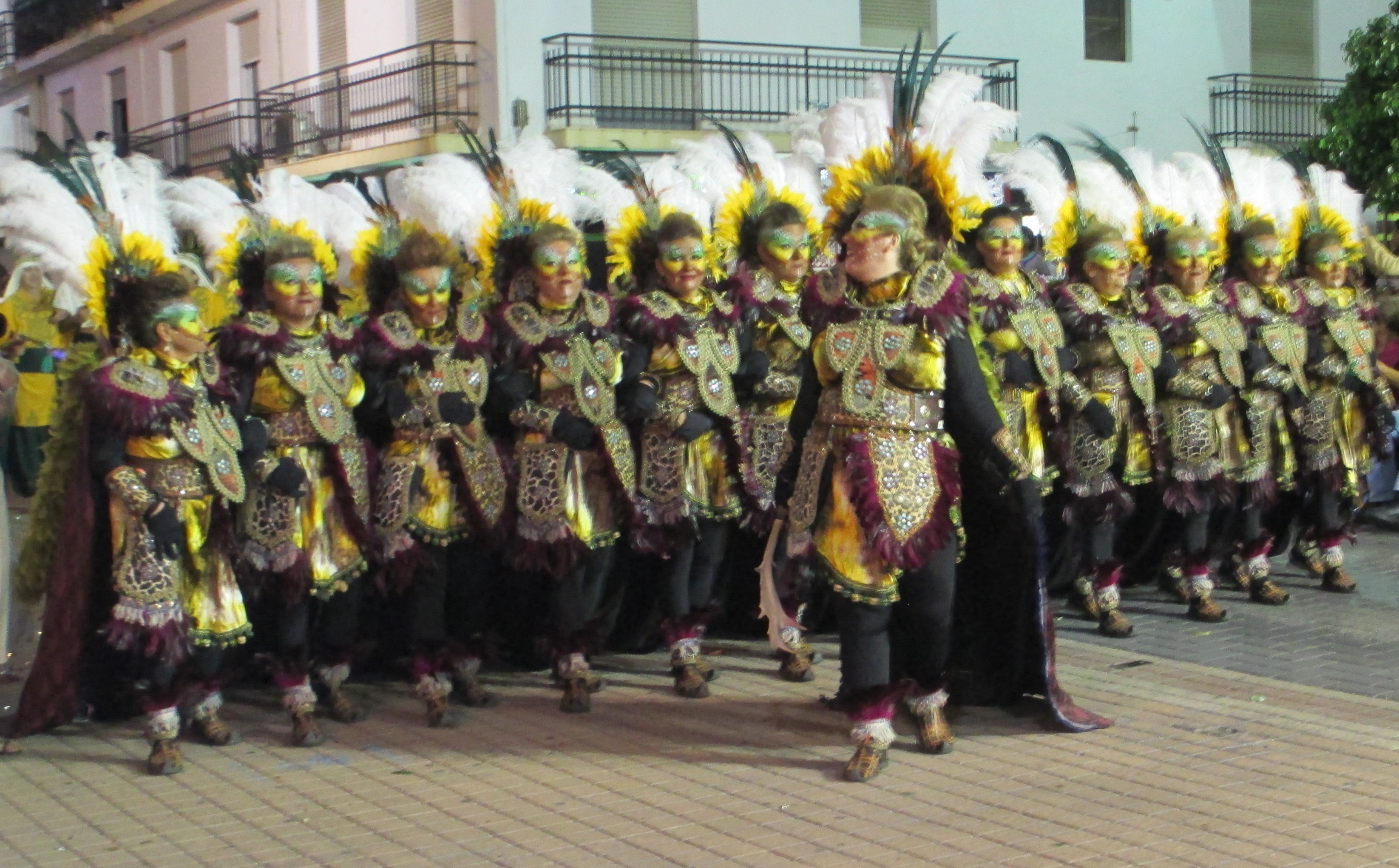
Moros y Cristianos festival

Moros y Cristianos festival

Here in Spain, I relish no longer having to have a car. I walk to all of my local activities, or take convenient, efficient, inexpensive public transportation to nearby towns, with unexpected health benefits. Instead of finding it difficult to even arrange a short monthly get together with a friend in California, here in Altea, rarely does a day go by where I don’t meet up with friends, whether planned or spontaneous. It is sometimes hard for me to believe that I live in one of the most beautiful villages in Spain, with such an inexpensive cost of living, and fulfilling quality of life.


Bringing Pets to Europe

27 Feb
Pepper

Pepper prior to move

Bringing pets to the European Union (E.U.) from the U.S. is much easier than what it once was. No longer are there long required quarantines. The United Kingdom has relaxed their requirements and no longer have quarantine requirements. https://www.gov.uk/bringing-food-animals-plants-into-uk/pets-and-other-animals Non-E.U. countries, the policies can be different. Finland, Ireland and Malta also have their own pet import regulations. The following reflects the current requirements for up to five dogs, cats, and/or ferrets coming to an E.U. country from the U.S. As governmental regulations can change, it is advisable to check the website for the USDA APHIS (U.S. Department of Agriculture, Animal Plant Health Inspection Service.) Then click on the “Live Animals,” and enter your EU destination. For Canadians, the regulations are similar. Up to date guidelines for exporting pets from Canada to the EU can be found on the website: Canadian Food Inspection Agency under “non-commercial export of dogs, cats, and ferrets to the EU.”


  1. As far out from your desired departure date, check with individual airlines regarding their pet transport policies. Start by checking their websites, and then speak with an actual airline representative to get the specifics. Weigh your animal to determine whether they are eligible for travel in the cabin, under the seat in an airline-approved carrier. The weight allowed includes the pet, carrier and anything else placed in the carrier. Including his carrier, my dog, Pepper, was just at or slightly above the weight limit allowed by many airlines, so I booked on airlines with a more generous 8 kg. /17 pounds limit, including Swiss Air, Alitalia, and Iberia. Since my last flight which was in early 2015, several of the major carriers have increased their in cabin weight allowance to be 17 or 20 pounds. Also, some types of dogs are not permitted, such as snub nose dogs, in which case you can consider a pet relocation service. There are different policies for very young, unvaccinated pets. Airlines charge varying rates for transporting pets, from $50 to over $500, so take that into consideration during your research. Check to see if there are periods of time they do not transport animals in the cargo hold due to expected inclement or extreme weather. Some airlines don’t take pets via cargo in hot months as they have had animals die. If your pet will be in the cargo hold, consider booking during months or times that are typically temperate: morning or evening in the summer and midday in the winter. Also, direct (non-stop) flights are better for pets. Make sure the carrier purchased meets the airline’s regulations. Carriers or crates must afford the animal to move around, and typically have an absorbent cushion or rug with adequate ventilation. A carrier with wheels will make moving your pet through the airport far smoother. Because there are so many different airline regulations, costs, weight limits, etc., when deciding on an airline, I made a written grid to record each airline’s policies for easy comparison.
  2. Book your flight as soon as possible to guarantee a spot for your pet as they have a limit to how many pets can be on a flight. Space availability for pets is also determined by the type of aircraft, cabin and seating. Make sure your pet has a reservation. During the three times, I flew back and forth between California to the E.U. I was charged for my pet when I checked in at the airport. If you will be using other ground transportation once you arrive, such as a train, bus or car rental, check their pet transport policies. The first time, I brought my dog from Madrid to Alicante via train, and the second time directly to the Alicante airport via plane.
  3. Well in advance of your travel date, get your pet used to the carrier or crate. In the beginning, put the pet in it with a toy and snack. As s/he gets comfortable, leave the pet in the carrier when you leave home. Take your pet in the carrier on walks and in the car to get used to motion. For pets who will transported in the hold, it is especially important to get them used to being in their crate and moving.

    Pepper in transport crate

    Pepper in transport crate

  4. Well in advance of your scheduled flight, find a veterinarian who is certified and experienced in pet relocation to your scheduled EU destination. I strongly recommend meeting with the vet for an initial session to make sure s/he is qualified and experienced in completing all of the required steps within the tight timeframes necessary. Make sure the vet has the correct form (ANNEX II) and has previously completed them. If your pet is not already had a microchip inserted, this is an ideal time to do it. Let the vet know it is for travelling to an EU country. For EU countries, it must be an ISO 15 digit microchip, either 11784 or 11785. After the chip is placed, the pet must have a rabies vaccine, even if it already has a valid rabies vaccine. The rabies vaccine can be on the same day the animal is chipped or at a later date. This rabies shot must be administered at least 21 days before your flight departs. I did not understand that my dog needed to get a new rabies shot, nor did my vet inform me at the time of the dog being chipped. Thus I had to delay my departure date which resulted in a several hundred dollar change fee. During your initial appointment with the vet, I recommend having the vet do a physical to make sure there won’t be any last minute health issues. I also got him to prescribe a slightly sedating medication for the long flight. If you get a calming medication, make sure it is not contraindicated for flights, as was the first medication my dog was prescribed by a less experienced vet. Some airlines do not permit dogs to be sedated. Since my dog was flying in the cabin, I felt it would be in his best interest to take a sedating pill since he would be in his carrier for 12 to 15 hours, and I would be able to monitor him. Twice I gave him a trial of the pill before departing to make sure there were no adverse side-effects.
  5. The vet has to fill out the ANNEX II form about 12 to 15 days before departure. Then that form has to be mailed or taken by hand to your local USDA office, for certification. You have to enter the EU country within 10 days of the USDA certification, which is a very tight timeframe. This means that you should schedule the final vet exam and paperwork completion, at an early enough hour to allow you to get it to an overnight mail service. Make sure to check the USDA website for the mailing address for your region, mandatory fees which you must include, and include a return overnight mailing document with your address. Keep in mind some “overnight” mail services do not deliver on the week-ends.
  6. Prior to departure date, check for pet relief areas at the airports which you will be using. Some have indoor pet areas. For example, at the LAX airport international terminal in Los Angeles, near the business lounge, was a pet play and relief center with artificial grass. Arrive at the airport at least three hours in advance of your scheduled departure. About four hours prior to checking in, feed and provide water for your pet, and play to get them tired. At the airport, let the pet relieve himself one more time. Put the pet in the crate which in advance you have supplied with a “pet potty pad,” empty water dish, and cherished toy. Make sure the crate door is securely closed. Keep the pet paperwork handy in the pocket of the in-cabin pet carrier, or for a checked crate, somewhere else easily accessible. The pet must remain in the carrier in the airport and during the flight. If you have an airline transfer and there is no inside pet area, if you go outside, you will have to go back through security screening. Make sure to allow enough time in case of long lines.
  7. Once you are to your new EU home destination, find a good vet by asking local ex-pats who demonstrate attentive and caring behavior toward their pet. Ask around, and eventually, you will start to hear one or more of the same names recommended. Unless you are fluent in the language of your new country, make sure the vet can speak English. Introduce your pet and yourself to your new vet, instead of waiting for an emergency. At your initial appointment, find out about local health issues, get any vaccines or preventative medicines for your new country, a dog name tag with your local phone number, and a European pet passport (which is legally required.) Then, get out and explore your new home.

    Pepper (aka "Pimienta" in Spanish) at outdoor beach concert

    Pepper (aka “Pimienta” in Spanish) at outdoor beach concert

Music Icons: Kenny Lee Lewis and Diane Steinberg-Lewis

12 Feb
Diane and Kenny Lee

Diane and Kenny Lee at Home with Sophie

After spending time the prior evening with old acquaintances, B.B. King and Peter Frampton, Kenny Lee Lewis and his wife, Diane Steinberg-Lewis enthusiastically shared their fascinating, intertwining respective lives and experiences. Kenny and Diane have performed in San Luis Obispo County (California) in their band, the Barflyz, but are more well-known for Kenny being a member of the classic rock Steve Miller Band, and Diane for her role as “Lucy in the Sky” in the 1978 American musical film, Sgt. Pepper’s Lonely Hearts Club Band (in which Peter Frampton was also cast). The couple, who has been together almost 40 years, was more interested in recounting the history of Diane’s influential musical parents, than talking about themselves. To that end, they were compiling documentation, which included talking to B.B. King after he performed in Paso Robles, California in September 2013, which is when I met with them at their home.

Martha Jean on B.B. King Album Cover

Martha Jean on B.B. King album

Diane’s father, Luther Steinberg, played trumpet with legends Cab Calloway, Lionel Hampton, and Duke Ellington, was a Big Band leader, and did arrangements for artists including B.B. King. Diane’s mother, “Martha Jean the Queen,” was an African-American pioneer in radio and one of the first female D.J’s in the United States. She helped to bring R&B music to the airwaves for the general public. Diane showed a photo of her mother on the cover with B.B. King on his album, My Sweet Little Angel, recorded in the 1950’s, but not released until 1993. B.B. signed the cover of Diane’s copy during their recent meeting. Diane and Kenny Lee hoped to talk with him further to add more of these memorable experiences to their memoir of Diane’s mother:  Speaking of the Queen: from Memphis to Motown.

Born Martha Jean Jones in Memphis, she landed her first job there as a D.J.at WDIA. The radio’s early format of country, swing and light pop was not successful. In 1947 WDIA became the first radio station to target programming to black audiences. It quickly rose to the number two radio station in Memphis, and then became number one after switching to all black music programming. B.B. King started working at WDIA in 1948 promoting medicine and then cigarettes; he became a D.J. in 1950 before launching his performance career. Though all genres of music are widely accepted today, in an era of resistance to integration of the military and Jackie Robinson playing baseball with white players, incorporation of black music into the mainstream was controversial in Memphis. When the “race” music being broadcast by WDIA reached the white suburbs of the south, it was the beginning of what would become the phenomenon of “Rock and Roll.”

Following her parents’ divorce, in 1963 The Queen moved with Diane and her two sisters to Detroit, where The Queen continued as a D.J., and a community activist through the 1970s. The Queen became involved in the ministry in 1984, and in 1997, after being named Michigander of the Year, purchased a radio station WQBH, an acronym for Welcome Queen Back Home where she worked until her passing in 2000.

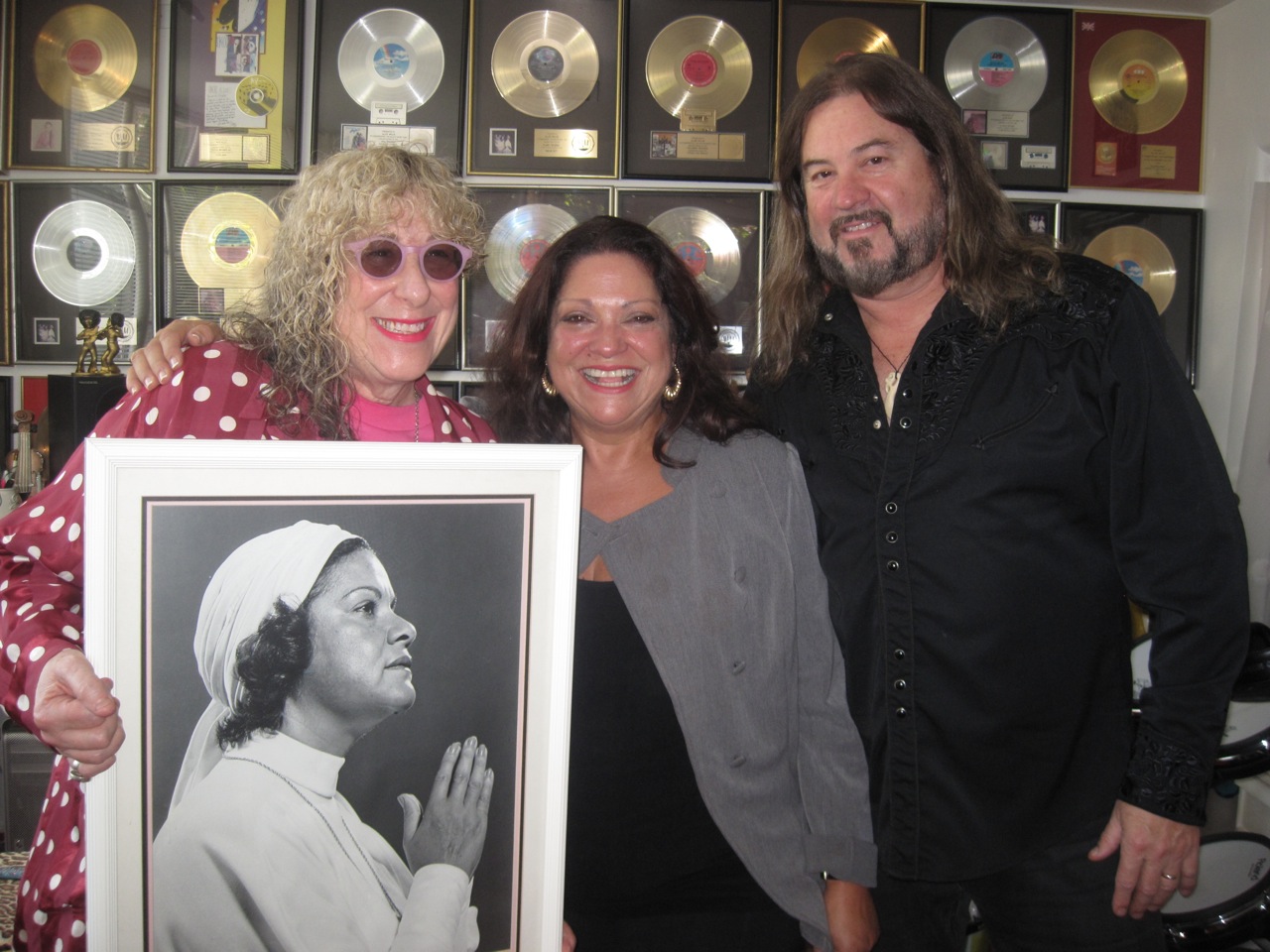
Allee Willis, Diane, Kenny Lee with Photo of "The Queen"

Allee Willis, Diane, Kenny Lee with Photo of “The Queen”

Diane was influenced by the encounters and events she was exposed to by her musical family. At age six, when she began “playing” the babysitter’s dilapidated piano, her father purchased a new piano for her.  She still has this piano, which their dog, Sophie, “plays” when she wants a snack. As a child, Diane’s father brought home many talented musicians who helped her hone her craft. In 1997, her father, his siblings and their father received the W.C. Handy Award for Authentic Beale Street Musicians. In 2010, Diane’s mother was honored with a W.C. Handy Music Legacy Award for her years in radio, and on the same day the Steinberg family was presented with a Brass Note on the Beale Street Walk of Fame.

At college, Diane studied dance, and then music while simultaneously teaching high school.  In 1972, she got her first record contract with Atlantic, and later recorded for ABC Dunhill and Word. She performs both secular and gospel music, has written music performed by such artists as Natalie Cole and Cleo Laine, and wrote the theme music to An Evening at the Improv. She has performed with such music notables as Paul McCartney, Rod Stewart and the Steve Miller Band. Diane met her future husband when getting ready to record an album for ABC and she needed a new bass player. Kenny was recommended as a replacement. Diane said they fell in love and married in 1984; he gently reminded her it was 1983. She smiled noting many men are not sure of their anniversary. Diane has periodically returned to teaching in order to provide a more stable home environment to raise their two daughters. Above is a photo of Diane recording with her friend, Grammy Award-winning songwriter Allee Willis, with a picture of the Queen as inspiration. (Allee Willis is an award-winning, multimedia artist, who has written many well-known songs including Boogie Wonderland and September, made famous by Earth, Wind and Fire, I’ll Be There for You (theme from Friends), and co-wrote the Broadway musical version of The Color Purple.

Mary Wilson (Supremes), Allee Willis, Diane and Kenny Lee

Mary Wilson (Supremes), Allee Willis, Diane and Kenny Lee

Kenny was born in Pasadena, but was raised in Sacramento. He is self-taught, initially picking up the ukulele at age seven and then playing his brother’s acoustic guitar in the sixth grade. Not long thereafter, he started playing an electric guitar he had borrowed. He credits his parents for being supportive of his musical focus. He was playing professionally at 15 and went on the road with his first band, Sand Castle, at age 17. He attended Cal State Northridge for a semester, but left when he got the chance to go on tour. After becoming a successful studio session bass player, he and Steve Miller drummer Gary Mallaber started a band, and were pursuing a record contract.  Steve Miller contacted Gary asking for songs for an upcoming album. Kenny, Gary and guitarist, John Massaro submitted their eight demos, and Steve took then all. Steve then incorporated Kenny, Gary and John into his band. The album, Abracadabra, was released in 1982 which went multi-platinum. Kenny initially was guitarist for the band, but in more recent years has become the bass player. When I met with he and Diane in September 2013, the band had recently finished a tour in Australia and New Zealand, and on the top of his television cupboard, a colorful boomerang peeked out.

Diane and Kenny moved to Central Coast of California after visiting a friend and falling in love with the area. They describe the local music scene as “creative” and “original,” with less pressure to follow trends than in the L.A. music scene. The Barflyz was one of their local groups, which Kenny described as an “acoustic pop-cabaret” band performing rearranged jazz, rock, blues, Latin, TV themes and original. When I met with them in September 2013, the band included stellar musicians Danny Pelfrey on sax and flute, Ken Hustad on bass, Dean Giles on drums. Kenny sometimes performs solo at small, local San Luis Obispo venues and bars

For more information: www.barflyzmusic.com. www.kennyleelewis.com

Quirky and Different Customs in Spain

6 Feb

I love my new life in Altea Spain. However, there are some quirky and unexpected things which I have encountered or needed to adjust to.


I recently read that when local children were enacting a bull run using toy wooden bulls that this year they would not be allowed to have the bulls’ horns lit on fire during the run. Apparently this was perfectly fine in prior years.


IMG_1053

Tree on which people climb to tie on their t-shirt at the St. John festival

During the many Spanish festivals, people sometimes engage in dangerous behavior. At the local St. John festival, participants carry a tree to the church plaza while encouraging observers to throw water on them. Once in the plaza, they pull the spindly tree to a vertical position and fueled with alcohol attempt to make the perilous climb to the top. What I found particularly interesting was the ambulances that were waiting just a few feet away. One has only to think of the running of the bulls in Pamplona for another example. Or the “baby jumping” festival near Burgos, where people in costumes jump over a mattress on which lie babies born in the prior 12 months. This ritual serves to rid the babies of evil spirits and guard against illness.


As I have mentioned in prior posts, dealing with the Spanish bureaucracy is nearly always fraught with difficulties, often because what you are told you need to do changes with successive visits. Similarly, I have had my rental cars towed two of the four times I rented them. In one case, I parked in a handicapped spot and put up my disabled placard. When I returned to retrieve the car, it was gone. When I contacted the local police, they informed me I had parked in a handicap spot reserved for a specific car, as indicated by the numbers on the handicap parking sign. I said I have travelled to and driven in many countries, and have never seen handicap spots for specific vehicles. I received a blank look, and was told I had to fork over around $150 to get the car out of impound.


I have also previously mentioned the multiplicity of problems I have had in receiving packages sent from the U.S. One box arrived gaping open, with items missing. Then the postman asked me to help carry it because it weighed a lot. Another box of household items was twice returned to my son, first because I declared there was no monetary value to items which were only sentimental, and the second because they did not see the documentation that I had submitted the nearly 100 Euros customs fee. I have been trying unsuccessfully for more than two months to get a refund for that, and there is no chance of getting a refund on for the hundreds of dollars I spent in having the box mailed here twice.


The sidewalks in my village are made of attractive, but incredibly slick tiles, especially when wet. It is so precarious that people typically walk in the road when it rains. I see many more people here with arms and legs in splints or casts, which I would bet is related to the falls people have. I have jokingly suggested that maybe the tile sidewalks were the idea of the local orthopedic physicians.


Moros Y Cristianos festival 2015 in Altea

Moros Y Cristianos festival 2015 in Altea

The Spanish definition of opening early means 9 or 10 in the morning. Such opening times are understandable in light of the lengthy afternoon siesta, and businesses and meals occurring late at night. Often when businesses close for several weeks or months, there is no sign informing the would-be patron of the closure. Nor are there websites for businesses which provide that information. Businesses including grocery stores are closed for national and local holidays, which can sometimes last several days. After the several day local Moros y Cristianos (Moors and Christians) festival, all businesses were closed for the day, not for the holiday but for a day for people to recover from the festival. After four days of festivities and drinking starting at 8 or 9 in the morning, and ending around 4 a.m., they need a recovery day.


I find Spanish people generally genial, and polite. They always greet you when you enter their business. In their vehicles, they are very good at stopping for pedestrians at crosswalks. However, when walking, they may suddenly cut right in front of you or stop and block the sidewalk while conversing. When picking up my dog’s excrement from the sidewalk, I have had people step over my head, and roll over my foot with a stroller.


Sometimes there are what seem to be arbitrary rules. When we recently went to a high end musical and dance variety show which featured a choice of two dinner menus, we were told everyone in our group had to order the same menu. Otherwise, we would be placed at separate tables based on our dinner choice.


Have you ever encountered unexpected behaviors/customs while living in or travelling to a new country?


Remembering a San Diego Music Icon: Ella Ruth Piggee

23 Jan

I  had recently been reminiscing about some of my talented musician friends in California, both from San Diego and on the Central Coast. I feel fortunate that I can go on YouTube or on my IPod to watch and listen to them perform. I was already planning on revisiting some of these musicians on my blog and Facebook, either with new articles or by reproducing prior articles from my blog or other sites where I have published. The recent deaths of a number of music icons have led me to expedite those plans. Over the next several months, I will be featuring musicians, both deceased and alive.

Ella Ruth Piggee was an incredibly popular, charismatic singer in San Diego for nearly ten years before her tragic passing due to cancer in 1988. I am always on a quest to find great live music, with my favorites being R&B, jazz, funk, standards, Latin, and classical. In my quest in that regard, in 1978, I was told about Ella Ruth Piggee, who was then performing at a bar in East San Diego, in an economically-challenged area. I first saw her perform at the Black Frog to a predominantly African-American crowd. I was blown away by her vocal talent, her ability to connect with the audience, and her great sense of humor. Anyone who ever regularly went to see Ella Ruth perform knew if you sat in one of the tables near the stage that you would be subject to her chiding, anything from the type of socks you were wearing to mentioning that in spite of having the best seat in the house you have hardly ordered any drinks. Then she would let out one of her loud, infectious laughs.


Over time, Ella Ruth and I became very good friends, and it was always a delight to hear her perform or to spend social time with her. Early on, she sang with Bruce Cameron (trumpet, cornet and flugelhorn) and Hollis Gentry III (saxophones and flute). Carl Evans, Jr. (keyboards) and Hollis (who were also friends of mine,), went on to be two of the founders of hugely internationally successful jazz-funk/fusion band with Latin influences, Fattburger. Unfortunately, they both suffered premature deaths due to health issues, as well. Ella Ruth sang, “Make That Dream Come True” on Fattburger’s Good News album, which I believe was released in 1987 shortly before her death. The song was also featured on the Best of Fattburger released in 1992.


Typically, Ella Ruth’s Talk of the Town band would play instrumentals for the first half the set and then she would finish the set with R&B, jazz and pop vocals. In my opinion, this form of music sets featuring both instrumentals and vocals gave those in the audience unfamiliar with jazz exposure to it, which helped to increase interest in instrumental and vocal jazz in San Diego. Ella Ruth finished every song with her signature spontaneous, creative scat. Over time, she became a very popular entertainer throughout San Diego, including the venerable Crossroads in downtown, The Triton in East San Diego and Cardiff, Chuck’s Steakhouse in La Jolla, the Catamaran on Mission Bay, and many more.


While the world class instrumental musicians sometimes changed, Ella Ruth was the main draw for a diverse San Diego audience, which can be seen in her various YouTube videos. I thank all of the caring musicians who took time to upload some of her performances, including Cecil Mc Bee, Jr. (bassist) and Tony Barnwell (keyboard and vocals.)


Ella Ruth was originally from Des Moines Iowa and had also lived in Omaha Nebraska. As I had also lived in Nebraska, and did my undergraduate degree in Omaha, we also had that connection. I arrived back in San Diego in 1978, around the time she did. When I was a poor starving graduate student in San Diego, Ella Ruth would sometimes treat me to a traditional Nebraska, Italian-style steakhouse. In spite of her charismatic on-stage persona, Ella Ruth was a very private person. After performances, she frequently cooked spaghetti at her home for the band, and Midwestern-style fried chicken especially for me, the best ever. Whenever I asked her for the recipe, she told me it was just flour, salt and pepper, which I never believed. I was also pleased to have the opportunity to spend extra time with her during the time she stayed with me when she was looking for a new place to live.


Ella Ruth’s longtime friend, Mitch Manker plays trumpet, flugelhorn and pocket horn on the posted YouTube video. Like Ella Ruth, Mitch also came from Des Moines to San Diego, following his stint as first chair trumpet for Ray Charles. Also featured in the posted video is Michael Evans (drums), Jeff Snider (guitar), and Michael Thompson (keyboard.) Keep in mind these recordings are over 30 years old, and the technology for informally recording live music at clubs back then was limited.

Not long before she became ill, Ella Ruth recorded a “demo tape,” a copy of which she gave to me with her personal handwriting of the songs she recorded. Hollis is clearly the saxophonist. I have been unable to figure out who is the fantastic keyboard player, in spite of asking a number of her musical contemporaries, so if anyone out there thinks they may know, I can send you a digital copy of the recording. I have been in contact with the San Diego Museum of Jazz to whom I plan to donate the tape.


Six Easy Steps for Bringing Pets to Spain

3 Jan
Pepper at beachside concert in Altea

Pepper at beachside concert in Altea

Bringing pets to the European Union (E.U.) from the U.S. is much easier than what it once was. No longer are there long required quarantines. However, in non-E.U. countries, the policies can be different. For the United Kingdom, there is a four month quarantine. Finland, Ireland and Malta also have their own pet import regulations. The following reflects the current requirements for up to five dogs, cats, and/or ferrets coming to an E.U. country from the U.S. As governmental regulations can change, it is advisable to check the website for the USDA APHIS (U.S. Department of Agriculture, Animal Plant Health Inspection Service.) Then click on the “Live Animals,” and enter your EU destination. For Canadians, the regulations are similar. Up to date guidelines for exporting pets from Canada to the EU can be found on the website: “Canadian Food Inspection Agency under “non-commercial export of dogs, cats, and ferrets to the EU.”


  1. As far out from your desired departure date, check with individual airlines regarding their pet transport policies. Start by checking their websites, and then speak with an actual airline representative to get the specifics. Weigh your animal to determine whether they are eligible for travel in the cabin, under the seat in an airline-approved carrier. The weight allowed includes the pet, carrier and anything else placed in the carrier. Including his carrier, my dog, Pepper, was just at or slightly above the weight limit allowed by many airlines, so I found an airline with a more generous 8 kg. /17 pounds limit. Also, some types of dogs are not permitted, in which case you can consider a pet relocation service. There are different policies for very young, unvaccinated pets. Airlines charge varying rates for transporting pets, so take that into consideration during your research. Check to see if there are periods of time they do not transport animals in the cargo hold due to expected inclement or extreme weather. Some airlines don’t take pets via cargo in hot months as they have had animals die. If your pet will be in the cargo hold, consider booking during months that are traditionally temperate. Make sure the carrier purchased meets the airline’s regulations. Carriers or crates must afford the animal to move around, and typically have an absorbent cushion or rug with adequate ventilation. A carrier with wheels will make moving your pet through the airport far smoother. Because there are so many different airline regulations, costs, weight limits, etc., when deciding on an airline, I made a written grid to record each airline’s policies for easy comparison.
  2. Book your flight as soon as possible to guarantee a spot for your pet. Make sure the pet has a reservation. During the three times, I flew back and forth between California to the E.U. I was charged for my pet when I checked in at the airport. If you will be using other ground transportation once you arrive, such as a train, bus or car rental, check their pet transport policies. The first time, I brought my dog from Madrid to Alicante via train, and the second time directly to the Alicante airport via plane.
  3. Well in advance of your travel date, get your pet used to the carrier or crate. In the beginning, put the pet in it with a toy and snack. As s/he gets comfortable, leave the pet in the carrier when you leave home. Take your pet in the carrier on walks and in the car to get used to motion. For pets who will transported in the hold, it is especially important to get them used to being in their crate and moving.
  4. Well in advance of your scheduled flight, find a veterinarian who is certified and experienced in pet relocation to your scheduled EU destination. I strongly recommend meeting with the vet for an initial session to make sure s/he is qualified and experienced in completing all of the required steps within the tight timeframes necessary. Make sure the vet has the correct form (ANNEX II) and has previously completed them. If your pet is not already had a microchip inserted, this is an ideal time to do it. Let the vet know it is for travelling to an EU country. For EU countries, it must be an ISO 15 digit microchip, either 11784 or 11785. After the chip is placed, the pet must have a rabies vaccine, even if it already has a valid rabies vaccine. The rabies vaccine can be on the same day the animal is chipped or at a later date. This rabies shot must be administered at least 21 days before your flight departs. I did not understand that my dog needed to get a new rabies shot, nor did my vet inform me at the time of the dog being chipped. Thus I had to delay my departure date which resulted in a several hundred dollar change fee. During your initial appointment with the vet, I recommend having the vet do a physical to make sure there won’t be any last minute health issues. I also got him to prescribe a slightly sedating medication for the long flight. If you get a calming medication, make sure it is not contraindicated for flights, as was the first medication my dog was prescribed by a less experienced vet. Some airlines do not permit dogs to be sedated. Since my dog was flying in the cabin, I felt it would be in his best interest to take a sedating pill since he would be in his carrier for 12 to 15 hours, and I would be able to monitor him. Twice I gave him a trial of the pill before departing to make sure there were no adverse side-effects.
  5. The vet has to fill out the ANNEX II form about 12 to 15 DAYS before departure. Then that form has to be mailed or taken by hand to your local USDA office, for certification. You have to enter the EU country within 10 days of the USDA certification, which is a very tight timeframe. This means that you should schedule the final vet exam and paperwork completion, at an early enough hour to allow you to get it to an overnight mail service. Make sure to check the USDA website for the mailing address for your region, mandatory fees which you must include, and include a return overnight mailing document with your address. Keep in mind some “overnight” mail services do not deliver on the week-ends.
  6. Prior to departure date, check for pet relief areas at the airports which you will be using. Some have indoor pet areas. For example, at the LAX airport international terminal in Los Angeles, near the business lounge, was a pet play and relief center with artificial grass. Arrive at the airport at least three hours in advance of your scheduled departure. About four hours prior to checking in, feed and provide water for your pet, and play to get them tired. At the airport, let the pet relieve himself one more time. Put the pet in the crate which in advance you have supplied with a “pet potty pad,” empty water dish, and cherished toy. Make sure the crate door is securely closed. Keep the pet paperwork handy in the pocket of the in-cabin pet carrier, or for a checked crate, somewhere else easily accessible. The pet must remain in the carrier in the airport and during the flight. If you have an airline transfer and there is no inside pet area, if you go outside, you will have to go back through security screening. Make sure to allow enough time in case of long lines.

Once you are to your new EU home destination, find a good vet by asking local ex-pats who demonstrate attentive and caring behavior toward their pet. Ask around, and eventually, you will start to hear one or more of the same names recommended. Unless you are fluent in the language of your new country, make sure the vet can speak English. Introduce your pet and yourself to your new vet, instead of waiting for an emergency. At your initial appointment, find out about local health issues, get any vaccines or preventative medicines for your new country, a dog name tag with your local phone number, and a European pet passport (which is legally required.) Then, get out and explore your new home. Most eateries in Spain are dog-friendly.

Pepper saying goodbye to my son, Spencer, who was returning to California

Pepper saying goodbye to my son, Spencer, who was returning to California

Top Ten: Tasty Tapa Trail

6 Dec

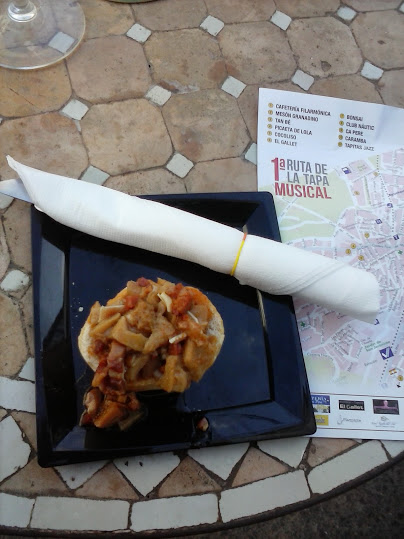
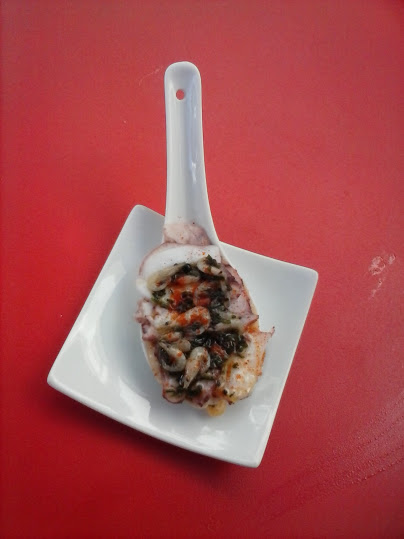
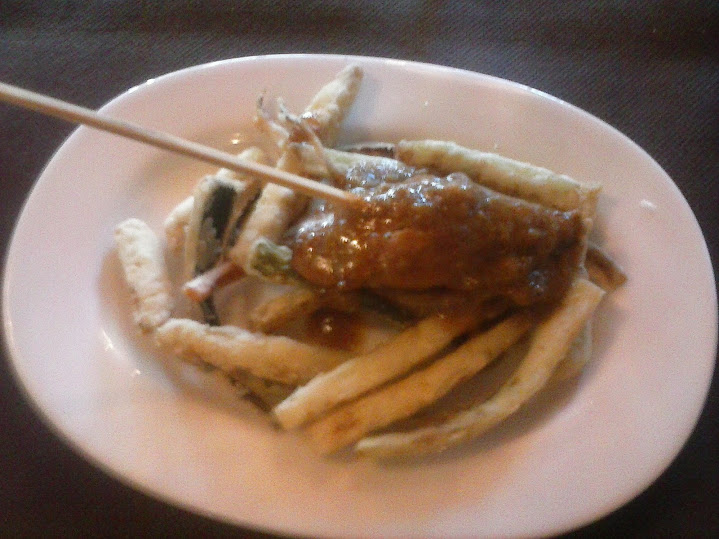
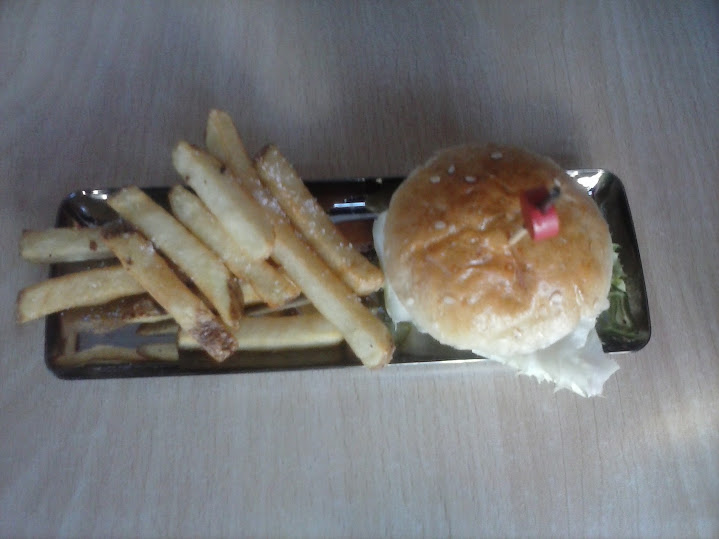
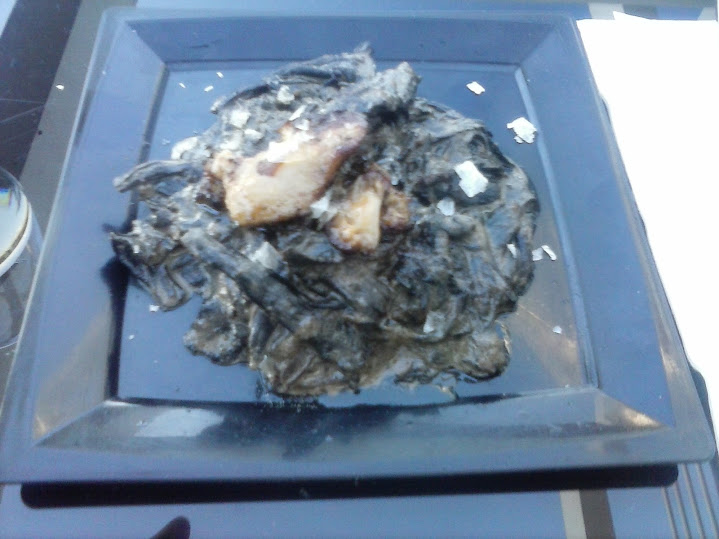
This week I took advantage of a local Altea tapa trail. In conjunction with the local Societat Filharmonica Alteanese (Valenciana for Philharmonic Society of Altea), 11 local restaurants participated a the Primera Ruta de la Tapa Musical. Each restaurant, except one,  offered two creative, musically-inspired, tapas, for 2,50 Euros and included a glass of wine. Here are the photos of each, (except for one which did not have their tapa available.) The descriptions under the photos list the name of the restaurant, and their description of the tapa. Interestingly, the information was only offered in the local dialect, Valenciana, which I am gradually learning to read. Please feel free to ask me for any translations.

tapitas

Tapitas Jazz: Callos a la Asturiana


Picaeta de Lola: Sinfonia del Mar: Carpaccio de pulpo con vinagreta de camarones y cebollino

Picaeta de Lola: Sinfonia del Mar: Carpaccio de pulpo con vinagreta de camarones y cebollino


El Gallet: Albóndigas Cordobesas

El Gallet: Albóndigas Cordobesas

Tan Bé: Acorde al bar será una mini hamburguesa en formatge de cabra i pebrera carmelizada

Tan Bé: Acorde al bar será una mini hamburguesa en formatge de cabra i pebrera carmelizada

Restaurant Can Tapetes Del Port: Montadito de foie arrebossat amb festucs I tompetes de la mort a la crema. (Tastes better than it looks!)

Restaurant Can Tapetes Del Port: Montadito de foie arrebossat amb festucs I trompetes de la mort a la crema. (Tastes better than it looks!)

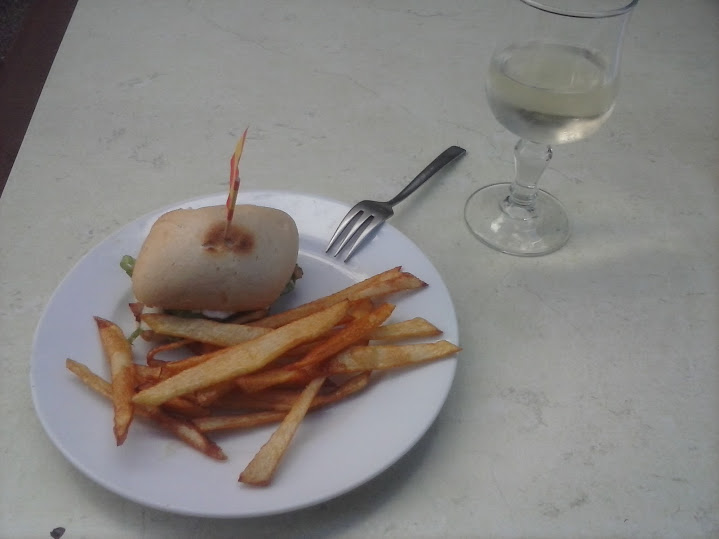
Mesón Granadino: Rondeau Granadino: Pulguita de jamon al horno con lechuga y cebolla

Mesón Granadino: Rondeau Granadino: Pulguita de jamon al horno con lechuga y cebolla

Caramba: Radiohead: Montadito de carpaccio de ternera karma police

Caramba: Radiohead: Montadito de carpaccio de ternera karma police

Ca Pere: Piano de coca, con lomo de orza, emulsion de comino, cebolla encurtida a ajo negro

Ca Pere: Piano de coca, con lomo de orza, emulsion de comino, cebolla encurtida a ajo negro

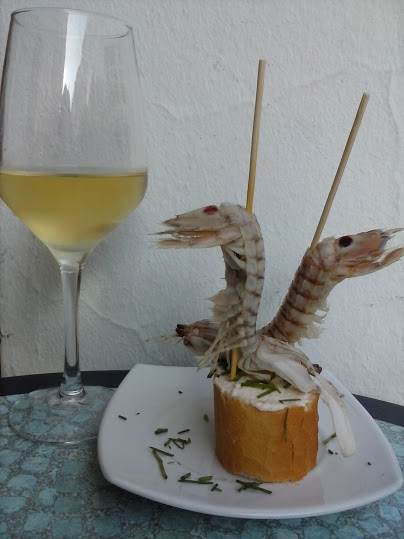
Bonsai: Fagot: Galera

Bonsai: Fagot: Galera

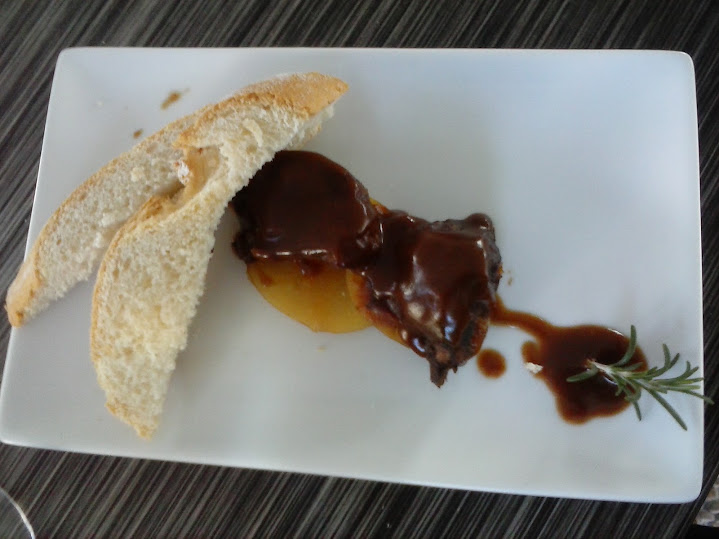
Cocoliso: Clave de Sol: Carrilleras al vino de jerez (patata panadera, carrillera, salsa española especias)

Cocoliso: Clave de Sol: Carrilleras al vino de jerez (patata panadera, carrillera, salsa española especias)


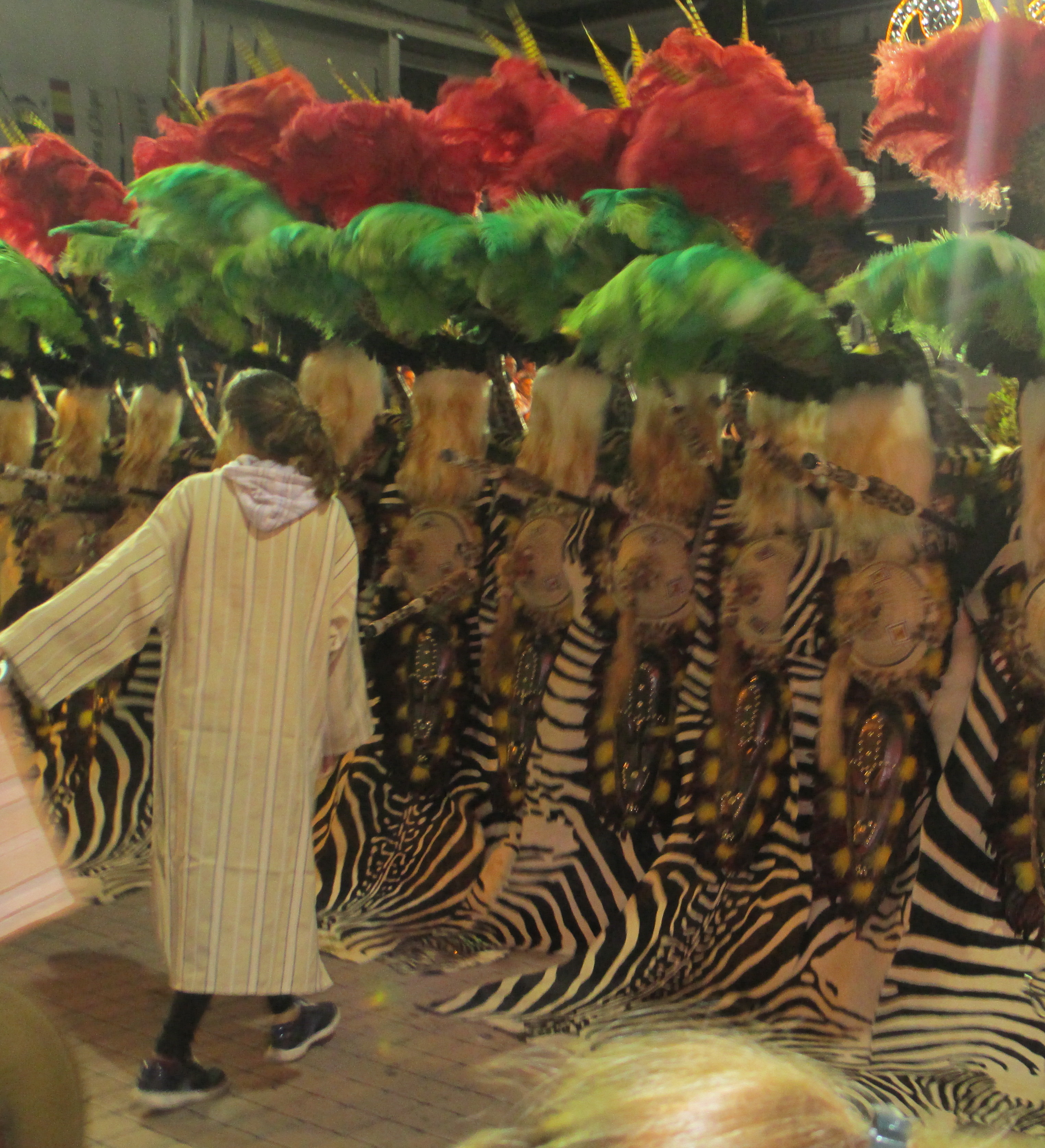
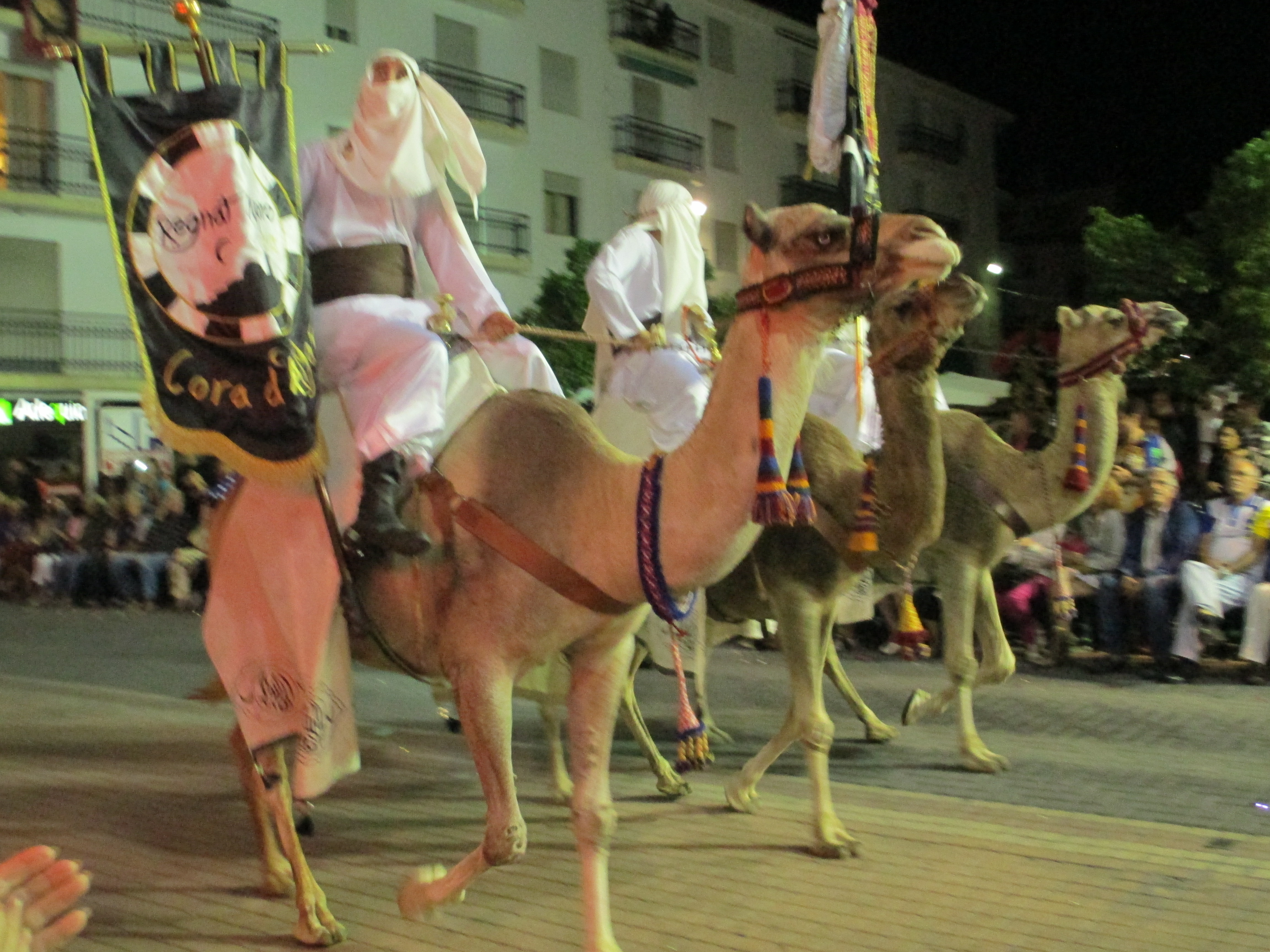
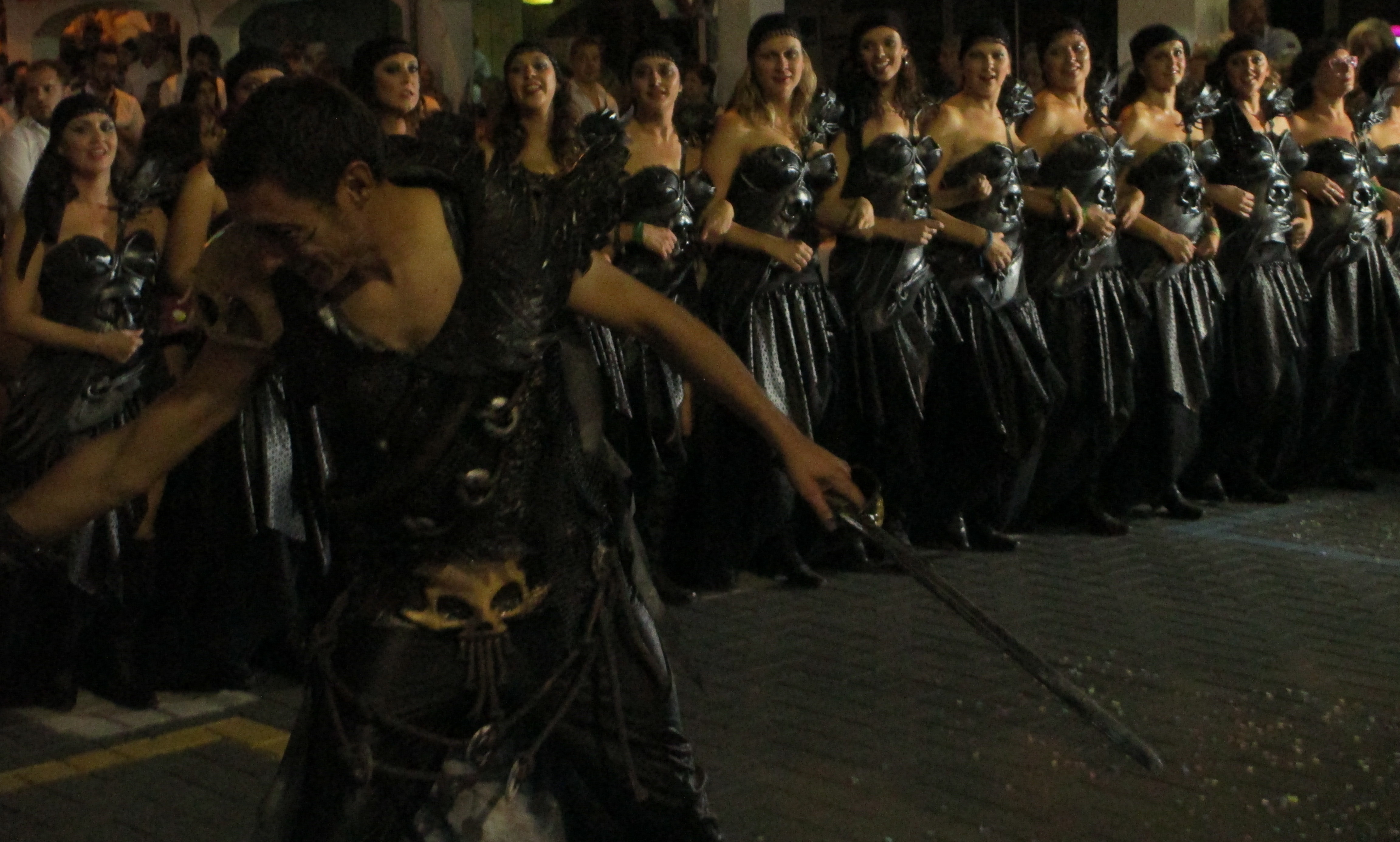
10 Best Images of Moros Y Cristianos Festival Altea: Entrada Mora

8 Nov

In my two prior posts, I blogged about one of Altea’s most celebrated holidays, Moros y Cristianos. As promised, this blog post will focus on the highlight of the festival, the Entrada Mora, the spectacular parade of the “Moors.”

IMG_1524_1

IMG_1527

IMG_1530

IMG_1543_1

IMG_1551

IMG_1554

IMG_1555_1

IMG_1569_1

IMG_1571

IMG_1584

Entrada Cristiana (Christian Parade Entry): Altea

25 Oct

In my last post, I gave a brief summary of the annual Moros y Cristianos  festival, and showed some of the opening day festivities.  This post will feature a few photos from Entrada Crsitiana, and next post Entrada Mora.

IMG_1465

IMG_1502A_1

IMG_1475

IMG_1466

IMG_1477

IMG_1482

IMG_1485_1

IMG_1504

IMG_1503

Top Festival Photos: Moros y Cristianos in Altea Spain

12 Oct

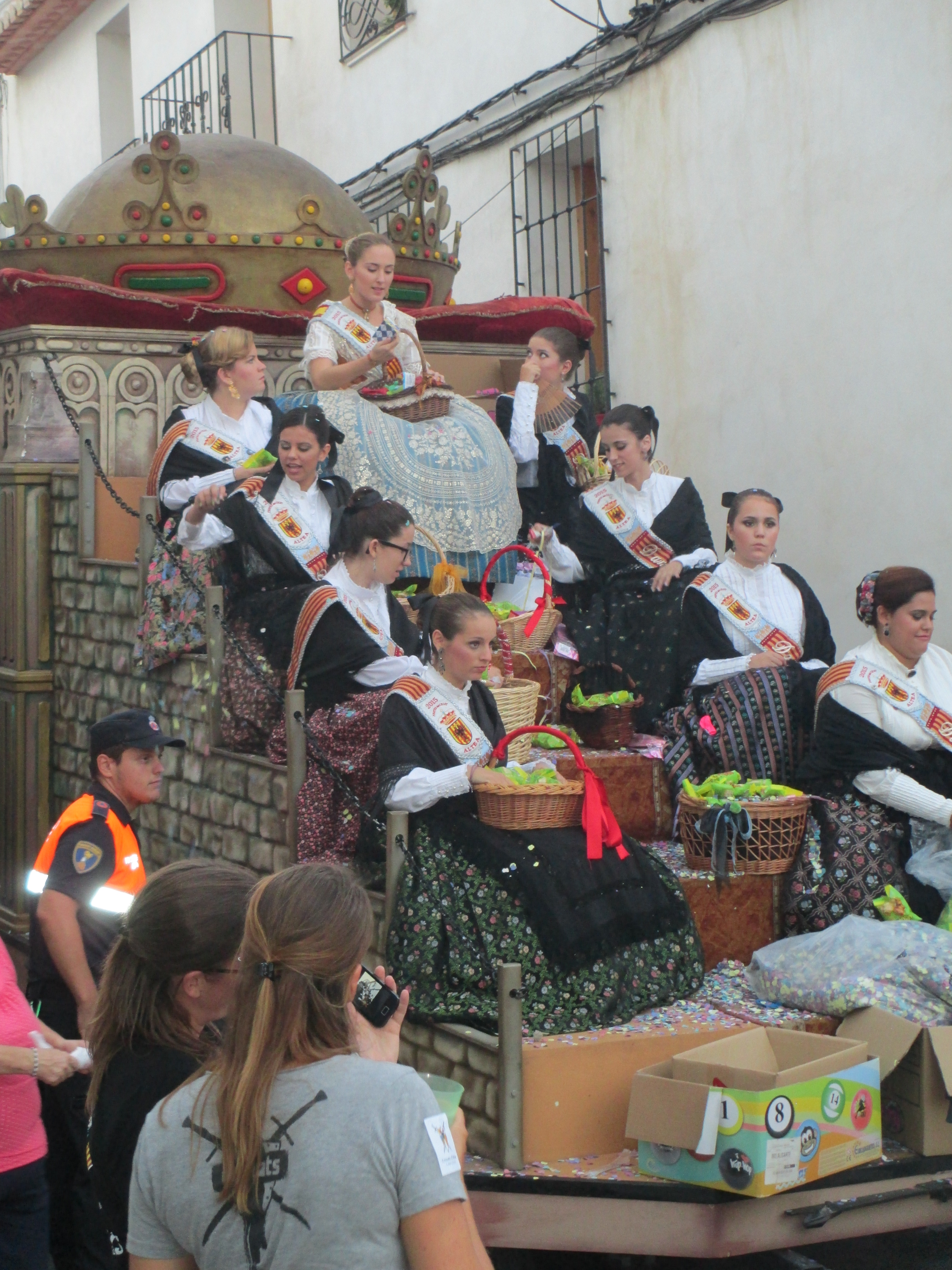
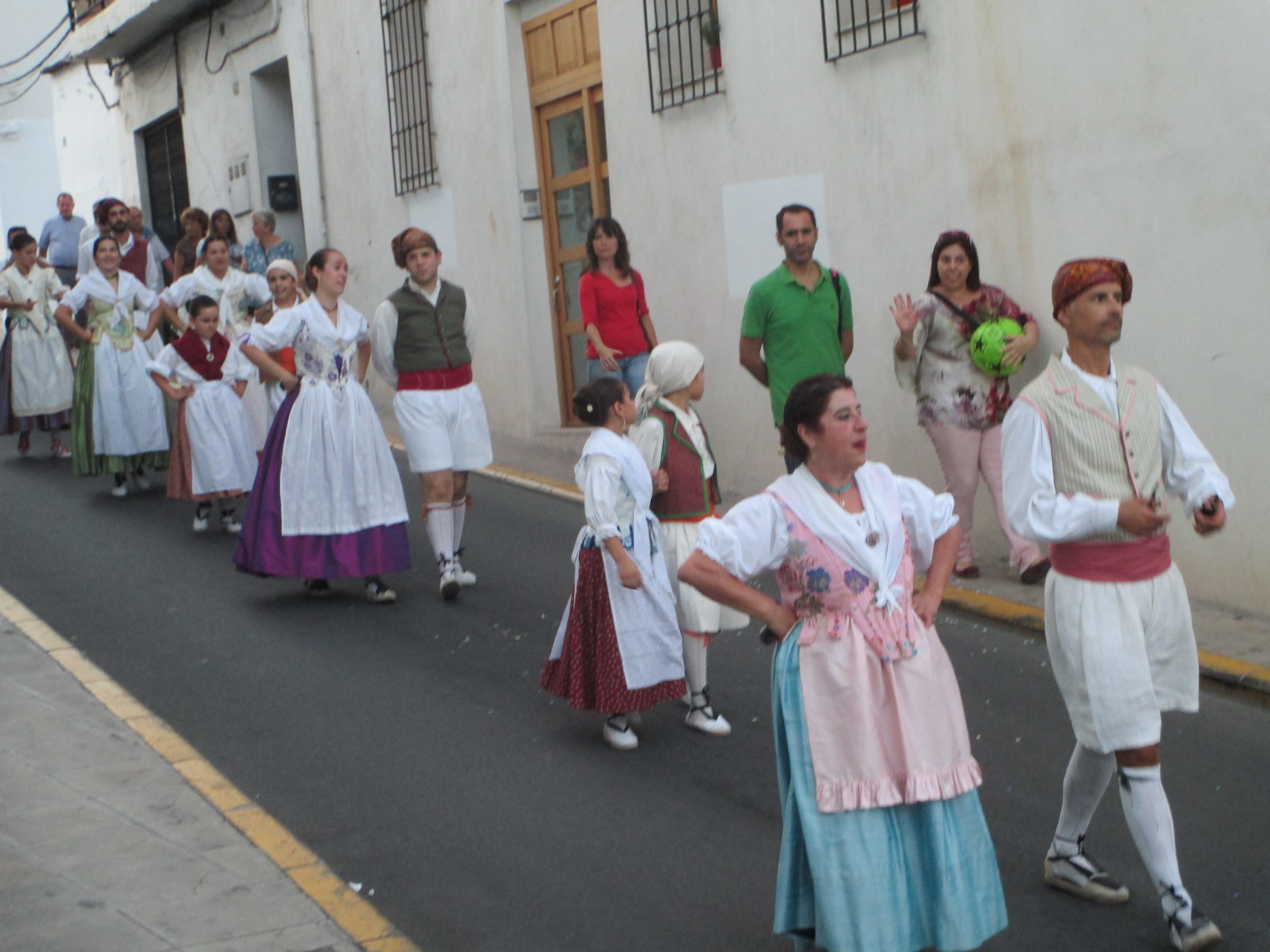
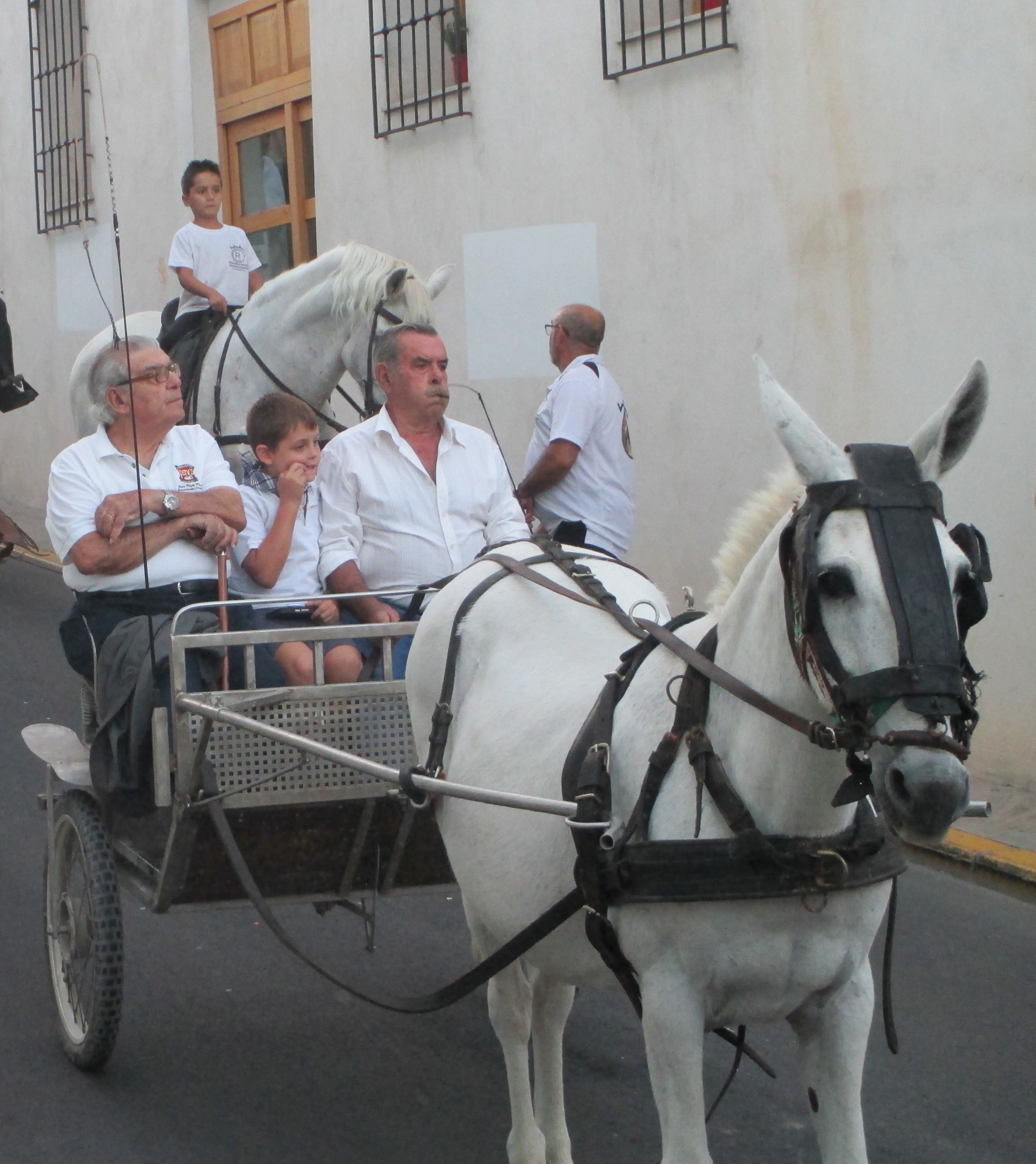
Moros Y Cristianos Festivals or Festes de Moros I Cristianos,  in Valenciana, are very popular on the Costa Blanca, where I live. In my town, Altea, the main festival takes place at the end of September, honoring San Blas (Saint Blaise, in English.) However, the preparation for the main festival takes place all year long with each crew or brotherhood. Each of the many groups has its own marching band.  As is typical of many festivals, at 8:00 or 9:00 a.m., (early by Spanish standards), there is a despertá, where musicians, drummers, and ear-numbing pellet guns stroll the streets with this form of an early wake-up call. And it is early as many of the festival participants party into the wee hours of the morning, with live bands starting nightly some time after midnight. This main part of the festival occurs Thursday through Monday, with the most popular event being the Monday night Entrada Mora, the parade featuring the “Moors.” I did ask around to find out if any actual “Moors” or Muslims participated, but was told no. This type of festival would not “fly” in the US but there are a number of festivals in Spain that may seem politically incorrect in other countries. In some of the photos of the brotherhood of the Moros, you will notice cigarettes and beer in hand, during the daytime marches. One of the “brotherhoods” has their headquarters just across the street from my patio, so I often get to witness their preparation and celebrations. Whatever one’s feelings are about the political incorrectness, the local atmosphere is electric with anticipation and excitement for the festival, and the music and costumes are fantastic.

In my next two blogs, I will provide photos of the Cristianos and the Moros, respectively.

Opening Day Festivities

IMG_1421

IMG_1406

IMG_1409_1

IMG_1396_1

IMG_1410

Procession up the hill to the Church in Casco Antiguo with many fabulous musicians

IMG_1425

IMG_1438

IMG_1450

IMG_1446

Preview of my next post on the Entrada Cristiana

IMG_1502A_1

Preview of post on Entrada Mora

IMG_1546_1