Archive | Historic RSS feed for this section

Terrorism and Travel

22 Mar

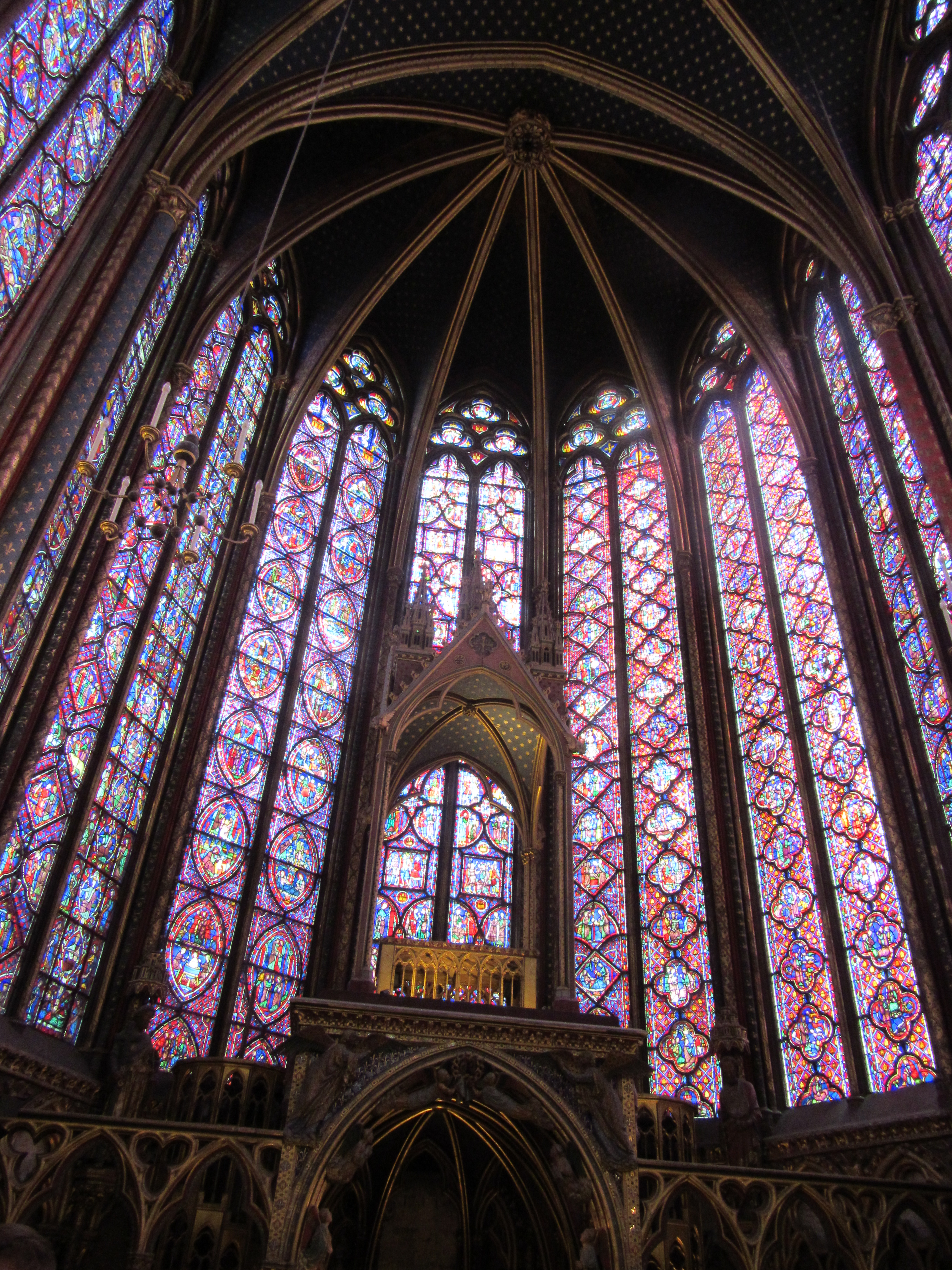
Gothic Sainte-Chapelle stained glass

A shooting involving a terrorist at Paris’ Orly Airport, while I was going through the security check there, was an anticlimactic end to my 60th birthday celebration in Venice and Paris with my middle son, Michael. Orly is France’s second largest airport. Just before I was scheduled to board my flight home to Alicante, Spain, I noticed the departure gate had changed to the downstairs departure area. As I tried to go to the new departure gate, the airport security officers told me there would be no more flights that day from Orly. Without explanation, they corralled us into the far half of the boarding area, not allowing anyone to leave. The televisions were switched off, and the departure screens frozen, which continued for several hours. We never received any notification from airport staff as to what was occurring, but I googled “Orly news” where I learned that a terrorist had tried to wrestle a gun from an airport police officer, and that he was shot. I did not learn the details until after returning home. Even though I had been told around 845 a.m. that there would be no further flights from Orly that day, around mid-day, without any speaker announcement, the boarding boards were turned back on, although without accurate, updated information on departure times. We finally boarded and departed around 330 p.m. As I write this on March 22, 2017, there has been a terrorist attack in London near the Parliament, and possibly inside.


There is no place in the world in which one is free from the possibility to violence, terrorism or even natural

Sacré Couer

disasters. In 1998, not long after the terrorist attack on the U.S. Embassy in Nairobi, Kenya, my oldest son and I went to Nairobi and then on safari the Tsavo Park area. Of course, at the time, we didn’t know that the attack was part of an organized terrorist organization. Not long after an American Airlines flight crashed in Queens, a borough in New York, in November 2001, only two months after New York’s September 2001 attacks, we flew to Europe. It was initially speculated the crash could have been a terrorist attack, but it was later determined to be caused by human error. During a tour of eight African countries, while in Bamako, Mali, the nation’s capital, we stayed at a hotel, where several years later, in spite of security, Islamist extremists took 170 people hostage, shooting 20.


Enjoying live classical and Brazilian music at Venice’s Caffè Florian, reported to be the oldest café in the world, dating back to 1720

That said, as a psychologist, particularly a forensic psychologist where we rely heavily on statistics, I make informed decisions based on statistics rather than irrational fears. By far, I have a significantly greater chance of being killed by violence, particularly in the U.S., or by disease, or accidents. I choose to live my life with joie de vivre, focusing on relationships, food, culture, adventure, and curiosity. And if I should meet my end in a travelling accident, for me, that is far better than being holed up in my home or a bunker, or living my life in fear. To that end, I will be providing future blog posts on my Venice and Paris trip, and am providing a sampling of those photos here.

Visual Alicante

9 Jan
Ayuntamiento (town hall) with sliver of Santa Barbara castle

Ayuntamiento (town hall) with sliver of Santa Barbara castle

1893 ceramic business sign

1893 ceramic business sign

Ornate door with plays of shadow and light

Ornate door with plays of shadow and light

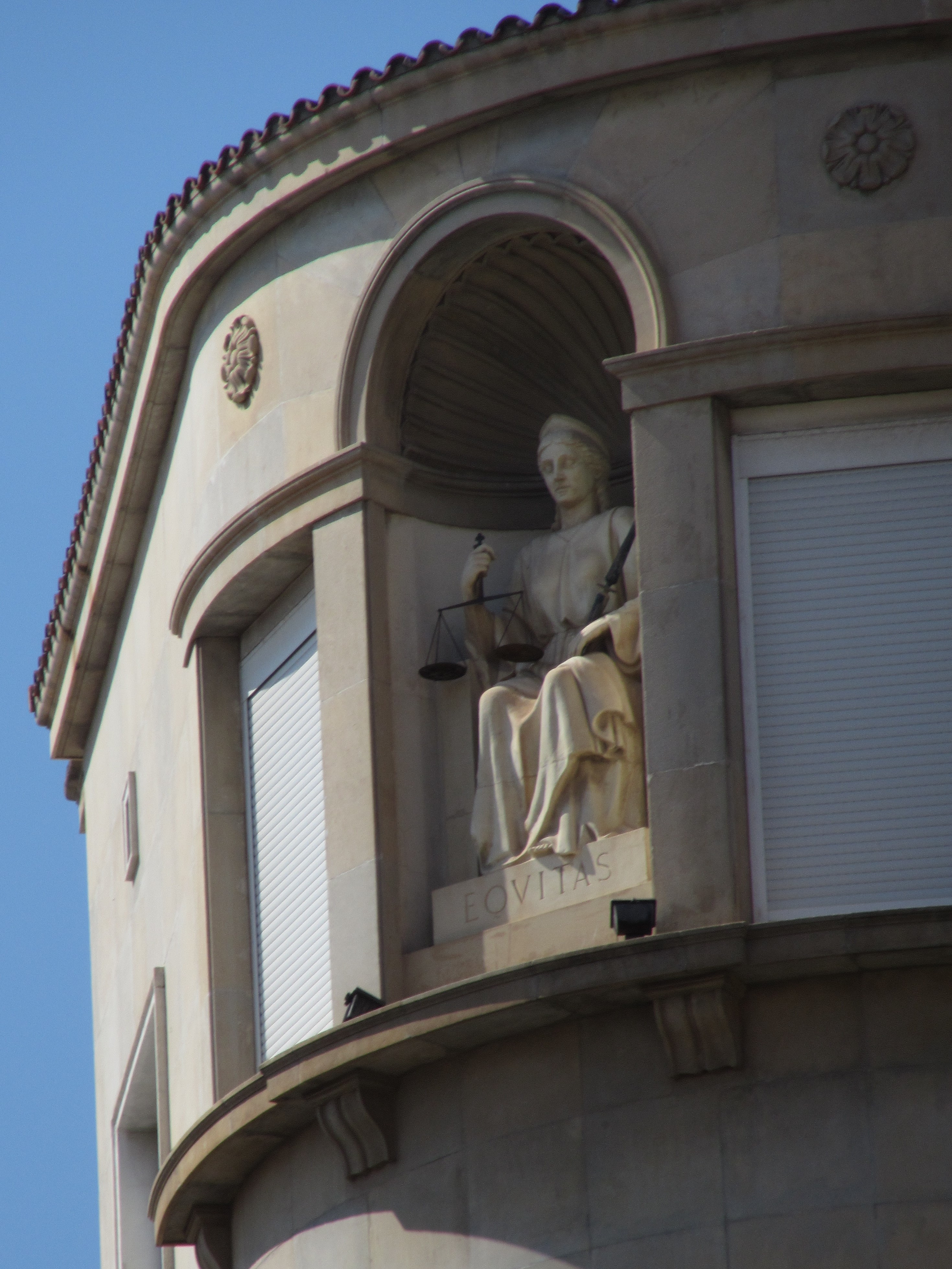
Statue on top floor of building

Statue on top floor of building

Charming house

Charming house

Old town buildings with original materials and signature blue pots

Old town buildings with original materials and signature blue decorations

Decorative historic door

Decorative historic door

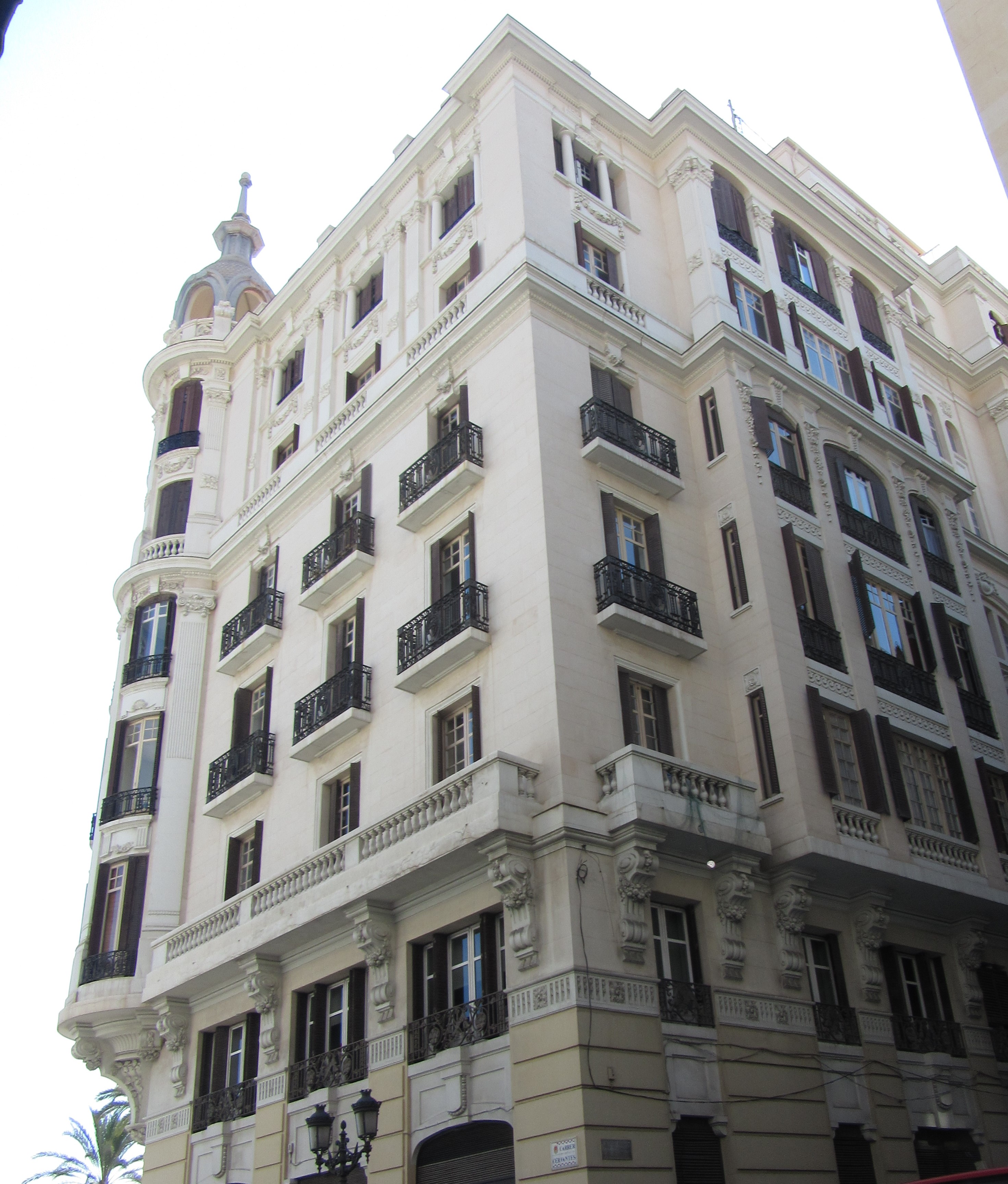
Architecturally interesting building

Architecturally interesting building

Old door

Old door

Taxi Travel Perils and Moros y Cristianos in Altea Spain

9 Oct
Moros

Moros

“The taxi driver wouldn’t follow the directions you provided. He said, ‘Moros y Cristianos’ and ‘impossible,’ then stopped, unloaded our luggage and told us to get out. We don’t know where we are.” This was the first comment from my friend who had just arrived in Altea from California. In addition, the WhatsApp wouldn’t work for her, so I hadn’t gotten any of her prior calls. Having not heard from them at the expected arrival time, I then called her via regular (expensive) international mobile rates, which is when I received her panicked statement.


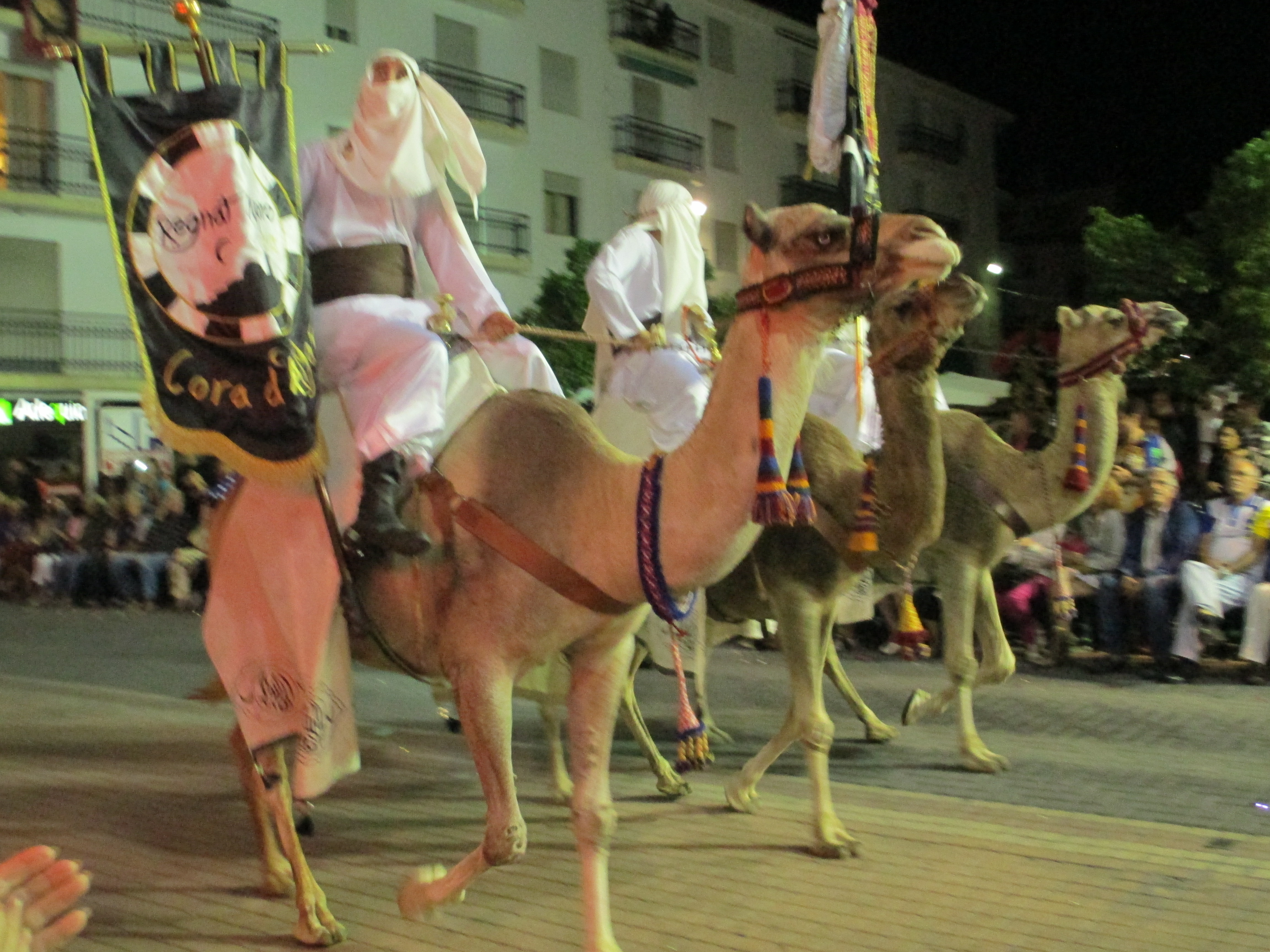
Camels with Moros

Camels with Moros

In anticipation of the arrival of my two girl friends from California, I fretted over possible, or should I say probable, problems with the cab driver getting to my apartment during the annual Moros y Cristianos (Moors and Christian) festival. This was not my first problematic experience with Spanish cab drivers. My fear was realized, in spite of spending several days providing a map and writing out the directions in Spanish (and English so my friends could see if he was going the right way.) At the beginning of the directions was the admonition in Spanish (which my friend read aloud) not to go the usual way due to the Moros y Cristianos festival. In response, he simply entered my address into his guidance system, and drove to the starting spot of the parade, at which point he dropped them off on the highway (Carretera 332) that runs through Altea.


Christian fila party across from my apartment

Christian fila party across from my apartment

After eventually figuring out where they were, I found them near the start of the Moros y Cristianos parade route. With luggage in tow, we then proceeded to the seats on the parade route a local friend had saved for us. Although I had told them they would be in Altea during the Moros y Cristianos festival, they had no idea of the magnitude and pageantry of it. The festival commemorates the Christians reconquering the areas of Spain that had been conquered earlier by the Moors.


img_2021

King in the procession to the church plaza from my window

Nor did they anticipate the incredible level of noise associated with most festivals in Spain. In the early morning, there is the despierta (wake-up) when the local filas (brotherhoods) proceed up the hill toward the church plaza while their respective brass bands play and others fire noise-making guns and firecrackers, all the while drinking and smoking. (Having attended the festival for two years, I have only seen one Muslim participate.) Throughout the day, the many filas have parties at their individual sites, with food, alcohol and music. The fila Moros across the street from my balcony, Els Malvins, have a fabulous group of musicians, which I am privileged to enjoy without having to leave my home. In addition, there are many other adjunctive activities such as midnight fireworks, re-enactment of battles between the two groups,


Solemn religious procession

Solemn religious procession

The festival culminates with evening parades, first the Moros, the next day a solemn religious procession, and finally the Christians. After those parades, the filas return to their home sites where they continue to party until the early hours of the morning. In addition, there are live music/dance venues that start after midnight and go for many hours. I don’t know how they can stay awake that long, let alone, party that intensely. Tellingly, on the day after the festival ends, almost all of the local businesses are closed, apparently for recuperation and clean up.


IMG_2012.JPG

Quail with apple slices, grapes fruit compote


My friends were thrilled with the Moros y Cristianos festival, as well as many other aspects of Spain, including the friendly international locals, the many varieties of activities, day trips to other towns, fabulous food and the ambience of beautiful Altea.


A Fulfilling, Less Stressful Life Running an Artsy Bar in Idyllic Altea Spain

7 Jun
saraanddavidaltearte

Sara and David at their artsy bar in Altea

In the same week, Sara Wilson lost her job as a staff writer for a major business magazine, and her husband, David Fernandez, lost his position as a private chef for socialites in New York City. They used that as a springboard to “re-examine our careers and quality of life.” They originally met in France, married and moved to California, then to New York to further their careers. Even though they liked certain aspects of living In New York, their lives were stressful, too money driven, and they didn’t get to spend much time together. Sara reflected, “Life gave us solution when we got laid off within a week of each other.” After considering their options, they initially decided to move to more relaxed Spain with the idea of opening a restaurant with David’s father. When that didn’t work out as anticipated, Sara and David started exploring other options, and eventually settled on opening a bar and eatery.


Sara reported, “My six years at the magazine job interviewing entrepreneurs helped us in the process of starting our business.” She added, “Ironically, I learned from people’s stories and their tips for success.” David had previously completed culinary training in Paris. She noted, “David is more of a visionary and risk-taker than I am, but it was our joint talents that helped us develop a successful business.”

altea

Picturesque and historic Altea

They spent several months exploring towns in the Costa Blanca area along the Mediterranean. They briefly looked at touristy Benidorm, but it did not possess the attractive and friendly location they were seeking. Then, “Unexpectedly we encountered a village paradise…called Altea,” recalled Sara. “We loved Altea’s stunning coastline, white pebble beaches and inviting and tasty restaurants lining the promenade.” But it was when they entered the old town, once a fortress, that they were really “awestruck. We loved its picturesque, narrow, pedestrian streets, punctuated by small artisan shops, that lead up to the hilltop church plaza.” Thus they set about on finding a place in the old town, known as Casco Antiguo.


Not long thereafter, they found an apartment and a place to start their dream business, a café/bar which was promoting various forms of art. “The rent was the cheapest we had found, and was the right size for just the two of us to run.” It consisted of two floors that had been transformed from an old house. We liked the fact that it had a mezzanine, a decent stock room, it was just one street down from the church plaza, and was on one of the most charming streets of Altea.” The business had been operating primarily as a sports bar, with a focus on the arts, as well, hence the name AlteArte. Importantly, “The bar already had a local clientele.”

They bought the business, but not the building. Sara stated, “We had been warned that it was important that the business have an existing business license. Just as we were ready to finalize the purchase, we learned that AlteArte did not have a business license.” The owner had applied for it and it was reportedly in process for a substantial period of time, (not unusual with the Spanish bureaucracy), but it had never been completed. Once the owner was aware that this unresolved issue was holding up the sale, the license was quickly approved. Sara and David speculated that the business license application was likely languishing with the local authorities, and that the owner, who was a local native, got the process completed quickly. Sara said, “It helped to buy a turn-key business, with an established clientele.” The prior owner, who sold them the business, wanted Sara and David to be success, and was supportive in a variety of helpful ways.

alteartegrouppix

Typical evening with friends at AlteArte

Sara and David “wanted to change the ambience to a cozier environment, which we did by adding tables and changing some of the décor.” They later hung their now iconic multi-colored bicycle upside down from the ceiling, and added some other kitschy design elements. They provide Wi-Fi, and show major soccer matches (“fútbol”).   “By changing things, we lost some of the former clients but gained others.” During their first year in business, they were often complimented on their tasty mojitos, so they decided to make that a focus. They setup an increasingly growing mojito menu, and identified AlteArte as a “mojiteria,”which set it apart from the other bars. They also make “nojitos,” alcohol-free mojitos. Adapting to client demonstrated preferences, “We abandoned our early idea of making it a coffee-centric business, instead focusing on our excellent selection and preparation of teas,” in addition to other typical bar beverages. Although their service focus is primarily on beverages, they also have a small selection of tapas and quesadillas, the latter being a popular, but rare item in Altea.


alteachurch

Casco Antiguo in Altea

Asked if they have encountered any problems or challenges in setting up their business, they reported initially the neighbors complained about noise and the tables and chairs they had placed on the stairs adjacent to their building. “Eventually, we were able to make peace with the neighbors, after convincing them that we would keep the noise down, and not cause them any problems.” During the slow time of year, they do minor renovations to AlteArte, but they noted it is hard to find qualified people who complete the work in a timely fashion. After deciding to start their business in Altea, Sara quickly began learning Spanish, something she felt essential in running their business.


The owner of their building had been renting out the top floor to various people as a shop with touristic and artisan items, but after a series of several failed businesses there, he asked Sara and David if they were interested in adding the top floor to AlteArte. “We decided to take this opportunity to expand. The top floor is primarily for special events and gallery exhibits, as well as weekly intercambio (Spanish English language exchange.)” AlteArte exhibits “one or two artists’ works each month.” The middle floor is an inviting area with pillows and populated with board games.

“The customers, new and old, shaped AlteArte’s atmosphere by natural evolution.” They have about an equal percentage of local and expat customers, with “most ex-pats in this area of the Costa Blanca area of Spain being Scandinavian.” In the beginning, most of their clientele came through word of mouth and Facebook. After opening the gallery on the third level, we reached out to local newspapers and magazines to promote those events.”

After they first opened in February 2010, Sara and David ran the business by themselves. “During our second and third summer, we hired our first employees. In our fourth year of operation, we hired Emily as our first full time employee. She had been a patron, and she had a good work track record of seven years at one local restaurant.” They emphasized it is very important to check out the reliability and work history of potential employees in Spain as there are generous laws favoring them, such as being allowed substantial sick leave just after being hired. A few months later, they hired another young woman, Ampy, full-time. Both employees are friendly, competent, and able to communicate with the clients regardless of what language they speak. “We pay them a little more than the typical local wage, and uncommonly, we also give them one day off a week including during the busy summer months.”

saraanddavidaltearte2.jpg

Sara and David inside AlteArte

When asked about other start-up or ongoing expenses or requirements, “there was an initial food safety course, basic business insurance, and nominal annual taxes.” They have not had any tax liability in the United States based on their Spanish net income. “We recommend using a gestoria,” which is a person whose task is to deal with the idiosyncrasies of Spanish government departments, for paying complex fees and taxes. “We receive an annual visit from the health department to check for correct refrigerator temperature and proper sanitation.” With regard to promoting AlteArte, “We have done some marketing by advertising our business in local tourist maps. Because we are in the Old Town, which is a steep, historically-protected area, we are not required to have handicap accessible facilities.” Sara reported, “AlteArte has allowed us to cover all of our expenses including the luxury of having two employees” which affords Sara the opportunity to spend long visits with her family in California. This year she has had two separate one-month visits with her family. AlteArte has given David, now 40, and Sara, 37, “a more comfortable, and significantly less stressful lifestyle than at our prior high pressure jobs, and the opportunity to spend more quality time together.”


When asked what advice they would give to others considering opening a business in Spain, they recommend, “Be patient and committed.” They said, “One cannot expect to open a business just for a summer, and turn a profit.” They also stated it is important to understand the demand for the type of business one is considering, and the required permits if starting from scratch. “It is also essential to have enough capital for start-up costs, slow periods, and unexpected expenses.” Sara said, “I’m kind of glad I didn’t know before we started how many businesses end up closing down.”

Now celebrating over six years of operation, AlteArte, is a favorite with local ex-pats, Spaniards, and international travelers. They feature monthly art exhibits by local artists; a book club for which Sara often arranges for the author to be present in person or remotely; live music; weekly Spanish-English language exchange (intercambio); movie nights, craft, drama and dance workshops, cooking competitions, and many more. Asked about her most cherished memory, Sara quickly reported it was when director Eugenio Mira, an Altean native, chose to premier his movie Grand Piano at AlteArte, and afterwards had a question and answer session.

Three Days in Enchanting Granada

24 Apr
IMG_1757.jpg

The Alhambra


As previously arranged, the last Muslim ruler in Spain, Boadbil, reluctantly handed over the key to the spectacular Alhambra to the Spanish monarchy on January 1, 1492. No matter how much I have read about the Alhambra, I was still gobsmacked by it, from its size and beauty, intricate carvings, water features, gardens and the overall grand, but tranquil, enchanting ambience. By 1238, with the taking of Cordoba from the Moors, the Spanish “Reconquista” had regained all of Spain with the exception of Granada. Under a peace agreement with the Spanish monarchy, Granada flourished. Under Moorish rule, the site of the Alhambra was used as a fortress, and in the 13th century the Nasrid Dynasty began building the Alhambra complex. Any attempt to provide an accurate portrayal of the Alhambra will be woefully inadequate in describing its unique architecture and beauty. The Generalife, the nearby country gardens and buildings on the Alhambra’s northern area are perched higher, resulting in a cooler, inviting respite for the Nasrid rulers and their associates. A view of the snow-capped Sierra Nevada, Spain’s tallest mountain range, can be enjoyed from the Generalilfe. I recommend the tour of both the Alhambra and Generalife, which takes around 4 ½ hours. Be sure to purchase your tickets well in advance as tickets are often sold out, arrive early, and wear comfortable walking shoes and bring shade from the sun.


IMG_1722.jpg

Palace of Charles V


After more than 250 years of rule under the Moors, King Fernando and Queen Isabel fought to restore Granada to Spain, which they succeeded in doing on January 1, 1492. The Alhambra was spared from the usual destruction and/or conversion to Christian buildings, which makes it a unique attraction. However, their grandson, Charles V, built a palace in the Renaissance style within the walls of the Alhambra, which makes for an odd, but interesting juxtaposition to the Moorish designs. This building houses museums of Spanish-Islamic Art and Bella Artes (Fine Arts.)


IMG_1740

Albaicín and El Sacromonte

The Albaicín is the Moorish old city, which faces and provides one of the many fantastic views of the Alhambra. The Albaicín has a jumble of narrow streets and historic homes called Carmenes, the latter which consist of external high walls to provide privacy and internal fountains, patios and inviting living spaces. The Albaicín church of San Nicolas is a popular destination, and its plaza affords panoramic views. In the hills just above the Albaicín is the El Sacromonte, the caves where gypsies live and perform flamenco shows.


In 1523, work began on Granada’s Cathedral, which is massive and opulent, featuring both Gothic and Renaissance architecture created by a series of several architects during the 181 years during which it was constructed. It is one of the largest Cathedrals in Europe. It has a gold and white interior and features a circular capilla mayor (sanctuary) with five naves and multiple chapels. Its stained glass dome, large chorale books, and huge pipe organs are also noteworthy. Adjacent and joined to the Cathedral is the Capilla Real, the Royal Chapel, which was built for the royal monarchs between 1506 and 1521. It houses an ornate grille enclosing the altar and the marble sculptures of Fernando and Isabel, their daughter, Juana La Loca and her husband Felipe el Hermoso. Their coffins lay in the crypt below the marble figures. Both facilities offer works of famous artists.


Plaza Nueva is the oldest square in Granada, and a good place for a beverage, tapa and people-watching. One of my favorite spots is Bodega Catañeda, a rustic, authentic tapas spot for local jamones (hams), creative dishes, and sherry. There are many eateries serving authentic Moroccan and Arabic food. Granada is fairly compact, so walking or taking a cab are the best options for getting around.


IMG_1761

Bodegas Castaneda

Since moving to Spain, I have happily taken advantage of the opportunity to explore the country’s diverse and unique attractions, including many UNESCO world heritage sites. For this special venue in Granada, I splurged and stayed at the 14th century Parador within the walls of the Alhambra. In Spain, a parador is a historic or scenic building which the Spanish government has converted into an inn or hotel. The parador at the Alhambra has been described as the best or one of the best in Spain. Queen Isabel and King Fernando were initially buried on the site, while the Royal Chapel was being built in Granada as their final resting place. The parador was a former monastery built on orders of the royal monarchs on a site which was originally a mosque. This parador provides an inviting, tranquil respite after exploring the Alhambra and the City of Granada, and its intriguing history and delicious local foods.


Alluring Alicante: Top Stops

4 Apr
Alicante with Santa Barbara Castle on the hill

Alicante with Santa Barbara Castle on the hill

Living in the beautiful, low-cost Mediterranean area of Spain known as the Costa Blanca offers many advantages, not the least of which is the opportunity to travel to enticing, affordable historical and cultural places in the country. Since moving to the Costa Blanca, I have been enjoying nearby venues, all within about an hour’s drive. Almost everything in Alicante is centrally located, so no vehicle is needed once you arrive, although local trams are available if one wants to explore outlying areas.


The cosmopolitan area, now known as Alicante, has been inhabited over 7000 years, with periods of rule by the Greeks, Phoenicians, Carthaginians, Romans, Visigoths, and Moors. One of the iconic sites visible from much of the city of Alicante is the hilltop Santa Bárbara Castle, which dates back to the period of Muslim rule starting in the 8th century. It was named for the saint day on which Castilian forces captured it on December 4, 1248. Over the centuries it endured many captures and bombardments, and was sometimes used as a prison. After a period of disuse, it was opened to the public. Entry is free, but there is a small fee to use the elevators to get to the top, or one can walk to the top. The panoramic view is spectacular.


Alicante Barrio

Alicante Barrio

Located near the Santa Bárbara Castle, is El Barrio, “the Old Quarter,” which features narrow pedestrian streets, with colorful homes and flowers, a photographer’s delight. There are numerous interesting historic buildings including St. Mary’s Church, built between the 14th to 16th centuries on top of a former mosque. Its ornate baroque façade and interior are a worthwhile stop. The Ayuntamiento (Town Hall) is a baroque building located behind the Explanada Park. Besides the beautiful architecture of the exterior, inside there are historic archeological remains, the famous “blue room,” a chapel, and cota cero, a reference point inside the building from where the height of sea levels throughout Spain can be measured.


El Barrio also has shops and stores featuring everything from handmade crafts to luxury brands. Leather manufacturing is a major industry in the Alicante area, so inexpensive quality leather products are widely available.
 

alicante-axplanade

Iconic Explanada

Alicante is well-known for its regional cuisine. There are many dining options, from informal to formal including traditional tapas to innovative gourmet tapas, paellas, fish and seafood, as well as other types of regional Spanish and international cuisines. For foodies, a visit to the Mercado Central will delight the senses with abundant displays of fresh and unique offerings. There are places to purchase prepared food in the market, and cafes just outside. Another area offering quality cuisine is in the marina area, which can be reached by taking a stroll down the Explanada de España, which is the palm-lined walkway along the Mediterranean. It is paved with six and a half million marble floor mosaic tiles laid in such a way as to create a wave-like appearance; many consider this one of the most beautiful beachside walkways in Spain.


Spaniards love friends, family, fun, and festivals. To that end, in both the Old Town and in the Marina areas, there are many inviting sidewalk cafes for socialization and rejuvenation during the day, and lively bars or discotheques where people party until the early morning hours.


Prices for a nice hotel typically start around 70€; an apartment or vacation rental may be even less expensive with two or more bedrooms, kitchenette, common living areas and laundry facilities; most beverages including wine, beer, water, and soda for around 2€; and menu del dias (two or three course special menu of the day for as low as 10€.)

10 Best Images of Moros Y Cristianos Festival Altea: Entrada Mora

8 Nov

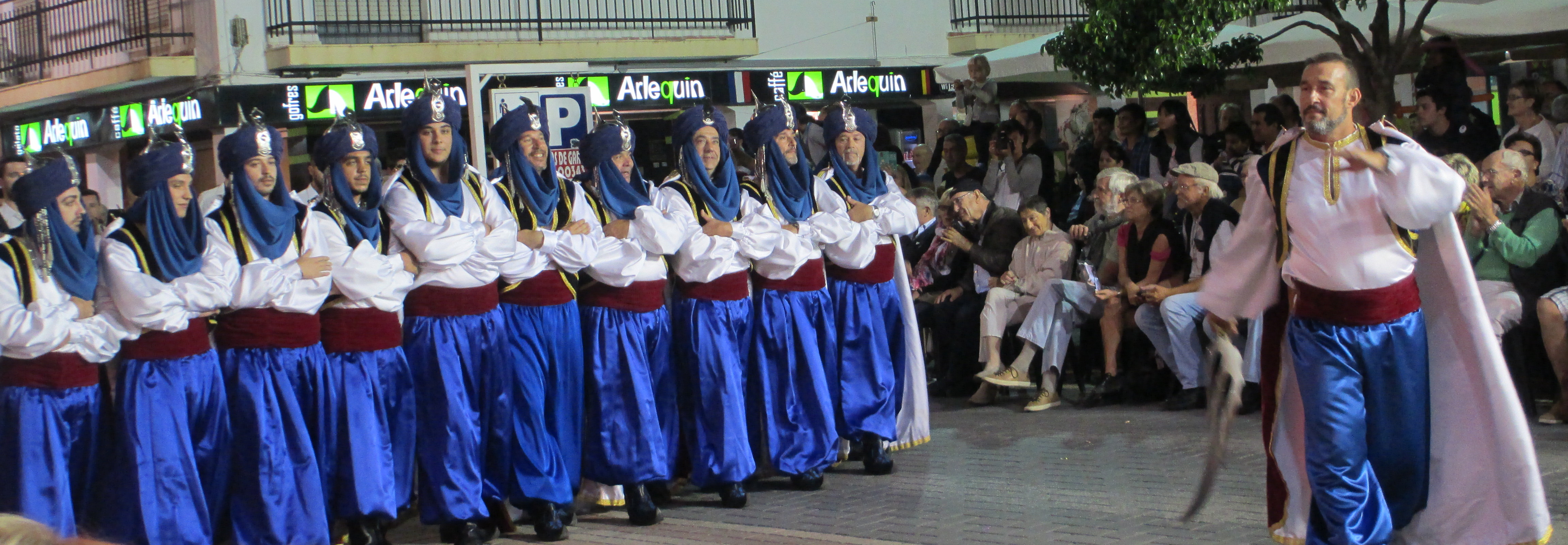
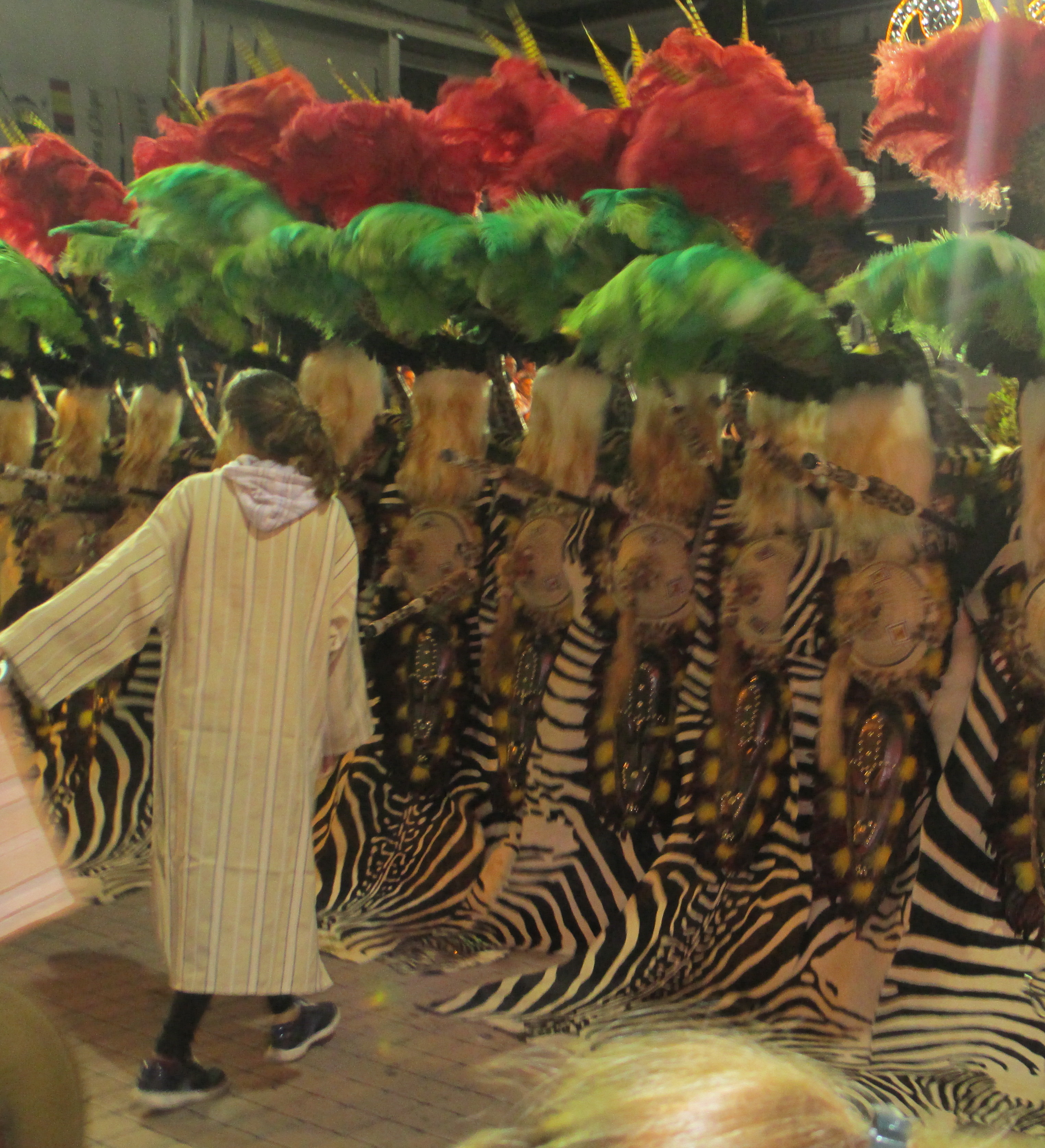
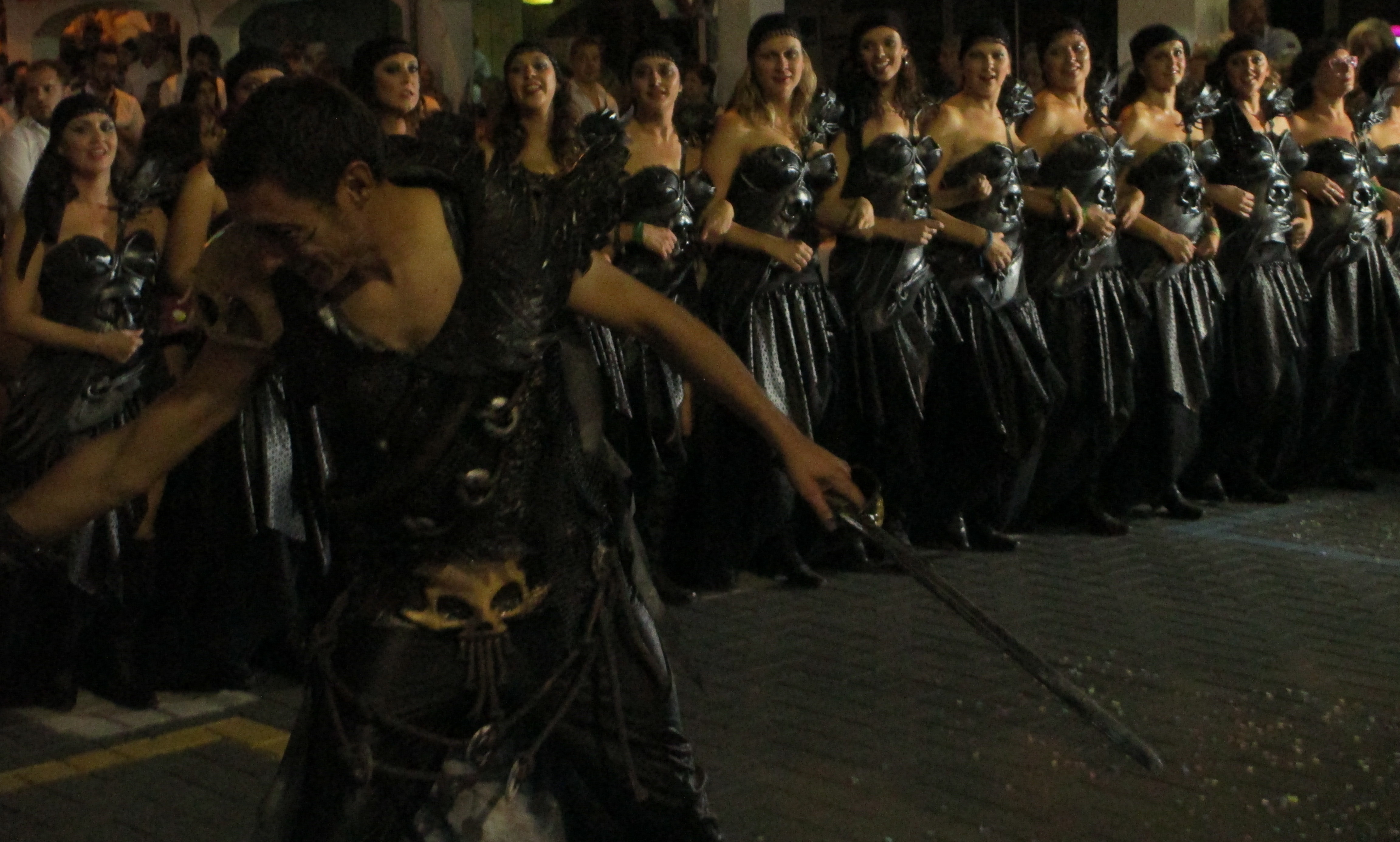
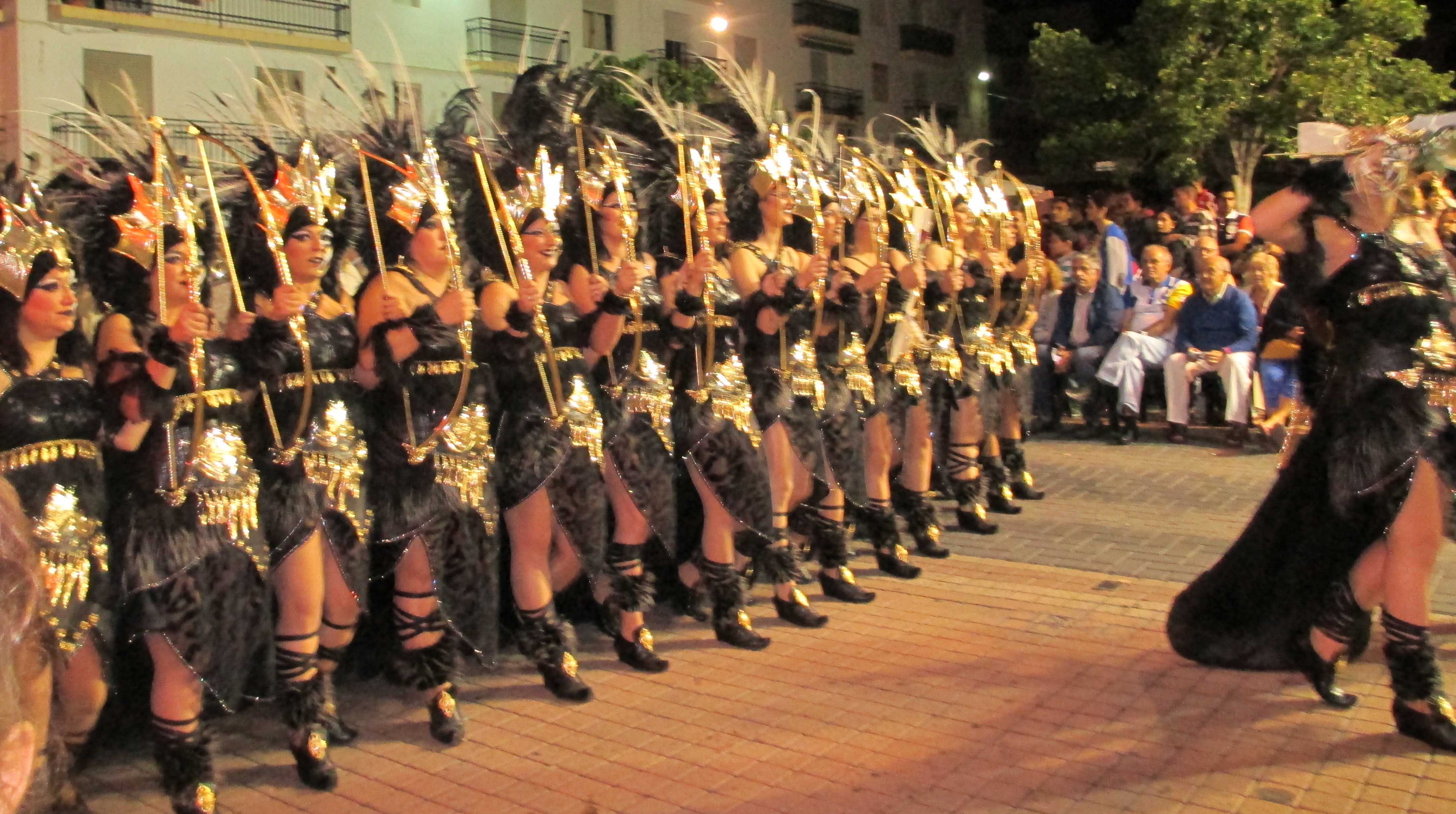
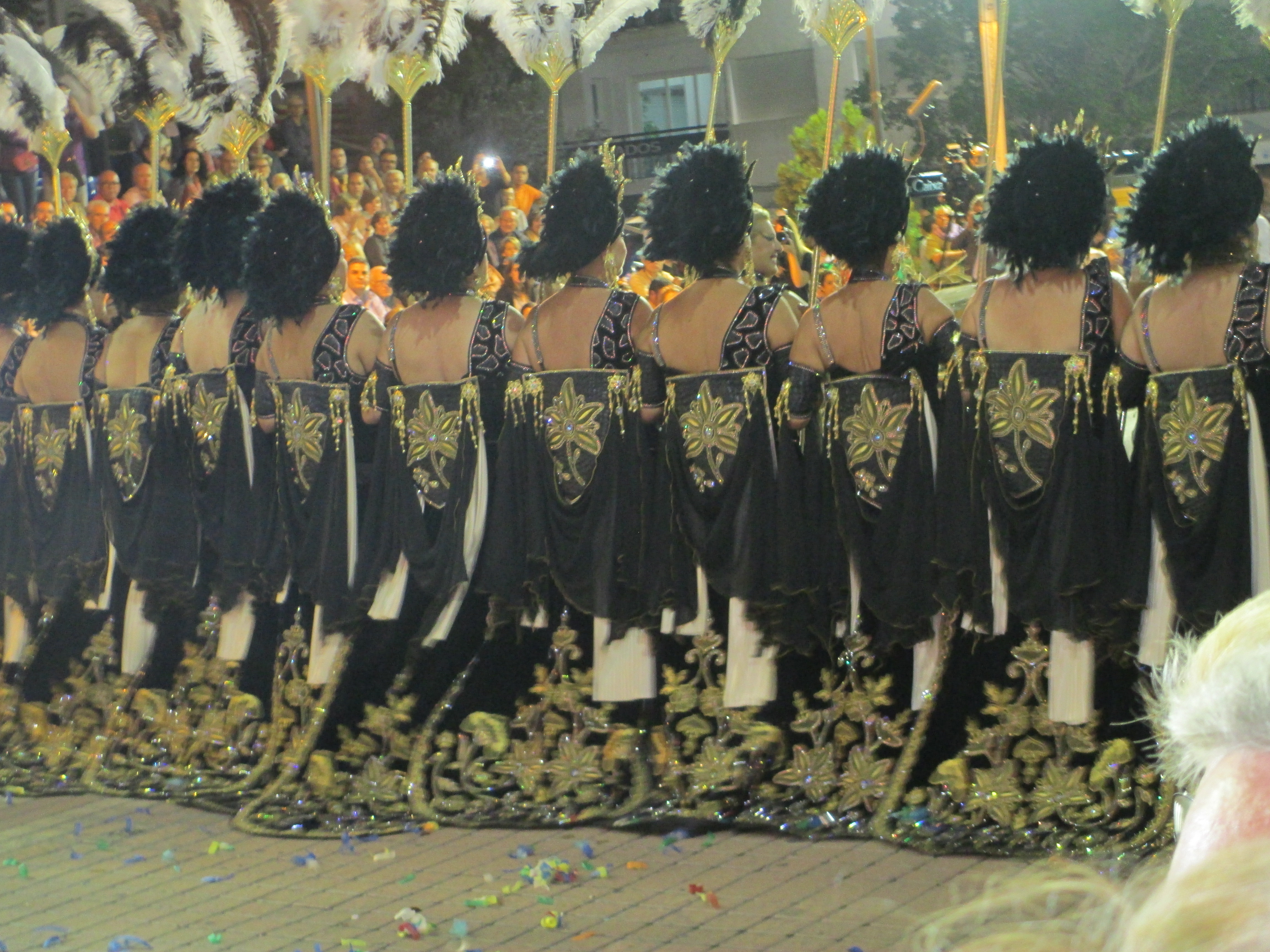
In my two prior posts, I blogged about one of Altea’s most celebrated holidays, Moros y Cristianos. As promised, this blog post will focus on the highlight of the festival, the Entrada Mora, the spectacular parade of the “Moors.”

IMG_1524_1

IMG_1527

IMG_1530

IMG_1543_1

IMG_1551

IMG_1554

IMG_1555_1

IMG_1569_1

IMG_1571

IMG_1584

Entrada Cristiana (Christian Parade Entry): Altea

25 Oct

In my last post, I gave a brief summary of the annual Moros y Cristianos  festival, and showed some of the opening day festivities.  This post will feature a few photos from Entrada Crsitiana, and next post Entrada Mora.

IMG_1465

IMG_1502A_1

IMG_1475

IMG_1466

IMG_1477

IMG_1482

IMG_1485_1

IMG_1504

IMG_1503

Top 10 Things to See and Do In Valencia Spain

21 Sep

Valencia is a feast for the senses. In another post, I displayed photos of the many stimulating scenes that gave me a feel for this vibrant historical city. The city of Valencia, and the once “Kingdom of Valencia” offer a rich, complex history with Valencia has one of the largest historical centers in Spain. Exploring Valencia from my adopted home town of Altea Spain made the drive to Valencia approximately one hour. Here are my top ten picks to see.

  1. Valencia was settled as a Roman colony in 138 BC on the strategic location of an island in the Turia River, which runs to the Mediterranean. The Turia River, which was subject to flooding the city, was diverted after a major flood in 1957, and the now-named Gardens of Turia river bed is a lengthy multi-use sunken garden with pathways, playground, gardens, fountains, athletic track, cafes, concert venue and more. Allow adequate time to meander through all or part of its nine kilometers.
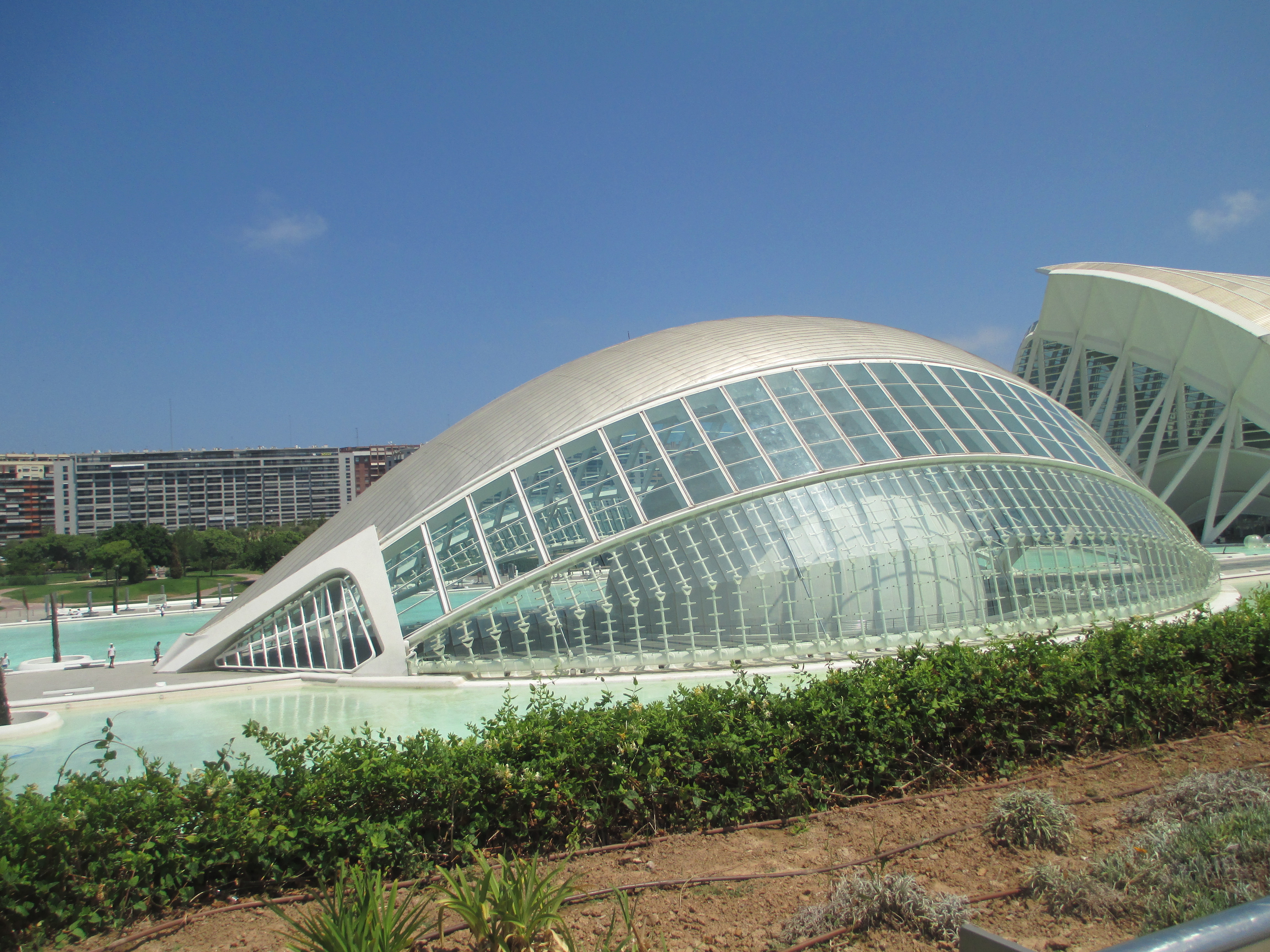
  2. Toward the east end of the Gardens of Turia is the modern, architecturally astonishing City of Arts and Sciences, whose structures were inspired by animal skeletons. It houses an IMAX theatre, Europe’s largest aquarium, science museum, and opera house. Valencia offers a whopping 45 museums, so do research the various sites to find ones (or none) that fit your interests.

    City of Arts and Sciences

    City of Arts and Sciences

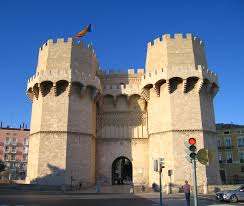
  3. The iconic pentagon-shaped Gothic Torres de Serranos (Serrano Towers) were built starting in 1392, and are the last remaining vestiges of the defensive walls that surrounded Valencia. The Towers are the historical entry point into the Valencia’s old town city centre. A hike to the top affords the visitor interesting views of the historical interior, with the reward of a panoramic view of Valencia from the top.

    Serrano Towers

    Serrano Towers

  4.  In the city centre is the Cathedral of Valencia, a 13th century church built on what were previously sites of an early religious temple and later an 8th century mosque. A chalice dating back to the first century is believed by many experts as the most probable chalice to be the true Holy Grail, used in the Last Supper. El Miguelete, the emblematic Gothic bell tower, next to the Cathedral, where there is another opportunity for spectacular vistas of the city, if you are willing to tackle the 207 step winding staircase.
  5. Valencia was widely known for its textile production and mercantile trade, and to that end, the La Lonja de le
    Ceiling of La Lonja de la Seda, originally painted blue with gold stars

    Ceiling of La Lonja de la Seda, originally painted blue with gold stars

    Seda, (the Silk Exchange) was built starting in 1482. This lavish and beautifully designed Gothic building is now a UNESCO World Heritage Site. Professional- and self-guided tours are available, as well as a free audiovisual 20 minute film about the site.

  6. Near the Silk Exchange is The Mercado Central (Central Market). Built in 1914, it has one of Europe’s largest and oldest indoor markets, with a dizzying array of fresh produce, fish and seafood, many varieties of land animals, and some common regional foods, as well as rare items. It houses a popular indoor eatery, which offers creative dishes.
  7. Make sure to try some of Valencia’s unique dishes. “True” Paella traditionally consists of only a special local rice (typically bomba), green beans, rabbit or chicken, snails and saffron, although many other types are available. It is best when freshly prepared but does take about 30 minutes, well worth it. Or try the fideuá which is similar to paella, but made with small curved hollow noodles instead of rice.
    Vegetables at Central Market

    Vegetables at Central Market

    Horchata is a popular local drink made of sugar, water and tiger nuts, the tiger nuts being introduced by the Arabs during their occupation in the 8th to 13th centuries.

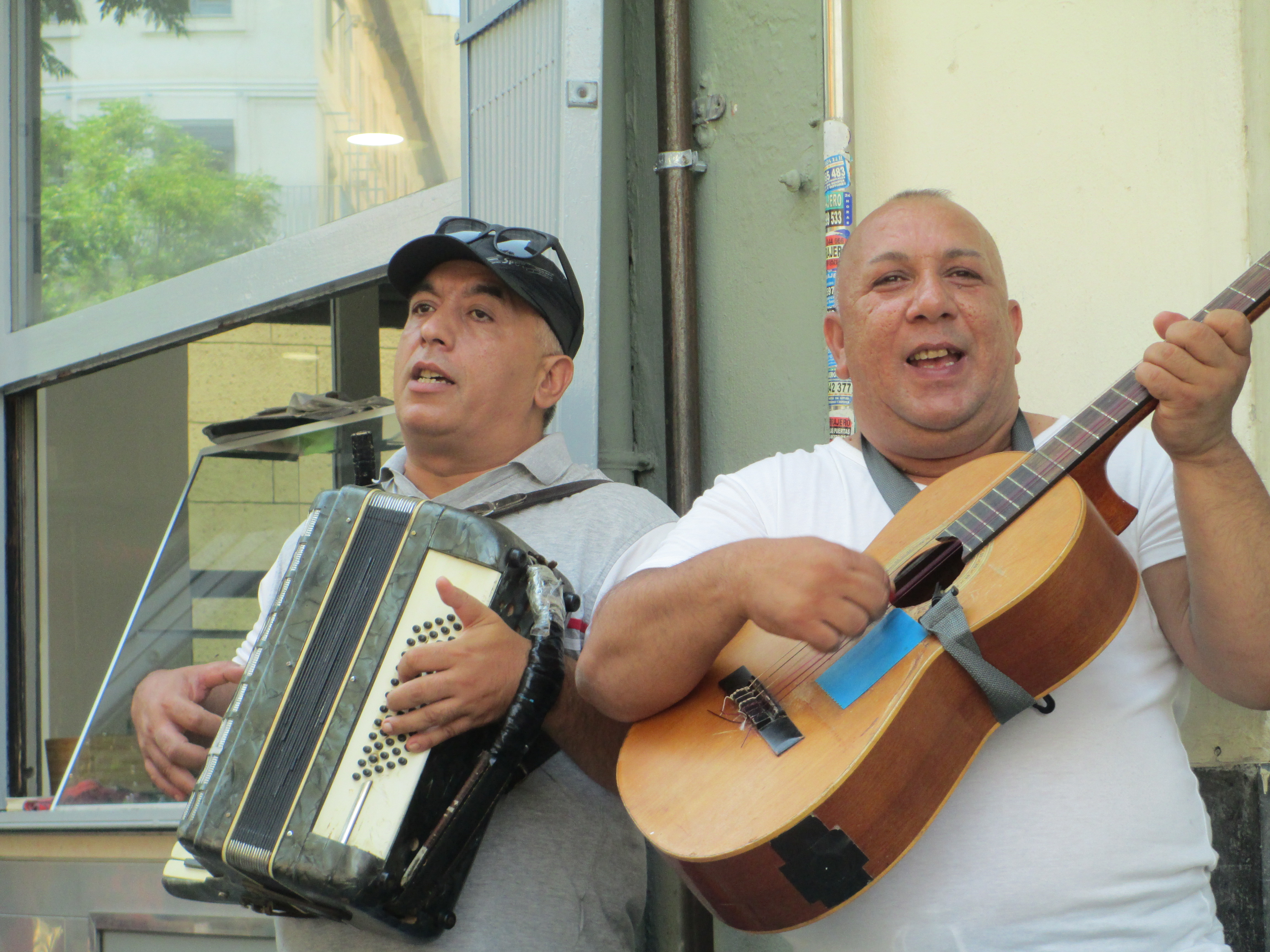
  8. As a die-hard music fan, I am always looking for great live music, which is plentiful in Valencia, especially in the historic Barrio del Carmen. Head to Calle de Cabelleros (or Carrer de Cavallers, in the local dialect) for music in the bars and on the streets. (Keep in mind that both Castilian Spanish and regional Valenciana are spoken, so words may be different, but almost everyone speaks the more widely known Castillian Spanish.) In 2012, the Boston-based Berklee College of Music, widely respected as the best school for jazz, opened a campus in Valencia, and offer periodic performances. Check their website for a list of performances.

    IMG_1208

    Street Musicians

  9. Like every town in Spain, Valencia loves its festivals, the best known of these being Las Fallas. The five day festival in mid-March commemorating St. Joseph which has many components includes neighborhood groups making large, elaborate paper mâché satirical caricatures, which are set on fire accompanied by extremely loud fireworks. A number of the events feature locals in the traditional dress of Valencia, a spectacular cultural sight. However, the festival can be crowded, exceptionally noisy and overwhelming to some. You need to book lodging well in advance for this festival.
  10. And of course, being on the Mediterranean, Valencia has fantastic beaches, including three “blue flag” beaches, those worldwide given top ratings for quality, services and environment. However, I think there are better ways to spend one’s time in Valencia. (Save the blue flag beach visits for other venues in Spain, which currently has the most in the world.)

Costa Blanca Spain: Quality European Living at Affordable Prices

10 May
Iconic View of Altea

Iconic View of Altea

The Costa Blanca area of Spain is often overlooked by North American as an ex-pat living option. While less familiar than the more well-known Costa Brava and Costa del Sol, the Costa Blanca offers a more temperate climate. It is an area of approximately 120 miles of Mediterranean coastline in the province of Alicante. In the month of August, highs average around 84 degrees Fahrenheit and in January around 52 degrees, with total rain about 14 inches annually.

Besides the great weather, the area has many other inviting features. European culture with contemporary music, opera, symphony, ballet and other forms of dance, visual arts are widely available. There are many famed Spanish festivals here, including Easter week (Semana Santa), and Moros y Cristianos. Alicante is in the Valencian province, with Valencia being the third largest city in Spain, where there is the famed unique City of Arts and Sciences complex which houses museums of several sciences and the arts, Las Fallas (featuring elaborate paper mâché statues often with characters that reflect pop culture which are ultimately set aflame in their numerous neighborhoods) and the nearby La Tomatina (infamous tomato throwing festival.) Many Spanish are avid sports fans, as participants or spectators, particularly for soccer; bike, car and boat races, basketball, ocean activities and more.

IMG_0494 (2)

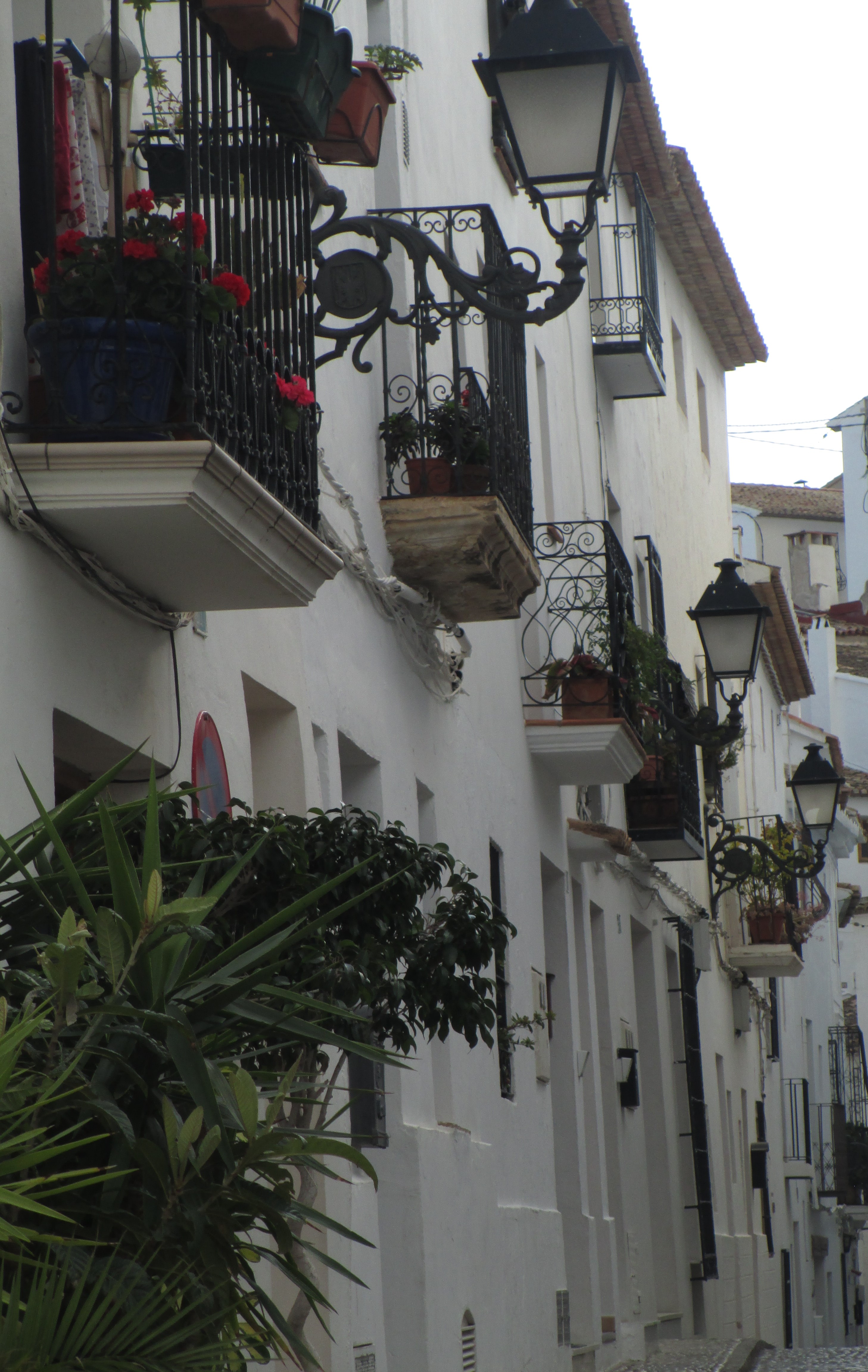
Typical street in Altea’s Casco Antiguo

Besides the many coastal communities, there are numerous charming inland towns in the hills, valleys and plains which have castles, ancient ruins, historic buildings, caves, and parks and other nature attractions. Many local words and names such as those beginning with “al” or “ben” are Moorish in origin. The influence of the occupation by the Moors from 718 AD to 1492 is still visible in the terraced hillsides, and numerous orange trees. Each town on the Costa Blanca has its own distinctive charm. Altea is considered the “cultural capital” of the Valencian region and is also known for its iconic hilltop church with shiny blue cupola and white tiles. Villajoyosa has distinctive differently brightly-colored seaside homes, which were intended to guide fishermen back to their specific abode. The provincial capital of Alicante is a sophisticated and historic city, with a stylish promenade area featuring cafes and upscale stores, a large marina and beach area, and the Santa Barbara Castle sitting atop the Mount Benacantil. Elche is home to a grove of about 200,000 palm trees, which have been designated as a UNESCO World Heritage Site. Benidorm is a popular spot for people wanting a lot of activities, and is party central for many European vacationers. Its two beaches are consistently rated as among the best in the world.

IMG_0606

Sample of delectable (free) tapas served with beverage

The cost of living is surprisingly affordable given all that the area has to offer. For example, rents in Altea range from 325 to 350€ per month for a one-bedroom apartment or studio, and 400€ plus for a large three bedroom. In Elche one can find a 300€ three-bedroom apartment that is centrally located. The Costa Blanca offers ample apartments or homes for sale for under 100,000€, and some under 50,000€. Because of the unique characteristics of each town, it can be advantageous to stay in the widely available, affordable vacation rentals while test-driving a town or even a neighborhood. Several websites, which feature both real estate rentals and sales, can be accessed before visiting the area.

IMG_0429

Bounty of Local Crops at Farmer’s Market
Olives, olive oil, wine, local fruits and vegetable, and the bounty of the Mediterranean are diet staples, and, of course, Spain’s ubiquitous jamones (hams.) Food is generally inexpensive. Most towns have a weekly farmer’s market where there is dizzying display of colorful flowers, fruits and vegetables. At restaurants, in many towns, there is a menu del dia (typically a two or three course meal, with bread, beverage, dessert or coffee) at a nice beachside restaurant cost between 10 to 14 €, and less if one goes to places less upscale or frequented by locals. A glass of wine or small beer (“caña”) can be found for under 2€, which includes a tapa.

The area has many European ex-pats, including British, German, Norwegian and Dutch. That makes for a supply of English-speaking medical professionals. Medical treatment are good quality and prescriptions tend to be significantly less expensive than in the U.S.

Many people do not have cars, instead walking or riding a bike. There is good and inexpensive public transportation on the Costa Blanca, with clean timely buses, and a tram that runs from the northern most town of Denia to Alicante. In Alicante, one can access the national railway system including high-speed trains, and the modern and efficient airport, the sixth busiest in Spain. One person can comfortably live on 1000€ a month or two for 1500€, which includes rent, food, utilities, public transportation and entertainment.