Archive | Activities RSS feed for this section

Remembering a San Diego Music Icon: Ella Ruth Piggee

23 Jan

I  had recently been reminiscing about some of my talented musician friends in California, both from San Diego and on the Central Coast. I feel fortunate that I can go on YouTube or on my IPod to watch and listen to them perform. I was already planning on revisiting some of these musicians on my blog and Facebook, either with new articles or by reproducing prior articles from my blog or other sites where I have published. The recent deaths of a number of music icons have led me to expedite those plans. Over the next several months, I will be featuring musicians, both deceased and alive.

Ella Ruth Piggee was an incredibly popular, charismatic singer in San Diego for nearly ten years before her tragic passing due to cancer in 1988. I am always on a quest to find great live music, with my favorites being R&B, jazz, funk, standards, Latin, and classical. In my quest in that regard, in 1978, I was told about Ella Ruth Piggee, who was then performing at a bar in East San Diego, in an economically-challenged area. I first saw her perform at the Black Frog to a predominantly African-American crowd. I was blown away by her vocal talent, her ability to connect with the audience, and her great sense of humor. Anyone who ever regularly went to see Ella Ruth perform knew if you sat in one of the tables near the stage that you would be subject to her chiding, anything from the type of socks you were wearing to mentioning that in spite of having the best seat in the house you have hardly ordered any drinks. Then she would let out one of her loud, infectious laughs.


Over time, Ella Ruth and I became very good friends, and it was always a delight to hear her perform or to spend social time with her. Early on, she sang with Bruce Cameron (trumpet, cornet and flugelhorn) and Hollis Gentry III (saxophones and flute). Carl Evans, Jr. (keyboards) and Hollis (who were also friends of mine,), went on to be two of the founders of hugely internationally successful jazz-funk/fusion band with Latin influences, Fattburger. Unfortunately, they both suffered premature deaths due to health issues, as well. Ella Ruth sang, “Make That Dream Come True” on Fattburger’s Good News album, which I believe was released in 1987 shortly before her death. The song was also featured on the Best of Fattburger released in 1992.


Typically, Ella Ruth’s Talk of the Town band would play instrumentals for the first half the set and then she would finish the set with R&B, jazz and pop vocals. In my opinion, this form of music sets featuring both instrumentals and vocals gave those in the audience unfamiliar with jazz exposure to it, which helped to increase interest in instrumental and vocal jazz in San Diego. Ella Ruth finished every song with her signature spontaneous, creative scat. Over time, she became a very popular entertainer throughout San Diego, including the venerable Crossroads in downtown, The Triton in East San Diego and Cardiff, Chuck’s Steakhouse in La Jolla, the Catamaran on Mission Bay, and many more.


While the world class instrumental musicians sometimes changed, Ella Ruth was the main draw for a diverse San Diego audience, which can be seen in her various YouTube videos. I thank all of the caring musicians who took time to upload some of her performances, including Cecil Mc Bee, Jr. (bassist) and Tony Barnwell (keyboard and vocals.)


Ella Ruth was originally from Des Moines Iowa and had also lived in Omaha Nebraska. As I had also lived in Nebraska, and did my undergraduate degree in Omaha, we also had that connection. I arrived back in San Diego in 1978, around the time she did. When I was a poor starving graduate student in San Diego, Ella Ruth would sometimes treat me to a traditional Nebraska, Italian-style steakhouse. In spite of her charismatic on-stage persona, Ella Ruth was a very private person. After performances, she frequently cooked spaghetti at her home for the band, and Midwestern-style fried chicken especially for me, the best ever. Whenever I asked her for the recipe, she told me it was just flour, salt and pepper, which I never believed. I was also pleased to have the opportunity to spend extra time with her during the time she stayed with me when she was looking for a new place to live.


Ella Ruth’s longtime friend, Mitch Manker plays trumpet, flugelhorn and pocket horn on the posted YouTube video. Like Ella Ruth, Mitch also came from Des Moines to San Diego, following his stint as first chair trumpet for Ray Charles. Also featured in the posted video is Michael Evans (drums), Jeff Snider (guitar), and Michael Thompson (keyboard.) Keep in mind these recordings are over 30 years old, and the technology for informally recording live music at clubs back then was limited.

Not long before she became ill, Ella Ruth recorded a “demo tape,” a copy of which she gave to me with her personal handwriting of the songs she recorded. Hollis is clearly the saxophonist. I have been unable to figure out who is the fantastic keyboard player, in spite of asking a number of her musical contemporaries, so if anyone out there thinks they may know, I can send you a digital copy of the recording. I have been in contact with the San Diego Museum of Jazz to whom I plan to donate the tape.



Six Easy Steps for Bringing Pets to Spain

3 Jan
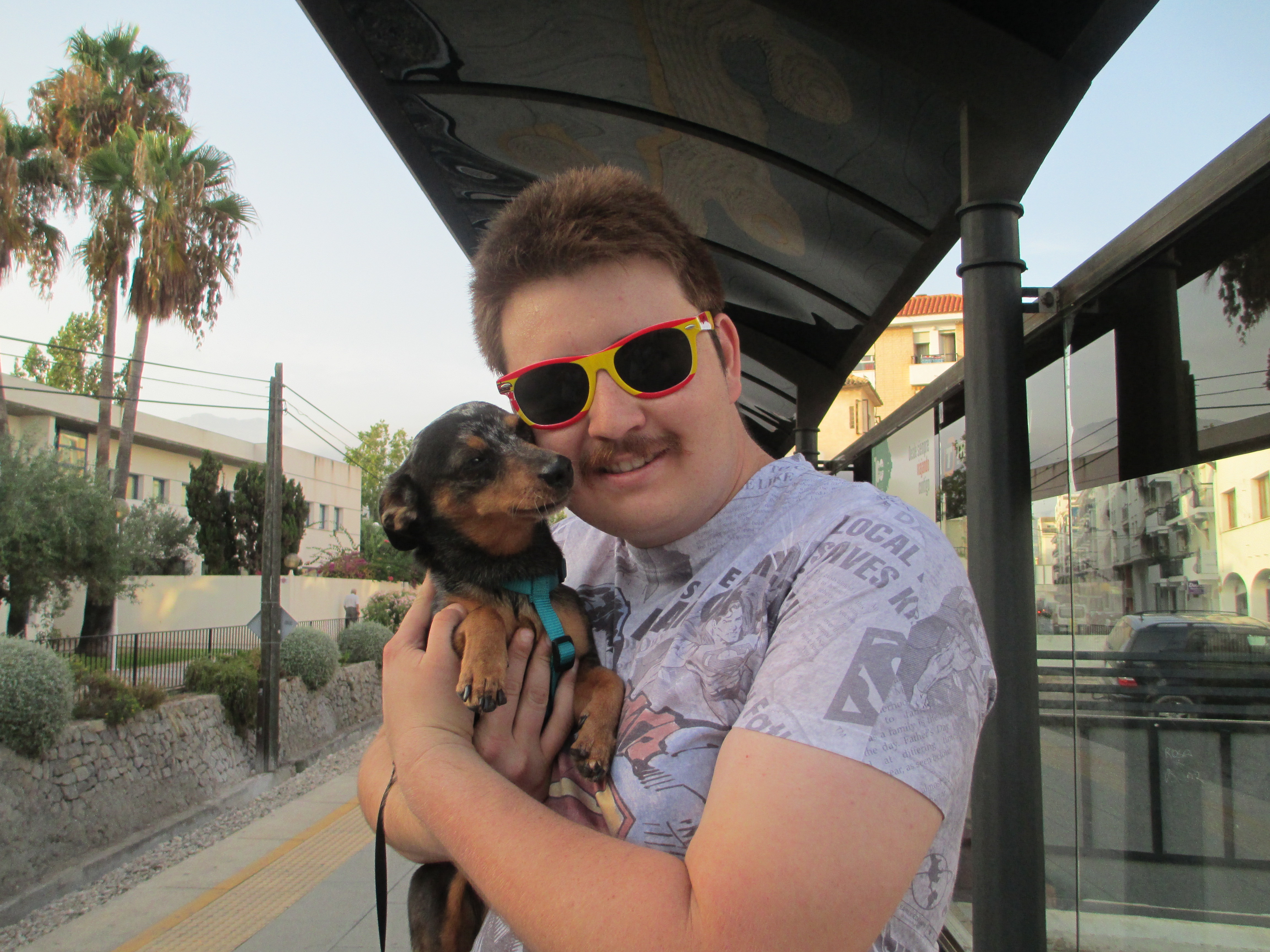
Pepper at beachside concert in Altea

Pepper at beachside concert in Altea

Bringing pets to the European Union (E.U.) from the U.S. is much easier than what it once was. No longer are there long required quarantines. However, in non-E.U. countries, the policies can be different. For the United Kingdom, there is a four month quarantine. Finland, Ireland and Malta also have their own pet import regulations. The following reflects the current requirements for up to five dogs, cats, and/or ferrets coming to an E.U. country from the U.S. As governmental regulations can change, it is advisable to check the website for the USDA APHIS (U.S. Department of Agriculture, Animal Plant Health Inspection Service.) Then click on the “Live Animals,” and enter your EU destination. For Canadians, the regulations are similar. Up to date guidelines for exporting pets from Canada to the EU can be found on the website: “Canadian Food Inspection Agency under “non-commercial export of dogs, cats, and ferrets to the EU.”
 

  1. As far out from your desired departure date, check with individual airlines regarding their pet transport policies. Start by checking their websites, and then speak with an actual airline representative to get the specifics. Weigh your animal to determine whether they are eligible for travel in the cabin, under the seat in an airline-approved carrier. The weight allowed includes the pet, carrier and anything else placed in the carrier. Including his carrier, my dog, Pepper, was just at or slightly above the weight limit allowed by many airlines, so I found an airline with a more generous 8 kg. /17 pounds limit. Also, some types of dogs are not permitted, in which case you can consider a pet relocation service. There are different policies for very young, unvaccinated pets. Airlines charge varying rates for transporting pets, so take that into consideration during your research. Check to see if there are periods of time they do not transport animals in the cargo hold due to expected inclement or extreme weather. Some airlines don’t take pets via cargo in hot months as they have had animals die. If your pet will be in the cargo hold, consider booking during months that are traditionally temperate. Make sure the carrier purchased meets the airline’s regulations. Carriers or crates must afford the animal to move around, and typically have an absorbent cushion or rug with adequate ventilation. A carrier with wheels will make moving your pet through the airport far smoother. Because there are so many different airline regulations, costs, weight limits, etc., when deciding on an airline, I made a written grid to record each airline’s policies for easy comparison.
  2. Book your flight as soon as possible to guarantee a spot for your pet. Make sure the pet has a reservation. During the three times, I flew back and forth between California to the E.U. I was charged for my pet when I checked in at the airport. If you will be using other ground transportation once you arrive, such as a train, bus or car rental, check their pet transport policies. The first time, I brought my dog from Madrid to Alicante via train, and the second time directly to the Alicante airport via plane.
  3. Well in advance of your travel date, get your pet used to the carrier or crate. In the beginning, put the pet in it with a toy and snack. As s/he gets comfortable, leave the pet in the carrier when you leave home. Take your pet in the carrier on walks and in the car to get used to motion. For pets who will transported in the hold, it is especially important to get them used to being in their crate and moving.
  4. Well in advance of your scheduled flight, find a veterinarian who is certified and experienced in pet relocation to your scheduled EU destination. I strongly recommend meeting with the vet for an initial session to make sure s/he is qualified and experienced in completing all of the required steps within the tight timeframes necessary. Make sure the vet has the correct form (ANNEX II) and has previously completed them. If your pet is not already had a microchip inserted, this is an ideal time to do it. Let the vet know it is for travelling to an EU country. For EU countries, it must be an ISO 15 digit microchip, either 11784 or 11785. After the chip is placed, the pet must have a rabies vaccine, even if it already has a valid rabies vaccine. The rabies vaccine can be on the same day the animal is chipped or at a later date. This rabies shot must be administered at least 21 days before your flight departs. I did not understand that my dog needed to get a new rabies shot, nor did my vet inform me at the time of the dog being chipped. Thus I had to delay my departure date which resulted in a several hundred dollar change fee. During your initial appointment with the vet, I recommend having the vet do a physical to make sure there won’t be any last minute health issues. I also got him to prescribe a slightly sedating medication for the long flight. If you get a calming medication, make sure it is not contraindicated for flights, as was the first medication my dog was prescribed by a less experienced vet. Some airlines do not permit dogs to be sedated. Since my dog was flying in the cabin, I felt it would be in his best interest to take a sedating pill since he would be in his carrier for 12 to 15 hours, and I would be able to monitor him. Twice I gave him a trial of the pill before departing to make sure there were no adverse side-effects.
  5. The vet has to fill out the ANNEX II form about 12 to 15 DAYS before departure. Then that form has to be mailed or taken by hand to your local USDA office, for certification. You have to enter the EU country within 10 days of the USDA certification, which is a very tight timeframe. This means that you should schedule the final vet exam and paperwork completion, at an early enough hour to allow you to get it to an overnight mail service. Make sure to check the USDA website for the mailing address for your region, mandatory fees which you must include, and include a return overnight mailing document with your address. Keep in mind some “overnight” mail services do not deliver on the week-ends.
  6. Prior to departure date, check for pet relief areas at the airports which you will be using. Some have indoor pet areas. For example, at the LAX airport international terminal in Los Angeles, near the business lounge, was a pet play and relief center with artificial grass. Arrive at the airport at least three hours in advance of your scheduled departure. About four hours prior to checking in, feed and provide water for your pet, and play to get them tired. At the airport, let the pet relieve himself one more time. Put the pet in the crate which in advance you have supplied with a “pet potty pad,” empty water dish, and cherished toy. Make sure the crate door is securely closed. Keep the pet paperwork handy in the pocket of the in-cabin pet carrier, or for a checked crate, somewhere else easily accessible. The pet must remain in the carrier in the airport and during the flight. If you have an airline transfer and there is no inside pet area, if you go outside, you will have to go back through security screening. Make sure to allow enough time in case of long lines.

Once you are to your new EU home destination, find a good vet by asking local ex-pats who demonstrate attentive and caring behavior toward their pet. Ask around, and eventually, you will start to hear one or more of the same names recommended. Unless you are fluent in the language of your new country, make sure the vet can speak English. Introduce your pet and yourself to your new vet, instead of waiting for an emergency. At your initial appointment, find out about local health issues, get any vaccines or preventative medicines for your new country, a dog name tag with your local phone number, and a European pet passport (which is legally required.) Then, get out and explore your new home. Most eateries in Spain are dog-friendly.

Pepper saying goodbye to my son, Spencer, who was returning to California

Pepper saying goodbye to my son, Spencer, who was returning to California

Top Ten: Tasty Tapa Trail

6 Dec

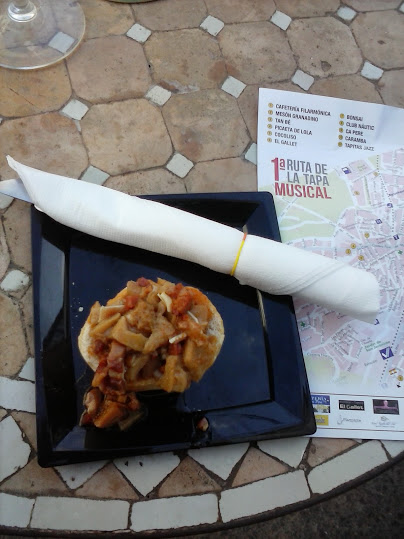
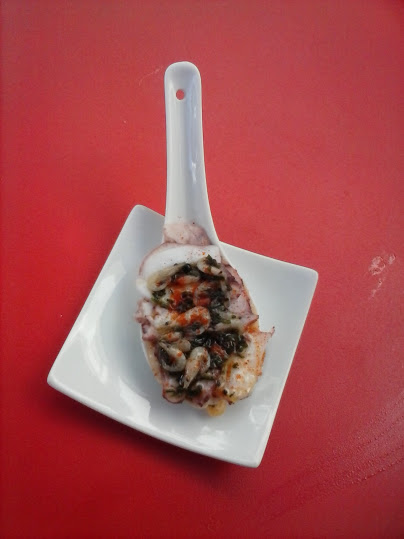
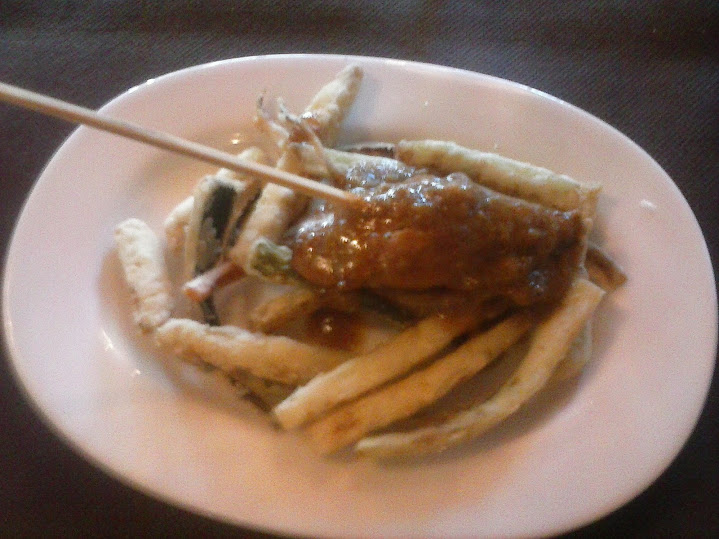
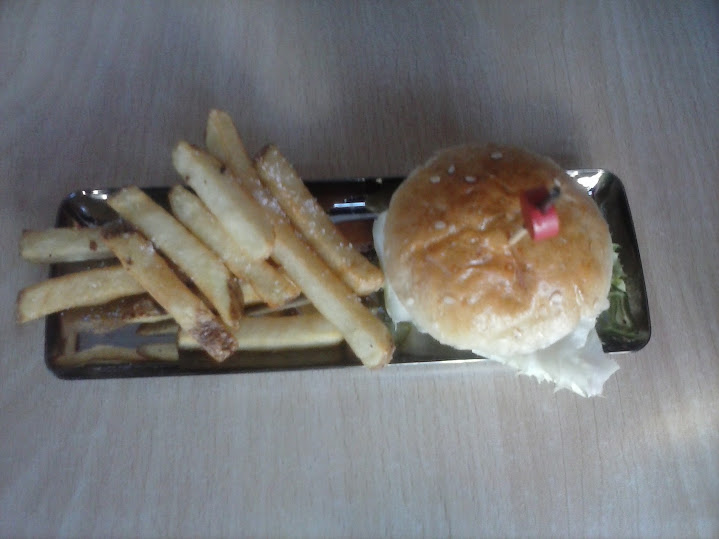
This week I took advantage of a local Altea tapa trail. In conjunction with the local Societat Filharmonica Alteanese (Valenciana for Philharmonic Society of Altea), 11 local restaurants participated a the Primera Ruta de la Tapa Musical. Each restaurant, except one,  offered two creative, musically-inspired, tapas, for 2,50 Euros and included a glass of wine. Here are the photos of each, (except for one which did not have their tapa available.) The descriptions under the photos list the name of the restaurant, and their description of the tapa. Interestingly, the information was only offered in the local dialect, Valenciana, which I am gradually learning to read. Please feel free to ask me for any translations.

tapitas

Tapitas Jazz: Callos a la Asturiana


Picaeta de Lola: Sinfonia del Mar: Carpaccio de pulpo con vinagreta de camarones y cebollino

Picaeta de Lola: Sinfonia del Mar: Carpaccio de pulpo con vinagreta de camarones y cebollino


El Gallet: Albóndigas Cordobesas

El Gallet: Albóndigas Cordobesas

Tan Bé: Acorde al bar será una mini hamburguesa en formatge de cabra i pebrera carmelizada

Tan Bé: Acorde al bar será una mini hamburguesa en formatge de cabra i pebrera carmelizada

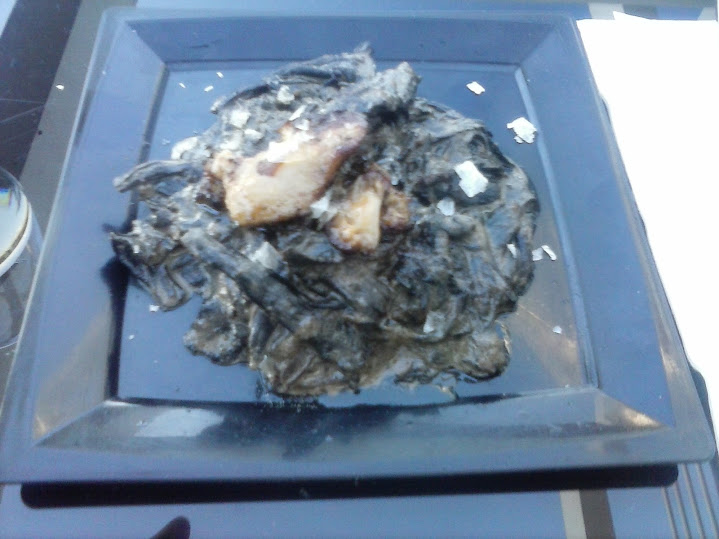
Restaurant Can Tapetes Del Port: Montadito de foie arrebossat amb festucs I tompetes de la mort a la crema. (Tastes better than it looks!)

Restaurant Can Tapetes Del Port: Montadito de foie arrebossat amb festucs I trompetes de la mort a la crema. (Tastes better than it looks!)

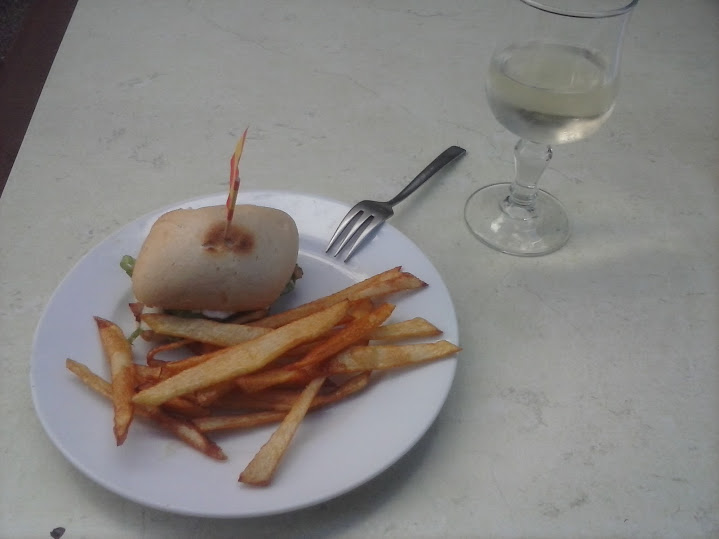
Mesón Granadino: Rondeau Granadino: Pulguita de jamon al horno con lechuga y cebolla

Mesón Granadino: Rondeau Granadino: Pulguita de jamon al horno con lechuga y cebolla

Caramba: Radiohead: Montadito de carpaccio de ternera karma police

Caramba: Radiohead: Montadito de carpaccio de ternera karma police

Ca Pere: Piano de coca, con lomo de orza, emulsion de comino, cebolla encurtida a ajo negro

Ca Pere: Piano de coca, con lomo de orza, emulsion de comino, cebolla encurtida a ajo negro

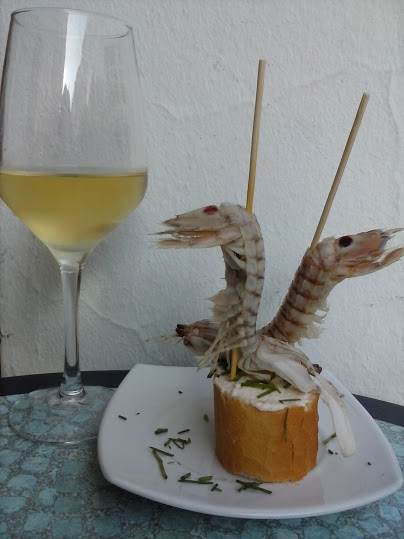
Bonsai: Fagot: Galera

Bonsai: Fagot: Galera

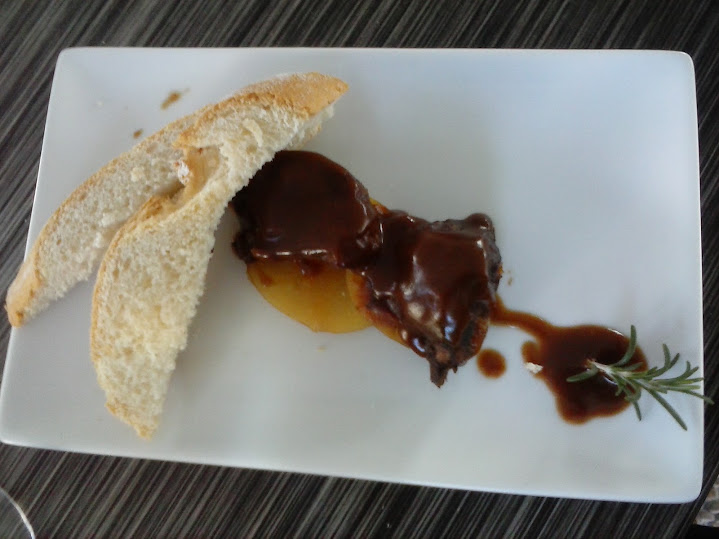
Cocoliso: Clave de Sol: Carrilleras al vino de jerez (patata panadera, carrillera, salsa española especias)

Cocoliso: Clave de Sol: Carrilleras al vino de jerez (patata panadera, carrillera, salsa española especias)


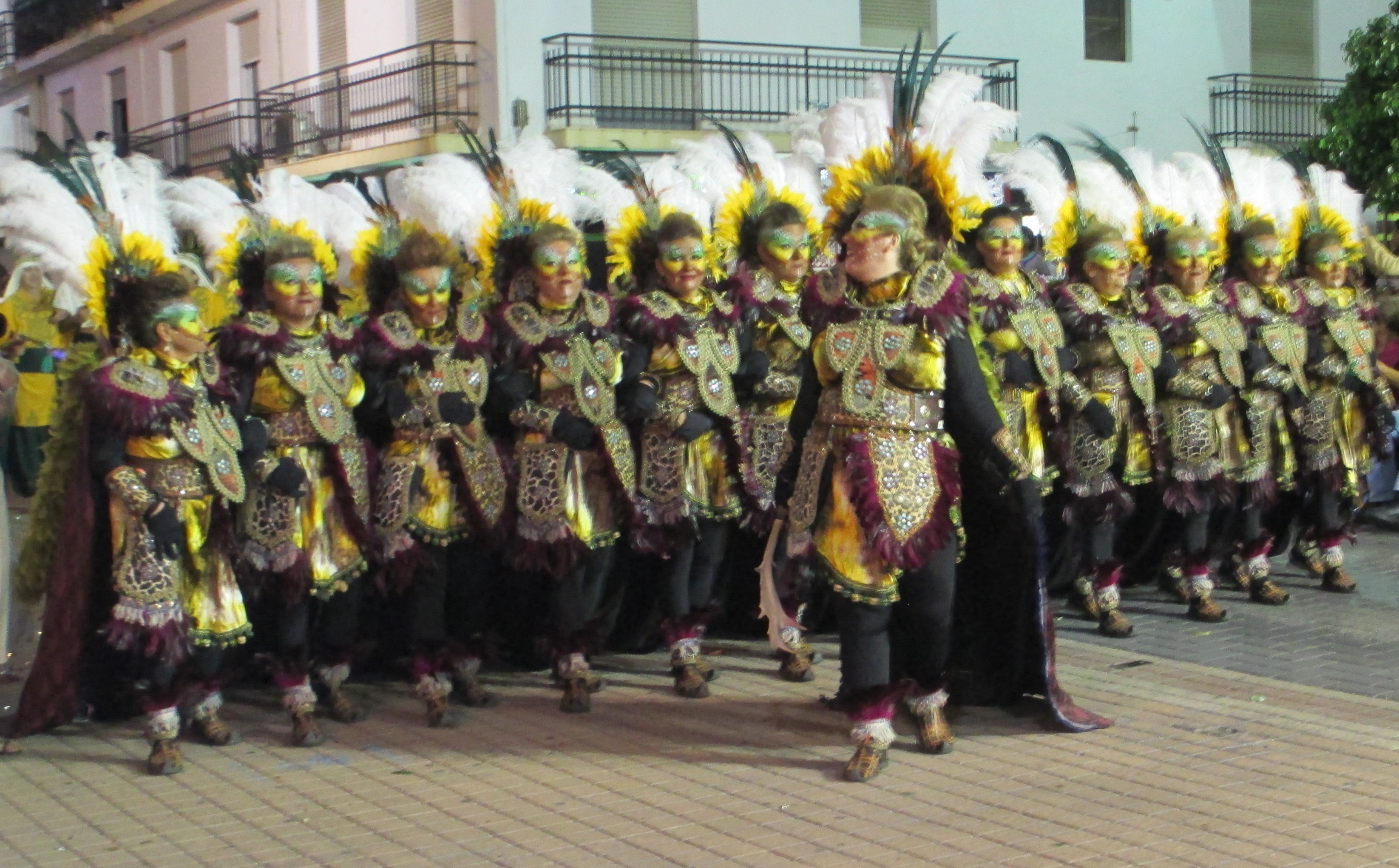
10 Best Images of Moros Y Cristianos Festival Altea: Entrada Mora

8 Nov

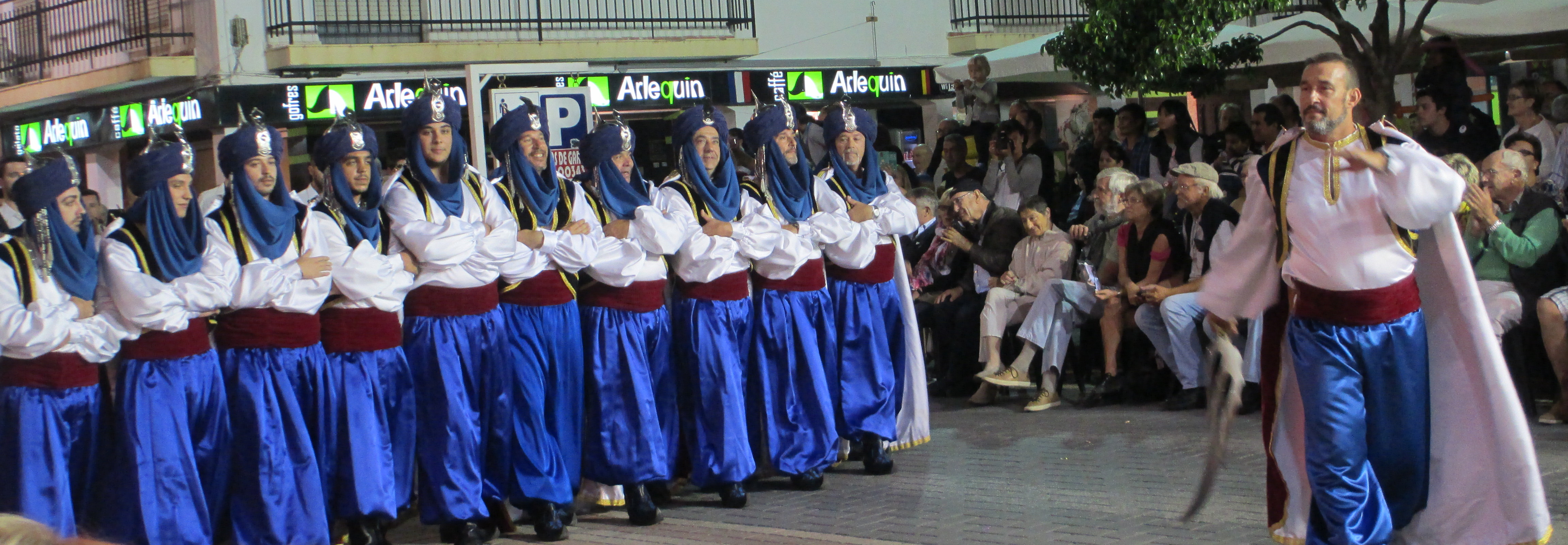
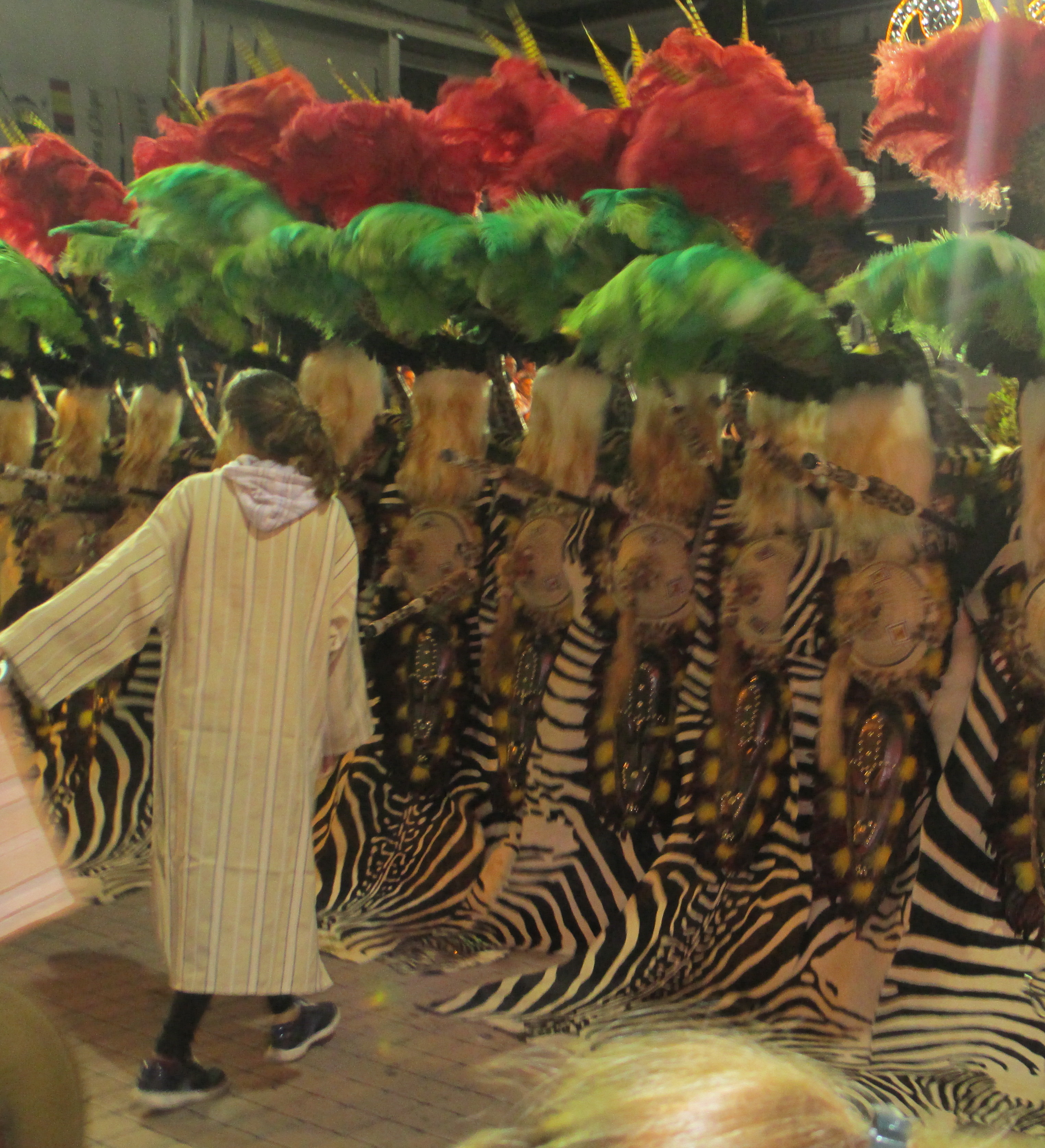
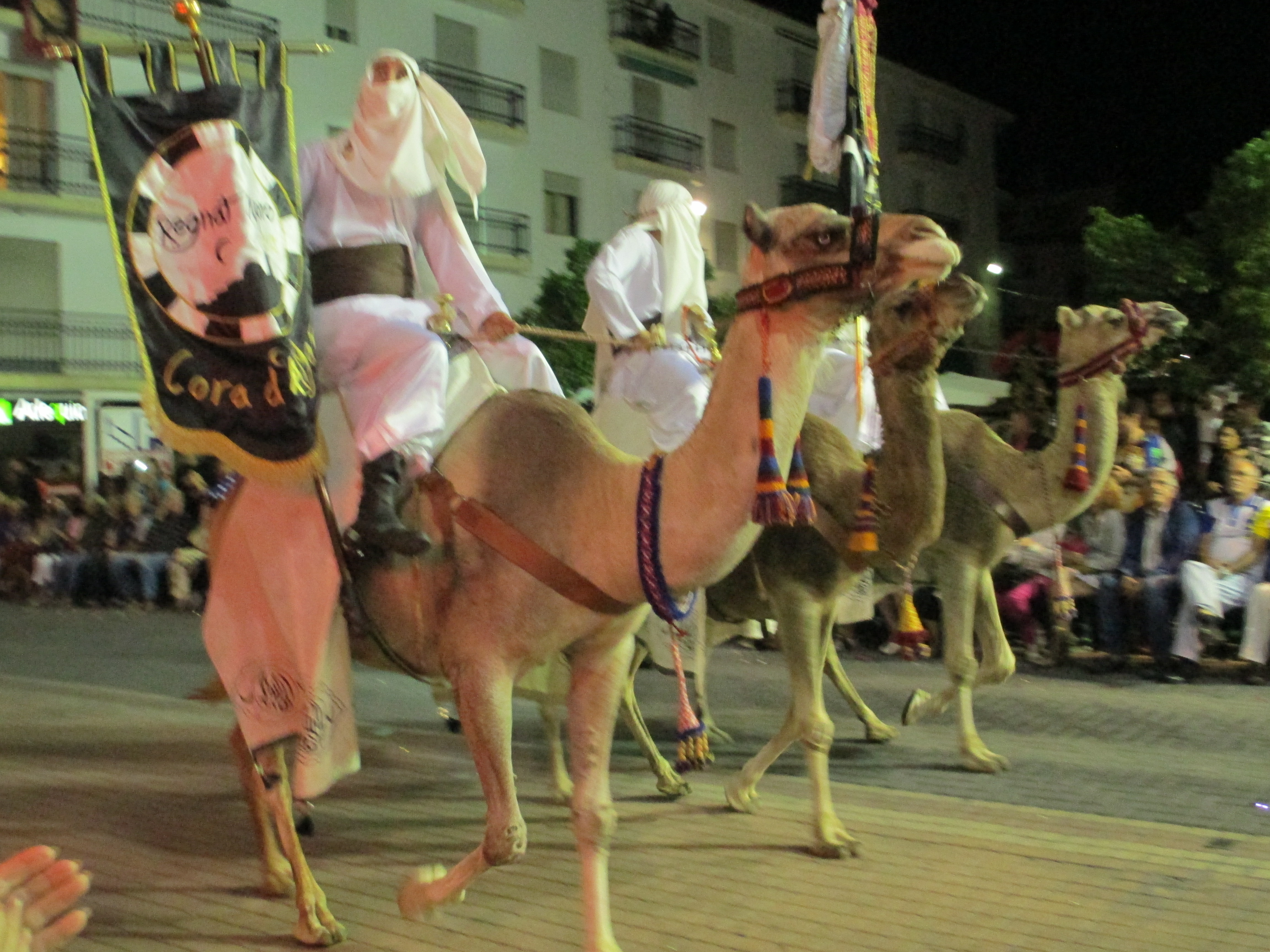
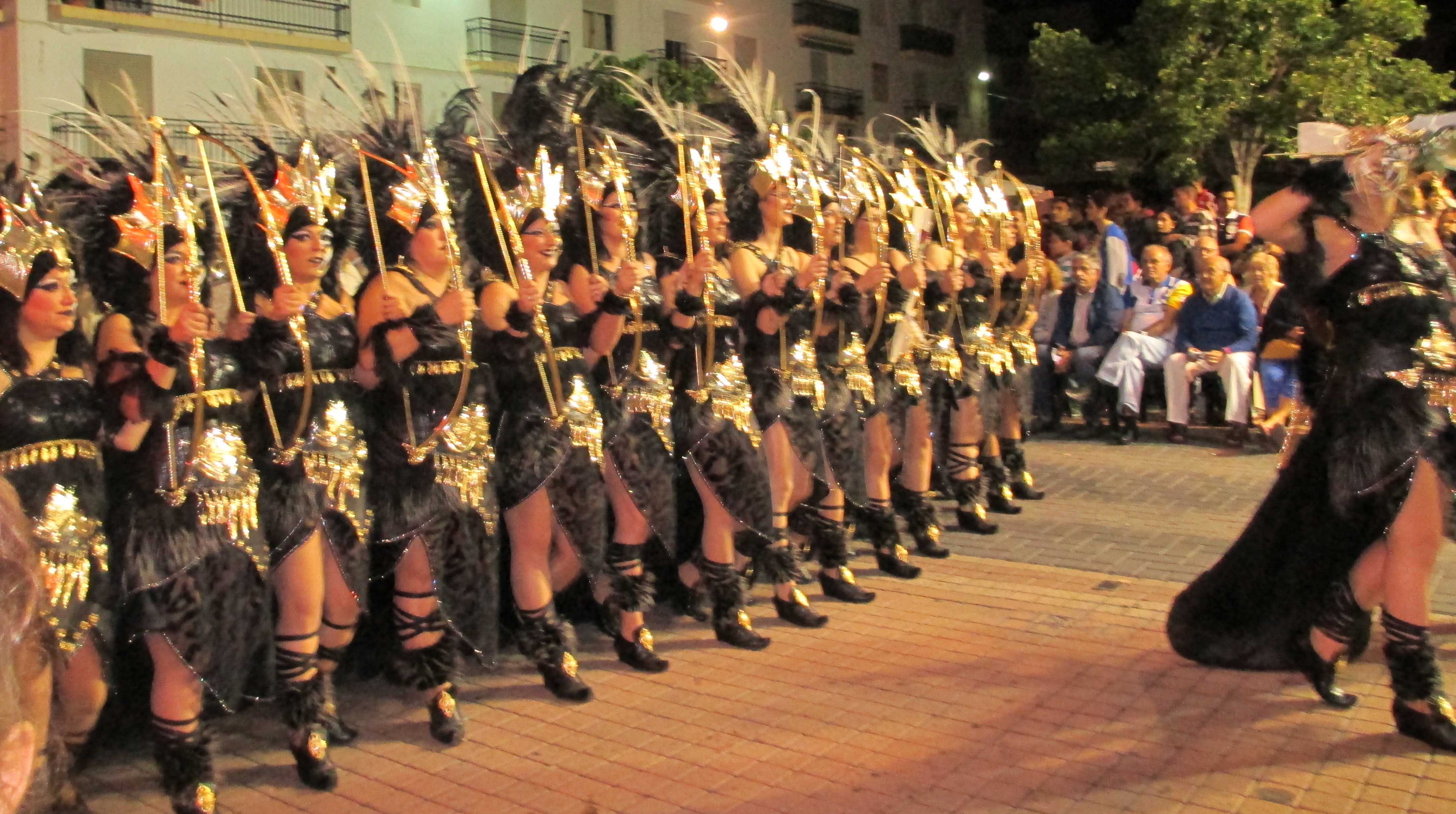
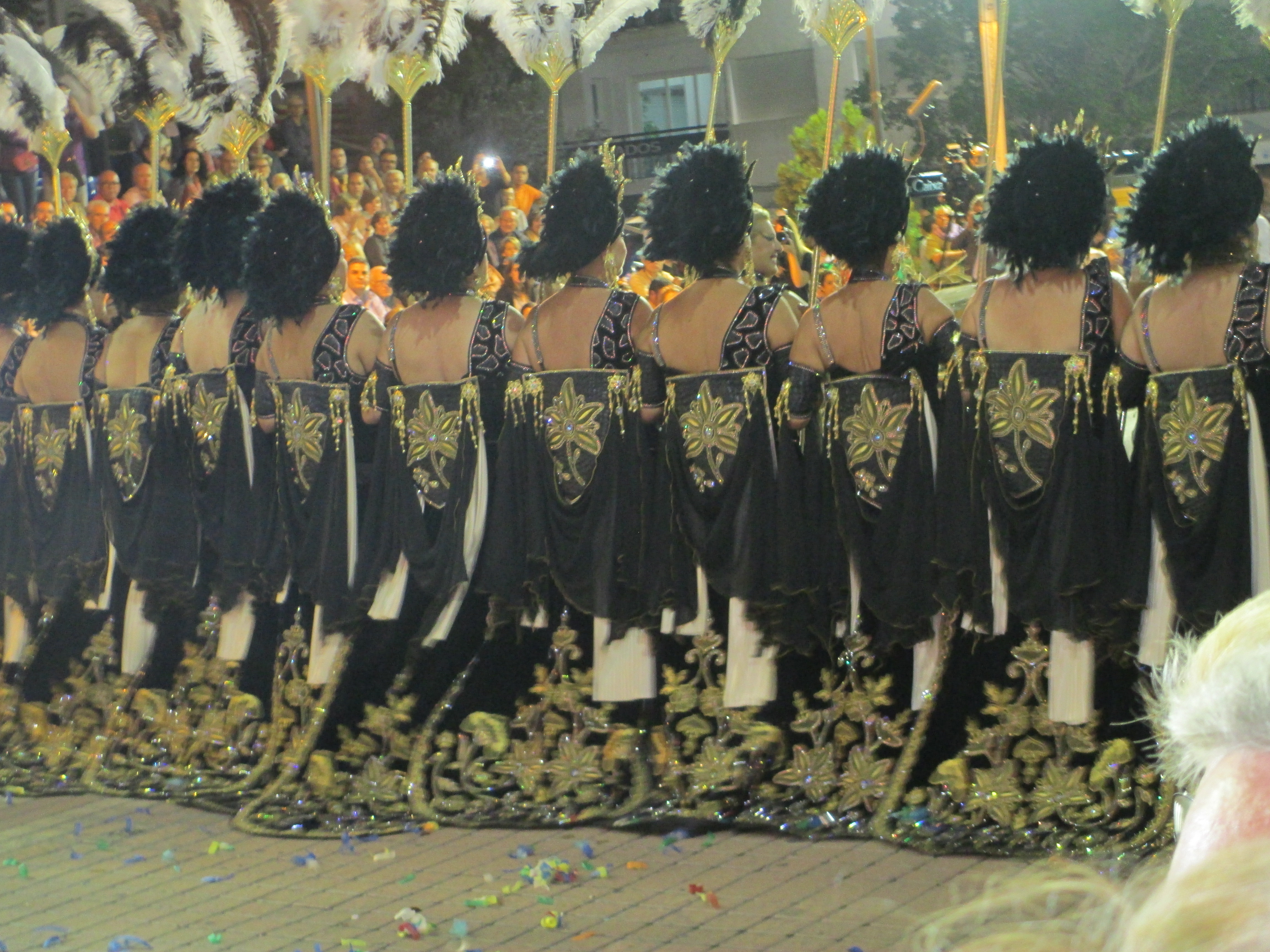
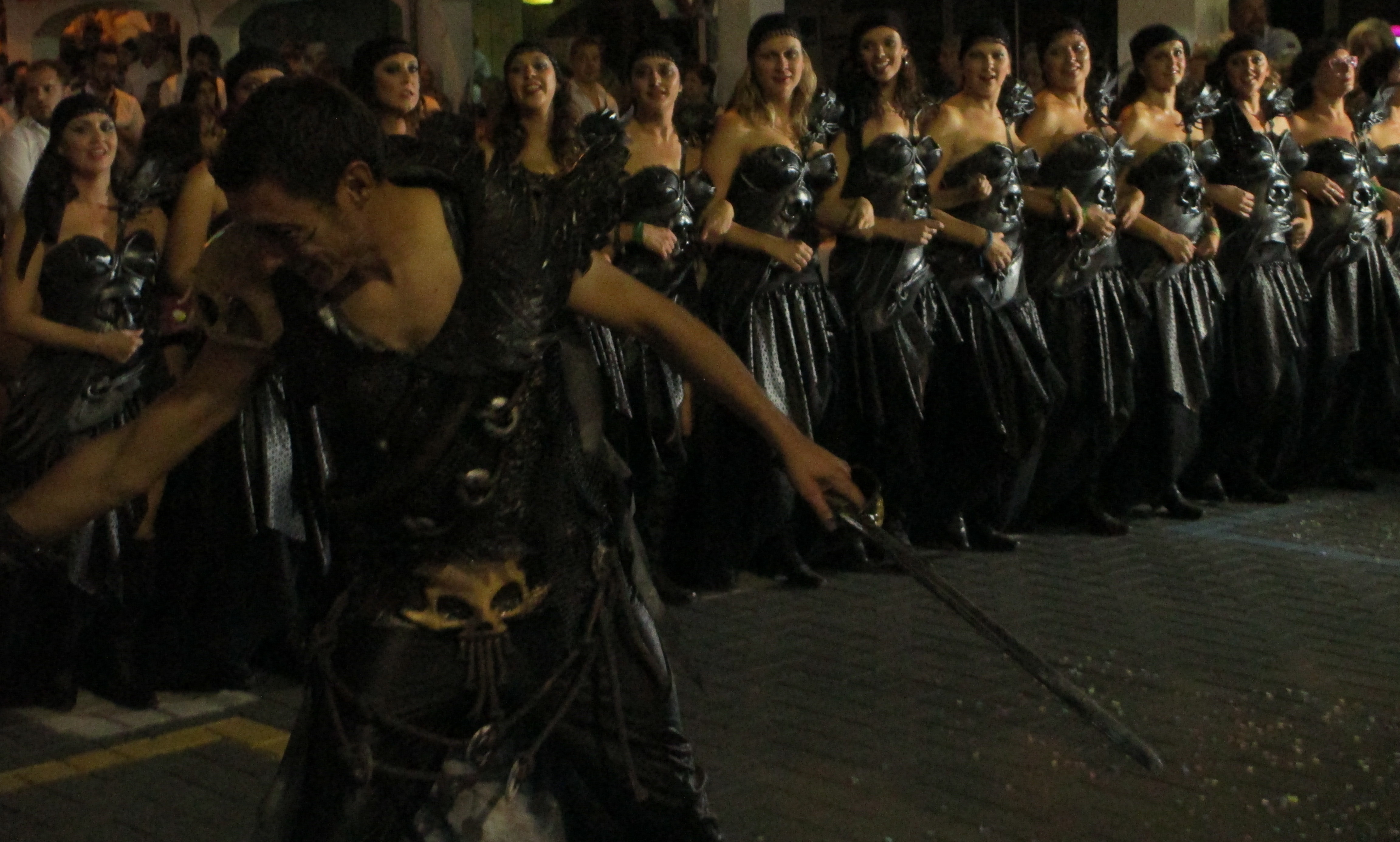
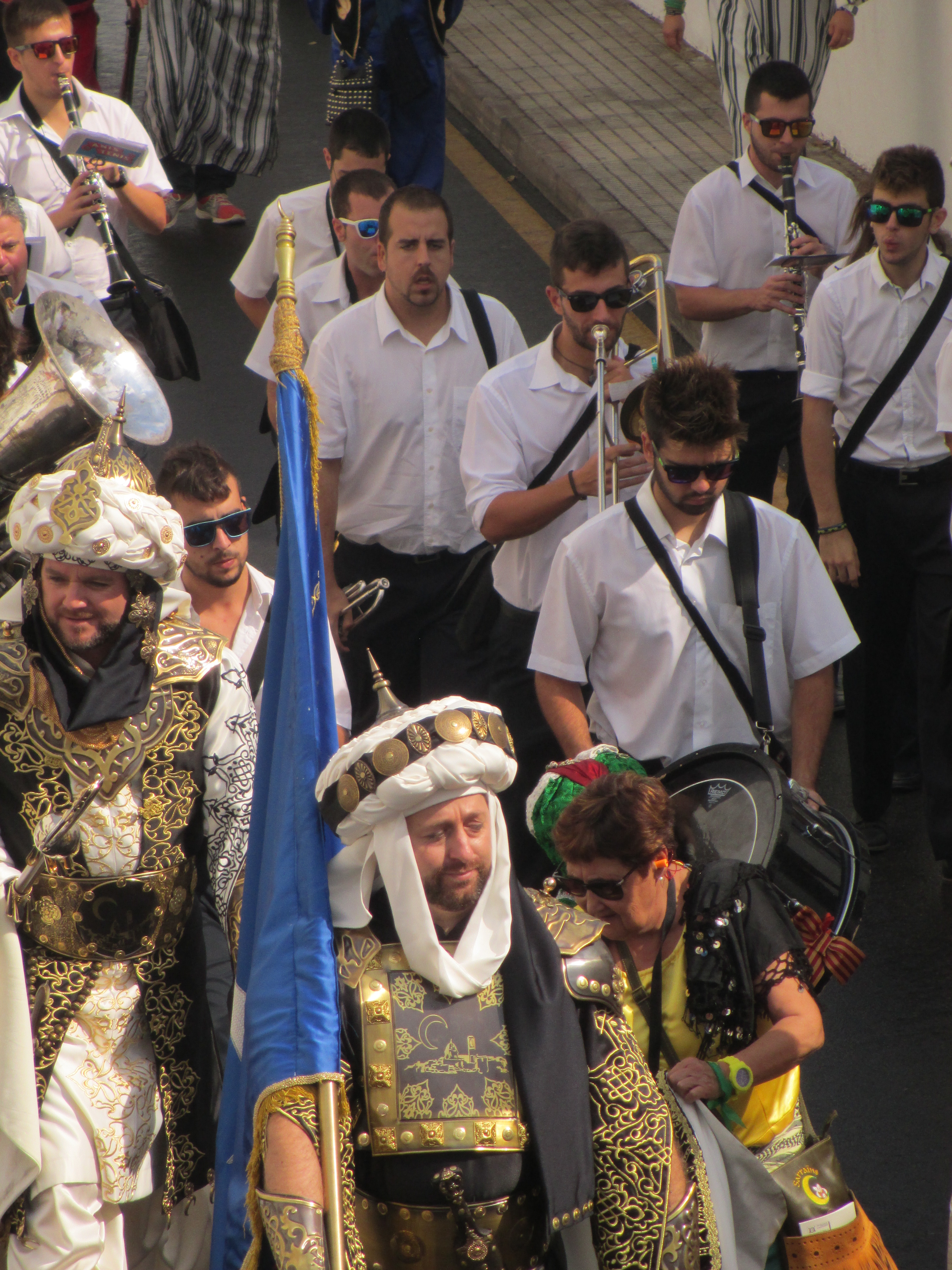
In my two prior posts, I blogged about one of Altea’s most celebrated holidays, Moros y Cristianos. As promised, this blog post will focus on the highlight of the festival, the Entrada Mora, the spectacular parade of the “Moors.”

IMG_1524_1

IMG_1527

IMG_1530

IMG_1543_1

IMG_1551

IMG_1554

IMG_1555_1

IMG_1569_1

IMG_1571

IMG_1584

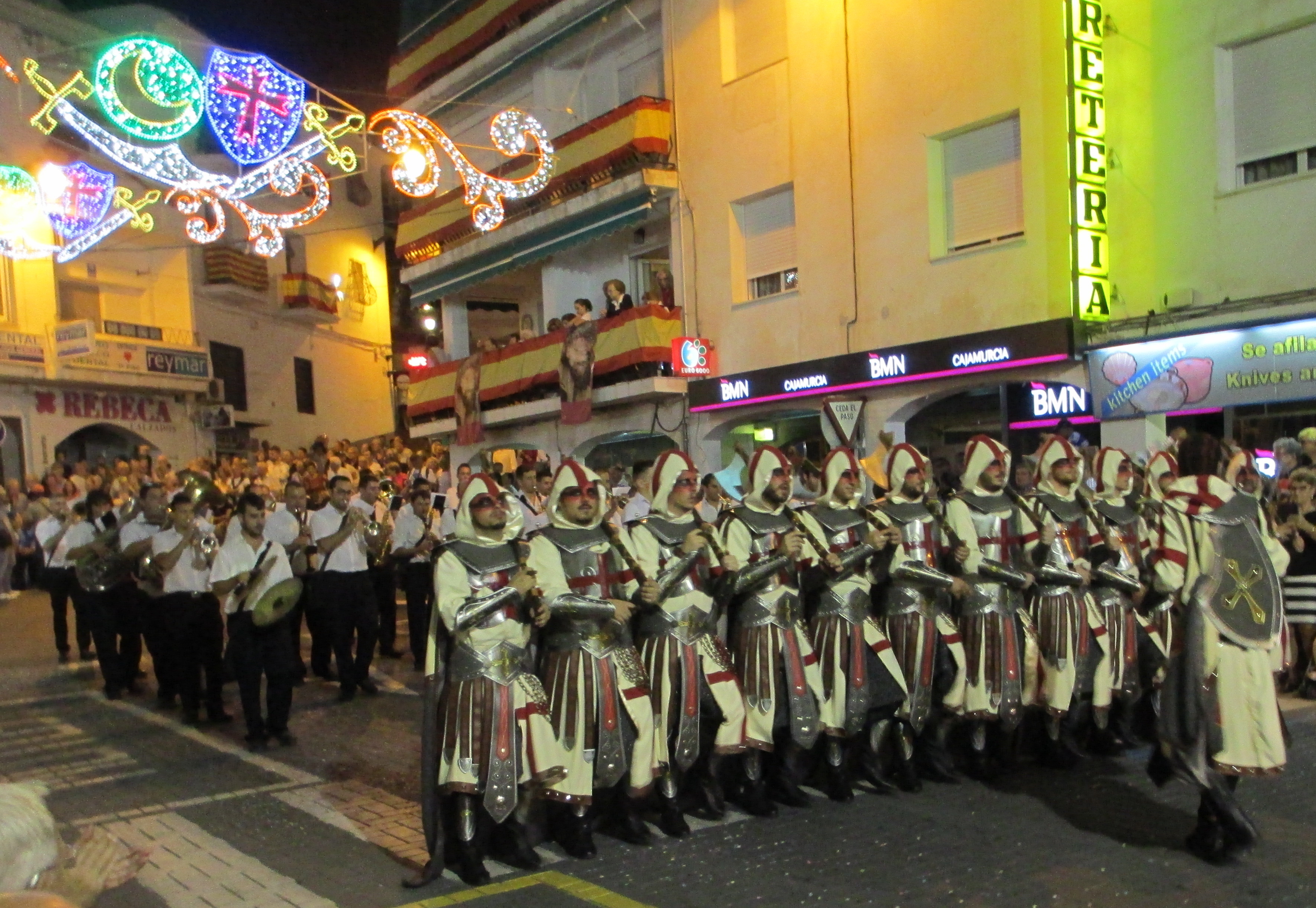
Entrada Cristiana (Christian Parade Entry): Altea

25 Oct

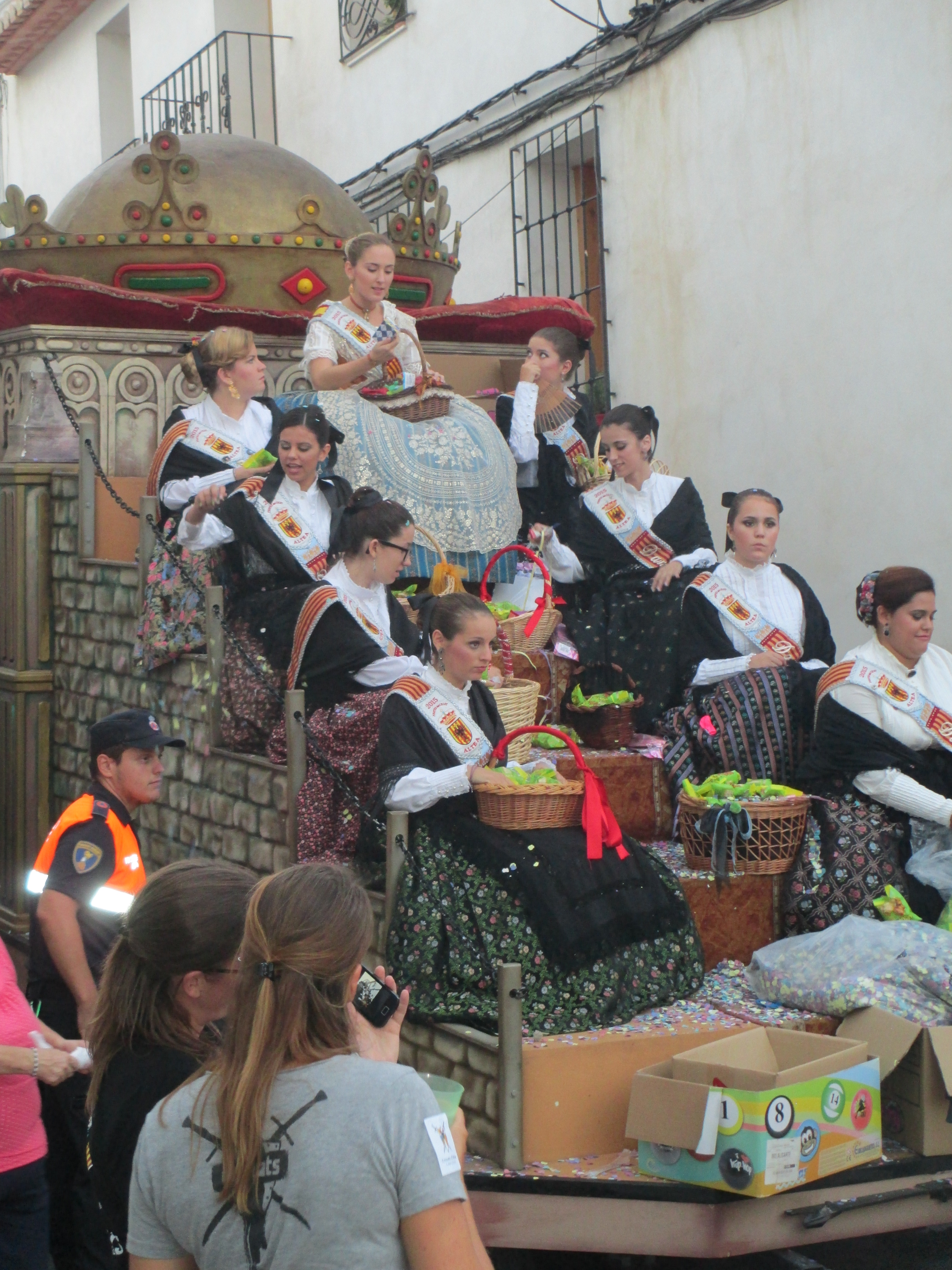
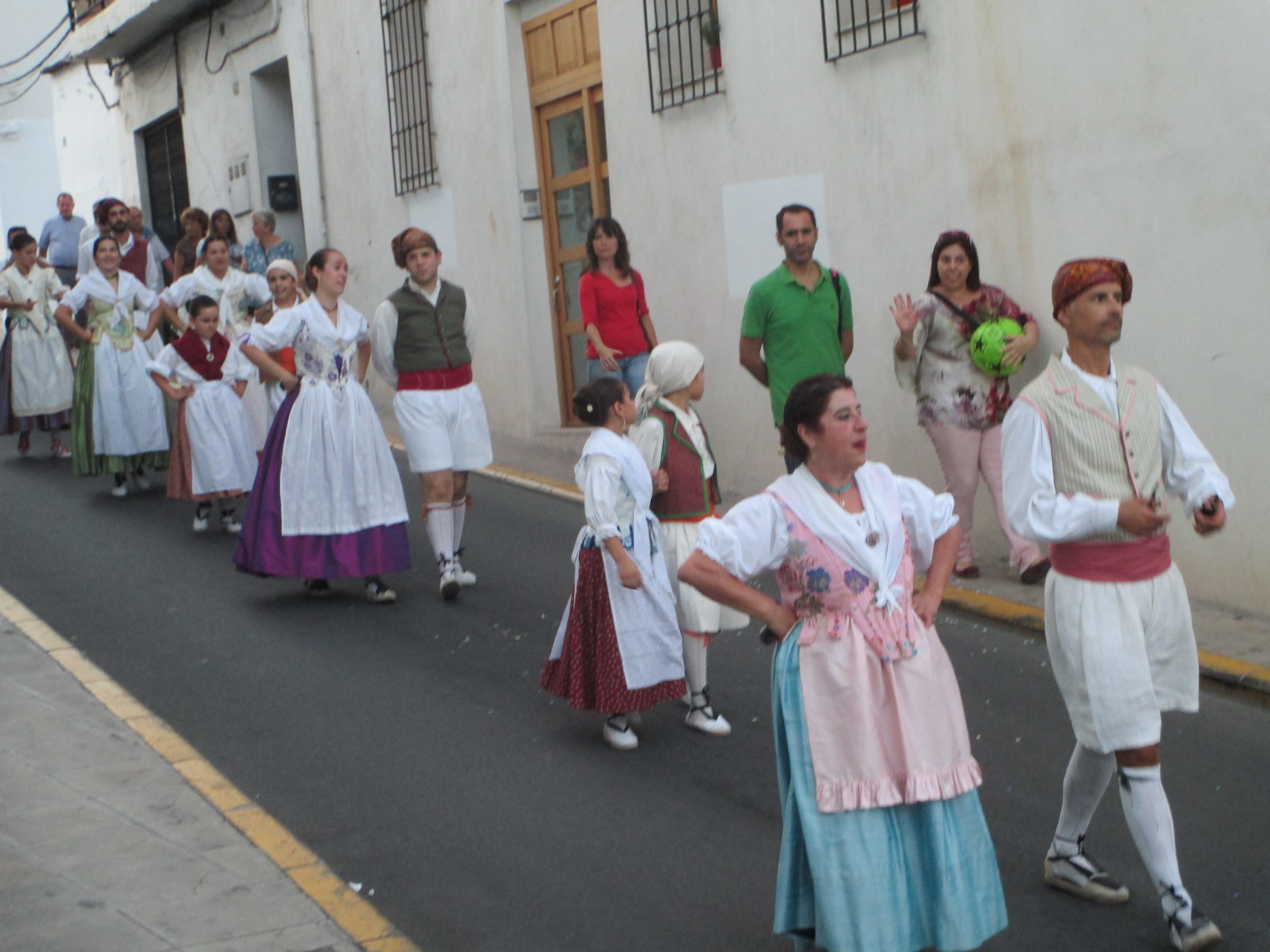
In my last post, I gave a brief summary of the annual Moros y Cristianos  festival, and showed some of the opening day festivities.  This post will feature a few photos from Entrada Crsitiana, and next post Entrada Mora.

IMG_1465

IMG_1502A_1

IMG_1475

IMG_1466

IMG_1477

IMG_1482

IMG_1485_1

IMG_1504

IMG_1503

Top Festival Photos: Moros y Cristianos in Altea Spain

12 Oct

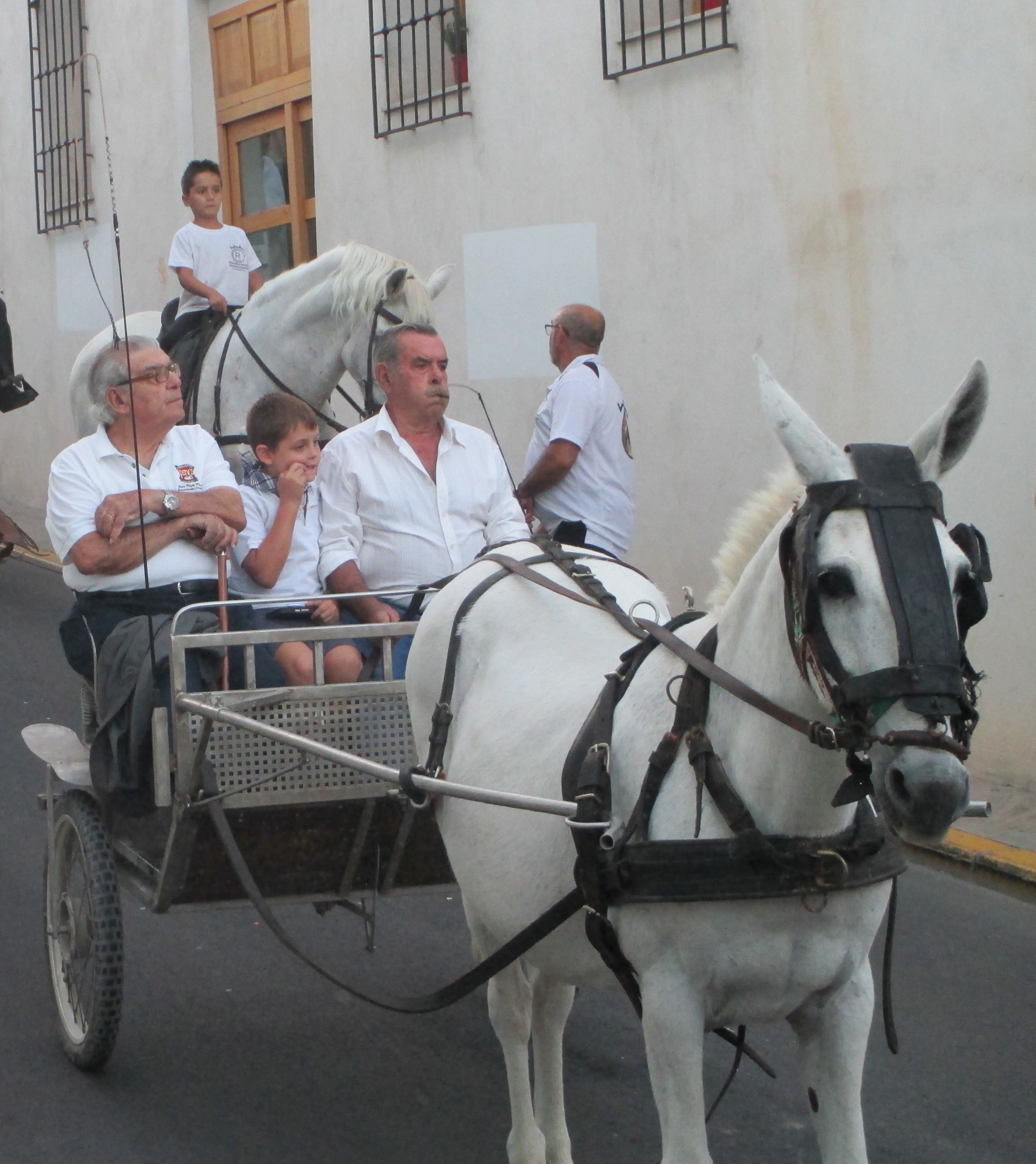
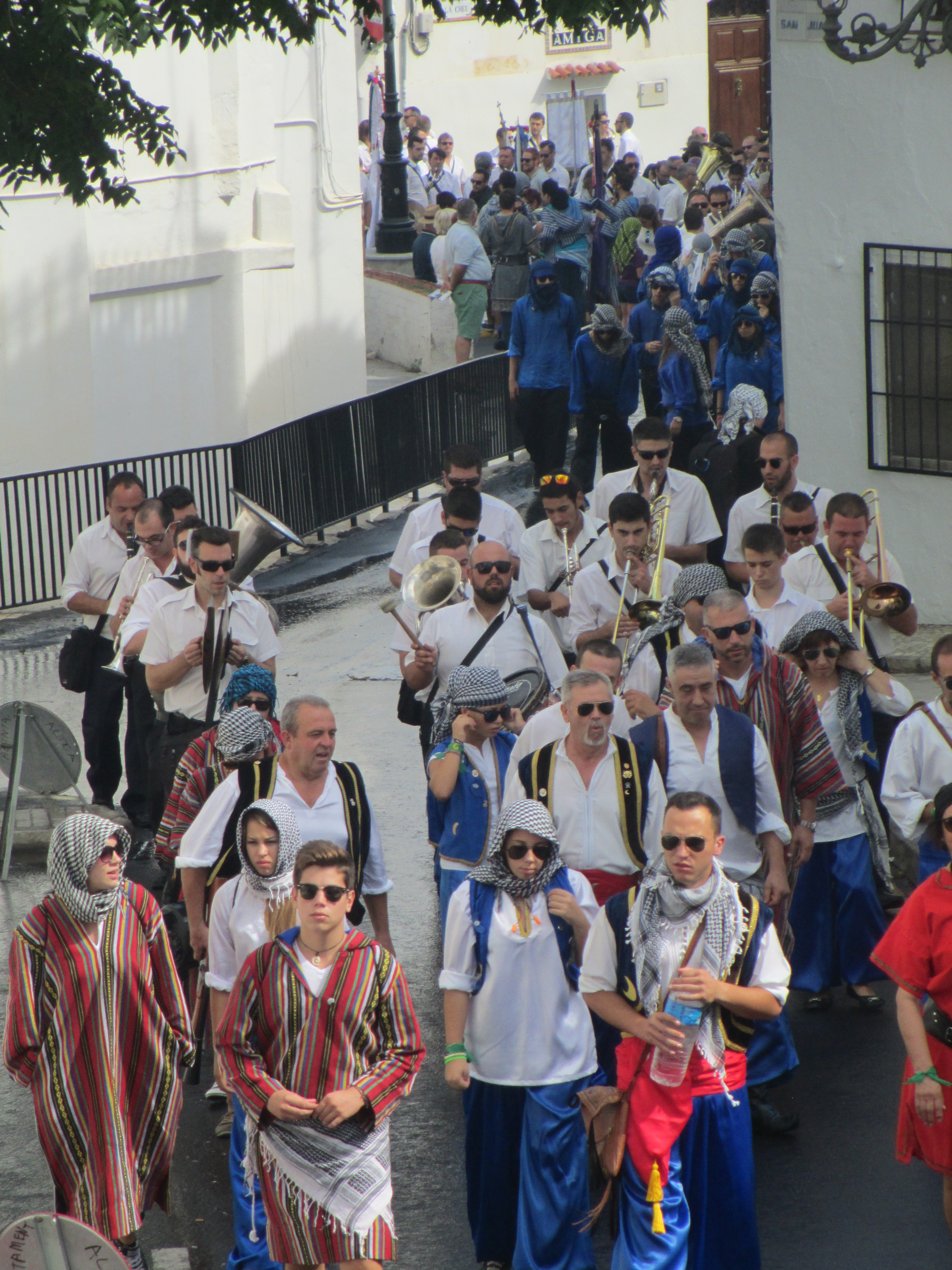
Moros Y Cristianos Festivals or Festes de Moros I Cristianos,  in Valenciana, are very popular on the Costa Blanca, where I live. In my town, Altea, the main festival takes place at the end of September, honoring San Blas (Saint Blaise, in English.) However, the preparation for the main festival takes place all year long with each crew or brotherhood. Each of the many groups has its own marching band.  As is typical of many festivals, at 8:00 or 9:00 a.m., (early by Spanish standards), there is a despertá, where musicians, drummers, and ear-numbing pellet guns stroll the streets with this form of an early wake-up call. And it is early as many of the festival participants party into the wee hours of the morning, with live bands starting nightly some time after midnight. This main part of the festival occurs Thursday through Monday, with the most popular event being the Monday night Entrada Mora, the parade featuring the “Moors.” I did ask around to find out if any actual “Moors” or Muslims participated, but was told no. This type of festival would not “fly” in the US but there are a number of festivals in Spain that may seem politically incorrect in other countries. In some of the photos of the brotherhood of the Moros, you will notice cigarettes and beer in hand, during the daytime marches. One of the “brotherhoods” has their headquarters just across the street from my patio, so I often get to witness their preparation and celebrations. Whatever one’s feelings are about the political incorrectness, the local atmosphere is electric with anticipation and excitement for the festival, and the music and costumes are fantastic.

In my next two blogs, I will provide photos of the Cristianos and the Moros, respectively.

Opening Day Festivities

IMG_1421

IMG_1406

IMG_1409_1

IMG_1396_1

IMG_1410

Procession up the hill to the Church in Casco Antiguo with many fabulous musicians

IMG_1425

IMG_1438

IMG_1450

IMG_1446

Preview of my next post on the Entrada Cristiana

IMG_1502A_1

Preview of post on Entrada Mora

IMG_1546_1

Spain: Travelling and Living Challenges

6 Oct
Moros y Cristianos: Altea 2015

Moros y Cristianos: Altea 2015

Life sometimes gets in the ways of one’s plans, or should I more aptly say, my plans. I intended to post about some of the interesting places I have visited near my home in Altea, Spain, during the week visit of my middle son, Michael, but with a few anticipated and unanticipated events, I felt more compelled to blog on the vagaries of the past couple of weeks.

I have found that if things can go wrong in Spain, they often do. Serendipitously, my son, Michael was arriving on the same day as my computer generated appointment was to get my fingerprints done at the National Police in Alicante to finish the steps for securing my first renewal visa. (For details on my experience with the visa process, see my posts: https://starrtreks.com/2015/07/09/how-to-apply-for-non-lucrative-visa-for-spain-as-us-citizen-bucking-the-trend/.https://starrtreks.com/2015/07/26/patience-and-tenacity-requirements-for-obtaining-a-spanish-residential-visa/; .https://starrtreks.com/2015/08/09/you-must-be-kidding-steps-to-get-a-spanish-visa/

More Moros y Cristianos

More Moros y Cristianos

Since he was arriving into Alicante on a Tuesday, on the same day as I had to go for my huellas (fingerprints) and delivering my photo for my Spanish residential visa, I booked a rental car. It took about a half hour on the local bus to nearby Benidorm, where I was able to book the car for 48 hours for only 38€, far less than what it would have cost if I rented in my little town of Altea. As it was the biggest festival of the year in Altea, Moros y Cristianos, lasting many days, many streets were closed and parking spaces were limited. Probably the only benefit to being disabled is having a handicap placard for one’s vehicle. Even then, it was difficult to find a space for the rental car. After a long search, I finally found a spot. Just to be sure, I made sure the word, minusválido, meant handicap parking; it did. I had a bad feeling about the parking spot, which was confirmed when I went to retrieve the car the next morning at 7:30 a.m. to drive to Alicante for my 8:50 appointment. The rental car was gone. I had no time to try to find it, so I walked about a half mile to the downtown taxi stand, where there were no taxis; it was far too early for most people to be out and about.

When I saw one of the ever-present street cleaners (with a shovel and plastic bucket to pick up litter,) in Spanish, I told him of my predicament and need to be in Alicante for my appointment to renew my visa. He kindly summoned a taxi via phone. I did arrive on time, for a fee of about 85€.

I had an uneasy feeling while waiting for my turn with the staff, having gone through so many errant trips to the local Oficina de Extranjería (Immigration and Naturalization Office) in Altea. However, in this case, all went smoothly, and I the worker commented on how fluent my Spanish was for being in Spain about a year, even sharing his observation with his colleague. (There are many ex-pats living in the Costa Blanca who don’t know more than two words.)

I had originally planned to take the now unavailable rental car to the Alicante airport to retrieve my son, but obviously could not. In the meantime, on his side, the phone app he had set up would not work to contact me. He finally called from a pay phone, and I advised him to take a cab and pick me up at the National Police, and then we would head back to Altea. That went well, for costing another 85€. I am supposed to retrieve my renewal residential visa somewhere around the first of November of this year, a mere four months before it expires for the year. Then I get to start this process all over again.

After he settled in by place for a bit, we headed to the police station to try to figure out what happened to my rental car. In the meantime, I tried to stop at several copy shops to scan and send some important papers, but they were closed for a fourth straight day, this day to recover from the festival partying from the prior week. To abbreviate the part of the story about retrieving the rental car, I was told by the local police that I was in a specifically reserved spot for a handicap vehicle. In Spanish, I replied I have travelled to many countries and never encountered this. Placidly, he told me it would be 136€ to get the car released. What he didn’t say was that I needed to retrieve the car immediately, that there are no regular staff on site, so it took three tries before I was able to retrieve the car, just in time to return it to the rental agency, although with a quick side trip to historic Guadalest.

Michael and I had a fabulous time with friends, and day trips to Guadalest, Denia, Albir and even Benidorm, which I typically detest. (More about those destinations and the Moros y Cristianos festival in future posts.) Naturally, getting the Beniconnect Bus from Altea to the Alicante airport was fraught with snafus, mostly the lack of staff answering the phone, and simply disconnecting after 20 to 30 rings. By persistence, and multiple ways of contacting them, we got a departure time late on the evening before his scheduled departure. Ever the dapper dresser, Michael turned many a head as he headed for the bus.

Michael leaving Altea en route to London

Michael leaving Altea en route to London

I love Spain, except for how difficult it is most of the time to get anything in the government and in businesses done efficiently and the first time. For me, this is (sometimes) a good lesson in patience. My advice remains: plan on at least three visits to accomplish your task, and if it is any less, celebrate!

Top 10 Things to See and Do In Valencia Spain

21 Sep

Valencia is a feast for the senses. In another post, I displayed photos of the many stimulating scenes that gave me a feel for this vibrant historical city. The city of Valencia, and the once “Kingdom of Valencia” offer a rich, complex history with Valencia has one of the largest historical centers in Spain. Exploring Valencia from my adopted home town of Altea Spain made the drive to Valencia approximately one hour. Here are my top ten picks to see.

  1. Valencia was settled as a Roman colony in 138 BC on the strategic location of an island in the Turia River, which runs to the Mediterranean. The Turia River, which was subject to flooding the city, was diverted after a major flood in 1957, and the now-named Gardens of Turia river bed is a lengthy multi-use sunken garden with pathways, playground, gardens, fountains, athletic track, cafes, concert venue and more. Allow adequate time to meander through all or part of its nine kilometers.
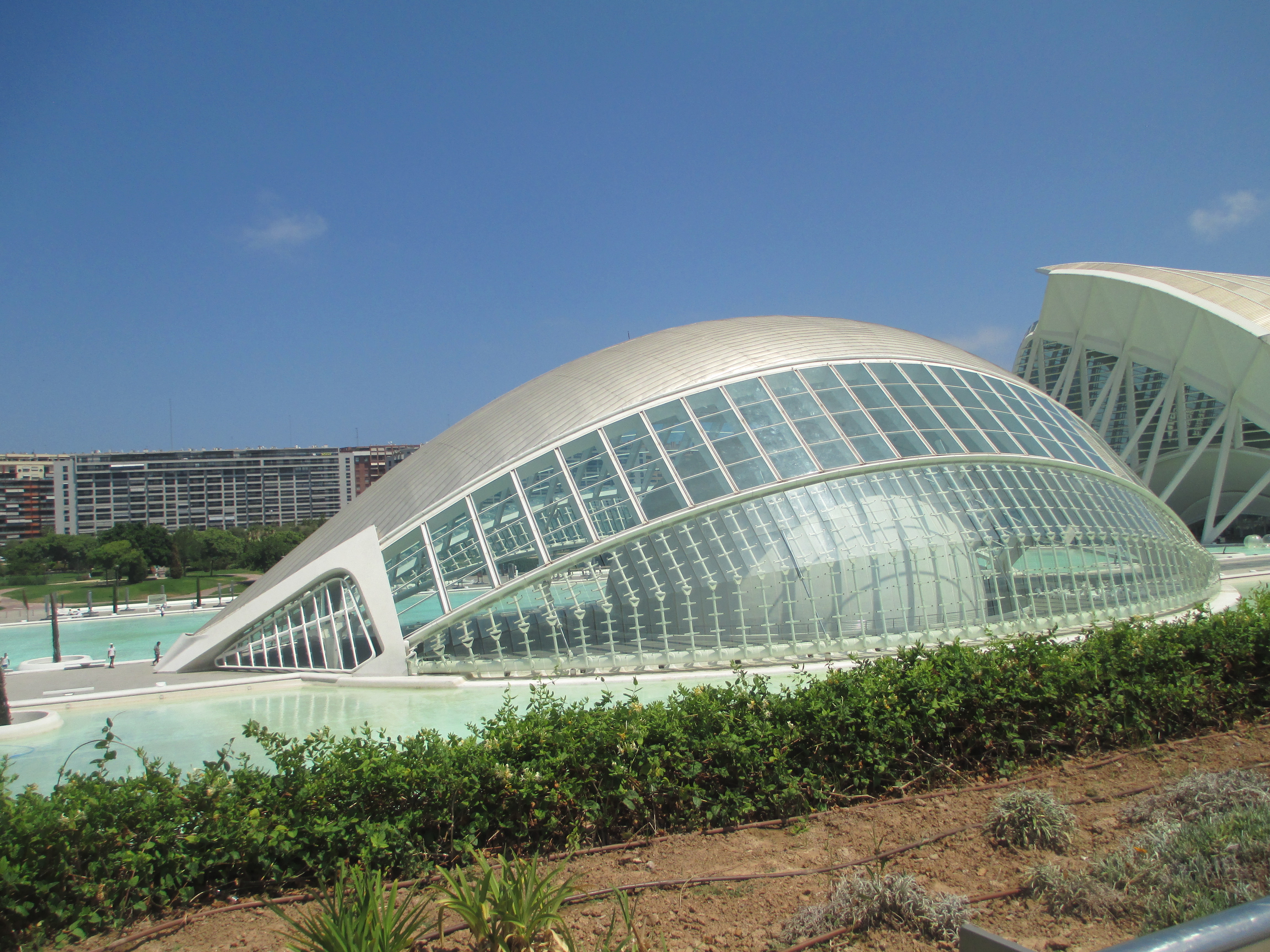
  2. Toward the east end of the Gardens of Turia is the modern, architecturally astonishing City of Arts and Sciences, whose structures were inspired by animal skeletons. It houses an IMAX theatre, Europe’s largest aquarium, science museum, and opera house. Valencia offers a whopping 45 museums, so do research the various sites to find ones (or none) that fit your interests.

    City of Arts and Sciences

    City of Arts and Sciences

  3. The iconic pentagon-shaped Gothic Torres de Serranos (Serrano Towers) were built starting in 1392, and are the last remaining vestiges of the defensive walls that surrounded Valencia. The Towers are the historical entry point into the Valencia’s old town city centre. A hike to the top affords the visitor interesting views of the historical interior, with the reward of a panoramic view of Valencia from the top.

    Serrano Towers

    Serrano Towers

  4.  In the city centre is the Cathedral of Valencia, a 13th century church built on what were previously sites of an early religious temple and later an 8th century mosque. A chalice dating back to the first century is believed by many experts as the most probable chalice to be the true Holy Grail, used in the Last Supper. El Miguelete, the emblematic Gothic bell tower, next to the Cathedral, where there is another opportunity for spectacular vistas of the city, if you are willing to tackle the 207 step winding staircase.
  5. Valencia was widely known for its textile production and mercantile trade, and to that end, the La Lonja de le
    Ceiling of La Lonja de la Seda, originally painted blue with gold stars

    Ceiling of La Lonja de la Seda, originally painted blue with gold stars

    Seda, (the Silk Exchange) was built starting in 1482. This lavish and beautifully designed Gothic building is now a UNESCO World Heritage Site. Professional- and self-guided tours are available, as well as a free audiovisual 20 minute film about the site.

  6. Near the Silk Exchange is The Mercado Central (Central Market). Built in 1914, it has one of Europe’s largest and oldest indoor markets, with a dizzying array of fresh produce, fish and seafood, many varieties of land animals, and some common regional foods, as well as rare items. It houses a popular indoor eatery, which offers creative dishes.
  7. Make sure to try some of Valencia’s unique dishes. “True” Paella traditionally consists of only a special local rice (typically bomba), green beans, rabbit or chicken, snails and saffron, although many other types are available. It is best when freshly prepared but does take about 30 minutes, well worth it. Or try the fideuá which is similar to paella, but made with small curved hollow noodles instead of rice.
    Vegetables at Central Market

    Vegetables at Central Market

    Horchata is a popular local drink made of sugar, water and tiger nuts, the tiger nuts being introduced by the Arabs during their occupation in the 8th to 13th centuries.

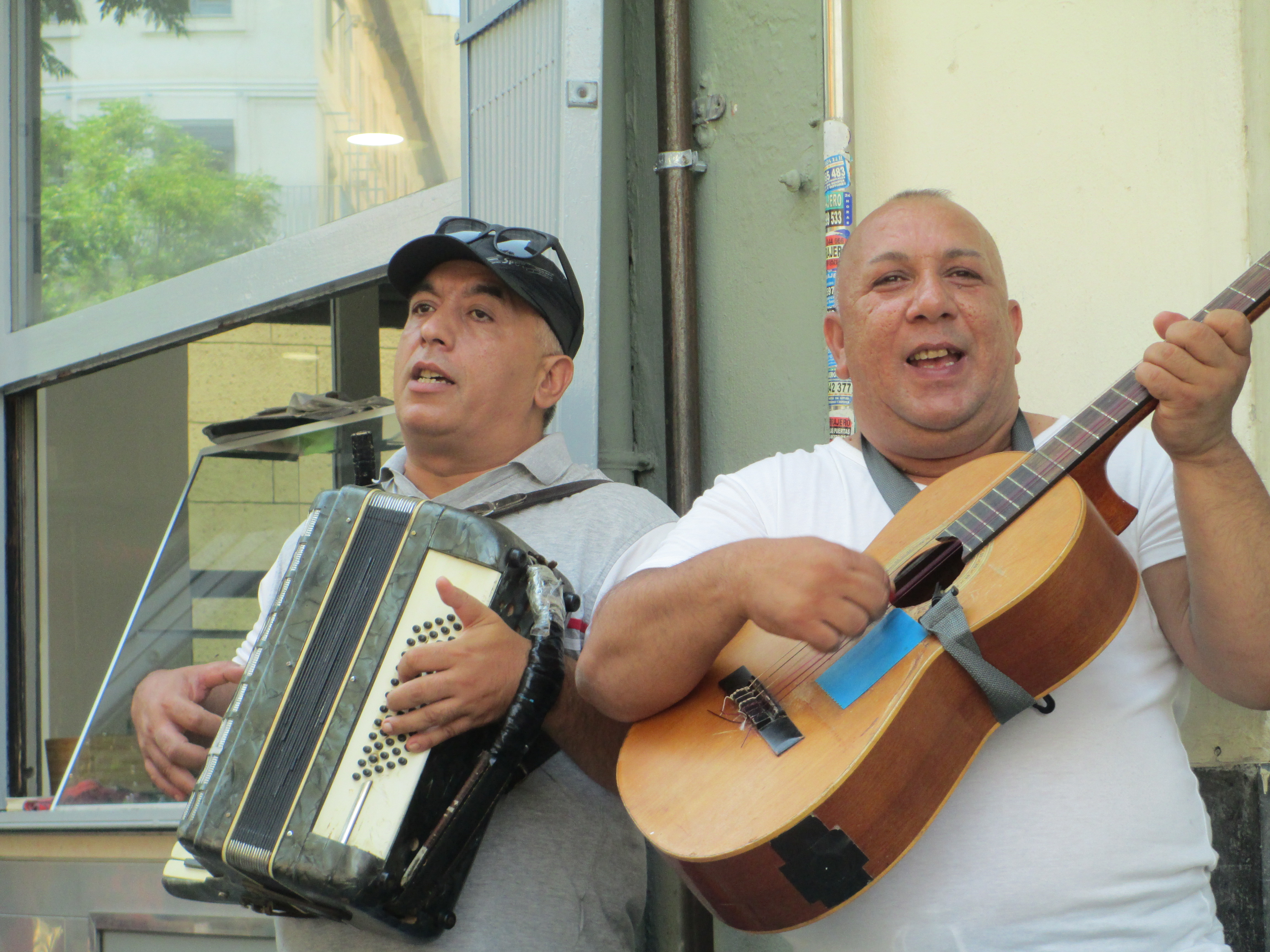
  8. As a die-hard music fan, I am always looking for great live music, which is plentiful in Valencia, especially in the historic Barrio del Carmen. Head to Calle de Cabelleros (or Carrer de Cavallers, in the local dialect) for music in the bars and on the streets. (Keep in mind that both Castilian Spanish and regional Valenciana are spoken, so words may be different, but almost everyone speaks the more widely known Castillian Spanish.) In 2012, the Boston-based Berklee College of Music, widely respected as the best school for jazz, opened a campus in Valencia, and offer periodic performances. Check their website for a list of performances.

    IMG_1208

    Street Musicians

  9. Like every town in Spain, Valencia loves its festivals, the best known of these being Las Fallas. The five day festival in mid-March commemorating St. Joseph which has many components includes neighborhood groups making large, elaborate paper mâché satirical caricatures, which are set on fire accompanied by extremely loud fireworks. A number of the events feature locals in the traditional dress of Valencia, a spectacular cultural sight. However, the festival can be crowded, exceptionally noisy and overwhelming to some. You need to book lodging well in advance for this festival.
  10. And of course, being on the Mediterranean, Valencia has fantastic beaches, including three “blue flag” beaches, those worldwide given top ratings for quality, services and environment. However, I think there are better ways to spend one’s time in Valencia. (Save the blue flag beach visits for other venues in Spain, which currently has the most in the world.)

FISHING FIASCO ON THE ZAMBEZI RIVER

14 Jun

While fishing on the Zambezi River, I turned around from the boat’s railing and saw my pink wallet suddenly being shoved back into my purse. At first, with the bright sun, I wasn’t quite sure what I had seen, but then I realized one of the two local fishing guides intended to steal money from my wallet while the other man was the look-out. Usually one for confronting mistreatment right away, I paused, realizing the two of us were alone on this fishing venture in the middle of the Zambezi River with the two guides. These were desperate times in Zimbabwe, with the continuing pillaging and mismanagement of the economy by President Robert Mugabe, not to mention his human rights atrocities.

Almost worthless ten million Zimbabwe dollars

When we were in Zimbabwe, we were given local paper currency from the Reserve Bank of Zimbabwe in the amount of “Ten Million Dollars,” which at the time was worth a mere 66 cents. There was even an expiration date on the bill. It continued to depreciate so much that this past week Zimbabwe took their currency out of circulation. One can now exchange 35000000000000000 Zimbabwean dollars for $1 U.S.

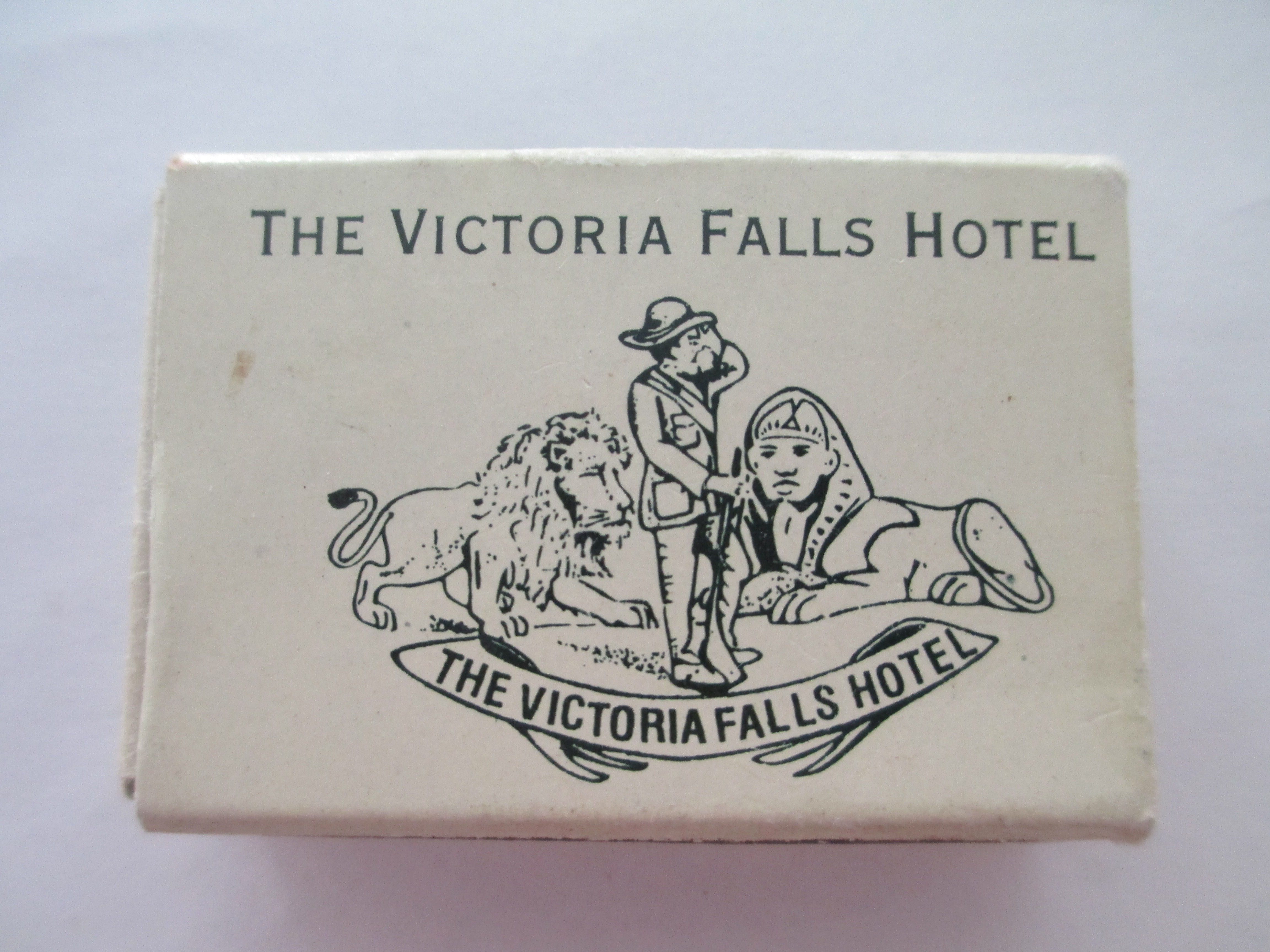
A guide at the elephant refuge center explained to us that before Mugabe took power Zimbabwe had better employment rates and quality of living; the ongoing deteriorating economic status of Zimbabwe’s citizens made things even harder for those who compare their current situation to their lot in the past. We were told that many Zulu were killed by Mugabe. Some of the Zulu warriors danced and sang for our tour group at the grand, colonial Victoria Falls Hotel. (I plan to later post video of their performance.)

As these thoughts quickly raced through my mind while on the fishing boat, I decided to casually meander over to my purse at the back of the boat, pretend to need my lip balm from it, and then carry it to the front of the boat where we were fishing. The river has a number of dangerous animals including hippos and crocodiles, and I feared if we confronted the two men that they might be desperate to protect their precious livelihood. We tried to look nonchalant while continuing to fish.

IMG_1006We were supposed to take a sunset Steam Train across the Victoria Falls Bridge over the thunderous, misty falls, but the train wasn’t running due to the inability to pay for needed parts. Our tour had also scheduled a helicopter ride over Victoria Falls. If they couldn’t get parts for a train, I wondered about the maintenance of the helicopter. So that is one of the reasons we instead opted for the unique opportunity to fish on the Zambezi River. That option may have been no safer than the helicopter ride. In both cases, we and all of our tour companions ended up safely back at The Victoria Falls Hotel where we watched the colorful sunset, flanked by mist from the Victoria Falls on one side and the baboons running around the grounds and up the walls of the old grand dame hotel.

Travelling Solo as a Female

24 May
altea

Altea, Spain

Travelling alone as a woman is something I take for granted. And moving solo from the Central Coast of California to the small Mediterranean town of Altea Spain was not something I considered that challenging, other than the practical logistics. Therefore, I have been surprised when I have received many comments telling me how “brave” I am.

Adventurous with wanderlust, yes, but brave?


I have travelled to almost 40 countries worldwide, many times solo and also with my three sons while they were children. When reflecting on those travels, I tell myself I must have been crazy to take one or all three young boys by myself to places such as Kenya, Australia, Italy, France,Turkey, Belize, Jamaica, Mexico, etc.


IMG_0051

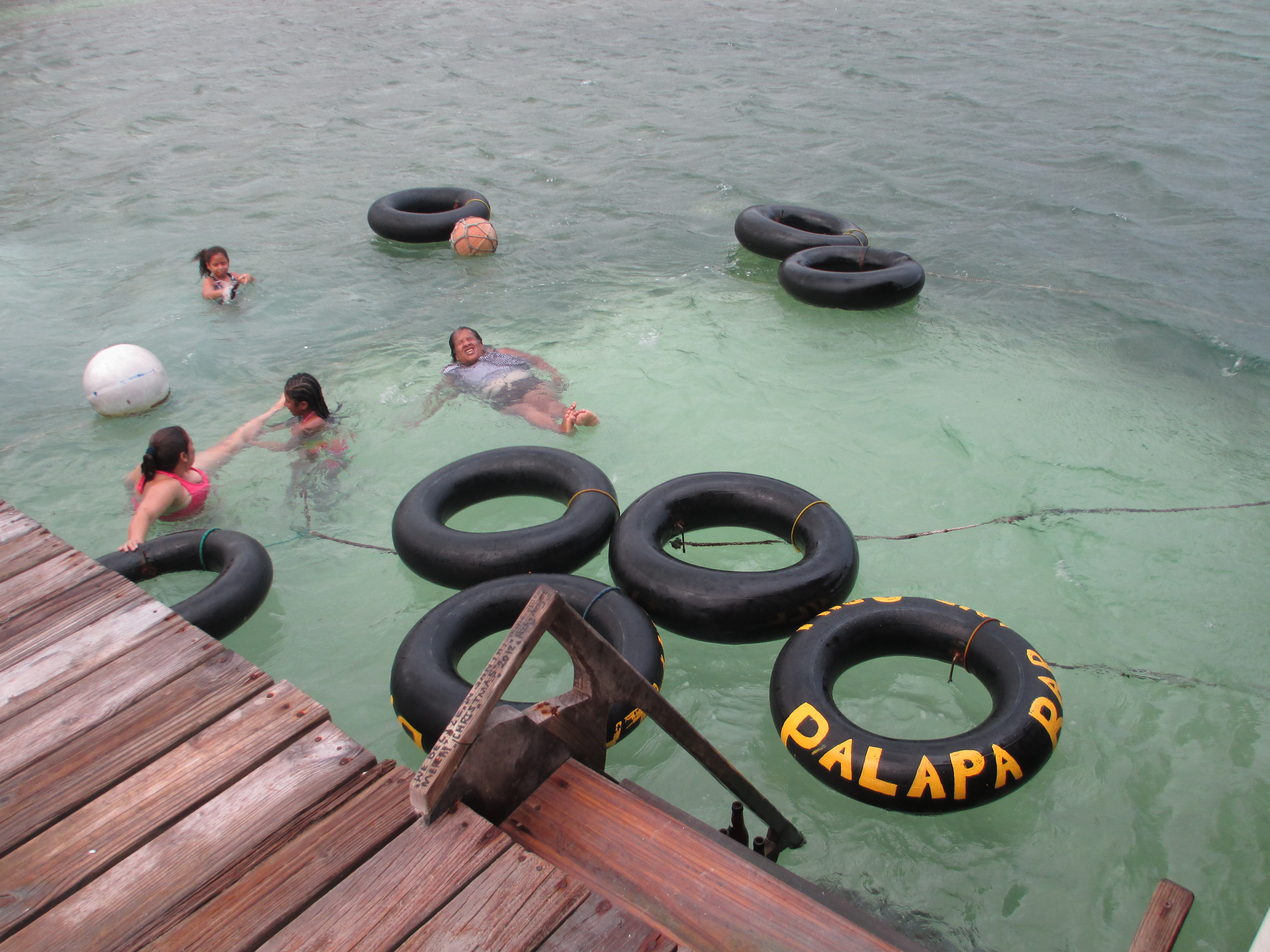
Family swimming at Palapa Bar, Ambergris Caye, Belize

IMG_0053

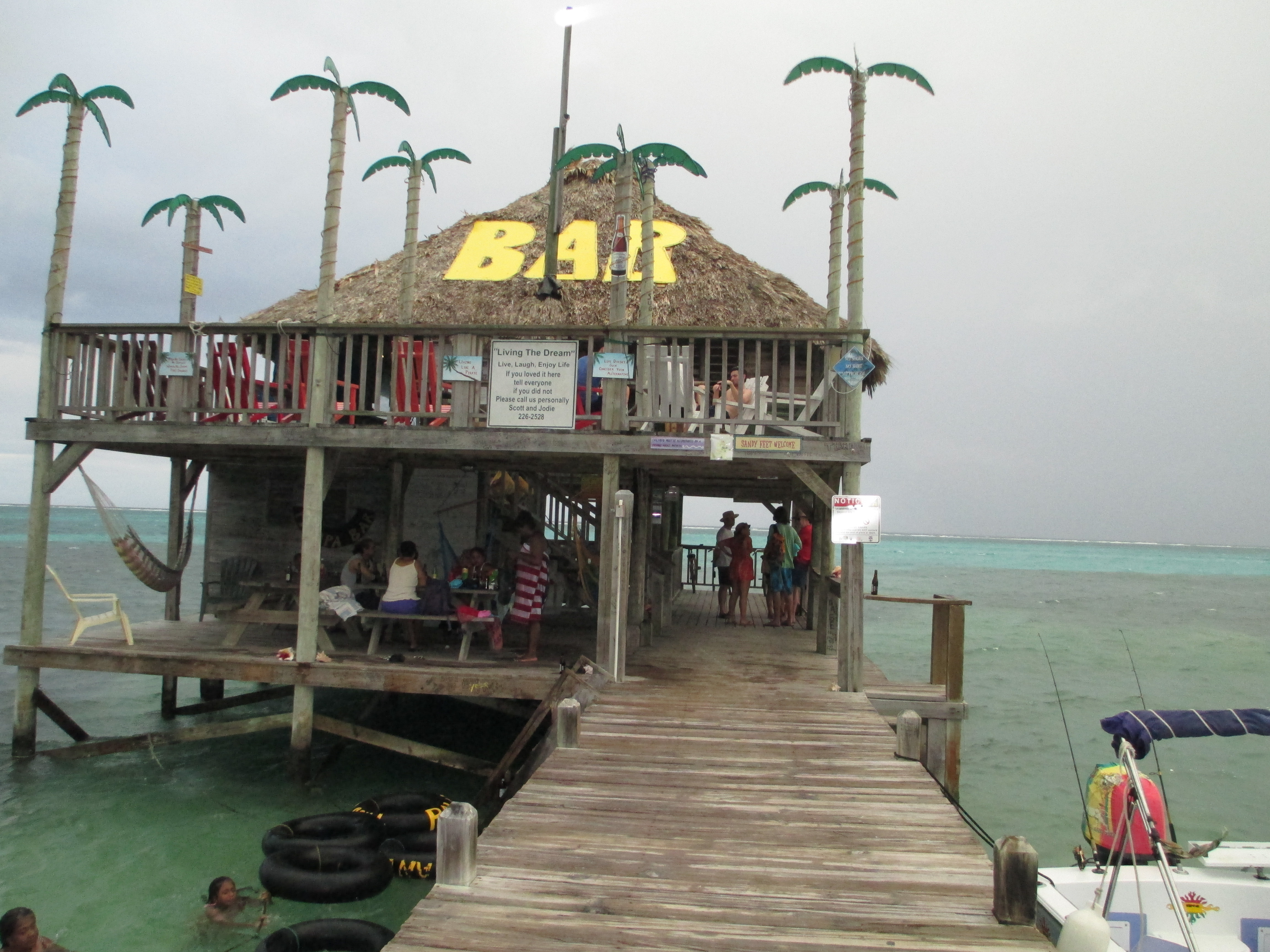
Palapa Bar: Ambergris Caye, Belize

As I prepared to move to Spain, I chose to sell my large home, luxury car, and virtually everything I own, except a few kitchen items, but most importantly, family photos and videos. I was overwhelmed with the many photos and videos, which were too numerous to transport. I decided to have them scanned but because there were so many I had to choose which ones to take. I experienced unexpected happiness while reviewing our family travels. Travelling with children can obviously distract one from paying attention to environmental cues, but I guess I was lucky.


As a retired forensic psychologist who evaluated and testified on violent and sexual offenders, I am by no means cavalier when it comes to personal safety, particularly as a single woman. Here in Altea, I am often out late at night, as are many other females. Whether female or male, it is important to first know the safety of the area where you are. Certain cities are well-known for pick pockets, assaults, etc., and certainly researching the crime and safety of your destination should be an important part of travel planning. And go with your gut. If you suddenly feel an uneasy or fearful feeling, react accordingly. Do whatever will restore your sense of being safe by doing such things as getting to a safe public place, or hailing a cab rather than walking.

OLYMPUS DIGITAL CAMERA

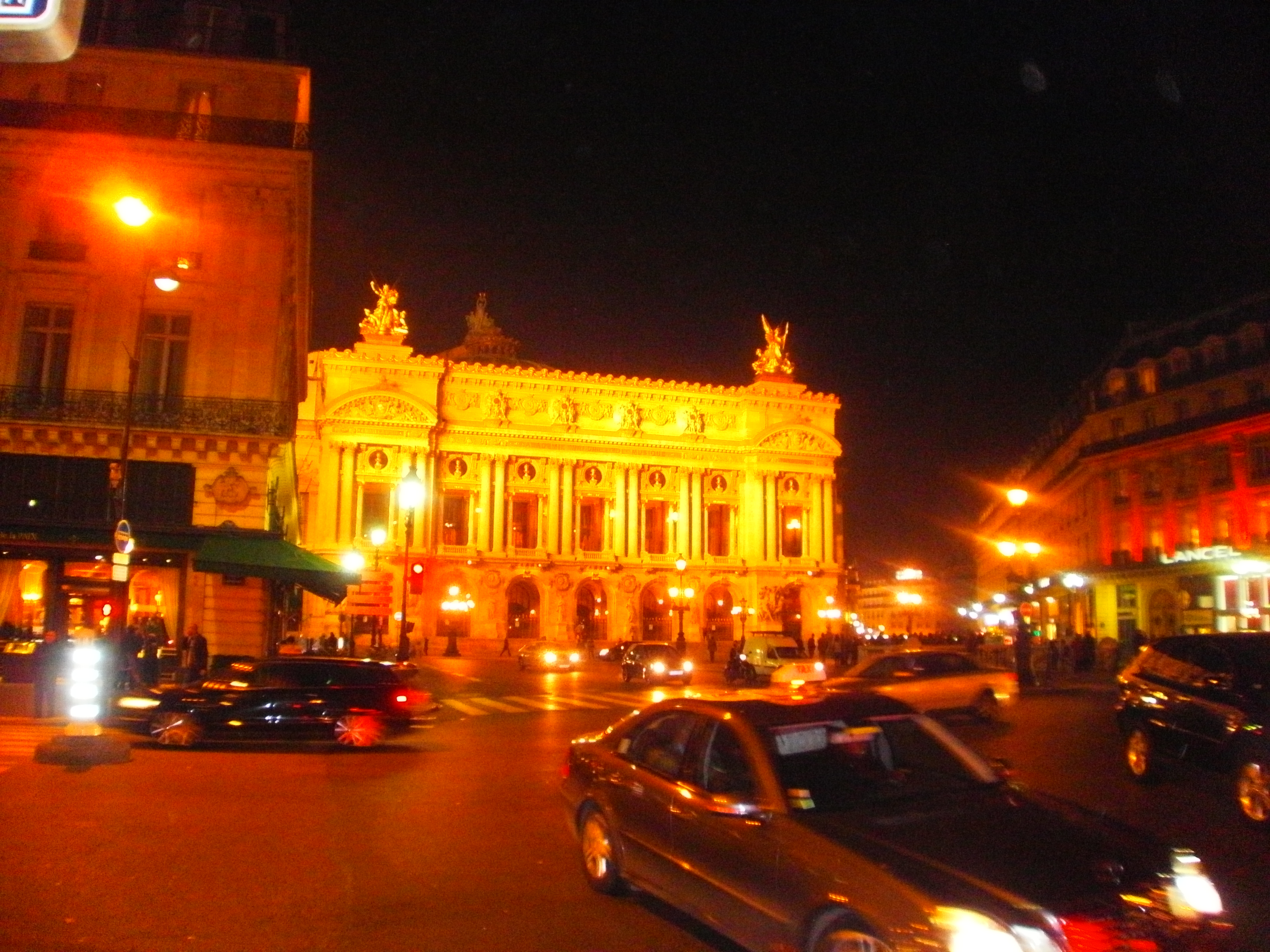
Palais Garnier: Paris Opera House


Some advocate finding a travel partner if one is a female travelling solo, but I would rather travel alone than risk having a toxic travel partner. That is exactly what happened to me when I took a rare cruise which started in Rome and then went to the Aeolian Islands. LuLu, who I had met on a Greek Islands cruise, was interested in going on the Italian cruise. The tour started in Rome. During a private tour (her demand) of the Coliseum, she repeatedly interrupted the tour guide, telling her to move on. Both the tour guide and I were shocked at her rude behavior. The tour guide said she had never seen anyone that rude. Not one for conflict, I disengaged myself from LuLu as much as possible the rest of the trip, which was difficult as she was my roommate.


Travelling alone enables me to more easily meet people, something I increasingly relish. Coming full circle, today I am waiting for the arrival of my 20 year-old son to my home in Spain. He will spend the summer with me. I hope we can travel to some of Spain’s many historic and beautiful sites, that is, if I can pull him away from the young ladies.