Archive | California RSS feed for this section

Music Icons: Kenny Lee Lewis and Diane Steinberg-Lewis

12 Feb
Diane and Kenny Lee

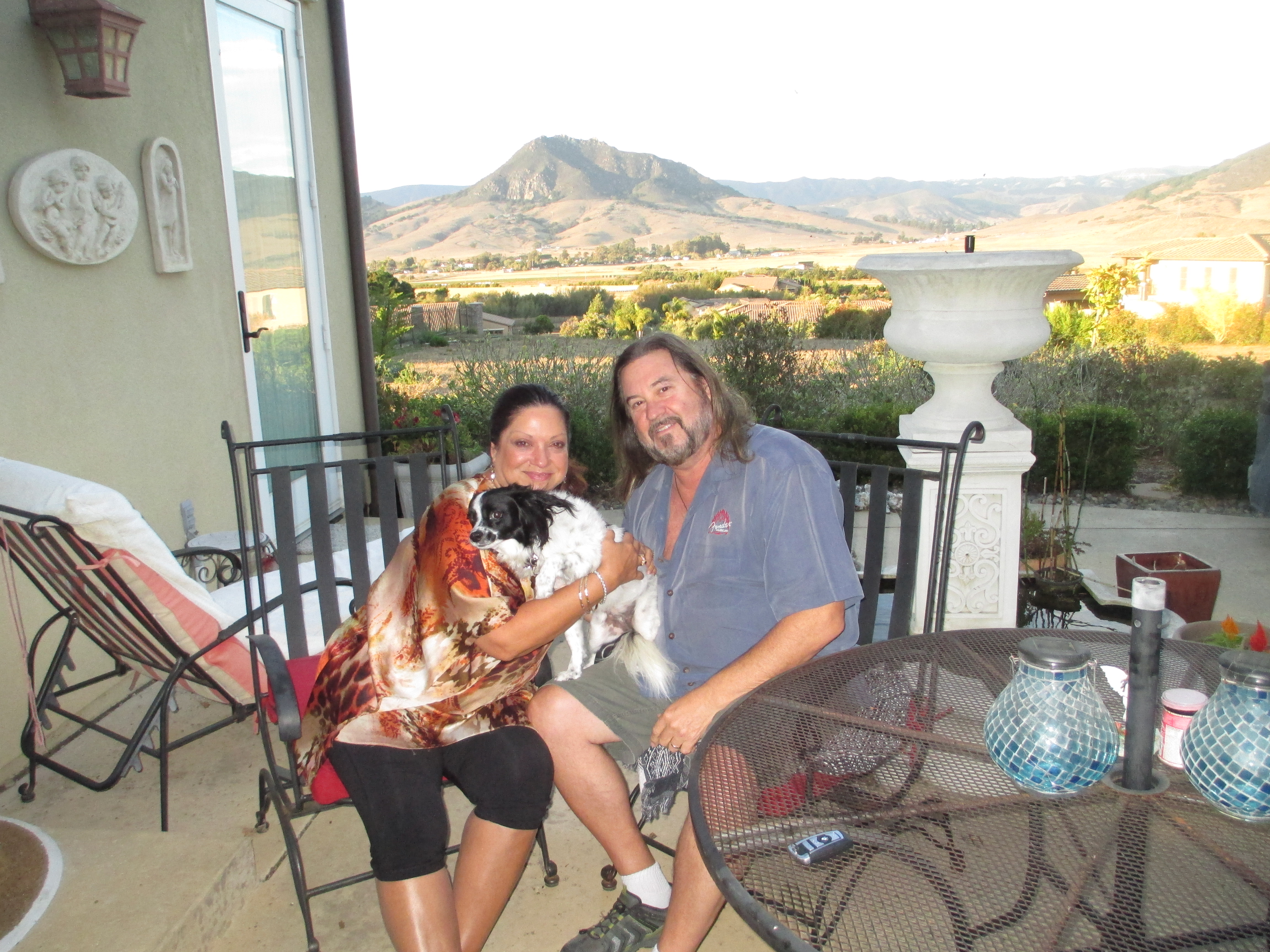
Diane and Kenny Lee at Home with Sophie

After spending time the prior evening with old acquaintances, B.B. King and Peter Frampton, Kenny Lee Lewis and his wife, Diane Steinberg-Lewis enthusiastically shared their fascinating, intertwining respective lives and experiences. Kenny and Diane have performed in San Luis Obispo County (California) in their band, the Barflyz, but are more well-known for Kenny being a member of the classic rock Steve Miller Band, and Diane for her role as “Lucy in the Sky” in the 1978 American musical film, Sgt. Pepper’s Lonely Hearts Club Band (in which Peter Frampton was also cast). The couple, who has been together almost 40 years, was more interested in recounting the history of Diane’s influential musical parents, than talking about themselves. To that end, they were compiling documentation, which included talking to B.B. King after he performed in Paso Robles, California in September 2013, which is when I met with them at their home.

Martha Jean on B.B. King Album Cover

Martha Jean on B.B. King album

Diane’s father, Luther Steinberg, played trumpet with legends Cab Calloway, Lionel Hampton, and Duke Ellington, was a Big Band leader, and did arrangements for artists including B.B. King. Diane’s mother, “Martha Jean the Queen,” was an African-American pioneer in radio and one of the first female D.J’s in the United States. She helped to bring R&B music to the airwaves for the general public. Diane showed a photo of her mother on the cover with B.B. King on his album, My Sweet Little Angel, recorded in the 1950’s, but not released until 1993. B.B. signed the cover of Diane’s copy during their recent meeting. Diane and Kenny Lee hoped to talk with him further to add more of these memorable experiences to their memoir of Diane’s mother:  Speaking of the Queen: from Memphis to Motown.

Born Martha Jean Jones in Memphis, she landed her first job there as a D.J.at WDIA. The radio’s early format of country, swing and light pop was not successful. In 1947 WDIA became the first radio station to target programming to black audiences. It quickly rose to the number two radio station in Memphis, and then became number one after switching to all black music programming. B.B. King started working at WDIA in 1948 promoting medicine and then cigarettes; he became a D.J. in 1950 before launching his performance career. Though all genres of music are widely accepted today, in an era of resistance to integration of the military and Jackie Robinson playing baseball with white players, incorporation of black music into the mainstream was controversial in Memphis. When the “race” music being broadcast by WDIA reached the white suburbs of the south, it was the beginning of what would become the phenomenon of “Rock and Roll.”

Following her parents’ divorce, in 1963 The Queen moved with Diane and her two sisters to Detroit, where The Queen continued as a D.J., and a community activist through the 1970s. The Queen became involved in the ministry in 1984, and in 1997, after being named Michigander of the Year, purchased a radio station WQBH, an acronym for Welcome Queen Back Home where she worked until her passing in 2000.
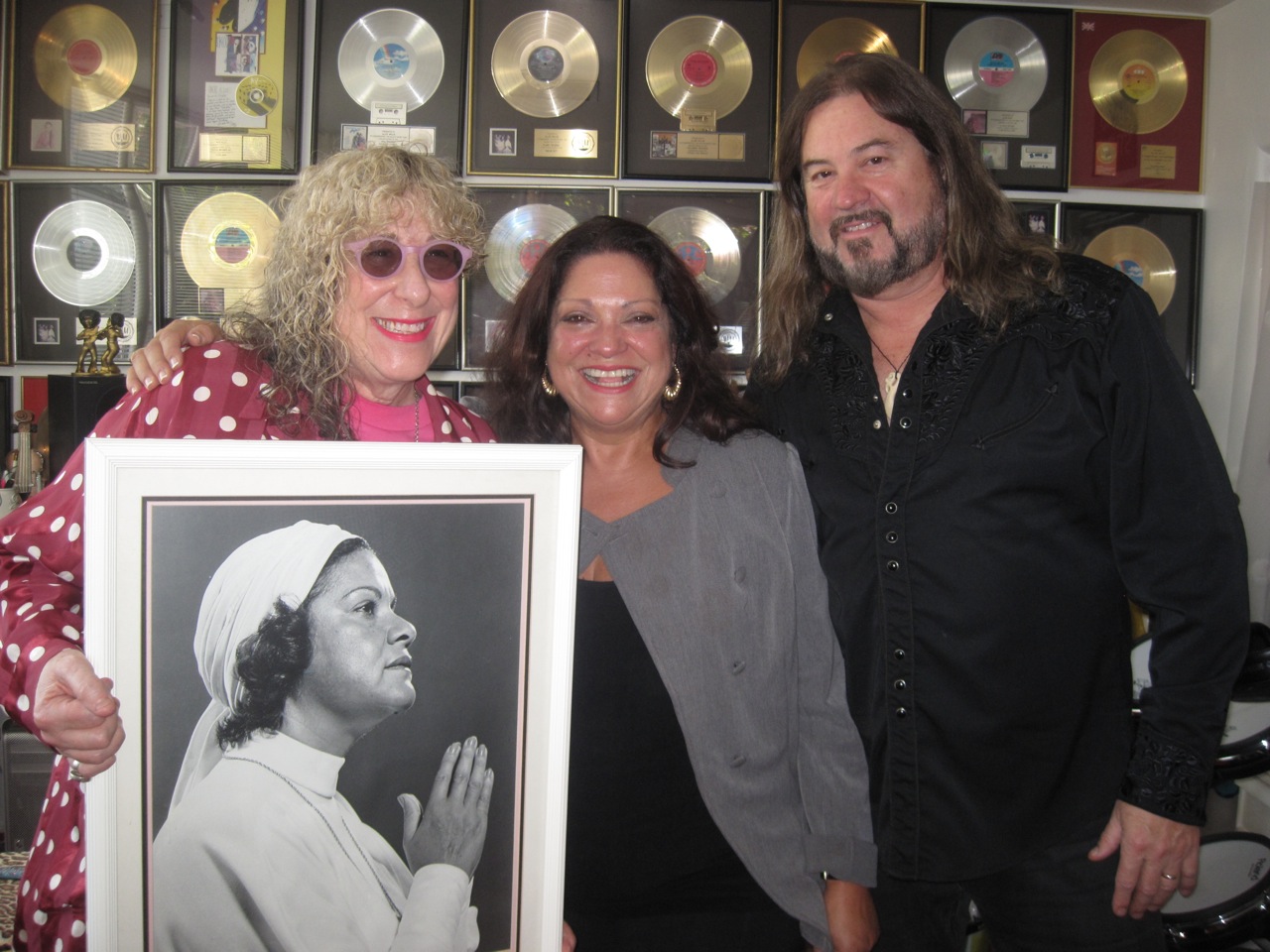
Allee Willis, Diane, Kenny Lee with Photo of "The Queen"

Allee Willis, Diane, Kenny Lee with Photo of “The Queen”

Diane was influenced by the encounters and events she was exposed to by her musical family. At age six, when she began “playing” the babysitter’s dilapidated piano, her father purchased a new piano for her.  She still has this piano, which their dog, Sophie, “plays” when she wants a snack. As a child, Diane’s father brought home many talented musicians who helped her hone her craft. In 1997, her father, his siblings and their father received the W.C. Handy Award for Authentic Beale Street Musicians. In 2010, Diane’s mother was honored with a W.C. Handy Music Legacy Award for her years in radio, and on the same day the Steinberg family was presented with a Brass Note on the Beale Street Walk of Fame.

At college, Diane studied dance, and then music while simultaneously teaching high school.  In 1972, she got her first record contract with Atlantic, and later recorded for ABC Dunhill and Word. She performs both secular and gospel music, has written music performed by such artists as Natalie Cole and Cleo Laine, and wrote the theme music to An Evening at the Improv. She has performed with such music notables as Paul McCartney, Rod Stewart and the Steve Miller Band. Diane met her future husband when getting ready to record an album for ABC and she needed a new bass player. Kenny was recommended as a replacement. Diane said they fell in love and married in 1984; he gently reminded her it was 1983. She smiled noting many men are not sure of their anniversary. Diane has periodically returned to teaching in order to provide a more stable home environment to raise their two daughters. Above is a photo of Diane recording with her friend, Grammy Award-winning songwriter Allee Willis, with a picture of the Queen as inspiration. (Allee Willis is an award-winning, multimedia artist, who has written many well-known songs including Boogie Wonderland and September, made famous by Earth, Wind and Fire, I’ll Be There for You (theme from Friends), and co-wrote the Broadway musical version of The Color Purple.

Mary Wilson (Supremes), Allee Willis, Diane and Kenny Lee

Mary Wilson (Supremes), Allee Willis, Diane and Kenny Lee

Kenny was born in Pasadena, but was raised in Sacramento. He is self-taught, initially picking up the ukulele at age seven and then playing his brother’s acoustic guitar in the sixth grade. Not long thereafter, he started playing an electric guitar he had borrowed. He credits his parents for being supportive of his musical focus. He was playing professionally at 15 and went on the road with his first band, Sand Castle, at age 17. He attended Cal State Northridge for a semester, but left when he got the chance to go on tour. After becoming a successful studio session bass player, he and Steve Miller drummer Gary Mallaber started a band, and were pursuing a record contract.  Steve Miller contacted Gary asking for songs for an upcoming album. Kenny, Gary and guitarist, John Massaro submitted their eight demos, and Steve took then all. Steve then incorporated Kenny, Gary and John into his band. The album, Abracadabra, was released in 1982 which went multi-platinum. Kenny initially was guitarist for the band, but in more recent years has become the bass player. When I met with he and Diane in September 2013, the band had recently finished a tour in Australia and New Zealand, and on the top of his television cupboard, a colorful boomerang peeked out.

Diane and Kenny moved to Central Coast of California after visiting a friend and falling in love with the area. They describe the local music scene as “creative” and “original,” with less pressure to follow trends than in the L.A. music scene. The Barflyz was one of their local groups, which Kenny described as an “acoustic pop-cabaret” band performing rearranged jazz, rock, blues, Latin, TV themes and original. When I met with them in September 2013, the band included stellar musicians Danny Pelfrey on sax and flute, Ken Hustad on bass, Dean Giles on drums. Kenny sometimes performs solo at small, local San Luis Obispo venues and bars

For more information: www.barflyzmusic.com. www.kennyleelewis.com

Remembering a San Diego Music Icon: Ella Ruth Piggee

23 Jan

I  had recently been reminiscing about some of my talented musician friends in California, both from San Diego and on the Central Coast. I feel fortunate that I can go on YouTube or on my IPod to watch and listen to them perform. I was already planning on revisiting some of these musicians on my blog and Facebook, either with new articles or by reproducing prior articles from my blog or other sites where I have published. The recent deaths of a number of music icons have led me to expedite those plans. Over the next several months, I will be featuring musicians, both deceased and alive.

Ella Ruth Piggee was an incredibly popular, charismatic singer in San Diego for nearly ten years before her tragic passing due to cancer in 1988. I am always on a quest to find great live music, with my favorites being R&B, jazz, funk, standards, Latin, and classical. In my quest in that regard, in 1978, I was told about Ella Ruth Piggee, who was then performing at a bar in East San Diego, in an economically-challenged area. I first saw her perform at the Black Frog to a predominantly African-American crowd. I was blown away by her vocal talent, her ability to connect with the audience, and her great sense of humor. Anyone who ever regularly went to see Ella Ruth perform knew if you sat in one of the tables near the stage that you would be subject to her chiding, anything from the type of socks you were wearing to mentioning that in spite of having the best seat in the house you have hardly ordered any drinks. Then she would let out one of her loud, infectious laughs.


Over time, Ella Ruth and I became very good friends, and it was always a delight to hear her perform or to spend social time with her. Early on, she sang with Bruce Cameron (trumpet, cornet and flugelhorn) and Hollis Gentry III (saxophones and flute). Carl Evans, Jr. (keyboards) and Hollis (who were also friends of mine,), went on to be two of the founders of hugely internationally successful jazz-funk/fusion band with Latin influences, Fattburger. Unfortunately, they both suffered premature deaths due to health issues, as well. Ella Ruth sang, “Make That Dream Come True” on Fattburger’s Good News album, which I believe was released in 1987 shortly before her death. The song was also featured on the Best of Fattburger released in 1992.


Typically, Ella Ruth’s Talk of the Town band would play instrumentals for the first half the set and then she would finish the set with R&B, jazz and pop vocals. In my opinion, this form of music sets featuring both instrumentals and vocals gave those in the audience unfamiliar with jazz exposure to it, which helped to increase interest in instrumental and vocal jazz in San Diego. Ella Ruth finished every song with her signature spontaneous, creative scat. Over time, she became a very popular entertainer throughout San Diego, including the venerable Crossroads in downtown, The Triton in East San Diego and Cardiff, Chuck’s Steakhouse in La Jolla, the Catamaran on Mission Bay, and many more.


While the world class instrumental musicians sometimes changed, Ella Ruth was the main draw for a diverse San Diego audience, which can be seen in her various YouTube videos. I thank all of the caring musicians who took time to upload some of her performances, including Cecil Mc Bee, Jr. (bassist) and Tony Barnwell (keyboard and vocals.)


Ella Ruth was originally from Des Moines Iowa and had also lived in Omaha Nebraska. As I had also lived in Nebraska, and did my undergraduate degree in Omaha, we also had that connection. I arrived back in San Diego in 1978, around the time she did. When I was a poor starving graduate student in San Diego, Ella Ruth would sometimes treat me to a traditional Nebraska, Italian-style steakhouse. In spite of her charismatic on-stage persona, Ella Ruth was a very private person. After performances, she frequently cooked spaghetti at her home for the band, and Midwestern-style fried chicken especially for me, the best ever. Whenever I asked her for the recipe, she told me it was just flour, salt and pepper, which I never believed. I was also pleased to have the opportunity to spend extra time with her during the time she stayed with me when she was looking for a new place to live.


Ella Ruth’s longtime friend, Mitch Manker plays trumpet, flugelhorn and pocket horn on the posted YouTube video. Like Ella Ruth, Mitch also came from Des Moines to San Diego, following his stint as first chair trumpet for Ray Charles. Also featured in the posted video is Michael Evans (drums), Jeff Snider (guitar), and Michael Thompson (keyboard.) Keep in mind these recordings are over 30 years old, and the technology for informally recording live music at clubs back then was limited.

Not long before she became ill, Ella Ruth recorded a “demo tape,” a copy of which she gave to me with her personal handwriting of the songs she recorded. Hollis is clearly the saxophonist. I have been unable to figure out who is the fantastic keyboard player, in spite of asking a number of her musical contemporaries, so if anyone out there thinks they may know, I can send you a digital copy of the recording. I have been in contact with the San Diego Museum of Jazz to whom I plan to donate the tape.


Six Easy Steps for Bringing Pets to Spain

3 Jan
Pepper at beachside concert in Altea

Pepper at beachside concert in Altea

Bringing pets to the European Union (E.U.) from the U.S. is much easier than what it once was. No longer are there long required quarantines. However, in non-E.U. countries, the policies can be different. For the United Kingdom, there is a four month quarantine. Finland, Ireland and Malta also have their own pet import regulations. The following reflects the current requirements for up to five dogs, cats, and/or ferrets coming to an E.U. country from the U.S. As governmental regulations can change, it is advisable to check the website for the USDA APHIS (U.S. Department of Agriculture, Animal Plant Health Inspection Service.) Then click on the “Live Animals,” and enter your EU destination. For Canadians, the regulations are similar. Up to date guidelines for exporting pets from Canada to the EU can be found on the website: “Canadian Food Inspection Agency under “non-commercial export of dogs, cats, and ferrets to the EU.”


  1. As far out from your desired departure date, check with individual airlines regarding their pet transport policies. Start by checking their websites, and then speak with an actual airline representative to get the specifics. Weigh your animal to determine whether they are eligible for travel in the cabin, under the seat in an airline-approved carrier. The weight allowed includes the pet, carrier and anything else placed in the carrier. Including his carrier, my dog, Pepper, was just at or slightly above the weight limit allowed by many airlines, so I found an airline with a more generous 8 kg. /17 pounds limit. Also, some types of dogs are not permitted, in which case you can consider a pet relocation service. There are different policies for very young, unvaccinated pets. Airlines charge varying rates for transporting pets, so take that into consideration during your research. Check to see if there are periods of time they do not transport animals in the cargo hold due to expected inclement or extreme weather. Some airlines don’t take pets via cargo in hot months as they have had animals die. If your pet will be in the cargo hold, consider booking during months that are traditionally temperate. Make sure the carrier purchased meets the airline’s regulations. Carriers or crates must afford the animal to move around, and typically have an absorbent cushion or rug with adequate ventilation. A carrier with wheels will make moving your pet through the airport far smoother. Because there are so many different airline regulations, costs, weight limits, etc., when deciding on an airline, I made a written grid to record each airline’s policies for easy comparison.
  2. Book your flight as soon as possible to guarantee a spot for your pet. Make sure the pet has a reservation. During the three times, I flew back and forth between California to the E.U. I was charged for my pet when I checked in at the airport. If you will be using other ground transportation once you arrive, such as a train, bus or car rental, check their pet transport policies. The first time, I brought my dog from Madrid to Alicante via train, and the second time directly to the Alicante airport via plane.
  3. Well in advance of your travel date, get your pet used to the carrier or crate. In the beginning, put the pet in it with a toy and snack. As s/he gets comfortable, leave the pet in the carrier when you leave home. Take your pet in the carrier on walks and in the car to get used to motion. For pets who will transported in the hold, it is especially important to get them used to being in their crate and moving.
  4. Well in advance of your scheduled flight, find a veterinarian who is certified and experienced in pet relocation to your scheduled EU destination. I strongly recommend meeting with the vet for an initial session to make sure s/he is qualified and experienced in completing all of the required steps within the tight timeframes necessary. Make sure the vet has the correct form (ANNEX II) and has previously completed them. If your pet is not already had a microchip inserted, this is an ideal time to do it. Let the vet know it is for travelling to an EU country. For EU countries, it must be an ISO 15 digit microchip, either 11784 or 11785. After the chip is placed, the pet must have a rabies vaccine, even if it already has a valid rabies vaccine. The rabies vaccine can be on the same day the animal is chipped or at a later date. This rabies shot must be administered at least 21 days before your flight departs. I did not understand that my dog needed to get a new rabies shot, nor did my vet inform me at the time of the dog being chipped. Thus I had to delay my departure date which resulted in a several hundred dollar change fee. During your initial appointment with the vet, I recommend having the vet do a physical to make sure there won’t be any last minute health issues. I also got him to prescribe a slightly sedating medication for the long flight. If you get a calming medication, make sure it is not contraindicated for flights, as was the first medication my dog was prescribed by a less experienced vet. Some airlines do not permit dogs to be sedated. Since my dog was flying in the cabin, I felt it would be in his best interest to take a sedating pill since he would be in his carrier for 12 to 15 hours, and I would be able to monitor him. Twice I gave him a trial of the pill before departing to make sure there were no adverse side-effects.
  5. The vet has to fill out the ANNEX II form about 12 to 15 DAYS before departure. Then that form has to be mailed or taken by hand to your local USDA office, for certification. You have to enter the EU country within 10 days of the USDA certification, which is a very tight timeframe. This means that you should schedule the final vet exam and paperwork completion, at an early enough hour to allow you to get it to an overnight mail service. Make sure to check the USDA website for the mailing address for your region, mandatory fees which you must include, and include a return overnight mailing document with your address. Keep in mind some “overnight” mail services do not deliver on the week-ends.
  6. Prior to departure date, check for pet relief areas at the airports which you will be using. Some have indoor pet areas. For example, at the LAX airport international terminal in Los Angeles, near the business lounge, was a pet play and relief center with artificial grass. Arrive at the airport at least three hours in advance of your scheduled departure. About four hours prior to checking in, feed and provide water for your pet, and play to get them tired. At the airport, let the pet relieve himself one more time. Put the pet in the crate which in advance you have supplied with a “pet potty pad,” empty water dish, and cherished toy. Make sure the crate door is securely closed. Keep the pet paperwork handy in the pocket of the in-cabin pet carrier, or for a checked crate, somewhere else easily accessible. The pet must remain in the carrier in the airport and during the flight. If you have an airline transfer and there is no inside pet area, if you go outside, you will have to go back through security screening. Make sure to allow enough time in case of long lines.

Once you are to your new EU home destination, find a good vet by asking local ex-pats who demonstrate attentive and caring behavior toward their pet. Ask around, and eventually, you will start to hear one or more of the same names recommended. Unless you are fluent in the language of your new country, make sure the vet can speak English. Introduce your pet and yourself to your new vet, instead of waiting for an emergency. At your initial appointment, find out about local health issues, get any vaccines or preventative medicines for your new country, a dog name tag with your local phone number, and a European pet passport (which is legally required.) Then, get out and explore your new home. Most eateries in Spain are dog-friendly.

Pepper saying goodbye to my son, Spencer, who was returning to California

Pepper saying goodbye to my son, Spencer, who was returning to California

You Must Be Kidding: Steps to Get a Spanish Visa

9 Aug

This is the third in a series of three posts on getting my initial non-lucrative residential (or retirement) visa to reside in Spain. After many challenges with both the initial application at the Spanish consulate in San Francisco, and completing the remaining requirements once in Spain, I finally received the actual visa three and a half months after arriving in Spain.

Based on my experience of the seeming indecipherable or changing requirements to get my initial Spanish visa, in the fall of 2014, I started looking into the requirements for my first visa renewal. I used the identical forms and letters for documenting the required financial ability to support oneself with their specified minimum amounts, and medical insurance. However, when I went to the local Oficina de Extraneria, office where foreigners process visas, after several hours wait, the worker curtly told me that my financial documents were not originals and not “autorizdo.” When I asked what that was or how to do that, she just kept repeating the word. I was also told that my medical insurance, which had qualified the prior year, was the incorrect type, that it was a tourist medical insurance, not that for a resident.

I was concerned about meeting the deadline for the visa reapplication, but the worker told me I had up to 60 additional days to complete the requirements. I later saw online that the deadline was up to 90 days past the expiration date of the visa.

For the financial documentation, I asked my California financial advisor, to get the letter he had written about my finances and income, notarized. As well, I asked my California banker to print an original bank statement and notarize it. I had my financial advisor mail them expedited. When the original and notarized documents arrived two days later, I took them for official translation. By then, I was within a few days of the additional 60 days to submit all paperwork. I didn’t want to take the chance of missing the deadline if the online 90 day extension was incorrect.

When I returned to the Oficina de Extraneria, I feared the requirements would be changed, as is not uncommon in dealing with Spanish government workers. In addition to the newly minted financial documents, I brought the other required documents. When I contacted my medical insurance company, they insisted their medical coverage met the Spanish visa requirement, so I brought it (with official Spanish translation). I was pleased when told that the documents met their requirements, with the possible exception of the insurance. However, they indicated they would submit the documentation and if the government did not find the insurance to be acceptable I would be notified.

Several weeks later, I received a registered letter from the Spanish government saying I needed to get qualifying medical insurance. I went online to try to find qualifying medical insurance. While I speak decent conversational Spanish, I did not feel equipped to deal with the intricacies of making sure the insurance met all of the requirements, so I called a company who had English advertisements for medical insurance. When I called, the woman who answered did not speak English. After I asked, she put on an English-speaking colleague who was helpful. He got my information and told me a representative from the specific company that met my needs would be contacting me. I was surprised when I received the call that the caller and none of her colleagues spoke any English.

After laboring through the application process in Spanish, printing out and filling forms which had to be scanned and returned, and sending a copy of my NIE card, I was told I needed to submit my bank name and account number for billing purposes. I do not yet have a Spanish bank, but I offered to pay the policy in full. That was unacceptable to their policy. Thus I had to start over and I had been given a short time by the Spanish authorities to submit qualifying medical insurance. I found a local insurance “seguros” English-speaking broker who was able to secure qualifying medical insurance with the required zero deductible/no co-pay. I could either pay monthly through a Spanish bank account or the full annual amount, so I did the latter. I returned to retrieve the actual policy a week later, which fortunately was in Spanish. I then went to the Oficina de Extraneria where I submitted the original policy, the required copy, and the whole insurance book. After a discussion between two of the workers, they decided the insurance qualified. Hurray!

I then proceeded to contact the original insurer that the Spanish government said did not qualify so I could cancel that policy to receive a refund. They asked me to send the documentation from the Spanish government saying their policy did not qualify. After several communications, I told them it didn’t matter if they thought their policy qualified if the Spanish government would not accept it. I finally got a refund.

Several weeks after submitting the insurance documentation, I got a letter saying my renewal was approved, that I needed to go online to schedule an appointment, and they provided yet another required payment to be submitted before retrieving the actual visa. The payments have to be made at a bank only on a limited number of days of the month within a very narrow range of hours. My appointment is set for the very end of September, again in somewhat distant Alicante. At that time, I believe I will be submitting my photos and being fingerprinted again, which means it will likely be another 30 to 45 days (as it was the first time) before I actually can retrieve my visa. Once I receive my visa, which will likely be in early November, it will be set to expire in a little more than four months.

And one final recent frustration in the dealing with the Spanish bureaucracy…I had my son send a box of personal items to my home in Spain. One prior shipment was a fiasco. When I received the usual demand from the Spanish post office to name the contents, provide a receipt for the contents or provide and swear their value, I honestly told them, they had no monetary value and were only gifts, souvenirs, and very old personal items. In spite of sending them this response, they kept dogging me with the same request, to which I gave them the same answer. I learned this week that the returned the box to the U.S. I have yet to find out where or if is completely lost. Surely, it cost them more time and money to do this than to forward the box to me. Ridiculous.

Anyone else had similar problems with the Spanish bureaucracy?

Patience and Tenacity: Requirements for Obtaining a Spanish Residential Visa

26 Jul

Get ready to have your patience and tenacity tested if you are planning on applying for a Spanish visa. The application process is like a moving target. This is my second post on my experience in getting a non-lucrative residential visa, sometimes known as a retirement visa, to reside in Spain. In my last post, I discussed my experiences with the sometimes idiosyncratic application process, which can differ depending on which Spanish consulate where one is required to apply.

Once I arrived in Spain in March 2014 with my approval for a Spanish visa, I immediately sought permanent housing which was necessary to complete the requirements to obtain the visa and get my NIE (national identification number.) As I have found with most tasks involving the Spanish bureaucracy, one can expect to have multiple attempts before successful completion. For example, when I went to the local “ayuntamiento,” town hall, to register the address where I was living, I was given changing requirements. First, they said the address of my rental I gave them didn’t exist, even though that is the address used by the owners to pay taxes. The owners suggested an alternate address, which was successful, and they provided me with a statement that I was renting from them. Next the ayuntamiento worker assigned me the new task of getting a copy of the trash bill which showed the owner’s name, as well as a copy of his identification. After four trips, I was successful for what I initially thought was going to be an easy task. That set the tone, or should I say pace, of the next steps.

Next, I went on the required governmental website to get an appointment to get my fingerprints and submit my paperwork. This appointment had to occur in Alicante, about an hour’s drive from where I live in Altea. Thus I either had to rent a car or take the two hour tram. I chose the former. At the appointment, I brought all of the required documentation. The worker asked why I did not come to the appointment within the required time frame, which I recollect was around 45 days. I explained that the website issued me a specific date over which I had no control, which was almost two months beyond the deadline. Thankfully, that explanation was acceptable. Of interest, the woman who was processing my application turned to her colleague saying, “California dream,” apparently a dream they both shared. She could not understand why I would want to move to Spain from California. I explained my reasons and she was apparently satisfied, but still had difficulty fathoming.

Whereas I was initially informed by local officials in Altea that I would be given my visa at that appointment in Alicante, at the end of it, I was told I needed to return in exactly 30 to 45 days in person, with my U.S. passport. On June 30, with low expectations, I returned to the Alicante National Police. I was pleased and surprised to find my visa card ready. With that, I now had my NIE number, necessary for almost everything, including such things as getting internet at home, receiving shipped packages, etc.

I noticed the expiration date on my newly issued visa was March 11, 2015, the date I initially applied after arriving in Spain. So starting in late January 2015, I began working on the application for the first renewal of my residential visa. Not surprisingly, I encountered more bureaucratic twists and turns, which will be the focus of my next post.

Travelling Solo as a Female

24 May
altea

Altea, Spain

Travelling alone as a woman is something I take for granted. And moving solo from the Central Coast of California to the small Mediterranean town of Altea Spain was not something I considered that challenging, other than the practical logistics. Therefore, I have been surprised when I have received many comments telling me how “brave” I am.

Adventurous with wanderlust, yes, but brave?


I have travelled to almost 40 countries worldwide, many times solo and also with my three sons while they were children. When reflecting on those travels, I tell myself I must have been crazy to take one or all three young boys by myself to places such as Kenya, Australia, Italy, France,Turkey, Belize, Jamaica, Mexico, etc.


IMG_0051

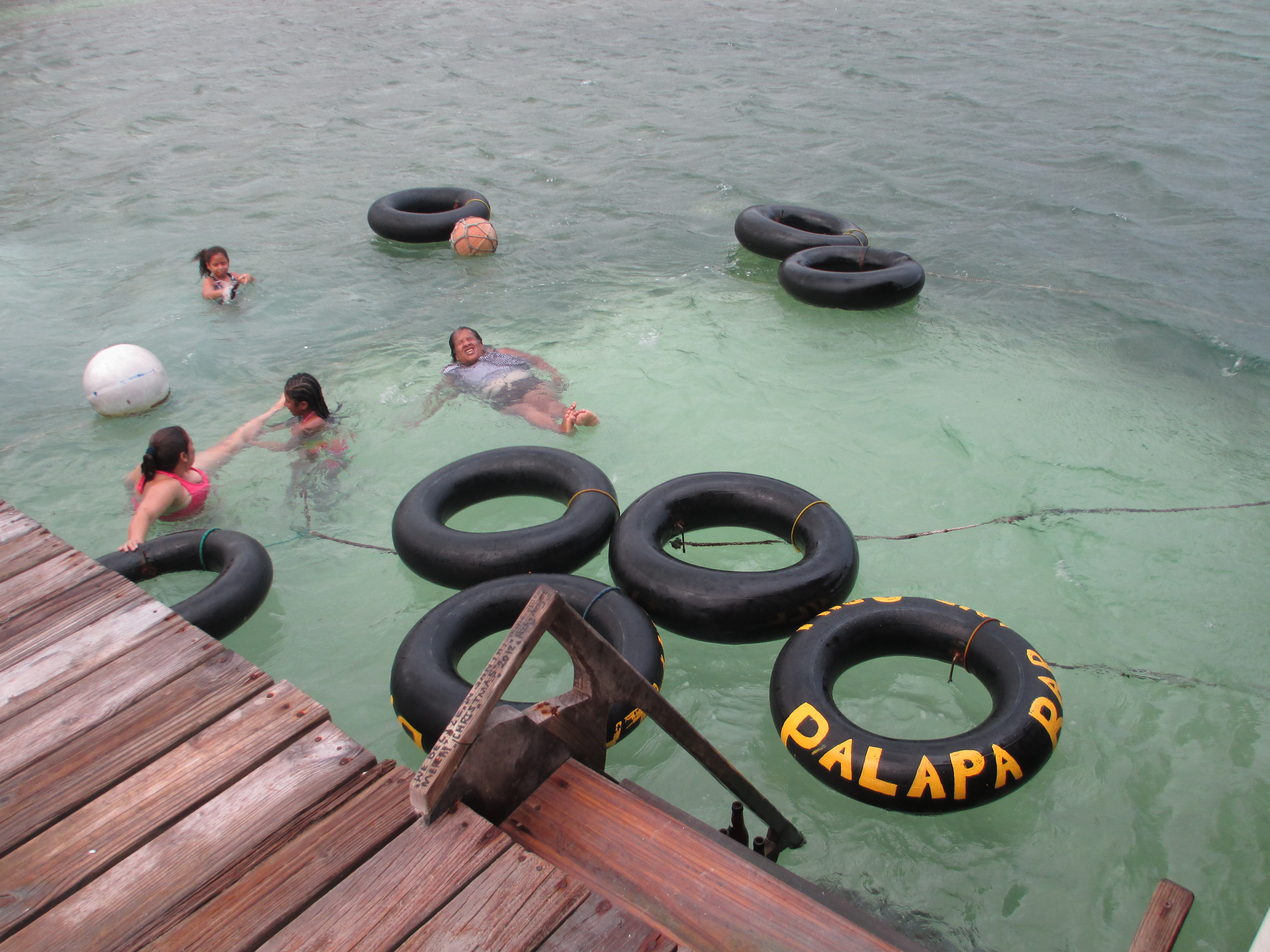
Family swimming at Palapa Bar, Ambergris Caye, Belize

IMG_0053

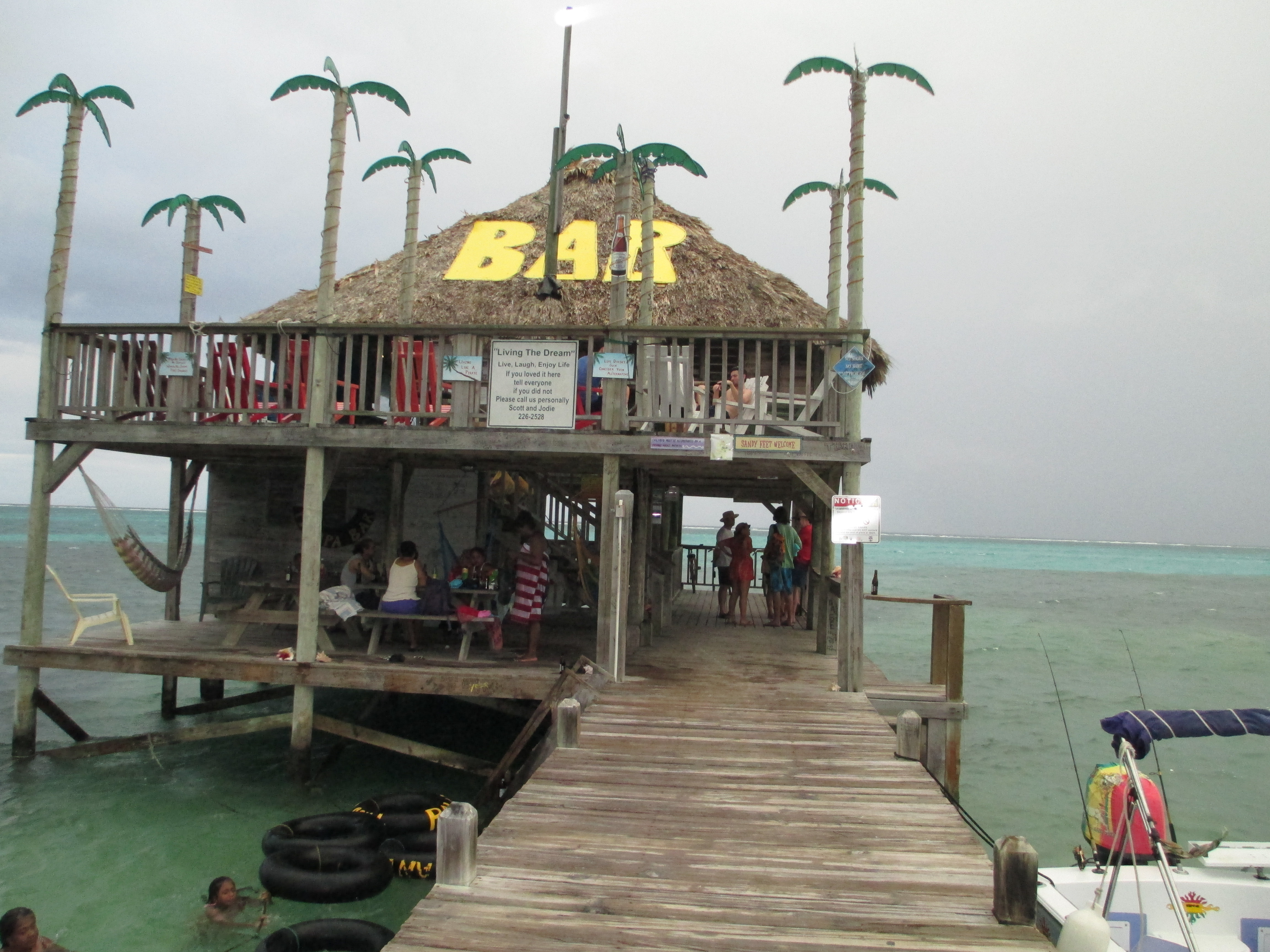
Palapa Bar: Ambergris Caye, Belize

As I prepared to move to Spain, I chose to sell my large home, luxury car, and virtually everything I own, except a few kitchen items, but most importantly, family photos and videos. I was overwhelmed with the many photos and videos, which were too numerous to transport. I decided to have them scanned but because there were so many I had to choose which ones to take. I experienced unexpected happiness while reviewing our family travels. Travelling with children can obviously distract one from paying attention to environmental cues, but I guess I was lucky.


As a retired forensic psychologist who evaluated and testified on violent and sexual offenders, I am by no means cavalier when it comes to personal safety, particularly as a single woman. Here in Altea, I am often out late at night, as are many other females. Whether female or male, it is important to first know the safety of the area where you are. Certain cities are well-known for pick pockets, assaults, etc., and certainly researching the crime and safety of your destination should be an important part of travel planning. And go with your gut. If you suddenly feel an uneasy or fearful feeling, react accordingly. Do whatever will restore your sense of being safe by doing such things as getting to a safe public place, or hailing a cab rather than walking.

OLYMPUS DIGITAL CAMERA

Palais Garnier: Paris Opera House


Some advocate finding a travel partner if one is a female travelling solo, but I would rather travel alone than risk having a toxic travel partner. That is exactly what happened to me when I took a rare cruise which started in Rome and then went to the Aeolian Islands. LuLu, who I had met on a Greek Islands cruise, was interested in going on the Italian cruise. The tour started in Rome. During a private tour (her demand) of the Coliseum, she repeatedly interrupted the tour guide, telling her to move on. Both the tour guide and I were shocked at her rude behavior. The tour guide said she had never seen anyone that rude. Not one for conflict, I disengaged myself from LuLu as much as possible the rest of the trip, which was difficult as she was my roommate.


Travelling alone enables me to more easily meet people, something I increasingly relish. Coming full circle, today I am waiting for the arrival of my 20 year-old son to my home in Spain. He will spend the summer with me. I hope we can travel to some of Spain’s many historic and beautiful sites, that is, if I can pull him away from the young ladies.


Mailing Mishaps and More

25 Apr

After almost two months, I finally received the second box of items I had mailed to me here in Altea Spain after I had gotten a permanent apartment. As I previously detailed, in preparation of the move from California’s Central Coast to Spain, I sold my large house and all its contents, with the exception of family keepsakes, a few travel souvenirs, and my most cherished kitchen items. It is not worth shipping most things, but I am quite attached to certain pans, my kitchen knives and the wooden block that holds them. To that end, before coming to Spain, I packed two boxes; I brought two large suitcases with me on the plane. That was all.


IMG_0875 (2)

Marie Sharp’s

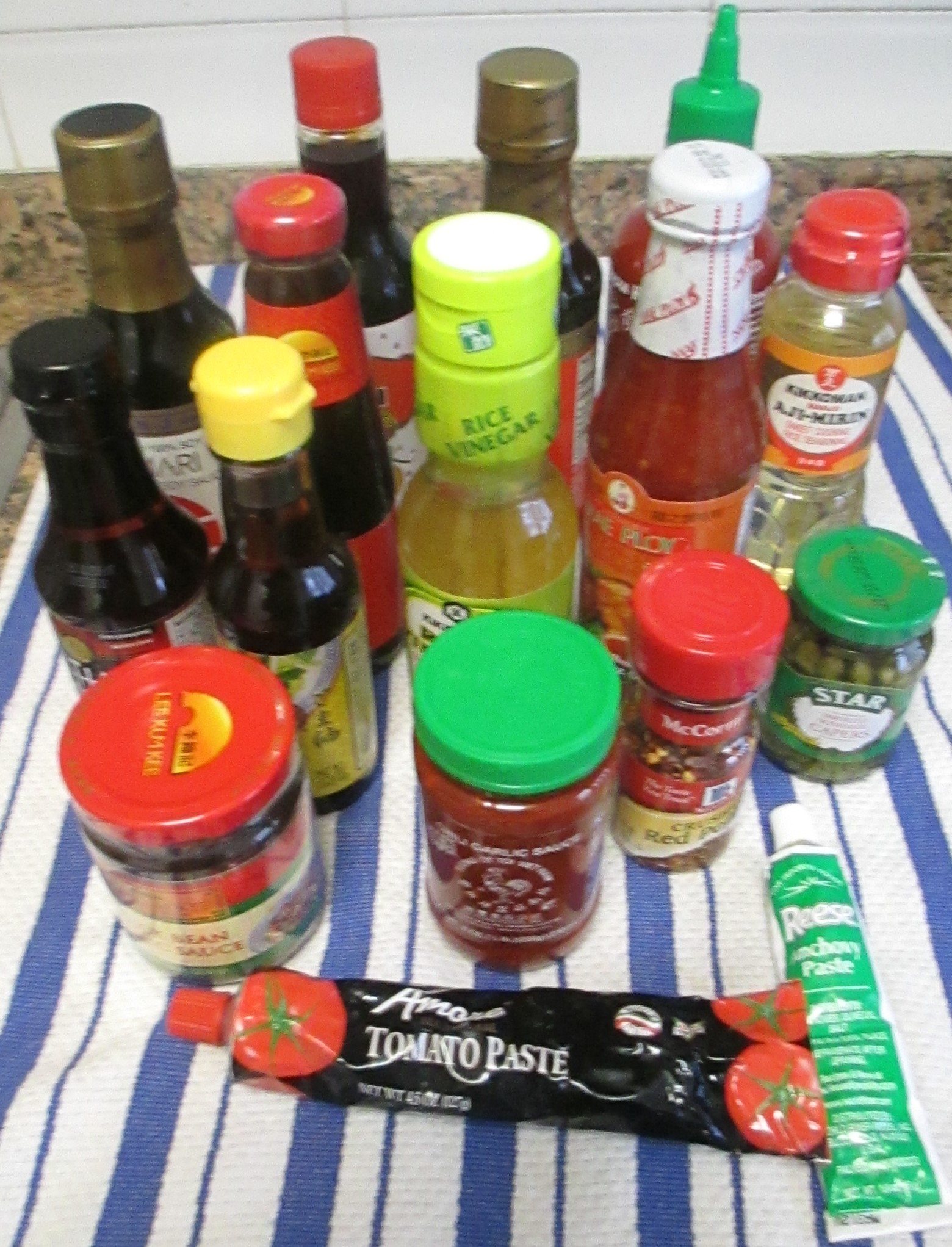
Before the second box was packed, I decided to purchase spices and condiments I could not find here in Altea. Most of these were Asian, like fish sauce, black bean garlic sauce, sriracha, sambal, and surprisingly, crushed red chili flakes. Spanish food is seldom spicy, and I crave that taste profile so much that I carry a small bottle of the world’s most delicious hot sauce, Belizean Marie Sharp’s habanero pepper sauce in my purse.


Besides the outrageous shipping rate for mailing my box, (over $300), after several weeks, I feared it was lost as I had heard nothing, and the first box had come quicker, (not quick, mind you.) When the first box arrived, it was gaping open and the postal worker asked me to help carry the box as it was heavy. What??!! A few items were broken and missing-I now only have three of the “big five” animals from my collection from my safari in Africa. Given the shape of the box, I was surprised more items weren’t broken.


With regard to the second box, I finally received a letter from the Spanish post office demanding I download forms from their website, fill them out regarding the exact contents of the box, and provide receipts for the items. In Spanish, I tried to explain that most items were personal and old, with the exceptions of the condiments I could not get here. I subsequently received a demand of about 55€ for tax and other fees to get the box released. That is about the same cost of the condiments. If I had taken off the seals, I may have avoided this fiasco, but I had been worried, they might think I was transporting contents other than what was listed on the bottles. If they were opened, they would spoil, so I left the seals intact so as not to raise any suspicions. After a few more weeks after paying the fee, I received notice my box was now being sent to customs. So I paid the fees, but could still have customs deny my delivery? Such are the frustrations of adjusting to the Spanish bureaucracy.


Taxed condiment and spices

The box finally arrived yesterday. Once again, the postal worker asked me to help carry it. No dolly in sight. The box had been resealed, but once open it was evident the contents had been randomly thrown into it. Even the knives were not put back into their wooden block, protruding every which way. And since I am accident prone, it was inevitable that I would get cut. At least it wasn’t too deep. Once the bleeding stopped, I was able to unpack the contents, wash the dishes as well as the Provençal style napkins and hot pads, and Williams Sonoma t-towels. I experienced the simple joy at having those cheerful Provençal bright blue backgrounds punctuated by vibrant yellow lemons, as well as the thick, quality t-towels.


Now inspired to cook, I decided to make a Caesar salad, as I now had anchovy paste (which I find easier than fresh anchovies) and my immersion blender. I mashed together the garlic, anchovy paste, mustard, egg yolk, and then prepared to gradually blend in the oil. When I turned on the blender, I heard an electrical cracking sound from the outlet, and the blender would not work. That wasn’t all. There was no electricity in my apartment at all. I had used other American appliances with electrical converters without any problems until now. I only hoped I could figure out how to get the electricity back working. I remembered during one of my apartment tours that when the electricity wasn’t working, the realtor went to a small metal box on the wall near the entry door to turn on the electricity. I repeated what I had seen her do, and after flipping all the switches to the same direction, electricity was restored. In every house I have ever owned in California, whether old or new, all the electricity circuit breakers are located outside at very inconvenient spots outside and in the back of the house, making for difficulty in locating or fixing when it is dark or inclement weather. I think the Americans could take a lesson from the Spanish…at least in this regard.


I had difficulty getting the salad dressing to thoroughly blend without the assistance of the hand blender, but it still was tasty, along with the perfectly cooked boiled and peeled eggs, with their perfect soft bright golden orange yolks, with nary a trace of green around them. I am still surprised when I go to a restaurant, and egg yolks are covered with an unappetizing green outer layer. It is incredibly easy to make them without that hideous green. If you don’t know how, let me know, and I will post it. Hint: the key is bringing the water to a boil, shutting heat off, then adding the eggs and covering for the time needed to cook them to your liking.


IMG_0610

Altea

The arrival on the second box allowed me to get my piso (apartment) up and running in full. I had already covered the gold velour couch and two matching chairs with fundas de sofa (couch and chair covers blue with a little background gold keeping with the Provençal and Spanish color theme) and I covered the pink shellacked side board with Provençal table cloths, blue with lemons, of course.) The same pink shellacked headboard and bedside desks “adorned” my bedroom, so I bought neutral sheets and comforter, and bedcover with a touch of pink to bring the room together. The mattress provided was not to my liking, and given how much time is spent sleeping, I splurged and bought a mattress from an upscale hotel chain, on whose beds I have always slept well. It was well worth it. My apartment here in Altea does not begin to compare with the home or furnishings California, but I am quite content here. The neighborhood, views and people can’t be beat.


IMG_0205 (2)

Pepper: local celebrity

And now Pepper and I am heading out to buy a new immersion blender in the hopes of rehabilitating my pathetic Caesar dressing, and then heading to the beach for the beautiful weather and view, a tasty two course menu del dia, and later cavorting with friends.

Tails from Altea Spain

13 Apr
pepper2

Check out my different colored eyes

So I finally get to offer my observations on this move to and life in Altea, Spain. I might add that I was promised I could put my two-cents in some time ago, but it has been several years before this has come to fruition.

It was confusing with all of the moves I have had to endure, first my original owner, Robbie (son of my current owner) abandoned me to pursue a career as a chef. Besides the lengthy hours he worked, he also apparently felt compelled to spend considerable time doing cross-fit and training for competition weight lifting. I am still not thrilled about this abandonment, but apparently it paid off for him as he received many favorable reviews in such publications as the LA Times, LA Magazine, Zagat, with Belcampo being one of ten top best new restaurants in 2014 by Bon Appetit Magazine as part of Downtown Central Market in Los Angeles. I got to go to his restaurant twice. Even though they don’t allow dogs, I pretended I was a service dog. I was so excited to see him! Then I was whisked off again by my new owner/mama for more changes.

This is me in mama's car before we moved to Spain

This is me in mama’s car before we moved to Spain

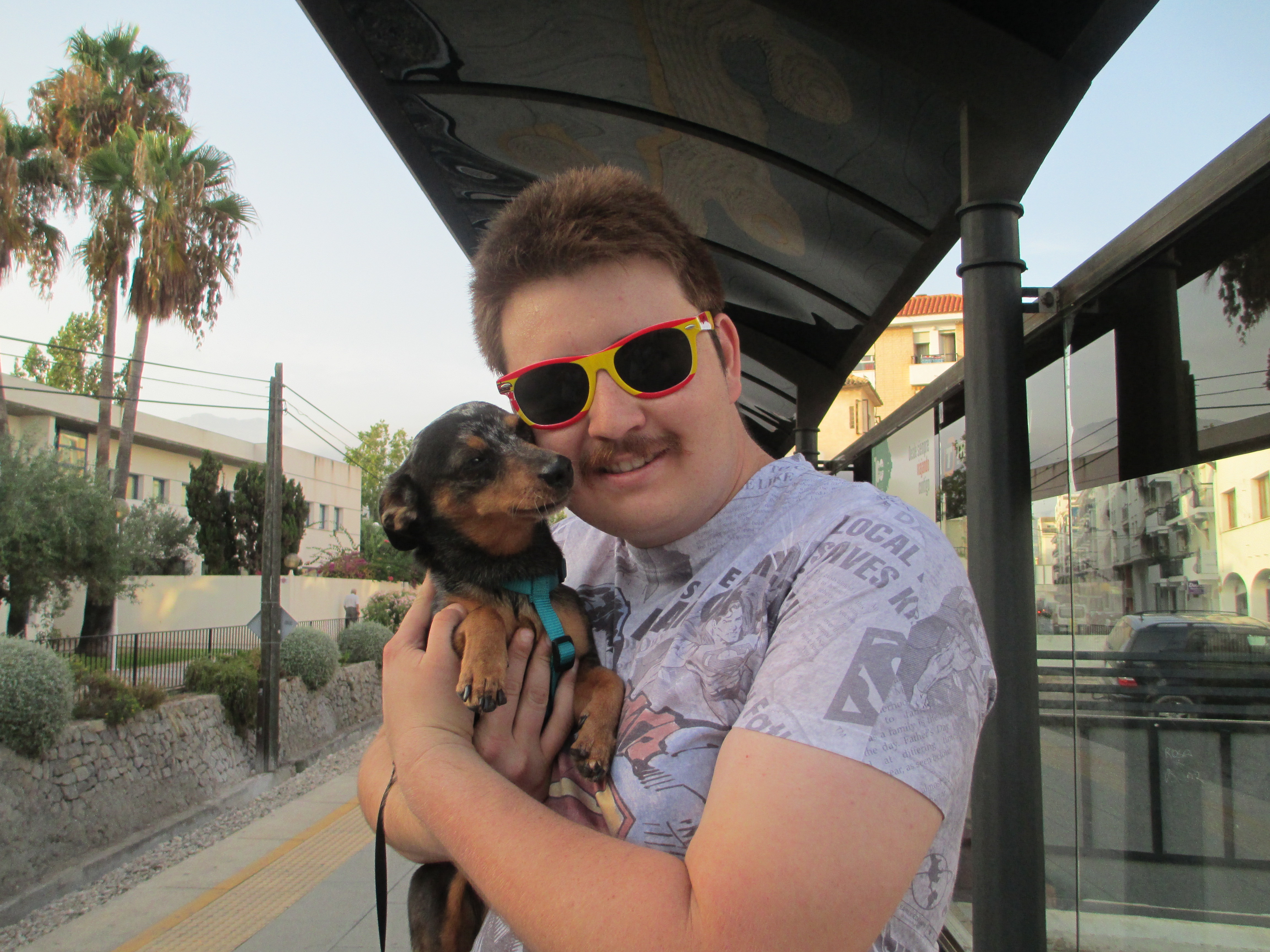
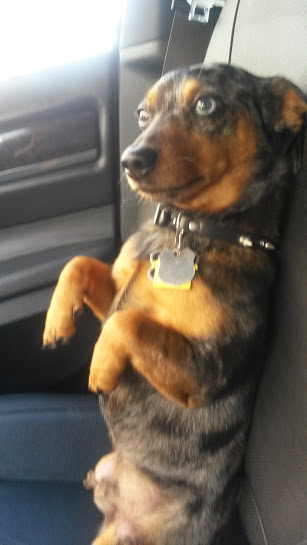
We ended up living in a place very different than where we lived on the Central Coast of California. The people here speak a different language, but I have learned about ten words in Spanish, such as ven (come,) muevete (move,) siéntate (sit,) and Pimienta (the translation of my name Pepper.) Many people greet me by name here; I am way more popular than my mama. People are intrigued by my two different color eyes: azul (blue) and marron (brown), and my dapple color. They also are amused when I sit up on my hind legs; they think I look like a Meer cat.

She takes me almost everywhere except when she puts on those black clothes and tells me she is going to Zumba and will be back soon. It feels like forever, especially after the uncertainty all of the changes have given me. When she goes out for a meal, I patiently (usually) sit under the table waiting for my reward from what she ate. Yum!

DanielandPepperr

Daniel and me at his 40th birthday party at Altearte

Like her, I am becoming more social. I now excitedly great her friends, sometimes surprising her and them with my new enthusiastic attempts at kissing them, as opposed to my prior indifference. I enjoy our longs walks every day, usually at least one down to the beach, and the other to the top of the hill where the iconic church is (but we are not attending church.) However, we have fun with our friends in the evening. One of our good friends, Daniel (a native of Norway) celebrated his 40th birthday at one of our local favorite bars, Altearte.

Yesterday, we met up with my new dog friend, Pogo, and his parents, Karen and Barry who recently moved here from Costa Rica (although they are originally from Canada.) We had an outdoor lunch with them and mama’s friend originally from nearby Valencia, Nina. Then we went to the neighboring town, Albir, which has the second highest population of Norwegians, after Norway, so Nina could deliver a birthday gift to a girlfriend. En route, she saw a friend, a former talented sculptor of wood, who sadly suffered a stroke and can’t do his art or speak anymore, but my owner thought the sparkle in his eyes over a drink revealed a glimpse of his former charisma and talent. The owner of the Los Angeles café, also a friend of Nina, presented them with a colorful plate of tapas. After they were done, “claro,” (“of course,” in Spanish), I got my just desserts or should I say tapas. (And, yes, my mama knows the phrase was originally just deserts.)IMG_0840

IMG_0768

Rafa at Club Cuba in Albir for Sunday evening salsa

It was already after the start of Sunday Cuba salsa dancing in Albir, and mama wanted to show the place to Nina. So that is where she goes when she leaves me on Sunday evening. When Rafa was initially playing some low key music, Nina loudly requested Cuban music, and he obliged. The only trouble was that they kept leaving me under the table alone so they could go dance. I guess it was better than being home alone. Then Nina drove us home where we went directly to bed after a fun- and wine-filled day. I burrow per my dachshund heritage, although I find it a little more challenging to sleep here due to traffic and people who talk way louder than I am used to.

It is quiet now during the three to four hour siesta, so I am going to take advantage of this time for a nap, before going for my evening routine of incessant ball chasing; I am ready for her to repeatedly tell me, “Dáme la pelota” (Give me the ball.) All in all, I like it pretty well here, which is good since my original owner, Robbie, is now going to be very busy at his new job at Saison, one of only four three star Michelin star restaurants in San Francisco. I just hope he and his brother Michael visit soon; here they are enjoying themselves in Belize with their brother Spencer and mama while I was left at Canterbury Tails doggie hotel. At least, Spencer will be visiting me next month.20150116_134409

Swan’s Songs

25 Nov
Mike Swan

Mike Swan

Although he did not realize it at the time, playing with the Lester Lanin Orchestra at the royal wedding of Prince Charles and Lady Diana was one of the highlights of Mike Swan’s professional music career. This was one of a number of international music venues where Mike performed that had a formative influence on his varied musical repertoire. Presently, Mike performs his entertaining and diverse songs on bass guitar and vocals at La Bellasera Hotel in Paso Robles, California, on Thursday evenings with guitarist Adam Levine and Judy Philbin.

Mike always loved music and started playing the cornet in elementary school, and then went on to play the French horn in high school. He developed an interest in Dixieland music; when he and some friends formed a Dixieland band and could not find a banjo player, Mike borrowed a tenor banjo from family friends. Then he used a book to teach him to tune it and play basic chords. Once he got to the respected Reed College in Portland, he studied philosophy but continued his banjo playing by joining a “jug band.” During this time in college when folk music was big, he started playing the guitar, and later began playing bass guitar.

He left school to move to the San Francisco Bay area where he played banjo in a trio at the North Beach’s “Red Garter” which featured Dixieland music. Mike described the music they played as “cornball sing alongs” dating from the 1890’s through the Great American Songbook era. In 1967, the owner, Jack Dupen, offered Mike a job at the New York City Red Garter. Moving to New York with its 13 degree weather during the 1967 Christmas/New Year’s holidays was “like running away to the circus,” Mike joked. He also did some stints at the Red Garter’s Niagara Falls and Florence, Italy outposts, and subsequently started playing for competitor “My Father’s Mustache” where he led the band for two years.

Mike realized that if he wanted to continue to make a living playing music he would have to become a better guitar player and singer, and to that end he began studying with talented professional musicians in New York City. He honed his skills and expanded his repertoire which included jazz and ragtime. He learned songs in Italian, Swedish, German, and Hebrew/Yiddish which he performed at special events. The venues in which he performed expanded to private “society” parties for affluent patrons, Jewish celebrations, a private Aegean cruise, and Claridge’s in London while there for the royal wedding. When asked to share an interesting or fun experience, he related that they when he was playing with the Lester Lanin Orchestra they had a gig in Gstaad Switzerland, the second night the venue was at Eagle Ski Chalet which necessitated transporting their equipment by ski lifts. The themed party was pre-revolutionary Russian, for which attendees and musicians donned period costumes.

Besides his musical career, Mike also did corporate and IT work to help pay for raising his children and their college. In 2006, Mike said he and his wife were tired of their corporate work and the hectic pace of living in New York City. He stated, “Like a salmon swimming upstream,” they decided to return to California. They settled in northern San Luis Obispo County where Mike’s brother was living. Taking a break from music, Mike helped his brother with his import business. Then he received a call from a local Dixieland band which needed a banjo player, and with that, he became involved in the local music scene.

Mike is presently working on two CDs, having completed his first CD in “the early 2000’s” which consisted of a trio with him on banjo, along with a tuba and mandolin. Besides his weekly appearances at La Bellasera Hotel, he plays at many wineries where he jokingly described his function as “sonic wallpaper.” He also plays with Jazz in the Vines, and at private parties. He has been playing solo for hospice patients which he described as “rewarding.”  For more information on Mike and his performance schedule, go to http://mike-swan.com.

Best Family Vacations: Ojai

20 Nov
The Pink Moment

The Pink Moment
Courtesy: Ojai Valley Inn

We all hush at the magical “Pink Moment” when the sky to the east over the Topa Topa Mountains creates brilliant shades of pink as the sun sets in Ojai, California. This is one of the few places in the world where people can see this phenomenon due to the east-west orientation of the mountains.  Ojai is about 30 miles southeast of Santa Barbara or 90 miles north of LAX.

Ojai is one of my favorite places for a short stay with the family. We love the historic Spanish Colonial Ojai Valley Inn and Spa where I find the relaxing, casually elegant ambience evokes immediate relaxation. I can be perfectly content just soaking up the resort’s beautiful grounds, gardens and golf course, but we also enjoy the wide variety of activities for both adults and children on site, and in the town of Ojai. The Inn is pet-friendly and we enjoyed being able to take our dog with us.

I love the Mind and Body Studio located in the Spa Ojai building where they offer many different classes throughout the day, such as Pilates, several types of yoga, water exercise in the spa’s pool, stretching, cardio, spinning, Qi Gong, sometimes dance, and others. The Inn also offers classes for the mind such as meditation, physical wellness, and art classes at the Artist Cottage and Apothecary.

Ojai Valley Inn

Ojai Valley Inn
Courtesy: Ojai Valley Inn

The resort has a premier championship golf course, with excellent professional lessons and a sports psychologist to help with the important mental part of your skills. Upon arrival, staff take your golf clubs to the clubhouse where they clean your golf shoes and ready your clubs for your scheduled round of golf. Because it is such a popular course, reservations are recommended. The Inn’s storied tennis history dates back to the late 19th century and boasts being one of the top tennis facilities in a hotel or resort in the United States. Professional tennis instruction is available.

Outdoor Firepit

Outdoor Fire pit
Courtesy: Ojai Valley Inn

There are myriad activities that can be done alone, as a couple or a family including hiking, biking, basketball, fishing, softball, volleyball and tennis. Camp Oak offers creative, stimulating and fun themed half-day and full-day activities for five to twelve year-olds.  From 8 to 9 a.m., Acorn Hour at Camp Ojai hosts bonding for parents and their two to four year-old children by doing crafts or storytelling.  During the summer, there are complimentary movies to watch while floating in the main pool. Free popcorn is also provided.  The resort will arrange for horseback rides nearby that are suitable for the ages and skills of the riders; we have had fantastic experiences doing this.   A walk into downtown Ojai offers an opportunity to explore the inviting historic downtown area. Make sure to check out Bart’s Books, which is the largest independently-owned outdoor bookstore in the U.S.

In town, we like to have dinner at Azu, where they have Spanish- and Mediterranean-inspired comfort food.  They have many tapas style small dishes, as well as creative, tasty entrees. `The Ranch House requires a short but worthwhile drive for gourmet award-winning cuisine in a romantic atmosphere that has streams and lush plants.

There are several great spots to eat at the Ojai Valley Inn. The Oak Grill offers outdoor and indoor dining with the best Cobb salad I have ever had. Jimmy’s Pub is a good, casual après golf place for snacks, burgers, and drinks. More health conscious cuisine is available at the Spa’s restaurant, Café Verde. Maravilla is the Inn’s signature restaurant where they serve excellent, seasonally-inspired cuisine with locally-sourced produce featuring steaks, chops and seafood. The wine selection is excellent and the restaurant’s ambience is warm and inviting. Whenever we have been there on a week-end, in the evenings we have enjoyed entertaining live jazz in the lounge just in front of Maravilla while sitting near the warmth of the fireplace.