Tag Archives: Spain

Visual Alicante

9 Jan
Ayuntamiento (town hall) with sliver of Santa Barbara castle

Ayuntamiento (town hall) with sliver of Santa Barbara castle

1893 ceramic business sign

1893 ceramic business sign

Ornate door with plays of shadow and light

Ornate door with plays of shadow and light

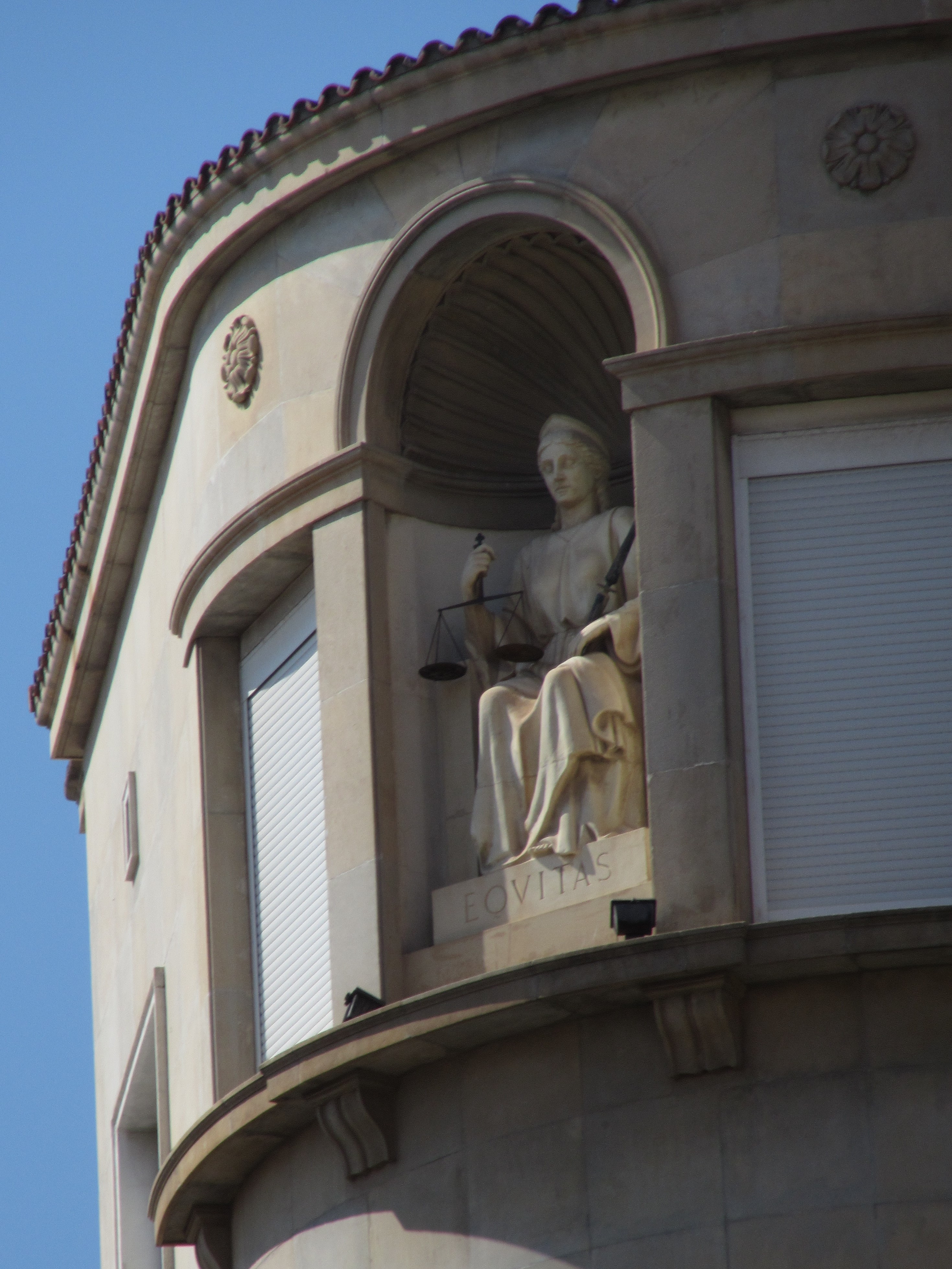
Statue on top floor of building

Statue on top floor of building

Charming house

Charming house

Old town buildings with original materials and signature blue pots

Old town buildings with original materials and signature blue decorations

Decorative historic door

Decorative historic door

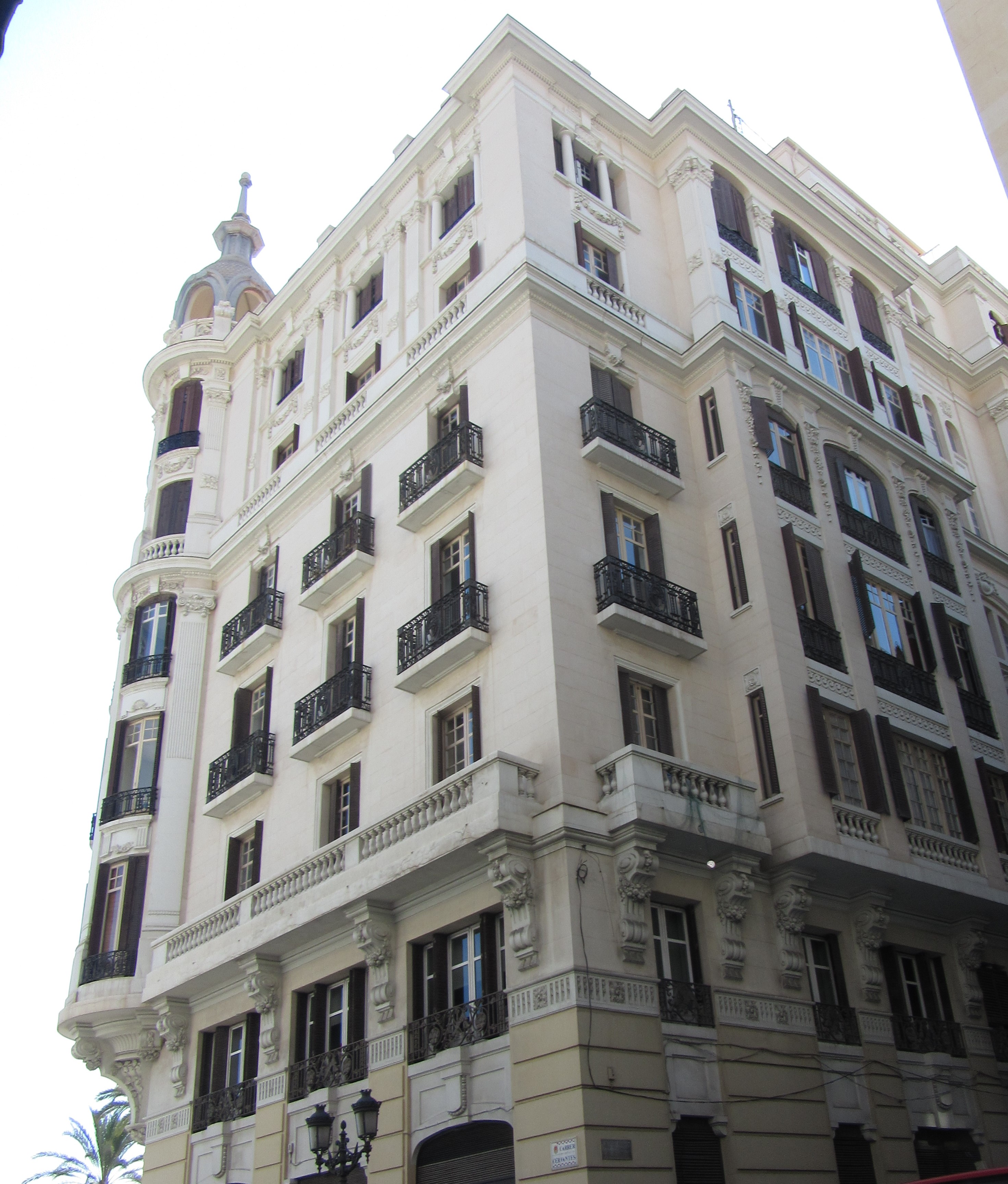
Architecturally interesting building

Architecturally interesting building

Old door

Old door

Inside Secrets to Spain: Top 3 Tips

19 Nov

Here is my article about Spain which was just published in Insiders Abroad:

http://www.insidersabroad.com/spain/blogs/inside-secrets-to-spain/posts/gallery-thumb-thumb-thumb-expat-spotlight-dawns-top-3-tips-for-spain

A Fulfilling, Less Stressful Life Running an Artsy Bar in Idyllic Altea Spain

7 Jun
saraanddavidaltearte

Sara and David at their artsy bar in Altea

In the same week, Sara Wilson lost her job as a staff writer for a major business magazine, and her husband, David Fernandez, lost his position as a private chef for socialites in New York City. They used that as a springboard to “re-examine our careers and quality of life.” They originally met in France, married and moved to California, then to New York to further their careers. Even though they liked certain aspects of living In New York, their lives were stressful, too money driven, and they didn’t get to spend much time together. Sara reflected, “Life gave us solution when we got laid off within a week of each other.” After considering their options, they initially decided to move to more relaxed Spain with the idea of opening a restaurant with David’s father. When that didn’t work out as anticipated, Sara and David started exploring other options, and eventually settled on opening a bar and eatery.


Sara reported, “My six years at the magazine job interviewing entrepreneurs helped us in the process of starting our business.” She added, “Ironically, I learned from people’s stories and their tips for success.” David had previously completed culinary training in Paris. She noted, “David is more of a visionary and risk-taker than I am, but it was our joint talents that helped us develop a successful business.”

altea

Picturesque and historic Altea

They spent several months exploring towns in the Costa Blanca area along the Mediterranean. They briefly looked at touristy Benidorm, but it did not possess the attractive and friendly location they were seeking. Then, “Unexpectedly we encountered a village paradise…called Altea,” recalled Sara. “We loved Altea’s stunning coastline, white pebble beaches and inviting and tasty restaurants lining the promenade.” But it was when they entered the old town, once a fortress, that they were really “awestruck. We loved its picturesque, narrow, pedestrian streets, punctuated by small artisan shops, that lead up to the hilltop church plaza.” Thus they set about on finding a place in the old town, known as Casco Antiguo.


Not long thereafter, they found an apartment and a place to start their dream business, a café/bar which was promoting various forms of art. “The rent was the cheapest we had found, and was the right size for just the two of us to run.” It consisted of two floors that had been transformed from an old house. We liked the fact that it had a mezzanine, a decent stock room, it was just one street down from the church plaza, and was on one of the most charming streets of Altea.” The business had been operating primarily as a sports bar, with a focus on the arts, as well, hence the name AlteArte. Importantly, “The bar already had a local clientele.”

They bought the business, but not the building. Sara stated, “We had been warned that it was important that the business have an existing business license. Just as we were ready to finalize the purchase, we learned that AlteArte did not have a business license.” The owner had applied for it and it was reportedly in process for a substantial period of time, (not unusual with the Spanish bureaucracy), but it had never been completed. Once the owner was aware that this unresolved issue was holding up the sale, the license was quickly approved. Sara and David speculated that the business license application was likely languishing with the local authorities, and that the owner, who was a local native, got the process completed quickly. Sara said, “It helped to buy a turn-key business, with an established clientele.” The prior owner, who sold them the business, wanted Sara and David to be success, and was supportive in a variety of helpful ways.

alteartegrouppix

Typical evening with friends at AlteArte

Sara and David “wanted to change the ambience to a cozier environment, which we did by adding tables and changing some of the décor.” They later hung their now iconic multi-colored bicycle upside down from the ceiling, and added some other kitschy design elements. They provide Wi-Fi, and show major soccer matches (“fútbol”).   “By changing things, we lost some of the former clients but gained others.” During their first year in business, they were often complimented on their tasty mojitos, so they decided to make that a focus. They setup an increasingly growing mojito menu, and identified AlteArte as a “mojiteria,”which set it apart from the other bars. They also make “nojitos,” alcohol-free mojitos. Adapting to client demonstrated preferences, “We abandoned our early idea of making it a coffee-centric business, instead focusing on our excellent selection and preparation of teas,” in addition to other typical bar beverages. Although their service focus is primarily on beverages, they also have a small selection of tapas and quesadillas, the latter being a popular, but rare item in Altea.


alteachurch

Casco Antiguo in Altea

Asked if they have encountered any problems or challenges in setting up their business, they reported initially the neighbors complained about noise and the tables and chairs they had placed on the stairs adjacent to their building. “Eventually, we were able to make peace with the neighbors, after convincing them that we would keep the noise down, and not cause them any problems.” During the slow time of year, they do minor renovations to AlteArte, but they noted it is hard to find qualified people who complete the work in a timely fashion. After deciding to start their business in Altea, Sara quickly began learning Spanish, something she felt essential in running their business.


The owner of their building had been renting out the top floor to various people as a shop with touristic and artisan items, but after a series of several failed businesses there, he asked Sara and David if they were interested in adding the top floor to AlteArte. “We decided to take this opportunity to expand. The top floor is primarily for special events and gallery exhibits, as well as weekly intercambio (Spanish English language exchange.)” AlteArte exhibits “one or two artists’ works each month.” The middle floor is an inviting area with pillows and populated with board games.

“The customers, new and old, shaped AlteArte’s atmosphere by natural evolution.” They have about an equal percentage of local and expat customers, with “most ex-pats in this area of the Costa Blanca area of Spain being Scandinavian.” In the beginning, most of their clientele came through word of mouth and Facebook. After opening the gallery on the third level, we reached out to local newspapers and magazines to promote those events.”

After they first opened in February 2010, Sara and David ran the business by themselves. “During our second and third summer, we hired our first employees. In our fourth year of operation, we hired Emily as our first full time employee. She had been a patron, and she had a good work track record of seven years at one local restaurant.” They emphasized it is very important to check out the reliability and work history of potential employees in Spain as there are generous laws favoring them, such as being allowed substantial sick leave just after being hired. A few months later, they hired another young woman, Ampy, full-time. Both employees are friendly, competent, and able to communicate with the clients regardless of what language they speak. “We pay them a little more than the typical local wage, and uncommonly, we also give them one day off a week including during the busy summer months.”

saraanddavidaltearte2.jpg

Sara and David inside AlteArte

When asked about other start-up or ongoing expenses or requirements, “there was an initial food safety course, basic business insurance, and nominal annual taxes.” They have not had any tax liability in the United States based on their Spanish net income. “We recommend using a gestoria,” which is a person whose task is to deal with the idiosyncrasies of Spanish government departments, for paying complex fees and taxes. “We receive an annual visit from the health department to check for correct refrigerator temperature and proper sanitation.” With regard to promoting AlteArte, “We have done some marketing by advertising our business in local tourist maps. Because we are in the Old Town, which is a steep, historically-protected area, we are not required to have handicap accessible facilities.” Sara reported, “AlteArte has allowed us to cover all of our expenses including the luxury of having two employees” which affords Sara the opportunity to spend long visits with her family in California. This year she has had two separate one-month visits with her family. AlteArte has given David, now 40, and Sara, 37, “a more comfortable, and significantly less stressful lifestyle than at our prior high pressure jobs, and the opportunity to spend more quality time together.”


When asked what advice they would give to others considering opening a business in Spain, they recommend, “Be patient and committed.” They said, “One cannot expect to open a business just for a summer, and turn a profit.” They also stated it is important to understand the demand for the type of business one is considering, and the required permits if starting from scratch. “It is also essential to have enough capital for start-up costs, slow periods, and unexpected expenses.” Sara said, “I’m kind of glad I didn’t know before we started how many businesses end up closing down.”

Now celebrating over six years of operation, AlteArte, is a favorite with local ex-pats, Spaniards, and international travelers. They feature monthly art exhibits by local artists; a book club for which Sara often arranges for the author to be present in person or remotely; live music; weekly Spanish-English language exchange (intercambio); movie nights, craft, drama and dance workshops, cooking competitions, and many more. Asked about her most cherished memory, Sara quickly reported it was when director Eugenio Mira, an Altean native, chose to premier his movie Grand Piano at AlteArte, and afterwards had a question and answer session.

Quirky and Different Customs in Spain

6 Feb

I love my new life in Altea Spain. However, there are some quirky and unexpected things which I have encountered or needed to adjust to.


I recently read that when local children were enacting a bull run using toy wooden bulls that this year they would not be allowed to have the bulls’ horns lit on fire during the run. Apparently this was perfectly fine in prior years.


IMG_1053

Tree on which people climb to tie on their t-shirt at the St. John festival

During the many Spanish festivals, people sometimes engage in dangerous behavior. At the local St. John festival, participants carry a tree to the church plaza while encouraging observers to throw water on them. Once in the plaza, they pull the spindly tree to a vertical position and fueled with alcohol attempt to make the perilous climb to the top. What I found particularly interesting was the ambulances that were waiting just a few feet away. One has only to think of the running of the bulls in Pamplona for another example. Or the “baby jumping” festival near Burgos, where people in costumes jump over a mattress on which lie babies born in the prior 12 months. This ritual serves to rid the babies of evil spirits and guard against illness.


As I have mentioned in prior posts, dealing with the Spanish bureaucracy is nearly always fraught with difficulties, often because what you are told you need to do changes with successive visits. Similarly, I have had my rental cars towed two of the four times I rented them. In one case, I parked in a handicapped spot and put up my disabled placard. When I returned to retrieve the car, it was gone. When I contacted the local police, they informed me I had parked in a handicap spot reserved for a specific car, as indicated by the numbers on the handicap parking sign. I said I have travelled to and driven in many countries, and have never seen handicap spots for specific vehicles. I received a blank look, and was told I had to fork over around $150 to get the car out of impound.


I have also previously mentioned the multiplicity of problems I have had in receiving packages sent from the U.S. One box arrived gaping open, with items missing. Then the postman asked me to help carry it because it weighed a lot. Another box of household items was twice returned to my son, first because I declared there was no monetary value to items which were only sentimental, and the second because they did not see the documentation that I had submitted the nearly 100 Euros customs fee. I have been trying unsuccessfully for more than two months to get a refund for that, and there is no chance of getting a refund on for the hundreds of dollars I spent in having the box mailed here twice.


The sidewalks in my village are made of attractive, but incredibly slick tiles, especially when wet. It is so precarious that people typically walk in the road when it rains. I see many more people here with arms and legs in splints or casts, which I would bet is related to the falls people have. I have jokingly suggested that maybe the tile sidewalks were the idea of the local orthopedic physicians.


Moros Y Cristianos festival 2015 in Altea

Moros Y Cristianos festival 2015 in Altea

The Spanish definition of opening early means 9 or 10 in the morning. Such opening times are understandable in light of the lengthy afternoon siesta, and businesses and meals occurring late at night. Often when businesses close for several weeks or months, there is no sign informing the would-be patron of the closure. Nor are there websites for businesses which provide that information. Businesses including grocery stores are closed for national and local holidays, which can sometimes last several days. After the several day local Moros y Cristianos (Moors and Christians) festival, all businesses were closed for the day, not for the holiday but for a day for people to recover from the festival. After four days of festivities and drinking starting at 8 or 9 in the morning, and ending around 4 a.m., they need a recovery day.


I find Spanish people generally genial, and polite. They always greet you when you enter their business. In their vehicles, they are very good at stopping for pedestrians at crosswalks. However, when walking, they may suddenly cut right in front of you or stop and block the sidewalk while conversing. When picking up my dog’s excrement from the sidewalk, I have had people step over my head, and roll over my foot with a stroller.


Sometimes there are what seem to be arbitrary rules. When we recently went to a high end musical and dance variety show which featured a choice of two dinner menus, we were told everyone in our group had to order the same menu. Otherwise, we would be placed at separate tables based on our dinner choice.


Have you ever encountered unexpected behaviors/customs while living in or travelling to a new country?


Patience and Tenacity: Requirements for Obtaining a Spanish Residential Visa

26 Jul

Get ready to have your patience and tenacity tested if you are planning on applying for a Spanish visa. The application process is like a moving target. This is my second post on my experience in getting a non-lucrative residential visa, sometimes known as a retirement visa, to reside in Spain. In my last post, I discussed my experiences with the sometimes idiosyncratic application process, which can differ depending on which Spanish consulate where one is required to apply.

Once I arrived in Spain in March 2014 with my approval for a Spanish visa, I immediately sought permanent housing which was necessary to complete the requirements to obtain the visa and get my NIE (national identification number.) As I have found with most tasks involving the Spanish bureaucracy, one can expect to have multiple attempts before successful completion. For example, when I went to the local “ayuntamiento,” town hall, to register the address where I was living, I was given changing requirements. First, they said the address of my rental I gave them didn’t exist, even though that is the address used by the owners to pay taxes. The owners suggested an alternate address, which was successful, and they provided me with a statement that I was renting from them. Next the ayuntamiento worker assigned me the new task of getting a copy of the trash bill which showed the owner’s name, as well as a copy of his identification. After four trips, I was successful for what I initially thought was going to be an easy task. That set the tone, or should I say pace, of the next steps.

Next, I went on the required governmental website to get an appointment to get my fingerprints and submit my paperwork. This appointment had to occur in Alicante, about an hour’s drive from where I live in Altea. Thus I either had to rent a car or take the two hour tram. I chose the former. At the appointment, I brought all of the required documentation. The worker asked why I did not come to the appointment within the required time frame, which I recollect was around 45 days. I explained that the website issued me a specific date over which I had no control, which was almost two months beyond the deadline. Thankfully, that explanation was acceptable. Of interest, the woman who was processing my application turned to her colleague saying, “California dream,” apparently a dream they both shared. She could not understand why I would want to move to Spain from California. I explained my reasons and she was apparently satisfied, but still had difficulty fathoming.

Whereas I was initially informed by local officials in Altea that I would be given my visa at that appointment in Alicante, at the end of it, I was told I needed to return in exactly 30 to 45 days in person, with my U.S. passport. On June 30, with low expectations, I returned to the Alicante National Police. I was pleased and surprised to find my visa card ready. With that, I now had my NIE number, necessary for almost everything, including such things as getting internet at home, receiving shipped packages, etc.

I noticed the expiration date on my newly issued visa was March 11, 2015, the date I initially applied after arriving in Spain. So starting in late January 2015, I began working on the application for the first renewal of my residential visa. Not surprisingly, I encountered more bureaucratic twists and turns, which will be the focus of my next post.

Challenges and Affirmations on Moving to Spain

15 Apr
IMG_0469 (2)

View from my window of husband tying his wife’s shoe

Of course it rained today. As I said in an earlier post, since I no longer have a car on which to rain after I wash it, it seems like whenever I wash my laundry and hang it out to dry, it rains. On a positive note, the rain gives me a head start on cleaning the black window grates that adorn my windows. While cleaning them, I observed a husband lovingly tying his wife’s shoe.

The rain reminds me of a puzzling observation. Here in Altea (Spain), many of the newer sidewalks are mad of lovely, shiny white tiles, but when it rains, everyone walks in the streets because they are as slick as ice. When growing up in Nebraska, while it seemed everyone else would glide for fun along the icy sidewalks, I would walk with extreme caution yet was the only one who fell. So I am not taking any chances here.

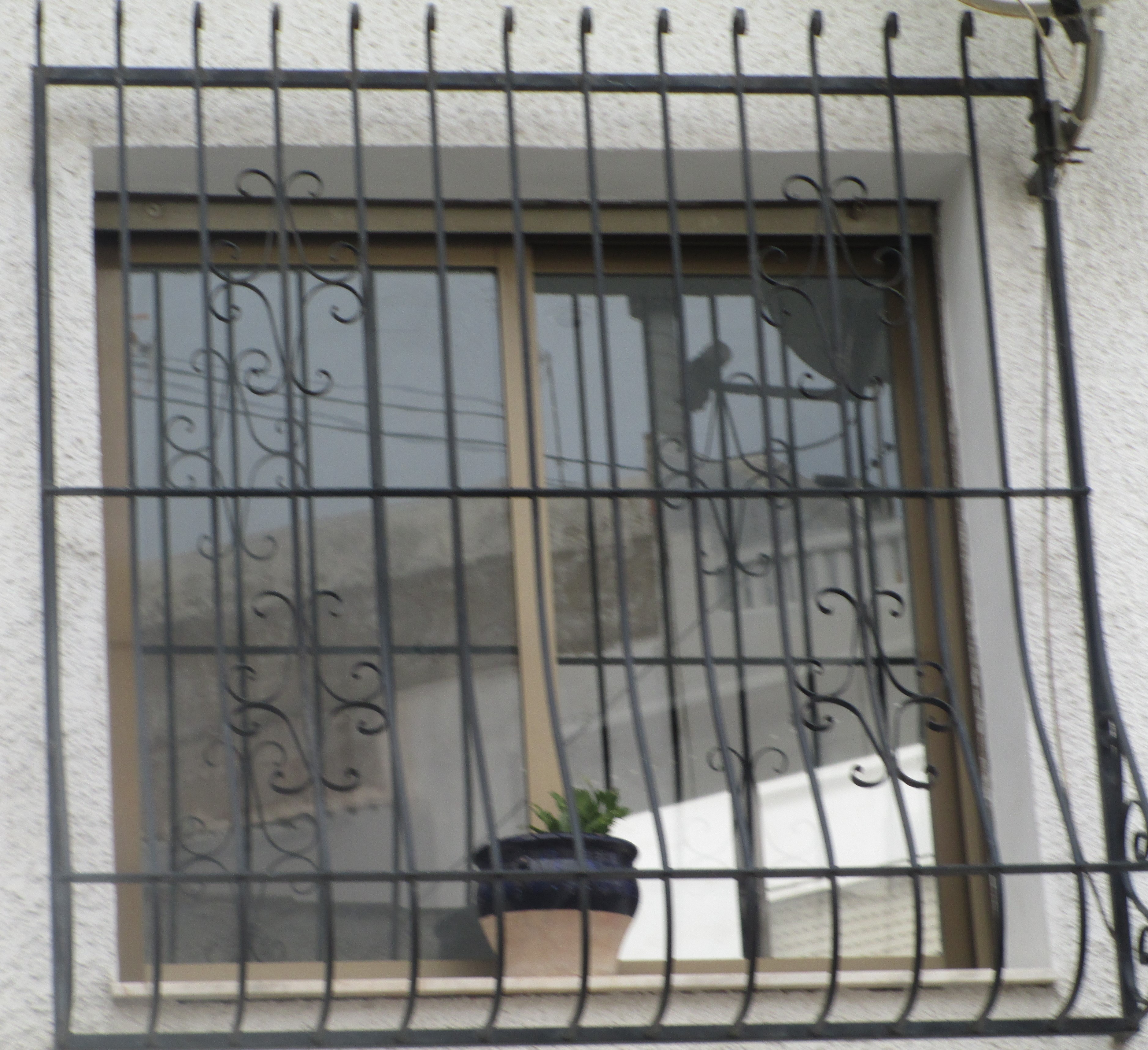
IMG_0849 (2)

My now clean black ornamental window grate

The rain seemed to reflect my most recent mood in dealing with what I thought would be the simple task of paying for my cell phone/internet/television channels. Initially, I could not get service because I did not have a Spanish bank account, even though I had credit cards and a local residential residency card. The local “Movistar” representative spent several weeks trying to get me service. Just after the service was finally confirmed, the installers arrived within a two hours and very quickly and efficiently got all three services up and running. I didn’t get a bill for almost two months, and when I did, I went to the local Movistar office to pay the bill. I couldn’t pay there; I had to either pay at the bank (huge line) or the post office, yes, the post office. I successfully paid the first meager bill of 6.24 Euros, and was surprised at how easily it went at the post office.

Just afterwards, I started getting text and phone messages on my cell that service would be suspended if I did not make a payment of 30 some Euros. I had not received a bill, so I went to the Movistar office and was advised to go to the post office or bank to pay. Long story short, without a bill, I did not have the account number to pay it, as it seems that there are different account numbers for the cell and internet/tv. So today the whole of my day will be devoted to trying to find an account number for the latter. Frustrated, I realized there was nothing more that I could do today, especially given the approaching close of the banks and post office and the close of businesses for the three hour siesta.

I decided to head for a locals café for an inexpensive menu del dia, only 8 Euros, where they place a newly opened bottle of wine on your table from which one can drink as much as one wants. En route, I heard a man addressing me. When I turned around, he handed me the 55 Euros and prior Movistar bill, which had fallen out of my pocket, where I had stuffed it after leaving the bank in frustration. This act of kindness caused my mood to suddenly improve.

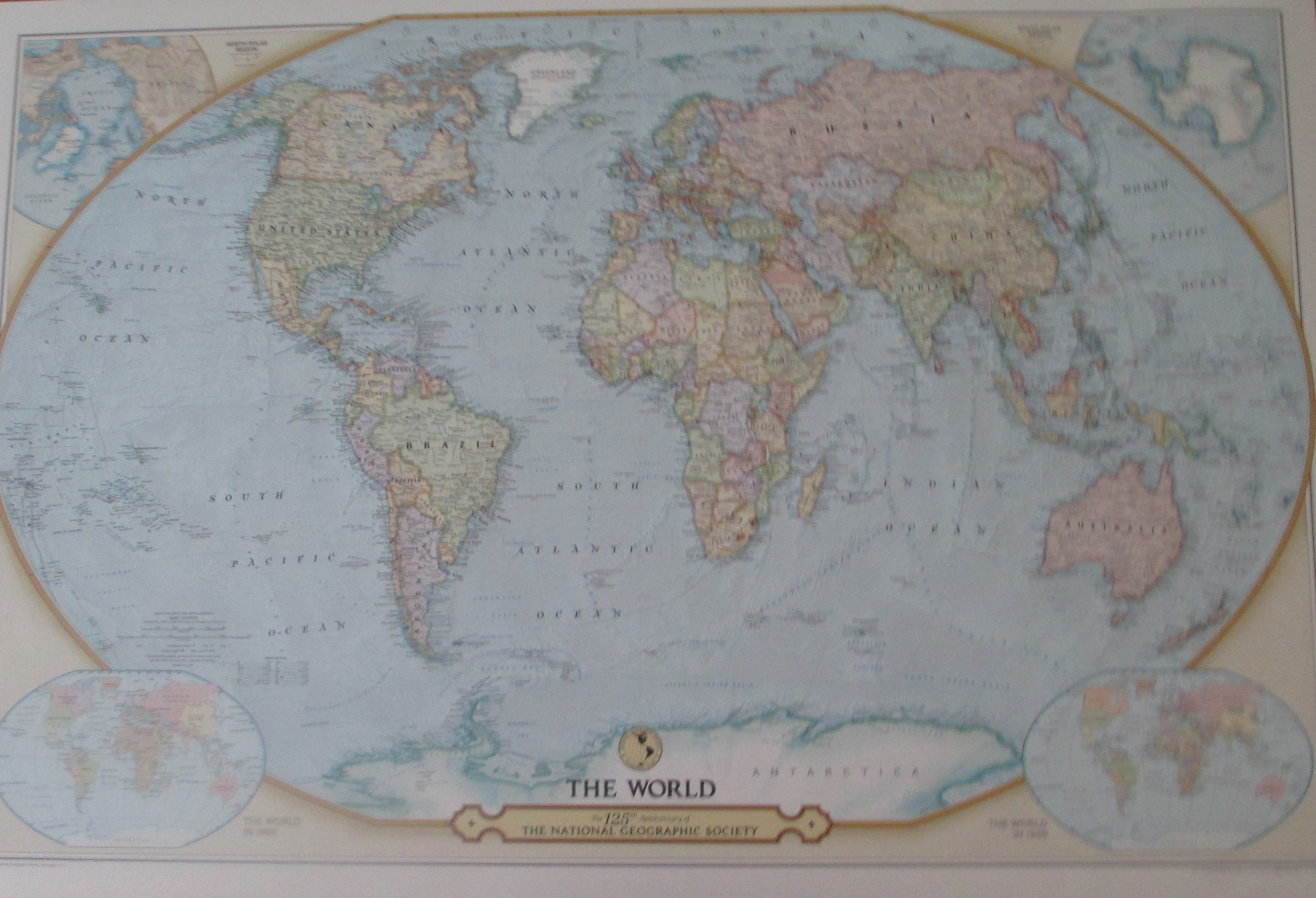
IMG_0853

Newly arrived National Geographic World map

Then, as I type this, I had a serendipitous delivery of the 125th National Geographic world map I ordered from Amazon in Spain. I admit I am a nerdy “cartophile.” All three of my adult sons are similarly disposed. Before ordering, I checked to make sure it was current by looking for the youngest country, South Sudan, on the map. This delivery and the anticipation of spending time with my new map has temporarily eased my bill paying distress. Living in Spain, it seems best to order from a Spanish company as I learned when I asked my son to add some condiments and spices to one of the two boxes I had shipped here from California. These were items that I have been unable to find where I live in Altea, like red chili flakes, Vietnamese fish sauce, tamari, etc. I thought it best to leave them sealed so as not to cause any suspicion about their contents, but that assumption ran afoul when I received a demand to provide a detailed list of the contents with a receipt for the value so they could tax me on the imported items. I did not have a receipt, so estimated the cost to be 2 to 3 Euros for about 15 to 20 items. I do not understand why, but I had to pay a total fee of over 50 Euros to get them to deliver my package, but almost two months since it was mailed, I have yet to see it.

U.S. taxes are due today. I have been unsuccessful at having my son forward my 1099s needed for filing my taxes, but found out that if living overseas, one is granted an automatic 60 day extension. I only hope I read that right.

IMG_0673 (2)

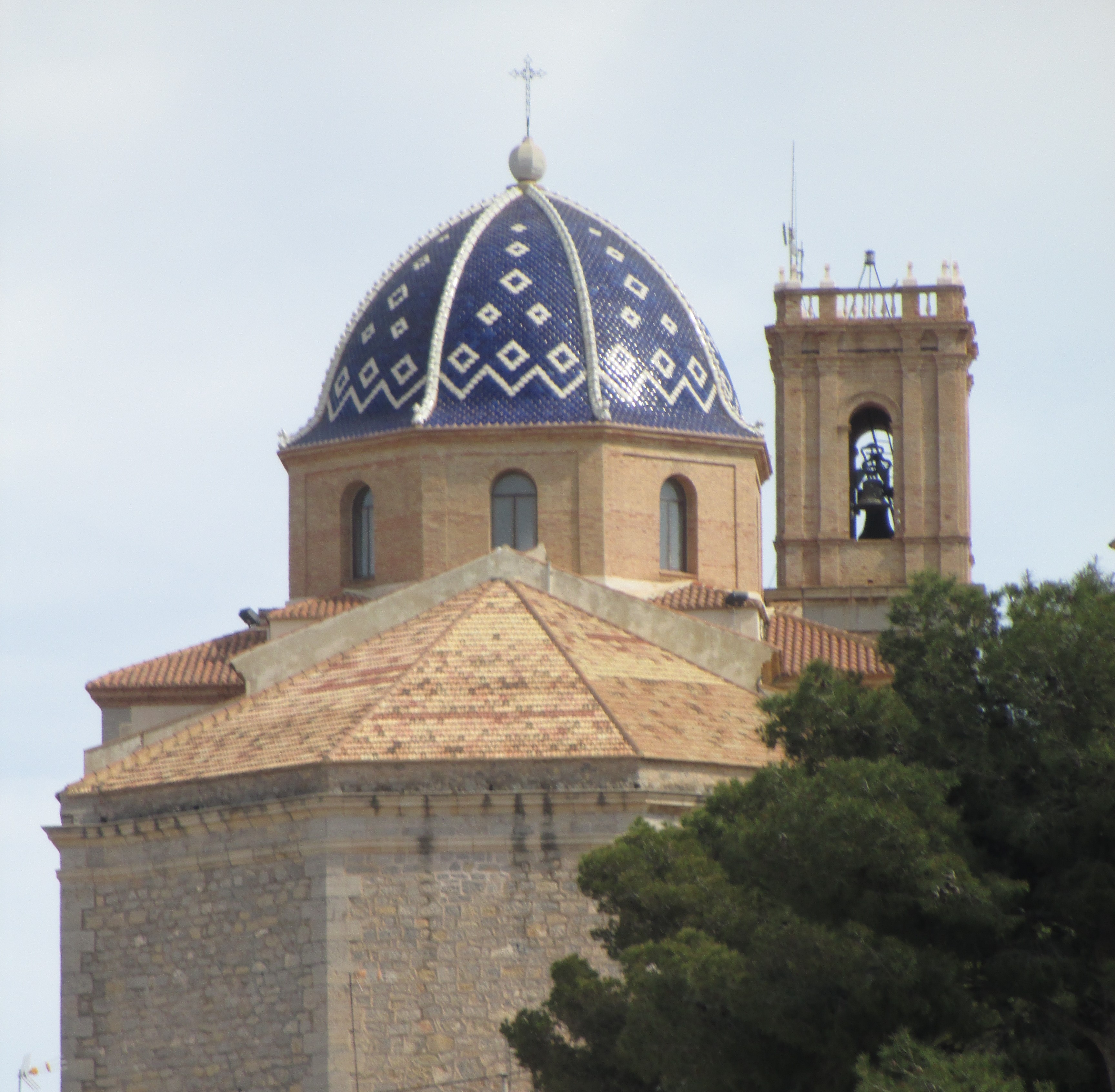
The sun comes out to shine on the iconic Altea church

However, these challenges and pleasures are all part and parcel of transitioning to a new country. They are lessons is patience, humility, and thankfulness. And the rain just stopped.

Adventures in Dining in Altea Spain

13 Mar
Za-vhu-Rw0KrgpGbsf9rKgna5tYGGiSH7RSw4Trjki0=w630-h503-no

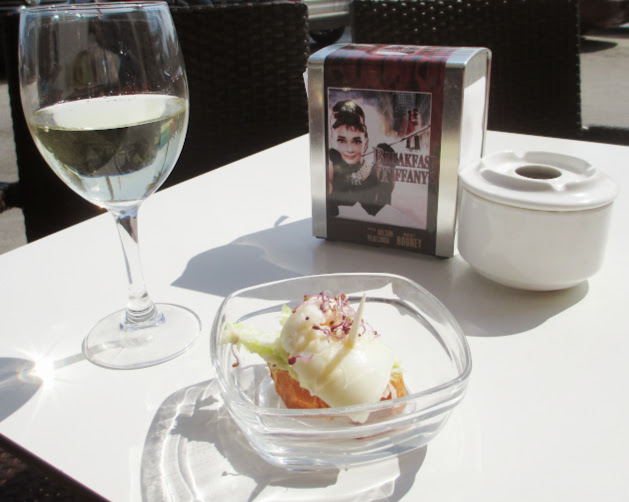
Tapa with egg and garnish 13 Mar ’15

“Pigs ears?” he asked in Spanish, apparently to be sure I knew what I was ordering when I pointed to one of the tapas trays. I admit I wasn’t 100 percent sure what they were when I ordered them, but every tapa I had ever eaten at beachside Fronton Playa in Altea (Spain) was spectacular. I grew up eating my fair share of offal, so I am game for trying just about anything. On this particular visit, I decided to order a couple of tapas, so I could get more than the typical small tapa bites. Along with the pig ears, I had some small breaded and fried octopus “pulpo” tentacles, which were tender, which is not always the case at many local eateries. The friendly owner reminds me of Danny Devito. On most visits, I order a “vino,” which is accompanied by a creative, tasty tapa, which is included in the inexpensive 1,50 €  IMG_0392


20140702_190936

Valentina in Casco Antiguo


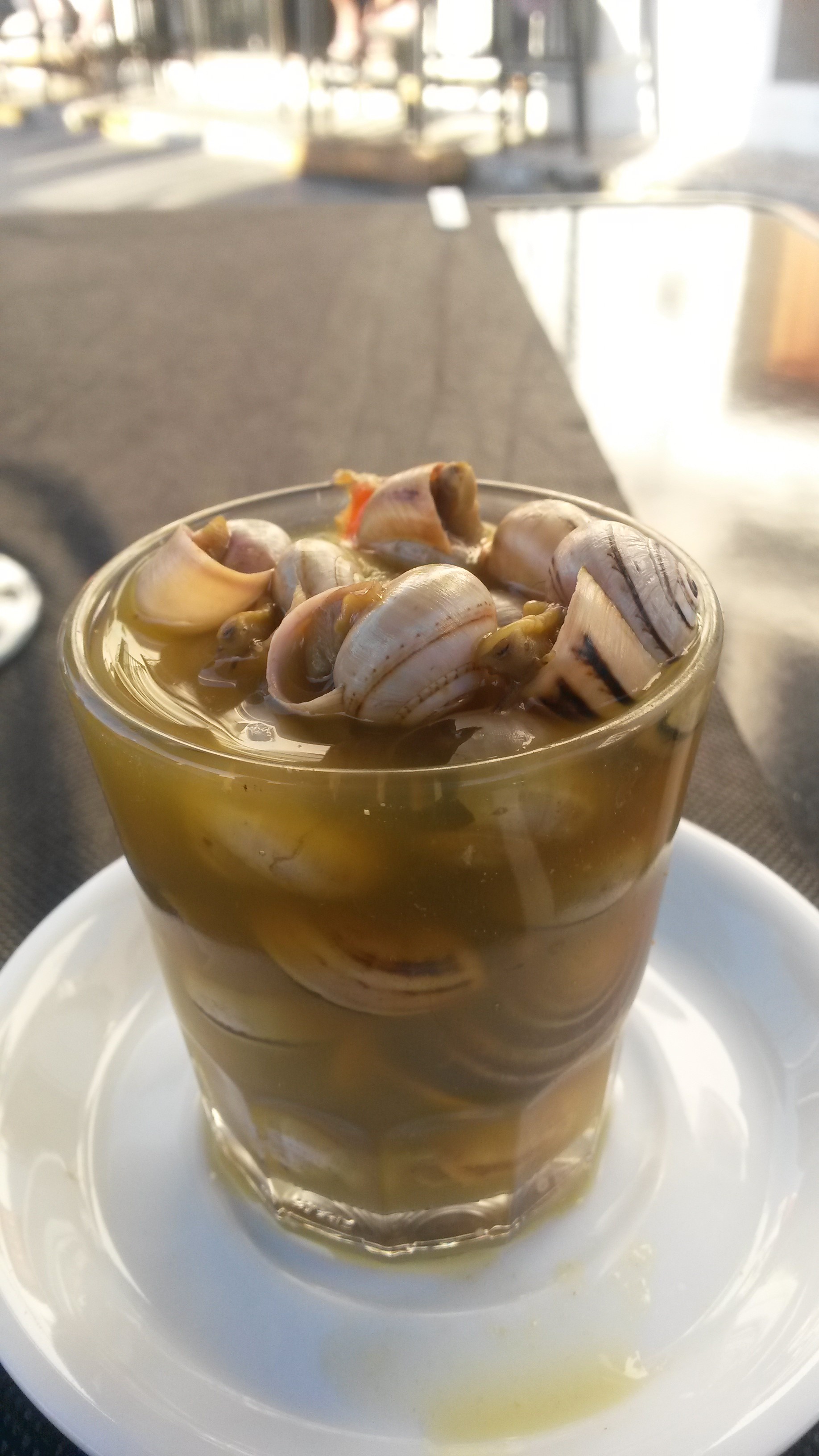
Valentina is another of my favorite tapas places where I have had interesting food forays. Andrea and his family hail from Puglia (Italy), but have lived here in Spain for many years. Andrea’s girlfriend, who is the chef, makes creative and delectable food. On one occasion, a darling two-year old girl repeatedly chanted, “Caracoles,” as she waited for the small snails to be prepared and served. She ate them like a pro. On several occasions, Andrea has brought me a tapa that he would not serve to everyone. One memorable tapa was something with a texture similar to tofu but with a meaty taste, saying he knew I would eat it. When I inquired as to what it was, he smiled and replied coagulated chicken blood. My son, Robbie, an executive chef in at Belcampo, a well-reviewed restaurant in Los Angeles specializing in their own humanely and sustainably raised animals, asked me to find out how it was made. 20140522_201050On one of the occasions I ordered something from the menu I had “Milhojas de pulpo y gula del Norte,” octopus with baby eels.


Dining in Spain is almost always a great adventure. I am an avid fish and seafood lover, and there is seldom a day that goes by when I haven’t had several of the many creatures available in the local Mediterranean waters. I am constantly trying new items from the sea including things we may have one of in California, like calamari. Here the calamari are large rings, about the size of onion rings, and often cooked by breading and frying. I find them too tough. Then there are “chopitos,” whole baby calamari with ink sacks intact, which are best when fried with a light almost-panko like crispness. Sepia is a cousin of sorts of calamari, which is larger and thicker, and is often grilled and served with a green “marinera” sauce, mariner’s sauce, not to be confused with the Italian tomato sauce, “marinara.” I have found some foods to not be worth the effort involved in trying to eat them. After a recent intense Zumba class, I went to a local tapas bar, regularly patronized by cordial smoking, drinking “abuelas” (grandmas) and their grandbabies, (and I mean no disrespect but it is very different than when I lived in San Luis Obispo county, California, where they were the first place to outlaw indoor smoking or smoking near food service.) At the café, I was told the grill had been turned off, but the fryer was working, so I ordered “patatas bravas” (spicy fried potatoes, which are not spicy if someone eats habanero sauce like I do), and fried fish. Note to self: check the type of fish before ordering. They were sardines and other equally small fish, which with my knife skills, yielded few consumable morsels. And the incredible number and quality of bivalves! Almejas (clams), berberechos (smaller clam-like content, with a scallop taste), the itsy bitsy tellinas (too much work), razor clams, mussels, oysters, gooseneck barnacles, and more.IMG_0380


The grocery markets are filled with seemingly endless displays of fish and seafood: fresh, frozen, and canned (which are viewed as another great way to access seafood as opposed to American’s frequent opinions that canned food is of suspect quality.) For a foodie like me, the grocery and fresh food markets are intoxicating with their fresh and novel ingredients. As I was photographing the vast displays of fresh fish and seafood at a regular local grocery market, Mercadona, a female fishmonger admonished me from taking more photos. So here I will include a partial sample of the store’s offerings, and the selection of frozen and canned fish and seafood is even larger. (If you read Spanish and the words don’t look familiar, that is because the official language here in the Valenciana Community is “Valenciana,” but more about that surprise to me at another time.) If you look at the trays of fresh items from the sea, it is apparent that many home cooks are adept at using fresh whole fish and other types of seafood.IMG_0378


quaileggsI thought I hit the jackpot when I recently walked into a local market and found a beautiful dozen little quail eggs, for 0,90 €, less than the American equivalent of $1.00. On today’s cooking television shows, they showed how to make livers with “sangre” (blood) over a fire in the hearth, and “coda de cordero,” typical recipes from other parts of Spain. The food options here are inspirational, and I am eager for my two boxes of kitchen cooking supplies to arrive here from my former home in California. Those are the only things I had shipped here, (along with a few family and travel) mementos, which speaks to my priorities.

You can find my many restaurant, as well as other reviews, on Trip Advisor, as well as my map of the hundreds of places I have travelled.

IMG_0397

View walking home after tapas today