Archive | Solo female travel RSS feed for this section

Quirky and Different Customs in Spain

6 Feb

I love my new life in Altea Spain. However, there are some quirky and unexpected things which I have encountered or needed to adjust to.


I recently read that when local children were enacting a bull run using toy wooden bulls that this year they would not be allowed to have the bulls’ horns lit on fire during the run. Apparently this was perfectly fine in prior years.


IMG_1053

Tree on which people climb to tie on their t-shirt at the St. John festival

During the many Spanish festivals, people sometimes engage in dangerous behavior. At the local St. John festival, participants carry a tree to the church plaza while encouraging observers to throw water on them. Once in the plaza, they pull the spindly tree to a vertical position and fueled with alcohol attempt to make the perilous climb to the top. What I found particularly interesting was the ambulances that were waiting just a few feet away. One has only to think of the running of the bulls in Pamplona for another example. Or the “baby jumping” festival near Burgos, where people in costumes jump over a mattress on which lie babies born in the prior 12 months. This ritual serves to rid the babies of evil spirits and guard against illness.


As I have mentioned in prior posts, dealing with the Spanish bureaucracy is nearly always fraught with difficulties, often because what you are told you need to do changes with successive visits. Similarly, I have had my rental cars towed two of the four times I rented them. In one case, I parked in a handicapped spot and put up my disabled placard. When I returned to retrieve the car, it was gone. When I contacted the local police, they informed me I had parked in a handicap spot reserved for a specific car, as indicated by the numbers on the handicap parking sign. I said I have travelled to and driven in many countries, and have never seen handicap spots for specific vehicles. I received a blank look, and was told I had to fork over around $150 to get the car out of impound.


I have also previously mentioned the multiplicity of problems I have had in receiving packages sent from the U.S. One box arrived gaping open, with items missing. Then the postman asked me to help carry it because it weighed a lot. Another box of household items was twice returned to my son, first because I declared there was no monetary value to items which were only sentimental, and the second because they did not see the documentation that I had submitted the nearly 100 Euros customs fee. I have been trying unsuccessfully for more than two months to get a refund for that, and there is no chance of getting a refund on for the hundreds of dollars I spent in having the box mailed here twice.


The sidewalks in my village are made of attractive, but incredibly slick tiles, especially when wet. It is so precarious that people typically walk in the road when it rains. I see many more people here with arms and legs in splints or casts, which I would bet is related to the falls people have. I have jokingly suggested that maybe the tile sidewalks were the idea of the local orthopedic physicians.


Moros Y Cristianos festival 2015 in Altea

Moros Y Cristianos festival 2015 in Altea

The Spanish definition of opening early means 9 or 10 in the morning. Such opening times are understandable in light of the lengthy afternoon siesta, and businesses and meals occurring late at night. Often when businesses close for several weeks or months, there is no sign informing the would-be patron of the closure. Nor are there websites for businesses which provide that information. Businesses including grocery stores are closed for national and local holidays, which can sometimes last several days. After the several day local Moros y Cristianos (Moors and Christians) festival, all businesses were closed for the day, not for the holiday but for a day for people to recover from the festival. After four days of festivities and drinking starting at 8 or 9 in the morning, and ending around 4 a.m., they need a recovery day.


I find Spanish people generally genial, and polite. They always greet you when you enter their business. In their vehicles, they are very good at stopping for pedestrians at crosswalks. However, when walking, they may suddenly cut right in front of you or stop and block the sidewalk while conversing. When picking up my dog’s excrement from the sidewalk, I have had people step over my head, and roll over my foot with a stroller.


Sometimes there are what seem to be arbitrary rules. When we recently went to a high end musical and dance variety show which featured a choice of two dinner menus, we were told everyone in our group had to order the same menu. Otherwise, we would be placed at separate tables based on our dinner choice.


Have you ever encountered unexpected behaviors/customs while living in or travelling to a new country?



Six Easy Steps for Bringing Pets to Spain

3 Jan
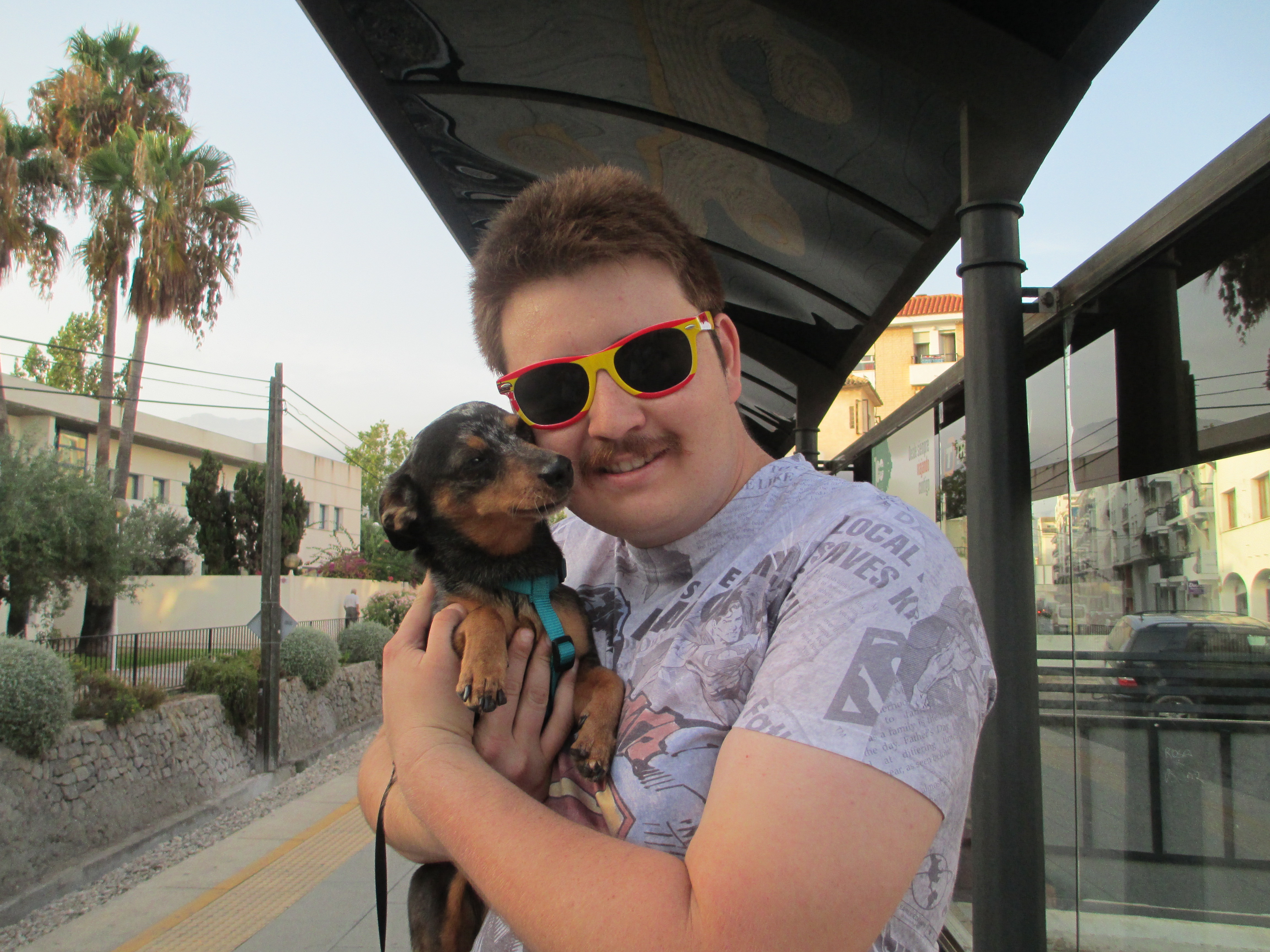
Pepper at beachside concert in Altea

Pepper at beachside concert in Altea

Bringing pets to the European Union (E.U.) from the U.S. is much easier than what it once was. No longer are there long required quarantines. However, in non-E.U. countries, the policies can be different. For the United Kingdom, there is a four month quarantine. Finland, Ireland and Malta also have their own pet import regulations. The following reflects the current requirements for up to five dogs, cats, and/or ferrets coming to an E.U. country from the U.S. As governmental regulations can change, it is advisable to check the website for the USDA APHIS (U.S. Department of Agriculture, Animal Plant Health Inspection Service.) Then click on the “Live Animals,” and enter your EU destination. For Canadians, the regulations are similar. Up to date guidelines for exporting pets from Canada to the EU can be found on the website: “Canadian Food Inspection Agency under “non-commercial export of dogs, cats, and ferrets to the EU.”


  1. As far out from your desired departure date, check with individual airlines regarding their pet transport policies. Start by checking their websites, and then speak with an actual airline representative to get the specifics. Weigh your animal to determine whether they are eligible for travel in the cabin, under the seat in an airline-approved carrier. The weight allowed includes the pet, carrier and anything else placed in the carrier. Including his carrier, my dog, Pepper, was just at or slightly above the weight limit allowed by many airlines, so I found an airline with a more generous 8 kg. /17 pounds limit. Also, some types of dogs are not permitted, in which case you can consider a pet relocation service. There are different policies for very young, unvaccinated pets. Airlines charge varying rates for transporting pets, so take that into consideration during your research. Check to see if there are periods of time they do not transport animals in the cargo hold due to expected inclement or extreme weather. Some airlines don’t take pets via cargo in hot months as they have had animals die. If your pet will be in the cargo hold, consider booking during months that are traditionally temperate. Make sure the carrier purchased meets the airline’s regulations. Carriers or crates must afford the animal to move around, and typically have an absorbent cushion or rug with adequate ventilation. A carrier with wheels will make moving your pet through the airport far smoother. Because there are so many different airline regulations, costs, weight limits, etc., when deciding on an airline, I made a written grid to record each airline’s policies for easy comparison.
  2. Book your flight as soon as possible to guarantee a spot for your pet. Make sure the pet has a reservation. During the three times, I flew back and forth between California to the E.U. I was charged for my pet when I checked in at the airport. If you will be using other ground transportation once you arrive, such as a train, bus or car rental, check their pet transport policies. The first time, I brought my dog from Madrid to Alicante via train, and the second time directly to the Alicante airport via plane.
  3. Well in advance of your travel date, get your pet used to the carrier or crate. In the beginning, put the pet in it with a toy and snack. As s/he gets comfortable, leave the pet in the carrier when you leave home. Take your pet in the carrier on walks and in the car to get used to motion. For pets who will transported in the hold, it is especially important to get them used to being in their crate and moving.
  4. Well in advance of your scheduled flight, find a veterinarian who is certified and experienced in pet relocation to your scheduled EU destination. I strongly recommend meeting with the vet for an initial session to make sure s/he is qualified and experienced in completing all of the required steps within the tight timeframes necessary. Make sure the vet has the correct form (ANNEX II) and has previously completed them. If your pet is not already had a microchip inserted, this is an ideal time to do it. Let the vet know it is for travelling to an EU country. For EU countries, it must be an ISO 15 digit microchip, either 11784 or 11785. After the chip is placed, the pet must have a rabies vaccine, even if it already has a valid rabies vaccine. The rabies vaccine can be on the same day the animal is chipped or at a later date. This rabies shot must be administered at least 21 days before your flight departs. I did not understand that my dog needed to get a new rabies shot, nor did my vet inform me at the time of the dog being chipped. Thus I had to delay my departure date which resulted in a several hundred dollar change fee. During your initial appointment with the vet, I recommend having the vet do a physical to make sure there won’t be any last minute health issues. I also got him to prescribe a slightly sedating medication for the long flight. If you get a calming medication, make sure it is not contraindicated for flights, as was the first medication my dog was prescribed by a less experienced vet. Some airlines do not permit dogs to be sedated. Since my dog was flying in the cabin, I felt it would be in his best interest to take a sedating pill since he would be in his carrier for 12 to 15 hours, and I would be able to monitor him. Twice I gave him a trial of the pill before departing to make sure there were no adverse side-effects.
  5. The vet has to fill out the ANNEX II form about 12 to 15 DAYS before departure. Then that form has to be mailed or taken by hand to your local USDA office, for certification. You have to enter the EU country within 10 days of the USDA certification, which is a very tight timeframe. This means that you should schedule the final vet exam and paperwork completion, at an early enough hour to allow you to get it to an overnight mail service. Make sure to check the USDA website for the mailing address for your region, mandatory fees which you must include, and include a return overnight mailing document with your address. Keep in mind some “overnight” mail services do not deliver on the week-ends.
  6. Prior to departure date, check for pet relief areas at the airports which you will be using. Some have indoor pet areas. For example, at the LAX airport international terminal in Los Angeles, near the business lounge, was a pet play and relief center with artificial grass. Arrive at the airport at least three hours in advance of your scheduled departure. About four hours prior to checking in, feed and provide water for your pet, and play to get them tired. At the airport, let the pet relieve himself one more time. Put the pet in the crate which in advance you have supplied with a “pet potty pad,” empty water dish, and cherished toy. Make sure the crate door is securely closed. Keep the pet paperwork handy in the pocket of the in-cabin pet carrier, or for a checked crate, somewhere else easily accessible. The pet must remain in the carrier in the airport and during the flight. If you have an airline transfer and there is no inside pet area, if you go outside, you will have to go back through security screening. Make sure to allow enough time in case of long lines.

Once you are to your new EU home destination, find a good vet by asking local ex-pats who demonstrate attentive and caring behavior toward their pet. Ask around, and eventually, you will start to hear one or more of the same names recommended. Unless you are fluent in the language of your new country, make sure the vet can speak English. Introduce your pet and yourself to your new vet, instead of waiting for an emergency. At your initial appointment, find out about local health issues, get any vaccines or preventative medicines for your new country, a dog name tag with your local phone number, and a European pet passport (which is legally required.) Then, get out and explore your new home. Most eateries in Spain are dog-friendly.

Pepper saying goodbye to my son, Spencer, who was returning to California

Pepper saying goodbye to my son, Spencer, who was returning to California

10 Best Images of Moros Y Cristianos Festival Altea: Entrada Mora

8 Nov

In my two prior posts, I blogged about one of Altea’s most celebrated holidays, Moros y Cristianos. As promised, this blog post will focus on the highlight of the festival, the Entrada Mora, the spectacular parade of the “Moors.”

IMG_1524_1

IMG_1527

IMG_1530

IMG_1543_1

IMG_1551

IMG_1554

IMG_1555_1

IMG_1569_1

IMG_1571

IMG_1584

You Must Be Kidding: Steps to Get a Spanish Visa

9 Aug

This is the third in a series of three posts on getting my initial non-lucrative residential (or retirement) visa to reside in Spain. After many challenges with both the initial application at the Spanish consulate in San Francisco, and completing the remaining requirements once in Spain, I finally received the actual visa three and a half months after arriving in Spain.

Based on my experience of the seeming indecipherable or changing requirements to get my initial Spanish visa, in the fall of 2014, I started looking into the requirements for my first visa renewal. I used the identical forms and letters for documenting the required financial ability to support oneself with their specified minimum amounts, and medical insurance. However, when I went to the local Oficina de Extraneria, office where foreigners process visas, after several hours wait, the worker curtly told me that my financial documents were not originals and not “autorizdo.” When I asked what that was or how to do that, she just kept repeating the word. I was also told that my medical insurance, which had qualified the prior year, was the incorrect type, that it was a tourist medical insurance, not that for a resident.

I was concerned about meeting the deadline for the visa reapplication, but the worker told me I had up to 60 additional days to complete the requirements. I later saw online that the deadline was up to 90 days past the expiration date of the visa.

For the financial documentation, I asked my California financial advisor, to get the letter he had written about my finances and income, notarized. As well, I asked my California banker to print an original bank statement and notarize it. I had my financial advisor mail them expedited. When the original and notarized documents arrived two days later, I took them for official translation. By then, I was within a few days of the additional 60 days to submit all paperwork. I didn’t want to take the chance of missing the deadline if the online 90 day extension was incorrect.

When I returned to the Oficina de Extraneria, I feared the requirements would be changed, as is not uncommon in dealing with Spanish government workers. In addition to the newly minted financial documents, I brought the other required documents. When I contacted my medical insurance company, they insisted their medical coverage met the Spanish visa requirement, so I brought it (with official Spanish translation). I was pleased when told that the documents met their requirements, with the possible exception of the insurance. However, they indicated they would submit the documentation and if the government did not find the insurance to be acceptable I would be notified.

Several weeks later, I received a registered letter from the Spanish government saying I needed to get qualifying medical insurance. I went online to try to find qualifying medical insurance. While I speak decent conversational Spanish, I did not feel equipped to deal with the intricacies of making sure the insurance met all of the requirements, so I called a company who had English advertisements for medical insurance. When I called, the woman who answered did not speak English. After I asked, she put on an English-speaking colleague who was helpful. He got my information and told me a representative from the specific company that met my needs would be contacting me. I was surprised when I received the call that the caller and none of her colleagues spoke any English.

After laboring through the application process in Spanish, printing out and filling forms which had to be scanned and returned, and sending a copy of my NIE card, I was told I needed to submit my bank name and account number for billing purposes. I do not yet have a Spanish bank, but I offered to pay the policy in full. That was unacceptable to their policy. Thus I had to start over and I had been given a short time by the Spanish authorities to submit qualifying medical insurance. I found a local insurance “seguros” English-speaking broker who was able to secure qualifying medical insurance with the required zero deductible/no co-pay. I could either pay monthly through a Spanish bank account or the full annual amount, so I did the latter. I returned to retrieve the actual policy a week later, which fortunately was in Spanish. I then went to the Oficina de Extraneria where I submitted the original policy, the required copy, and the whole insurance book. After a discussion between two of the workers, they decided the insurance qualified. Hurray!

I then proceeded to contact the original insurer that the Spanish government said did not qualify so I could cancel that policy to receive a refund. They asked me to send the documentation from the Spanish government saying their policy did not qualify. After several communications, I told them it didn’t matter if they thought their policy qualified if the Spanish government would not accept it. I finally got a refund.

Several weeks after submitting the insurance documentation, I got a letter saying my renewal was approved, that I needed to go online to schedule an appointment, and they provided yet another required payment to be submitted before retrieving the actual visa. The payments have to be made at a bank only on a limited number of days of the month within a very narrow range of hours. My appointment is set for the very end of September, again in somewhat distant Alicante. At that time, I believe I will be submitting my photos and being fingerprinted again, which means it will likely be another 30 to 45 days (as it was the first time) before I actually can retrieve my visa. Once I receive my visa, which will likely be in early November, it will be set to expire in a little more than four months.

And one final recent frustration in the dealing with the Spanish bureaucracy…I had my son send a box of personal items to my home in Spain. One prior shipment was a fiasco. When I received the usual demand from the Spanish post office to name the contents, provide a receipt for the contents or provide and swear their value, I honestly told them, they had no monetary value and were only gifts, souvenirs, and very old personal items. In spite of sending them this response, they kept dogging me with the same request, to which I gave them the same answer. I learned this week that the returned the box to the U.S. I have yet to find out where or if is completely lost. Surely, it cost them more time and money to do this than to forward the box to me. Ridiculous.

Anyone else had similar problems with the Spanish bureaucracy?

Patience and Tenacity: Requirements for Obtaining a Spanish Residential Visa

26 Jul

Get ready to have your patience and tenacity tested if you are planning on applying for a Spanish visa. The application process is like a moving target. This is my second post on my experience in getting a non-lucrative residential visa, sometimes known as a retirement visa, to reside in Spain. In my last post, I discussed my experiences with the sometimes idiosyncratic application process, which can differ depending on which Spanish consulate where one is required to apply.

Once I arrived in Spain in March 2014 with my approval for a Spanish visa, I immediately sought permanent housing which was necessary to complete the requirements to obtain the visa and get my NIE (national identification number.) As I have found with most tasks involving the Spanish bureaucracy, one can expect to have multiple attempts before successful completion. For example, when I went to the local “ayuntamiento,” town hall, to register the address where I was living, I was given changing requirements. First, they said the address of my rental I gave them didn’t exist, even though that is the address used by the owners to pay taxes. The owners suggested an alternate address, which was successful, and they provided me with a statement that I was renting from them. Next the ayuntamiento worker assigned me the new task of getting a copy of the trash bill which showed the owner’s name, as well as a copy of his identification. After four trips, I was successful for what I initially thought was going to be an easy task. That set the tone, or should I say pace, of the next steps.

Next, I went on the required governmental website to get an appointment to get my fingerprints and submit my paperwork. This appointment had to occur in Alicante, about an hour’s drive from where I live in Altea. Thus I either had to rent a car or take the two hour tram. I chose the former. At the appointment, I brought all of the required documentation. The worker asked why I did not come to the appointment within the required time frame, which I recollect was around 45 days. I explained that the website issued me a specific date over which I had no control, which was almost two months beyond the deadline. Thankfully, that explanation was acceptable. Of interest, the woman who was processing my application turned to her colleague saying, “California dream,” apparently a dream they both shared. She could not understand why I would want to move to Spain from California. I explained my reasons and she was apparently satisfied, but still had difficulty fathoming.

Whereas I was initially informed by local officials in Altea that I would be given my visa at that appointment in Alicante, at the end of it, I was told I needed to return in exactly 30 to 45 days in person, with my U.S. passport. On June 30, with low expectations, I returned to the Alicante National Police. I was pleased and surprised to find my visa card ready. With that, I now had my NIE number, necessary for almost everything, including such things as getting internet at home, receiving shipped packages, etc.

I noticed the expiration date on my newly issued visa was March 11, 2015, the date I initially applied after arriving in Spain. So starting in late January 2015, I began working on the application for the first renewal of my residential visa. Not surprisingly, I encountered more bureaucratic twists and turns, which will be the focus of my next post.

Travelling Solo as a Female

24 May
altea

Altea, Spain

Travelling alone as a woman is something I take for granted. And moving solo from the Central Coast of California to the small Mediterranean town of Altea Spain was not something I considered that challenging, other than the practical logistics. Therefore, I have been surprised when I have received many comments telling me how “brave” I am.

Adventurous with wanderlust, yes, but brave?


I have travelled to almost 40 countries worldwide, many times solo and also with my three sons while they were children. When reflecting on those travels, I tell myself I must have been crazy to take one or all three young boys by myself to places such as Kenya, Australia, Italy, France,Turkey, Belize, Jamaica, Mexico, etc.


IMG_0051

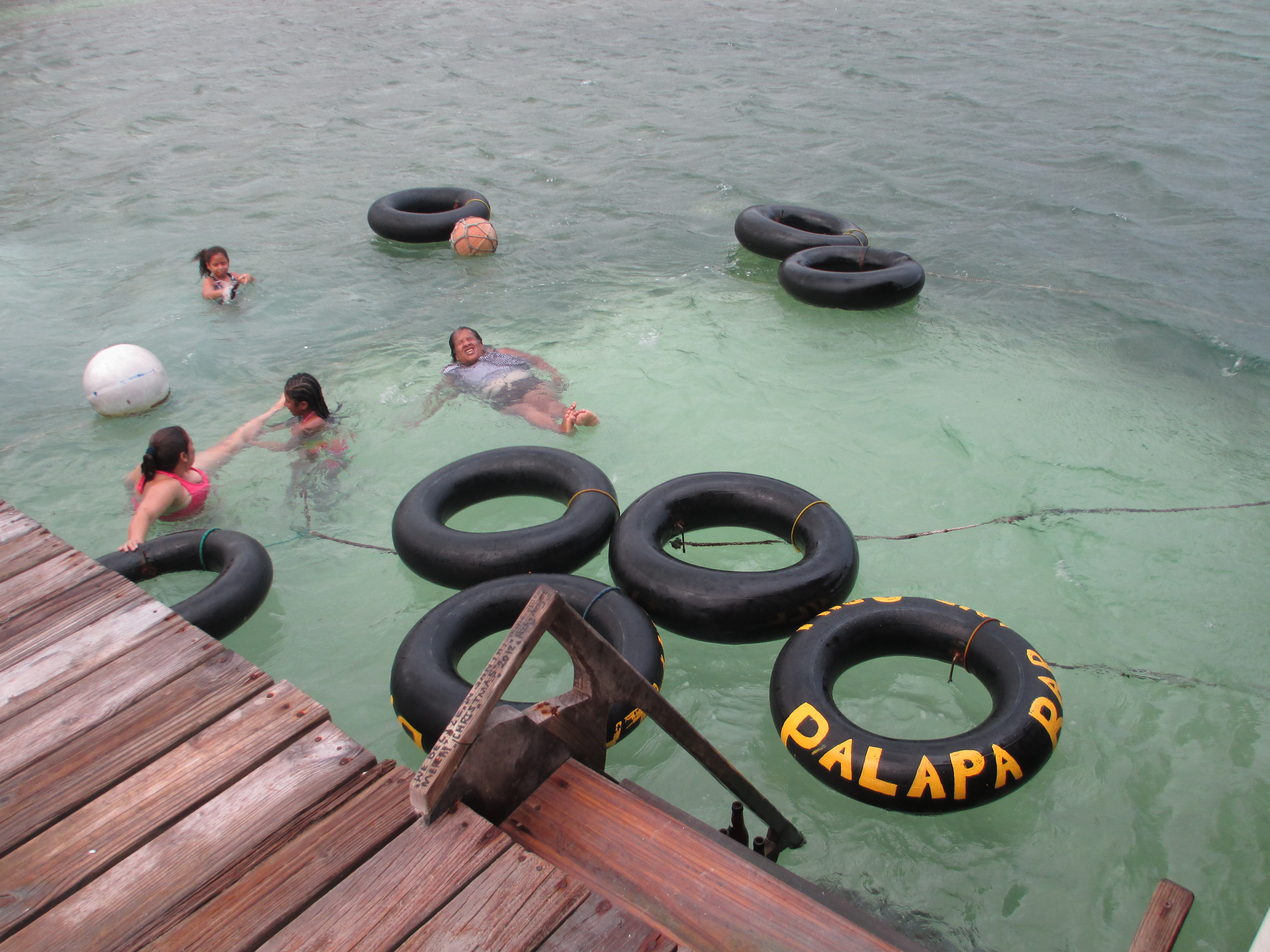
Family swimming at Palapa Bar, Ambergris Caye, Belize

IMG_0053

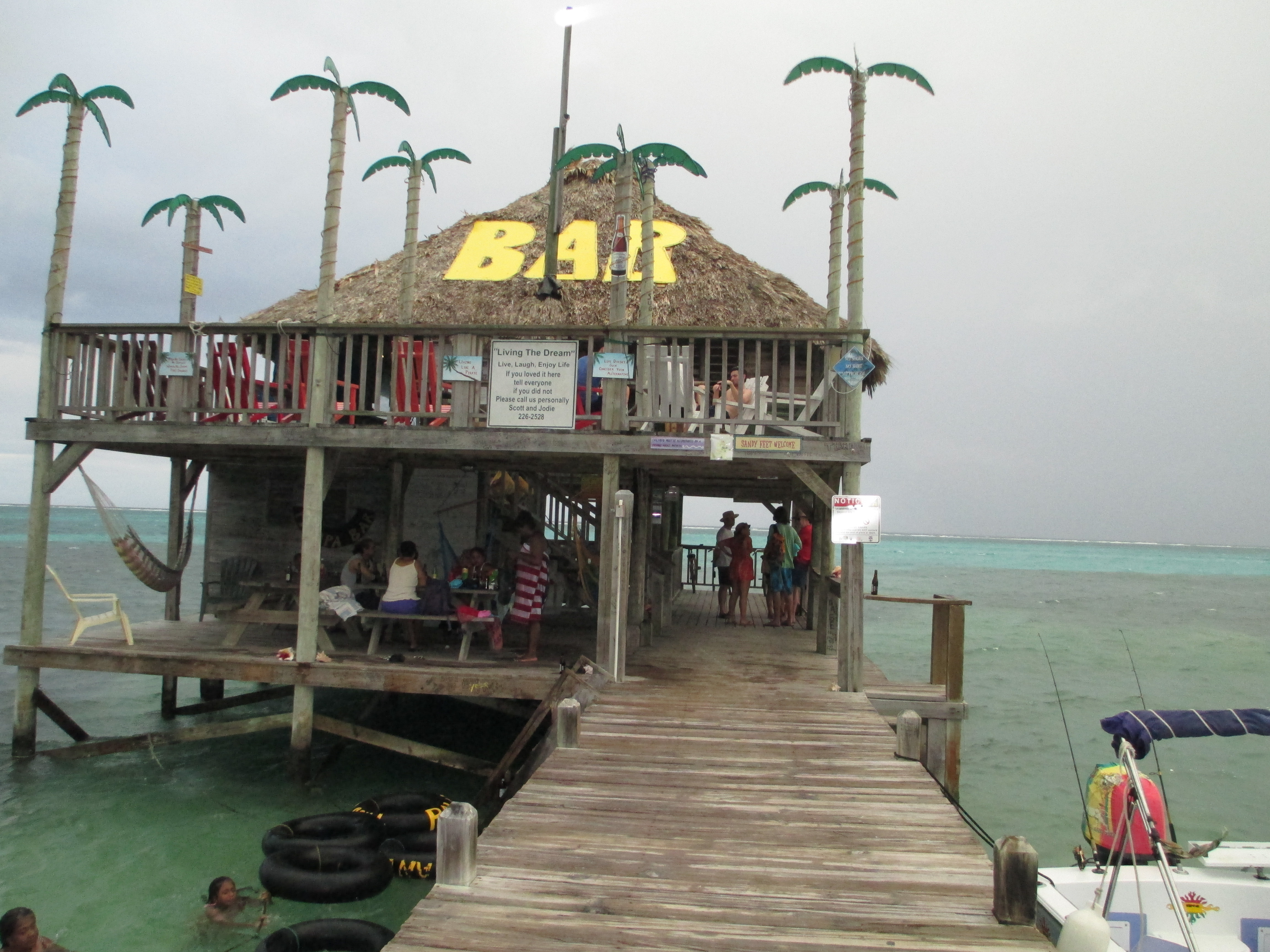
Palapa Bar: Ambergris Caye, Belize

As I prepared to move to Spain, I chose to sell my large home, luxury car, and virtually everything I own, except a few kitchen items, but most importantly, family photos and videos. I was overwhelmed with the many photos and videos, which were too numerous to transport. I decided to have them scanned but because there were so many I had to choose which ones to take. I experienced unexpected happiness while reviewing our family travels. Travelling with children can obviously distract one from paying attention to environmental cues, but I guess I was lucky.


As a retired forensic psychologist who evaluated and testified on violent and sexual offenders, I am by no means cavalier when it comes to personal safety, particularly as a single woman. Here in Altea, I am often out late at night, as are many other females. Whether female or male, it is important to first know the safety of the area where you are. Certain cities are well-known for pick pockets, assaults, etc., and certainly researching the crime and safety of your destination should be an important part of travel planning. And go with your gut. If you suddenly feel an uneasy or fearful feeling, react accordingly. Do whatever will restore your sense of being safe by doing such things as getting to a safe public place, or hailing a cab rather than walking.

OLYMPUS DIGITAL CAMERA

Palais Garnier: Paris Opera House


Some advocate finding a travel partner if one is a female travelling solo, but I would rather travel alone than risk having a toxic travel partner. That is exactly what happened to me when I took a rare cruise which started in Rome and then went to the Aeolian Islands. LuLu, who I had met on a Greek Islands cruise, was interested in going on the Italian cruise. The tour started in Rome. During a private tour (her demand) of the Coliseum, she repeatedly interrupted the tour guide, telling her to move on. Both the tour guide and I were shocked at her rude behavior. The tour guide said she had never seen anyone that rude. Not one for conflict, I disengaged myself from LuLu as much as possible the rest of the trip, which was difficult as she was my roommate.


Travelling alone enables me to more easily meet people, something I increasingly relish. Coming full circle, today I am waiting for the arrival of my 20 year-old son to my home in Spain. He will spend the summer with me. I hope we can travel to some of Spain’s many historic and beautiful sites, that is, if I can pull him away from the young ladies.