Archive | Moving to Spain RSS feed for this section

Patience and Tenacity: Requirements for Obtaining a Spanish Residential Visa

26 Jul

Get ready to have your patience and tenacity tested if you are planning on applying for a Spanish visa. The application process is like a moving target. This is my second post on my experience in getting a non-lucrative residential visa, sometimes known as a retirement visa, to reside in Spain. In my last post, I discussed my experiences with the sometimes idiosyncratic application process, which can differ depending on which Spanish consulate where one is required to apply.

Once I arrived in Spain in March 2014 with my approval for a Spanish visa, I immediately sought permanent housing which was necessary to complete the requirements to obtain the visa and get my NIE (national identification number.) As I have found with most tasks involving the Spanish bureaucracy, one can expect to have multiple attempts before successful completion. For example, when I went to the local “ayuntamiento,” town hall, to register the address where I was living, I was given changing requirements. First, they said the address of my rental I gave them didn’t exist, even though that is the address used by the owners to pay taxes. The owners suggested an alternate address, which was successful, and they provided me with a statement that I was renting from them. Next the ayuntamiento worker assigned me the new task of getting a copy of the trash bill which showed the owner’s name, as well as a copy of his identification. After four trips, I was successful for what I initially thought was going to be an easy task. That set the tone, or should I say pace, of the next steps.

Next, I went on the required governmental website to get an appointment to get my fingerprints and submit my paperwork. This appointment had to occur in Alicante, about an hour’s drive from where I live in Altea. Thus I either had to rent a car or take the two hour tram. I chose the former. At the appointment, I brought all of the required documentation. The worker asked why I did not come to the appointment within the required time frame, which I recollect was around 45 days. I explained that the website issued me a specific date over which I had no control, which was almost two months beyond the deadline. Thankfully, that explanation was acceptable. Of interest, the woman who was processing my application turned to her colleague saying, “California dream,” apparently a dream they both shared. She could not understand why I would want to move to Spain from California. I explained my reasons and she was apparently satisfied, but still had difficulty fathoming.

Whereas I was initially informed by local officials in Altea that I would be given my visa at that appointment in Alicante, at the end of it, I was told I needed to return in exactly 30 to 45 days in person, with my U.S. passport. On June 30, with low expectations, I returned to the Alicante National Police. I was pleased and surprised to find my visa card ready. With that, I now had my NIE number, necessary for almost everything, including such things as getting internet at home, receiving shipped packages, etc.

I noticed the expiration date on my newly issued visa was March 11, 2015, the date I initially applied after arriving in Spain. So starting in late January 2015, I began working on the application for the first renewal of my residential visa. Not surprisingly, I encountered more bureaucratic twists and turns, which will be the focus of my next post.

Nepalese Night

17 May
IMG_0933

Homemade delicious naan

The opportunity to eat Nepalese food for the first time came unexpectedly. After finishing cleaning my piso (apartment), Reetu, invited me to her home that evening for homemade Nepalese food. She inquired as to whether I liked Nepalese food and what time I usually ate dinner. Although I am an adventurous eater when it comes to world cuisines, I had never tried food from Nepal, simply because we did not have any restaurants with that cuisine in the Central Coast of California where I lived. Truth be told, I could have sought out such food in my travels but I had a very bad experience with curry the first time I tried it, and have been put off by the smell of many curries ever since. So with the invitation, I thought I should live by my food motto, “I’ll try anything twice,” (except raw sea urchin.)


Reetu has a lovely countenance and I was particularly warmed by this generous invitation, given the difficulties she, her husband, and their male cousin, were having obtaining employment here in Altea, Spain. Usually I eat a late lunch and no dinner, but on this occasion I waited for the appointed dinner time. Her nine year-old daughter came to escort me to their place which is only a couple minutes’ walk.


After introductions to the two men, we spoke of a number of topics, including the recent devastating earthquakes in Nepal. In Nepal, they lived a short distance outside Katmandu, but owing to the conditions of the road, it took several hours to get to the capital city. Of course, their families were impacted by the earthquakes, with Reetu’s father-in-law taking ill and losing their family home.


By then it was time to eat. The first course was momo, a stuffed pleated dumpling, accompanied by a tomato curry sauce. They were delicious and I had no issue with my curry phobia. I thought that was the meal, but there were two more courses to come. Next was chicken which had been marinated in yogurt, tomatoes, onions, garlic/ginger paste, cumin and coriander, and then cooked. It was served with homemade naan, which was very similar to homemade flour tortillas I got in California and Mexico. They use the naan, like Mexicans and those in the know do with tortillas, by tearing off a small piece and picking up a piece of chicken with it. The last course was aromatic basmati rice, something I regularly make.


IMG_0932

Nepali chicken and naan

As we dined, the family spoke with gratitude about the generous assistance of the Americans in Nepal’s disaster recovery. They also talked with pride about the character of the Nepalese who are kind, hard-working people. Both men are talented chefs, but with Spain’s high unemployment rate and seasonality of restaurant work, it has been difficult for them to find consistent employment. All four had excellent English, and when I asked, they confirmed that they are taught both Nepalese and English from an early age.


As I took my leave, I thanked them for the delicious meal and invitation into their home. Reetu’s daughter likes dogs, including my dog Pepper, so I invited her to come with her mother next time she comes to my house so she could play with the dog. I don’t really need a housekeeper, as I am single and retired, but I am glad to have Reetu.


Costa Blanca Spain: Quality European Living at Affordable Prices

10 May
Iconic View of Altea

Iconic View of Altea

The Costa Blanca area of Spain is often overlooked by North American as an ex-pat living option. While less familiar than the more well-known Costa Brava and Costa del Sol, the Costa Blanca offers a more temperate climate. It is an area of approximately 120 miles of Mediterranean coastline in the province of Alicante. In the month of August, highs average around 84 degrees Fahrenheit and in January around 52 degrees, with total rain about 14 inches annually.

Besides the great weather, the area has many other inviting features. European culture with contemporary music, opera, symphony, ballet and other forms of dance, visual arts are widely available. There are many famed Spanish festivals here, including Easter week (Semana Santa), and Moros y Cristianos. Alicante is in the Valencian province, with Valencia being the third largest city in Spain, where there is the famed unique City of Arts and Sciences complex which houses museums of several sciences and the arts, Las Fallas (featuring elaborate paper mâché statues often with characters that reflect pop culture which are ultimately set aflame in their numerous neighborhoods) and the nearby La Tomatina (infamous tomato throwing festival.) Many Spanish are avid sports fans, as participants or spectators, particularly for soccer; bike, car and boat races, basketball, ocean activities and more.

IMG_0494 (2)

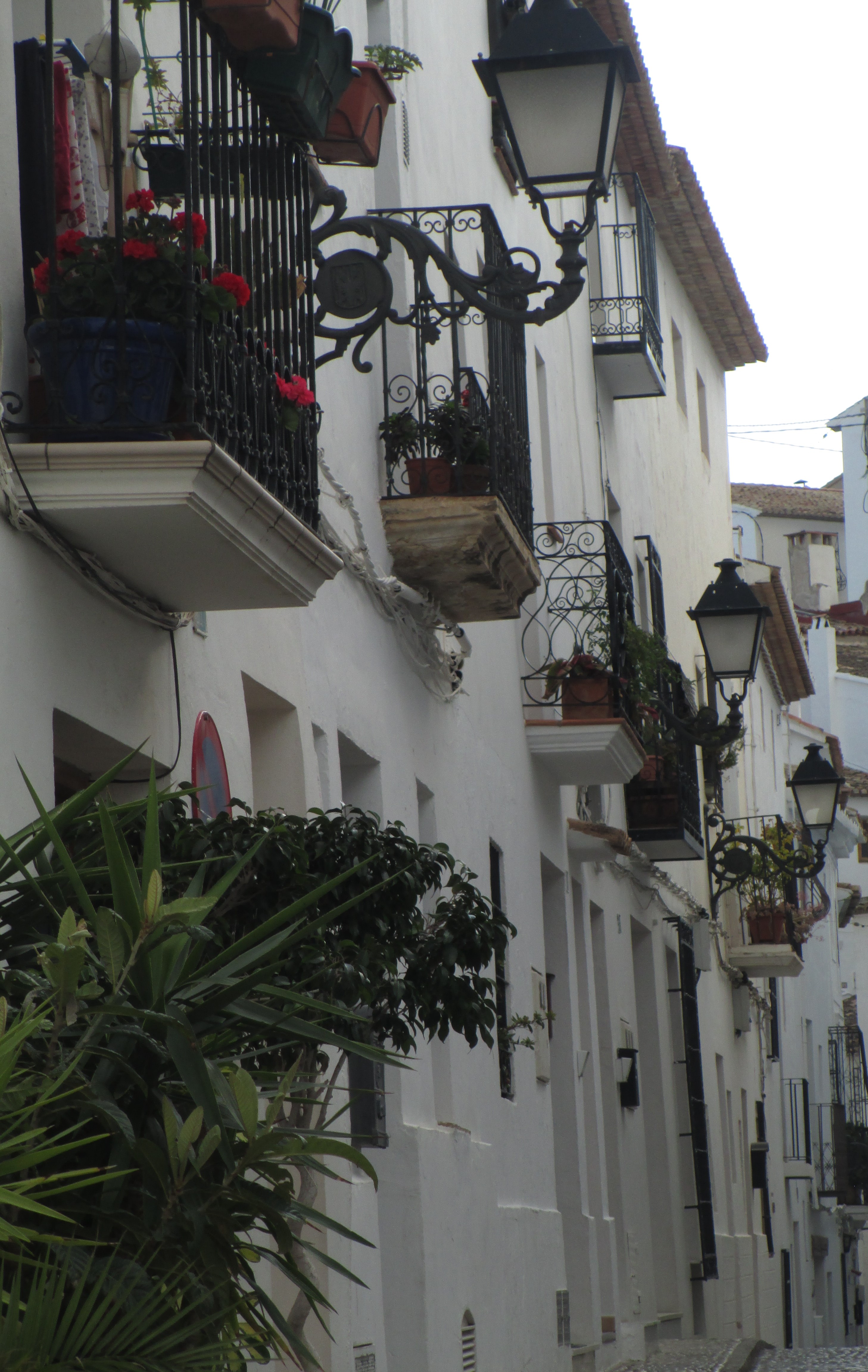
Typical street in Altea’s Casco Antiguo

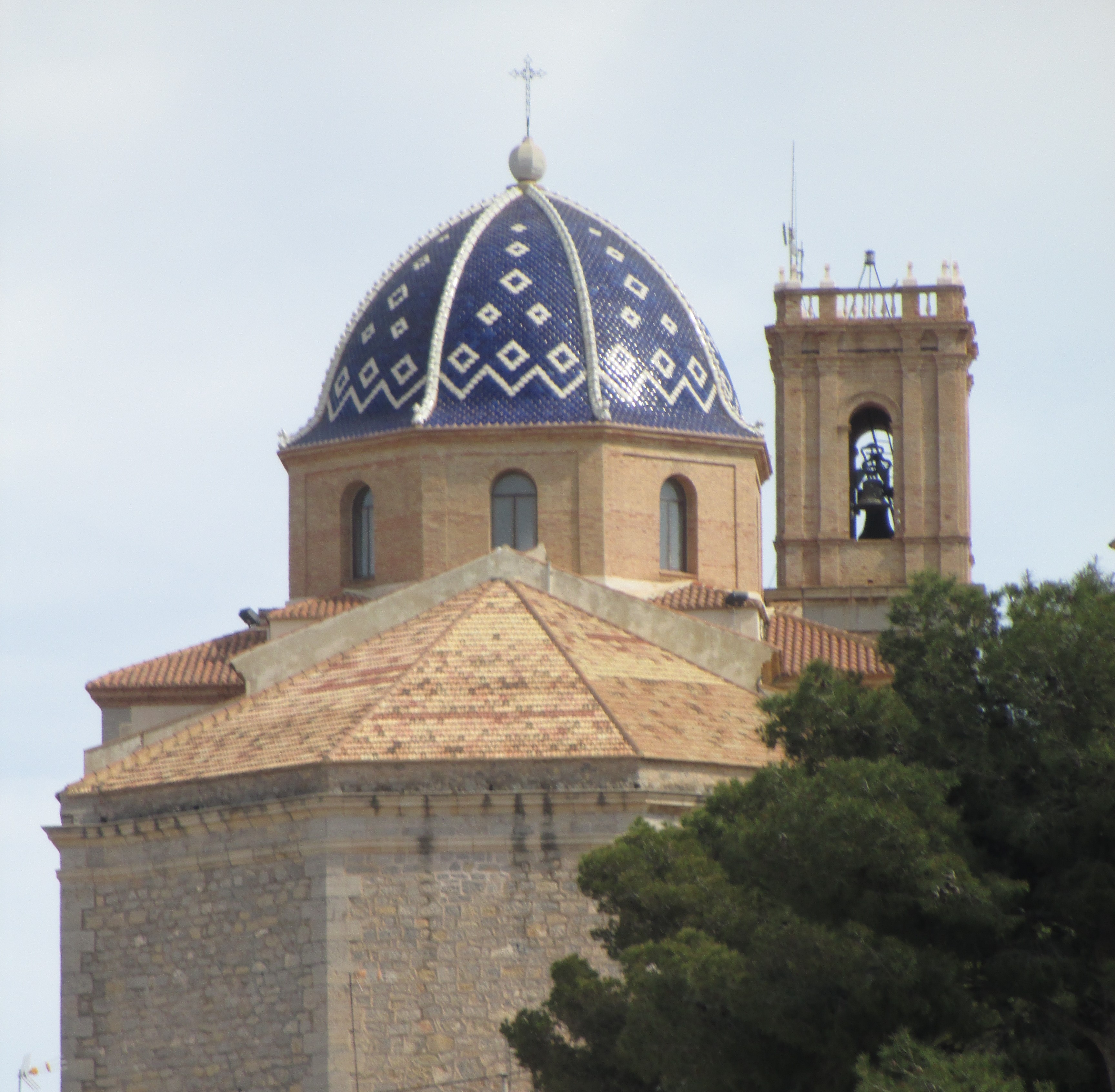
Besides the many coastal communities, there are numerous charming inland towns in the hills, valleys and plains which have castles, ancient ruins, historic buildings, caves, and parks and other nature attractions. Many local words and names such as those beginning with “al” or “ben” are Moorish in origin. The influence of the occupation by the Moors from 718 AD to 1492 is still visible in the terraced hillsides, and numerous orange trees. Each town on the Costa Blanca has its own distinctive charm. Altea is considered the “cultural capital” of the Valencian region and is also known for its iconic hilltop church with shiny blue cupola and white tiles. Villajoyosa has distinctive differently brightly-colored seaside homes, which were intended to guide fishermen back to their specific abode. The provincial capital of Alicante is a sophisticated and historic city, with a stylish promenade area featuring cafes and upscale stores, a large marina and beach area, and the Santa Barbara Castle sitting atop the Mount Benacantil. Elche is home to a grove of about 200,000 palm trees, which have been designated as a UNESCO World Heritage Site. Benidorm is a popular spot for people wanting a lot of activities, and is party central for many European vacationers. Its two beaches are consistently rated as among the best in the world.

IMG_0606

Sample of delectable (free) tapas served with beverage

The cost of living is surprisingly affordable given all that the area has to offer. For example, rents in Altea range from 325 to 350€ per month for a one-bedroom apartment or studio, and 400€ plus for a large three bedroom. In Elche one can find a 300€ three-bedroom apartment that is centrally located. The Costa Blanca offers ample apartments or homes for sale for under 100,000€, and some under 50,000€. Because of the unique characteristics of each town, it can be advantageous to stay in the widely available, affordable vacation rentals while test-driving a town or even a neighborhood. Several websites, which feature both real estate rentals and sales, can be accessed before visiting the area.

IMG_0429

Bounty of Local Crops at Farmer’s Market

Olives, olive oil, wine, local fruits and vegetable, and the bounty of the Mediterranean are diet staples, and, of course, Spain’s ubiquitous jamones (hams.) Food is generally inexpensive. Most towns have a weekly farmer’s market where there is dizzying display of colorful flowers, fruits and vegetables. At restaurants, in many towns, there is a menu del dia (typically a two or three course meal, with bread, beverage, dessert or coffee) at a nice beachside restaurant cost between 10 to 14 €, and less if one goes to places less upscale or frequented by locals. A glass of wine or small beer (“caña”) can be found for under 2€, which includes a tapa.

The area has many European ex-pats, including British, German, Norwegian and Dutch. That makes for a supply of English-speaking medical professionals. Medical treatment are good quality and prescriptions tend to be significantly less expensive than in the U.S.

Many people do not have cars, instead walking or riding a bike. There is good and inexpensive public transportation on the Costa Blanca, with clean timely buses, and a tram that runs from the northern most town of Denia to Alicante. In Alicante, one can access the national railway system including high-speed trains, and the modern and efficient airport, the sixth busiest in Spain. One person can comfortably live on 1000€ a month or two for 1500€, which includes rent, food, utilities, public transportation and entertainment.

Mailing Mishaps and More

25 Apr

After almost two months, I finally received the second box of items I had mailed to me here in Altea Spain after I had gotten a permanent apartment. As I previously detailed, in preparation of the move from California’s Central Coast to Spain, I sold my large house and all its contents, with the exception of family keepsakes, a few travel souvenirs, and my most cherished kitchen items. It is not worth shipping most things, but I am quite attached to certain pans, my kitchen knives and the wooden block that holds them. To that end, before coming to Spain, I packed two boxes; I brought two large suitcases with me on the plane. That was all.


IMG_0875 (2)

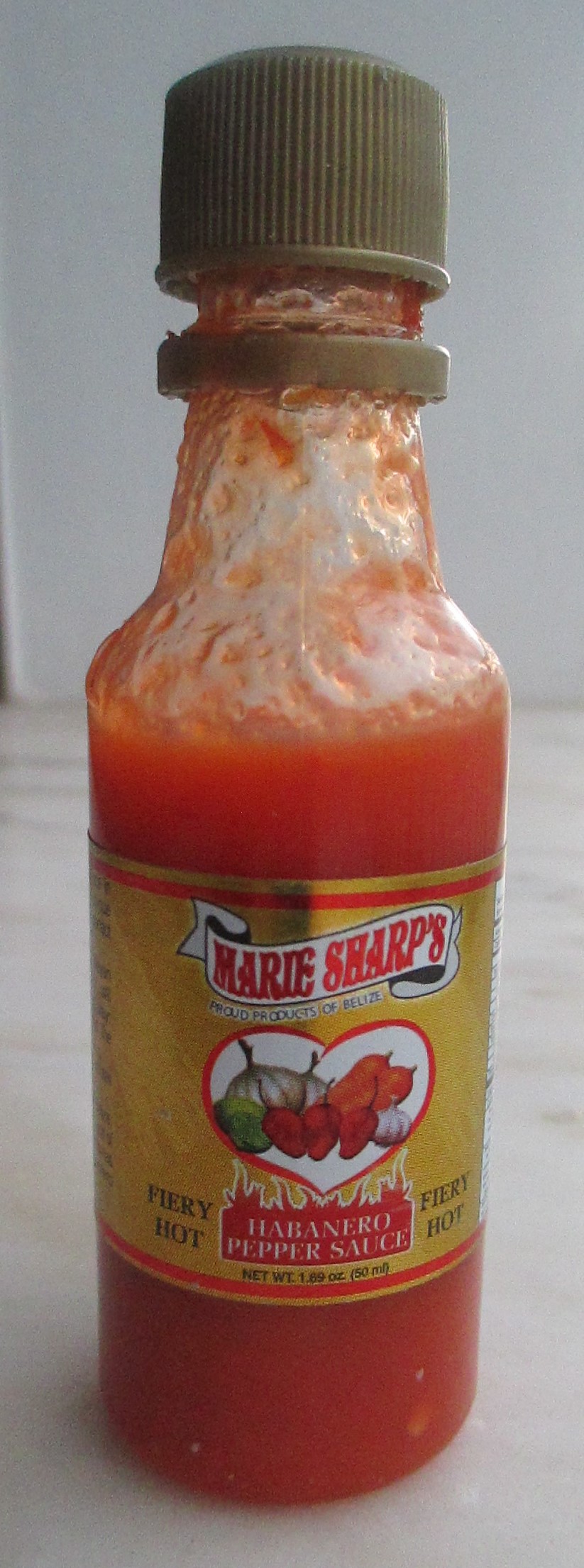
Marie Sharp’s

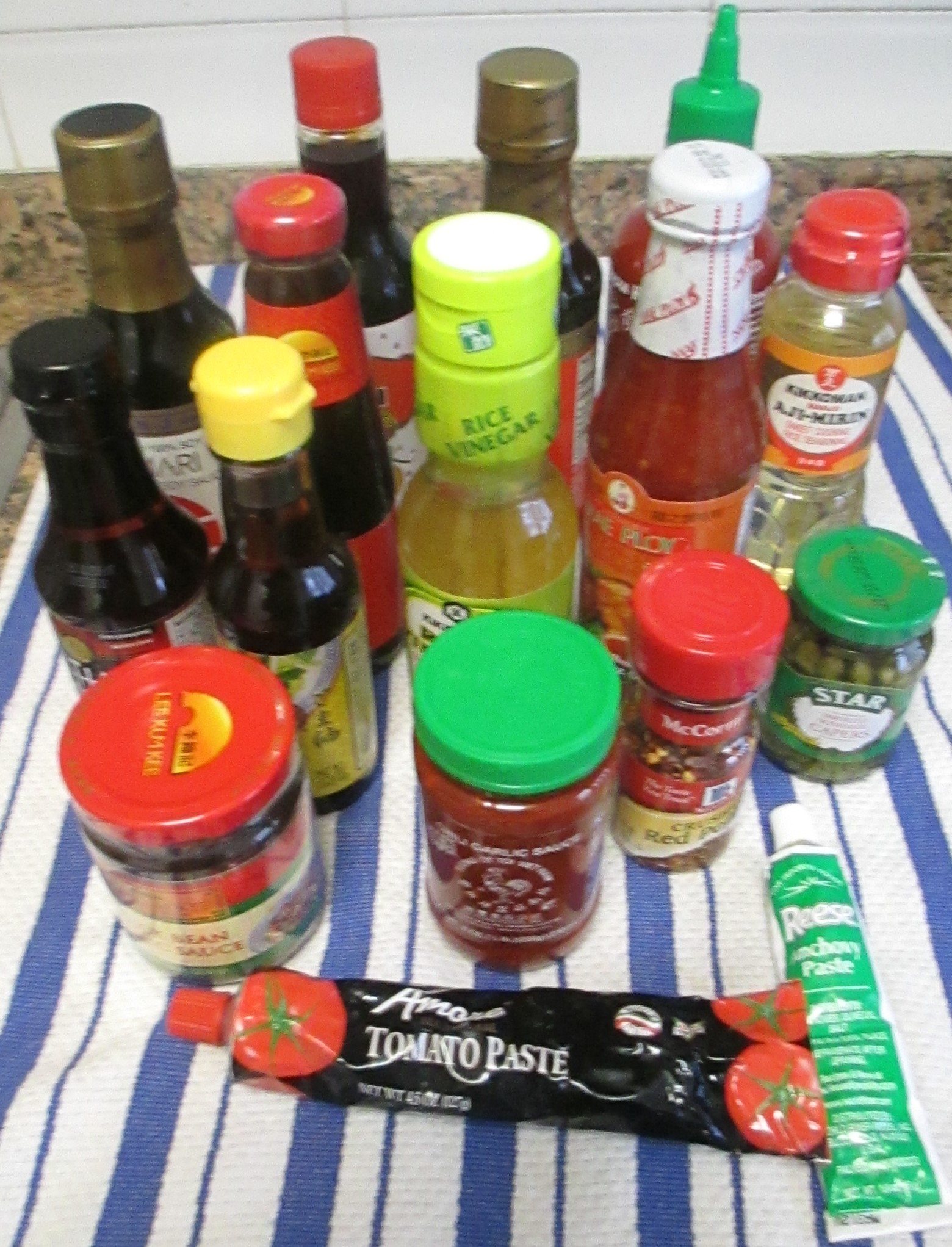
Before the second box was packed, I decided to purchase spices and condiments I could not find here in Altea. Most of these were Asian, like fish sauce, black bean garlic sauce, sriracha, sambal, and surprisingly, crushed red chili flakes. Spanish food is seldom spicy, and I crave that taste profile so much that I carry a small bottle of the world’s most delicious hot sauce, Belizean Marie Sharp’s habanero pepper sauce in my purse.


Besides the outrageous shipping rate for mailing my box, (over $300), after several weeks, I feared it was lost as I had heard nothing, and the first box had come quicker, (not quick, mind you.) When the first box arrived, it was gaping open and the postal worker asked me to help carry the box as it was heavy. What??!! A few items were broken and missing-I now only have three of the “big five” animals from my collection from my safari in Africa. Given the shape of the box, I was surprised more items weren’t broken.


With regard to the second box, I finally received a letter from the Spanish post office demanding I download forms from their website, fill them out regarding the exact contents of the box, and provide receipts for the items. In Spanish, I tried to explain that most items were personal and old, with the exceptions of the condiments I could not get here. I subsequently received a demand of about 55€ for tax and other fees to get the box released. That is about the same cost of the condiments. If I had taken off the seals, I may have avoided this fiasco, but I had been worried, they might think I was transporting contents other than what was listed on the bottles. If they were opened, they would spoil, so I left the seals intact so as not to raise any suspicions. After a few more weeks after paying the fee, I received notice my box was now being sent to customs. So I paid the fees, but could still have customs deny my delivery? Such are the frustrations of adjusting to the Spanish bureaucracy.


Taxed condiment and spices

The box finally arrived yesterday. Once again, the postal worker asked me to help carry it. No dolly in sight. The box had been resealed, but once open it was evident the contents had been randomly thrown into it. Even the knives were not put back into their wooden block, protruding every which way. And since I am accident prone, it was inevitable that I would get cut. At least it wasn’t too deep. Once the bleeding stopped, I was able to unpack the contents, wash the dishes as well as the Provençal style napkins and hot pads, and Williams Sonoma t-towels. I experienced the simple joy at having those cheerful Provençal bright blue backgrounds punctuated by vibrant yellow lemons, as well as the thick, quality t-towels.


Now inspired to cook, I decided to make a Caesar salad, as I now had anchovy paste (which I find easier than fresh anchovies) and my immersion blender. I mashed together the garlic, anchovy paste, mustard, egg yolk, and then prepared to gradually blend in the oil. When I turned on the blender, I heard an electrical cracking sound from the outlet, and the blender would not work. That wasn’t all. There was no electricity in my apartment at all. I had used other American appliances with electrical converters without any problems until now. I only hoped I could figure out how to get the electricity back working. I remembered during one of my apartment tours that when the electricity wasn’t working, the realtor went to a small metal box on the wall near the entry door to turn on the electricity. I repeated what I had seen her do, and after flipping all the switches to the same direction, electricity was restored. In every house I have ever owned in California, whether old or new, all the electricity circuit breakers are located outside at very inconvenient spots outside and in the back of the house, making for difficulty in locating or fixing when it is dark or inclement weather. I think the Americans could take a lesson from the Spanish…at least in this regard.


I had difficulty getting the salad dressing to thoroughly blend without the assistance of the hand blender, but it still was tasty, along with the perfectly cooked boiled and peeled eggs, with their perfect soft bright golden orange yolks, with nary a trace of green around them. I am still surprised when I go to a restaurant, and egg yolks are covered with an unappetizing green outer layer. It is incredibly easy to make them without that hideous green. If you don’t know how, let me know, and I will post it. Hint: the key is bringing the water to a boil, shutting heat off, then adding the eggs and covering for the time needed to cook them to your liking.


IMG_0610

Altea

The arrival on the second box allowed me to get my piso (apartment) up and running in full. I had already covered the gold velour couch and two matching chairs with fundas de sofa (couch and chair covers blue with a little background gold keeping with the Provençal and Spanish color theme) and I covered the pink shellacked side board with Provençal table cloths, blue with lemons, of course.) The same pink shellacked headboard and bedside desks “adorned” my bedroom, so I bought neutral sheets and comforter, and bedcover with a touch of pink to bring the room together. The mattress provided was not to my liking, and given how much time is spent sleeping, I splurged and bought a mattress from an upscale hotel chain, on whose beds I have always slept well. It was well worth it. My apartment here in Altea does not begin to compare with the home or furnishings California, but I am quite content here. The neighborhood, views and people can’t be beat.


IMG_0205 (2)

Pepper: local celebrity

And now Pepper and I am heading out to buy a new immersion blender in the hopes of rehabilitating my pathetic Caesar dressing, and then heading to the beach for the beautiful weather and view, a tasty two course menu del dia, and later cavorting with friends.

Challenges and Affirmations on Moving to Spain

15 Apr
IMG_0469 (2)

View from my window of husband tying his wife’s shoe

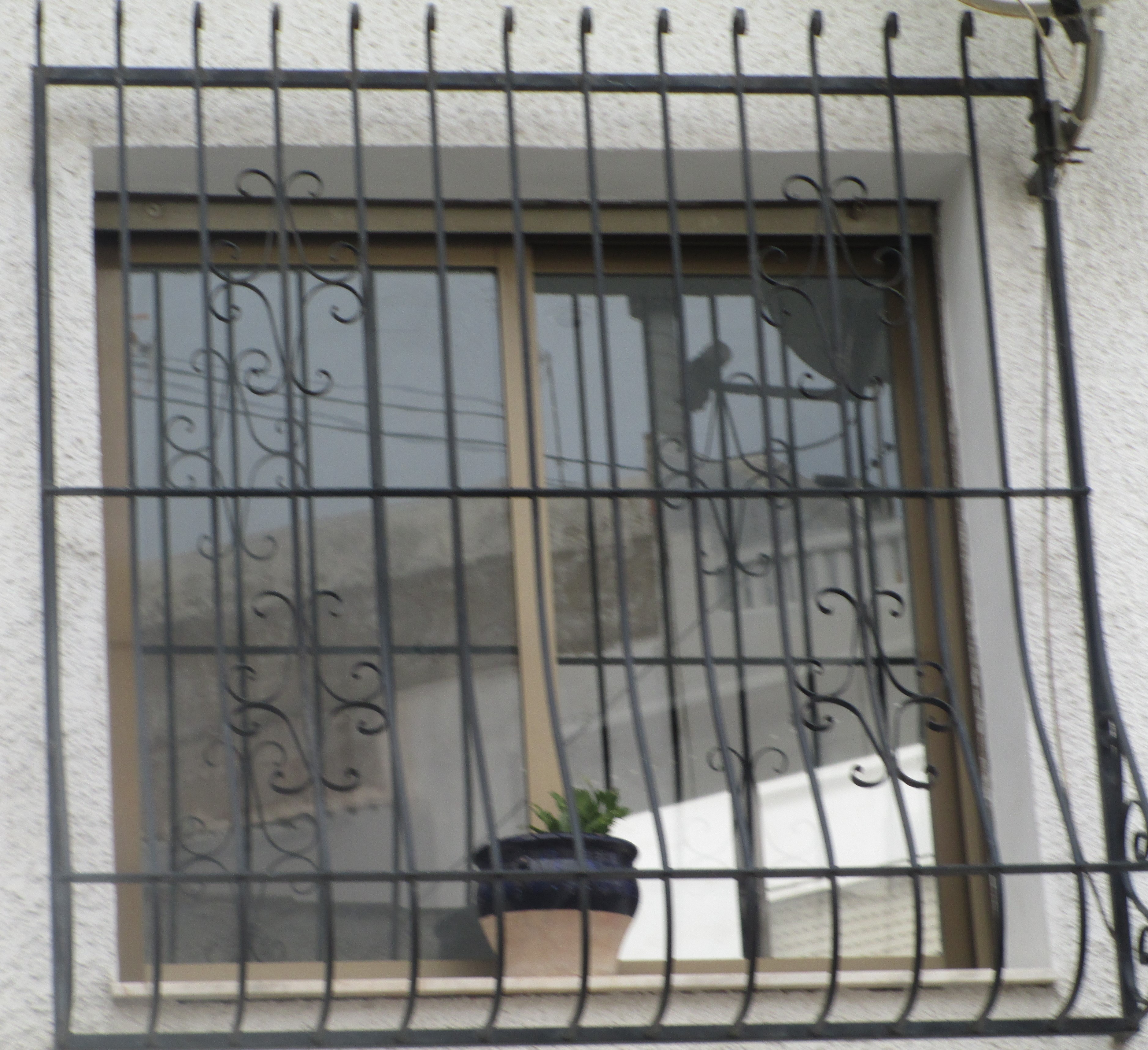
Of course it rained today. As I said in an earlier post, since I no longer have a car on which to rain after I wash it, it seems like whenever I wash my laundry and hang it out to dry, it rains. On a positive note, the rain gives me a head start on cleaning the black window grates that adorn my windows. While cleaning them, I observed a husband lovingly tying his wife’s shoe.

The rain reminds me of a puzzling observation. Here in Altea (Spain), many of the newer sidewalks are mad of lovely, shiny white tiles, but when it rains, everyone walks in the streets because they are as slick as ice. When growing up in Nebraska, while it seemed everyone else would glide for fun along the icy sidewalks, I would walk with extreme caution yet was the only one who fell. So I am not taking any chances here.

IMG_0849 (2)

My now clean black ornamental window grate

The rain seemed to reflect my most recent mood in dealing with what I thought would be the simple task of paying for my cell phone/internet/television channels. Initially, I could not get service because I did not have a Spanish bank account, even though I had credit cards and a local residential residency card. The local “Movistar” representative spent several weeks trying to get me service. Just after the service was finally confirmed, the installers arrived within a two hours and very quickly and efficiently got all three services up and running. I didn’t get a bill for almost two months, and when I did, I went to the local Movistar office to pay the bill. I couldn’t pay there; I had to either pay at the bank (huge line) or the post office, yes, the post office. I successfully paid the first meager bill of 6.24 Euros, and was surprised at how easily it went at the post office.

Just afterwards, I started getting text and phone messages on my cell that service would be suspended if I did not make a payment of 30 some Euros. I had not received a bill, so I went to the Movistar office and was advised to go to the post office or bank to pay. Long story short, without a bill, I did not have the account number to pay it, as it seems that there are different account numbers for the cell and internet/tv. So today the whole of my day will be devoted to trying to find an account number for the latter. Frustrated, I realized there was nothing more that I could do today, especially given the approaching close of the banks and post office and the close of businesses for the three hour siesta.

I decided to head for a locals café for an inexpensive menu del dia, only 8 Euros, where they place a newly opened bottle of wine on your table from which one can drink as much as one wants. En route, I heard a man addressing me. When I turned around, he handed me the 55 Euros and prior Movistar bill, which had fallen out of my pocket, where I had stuffed it after leaving the bank in frustration. This act of kindness caused my mood to suddenly improve.

IMG_0853

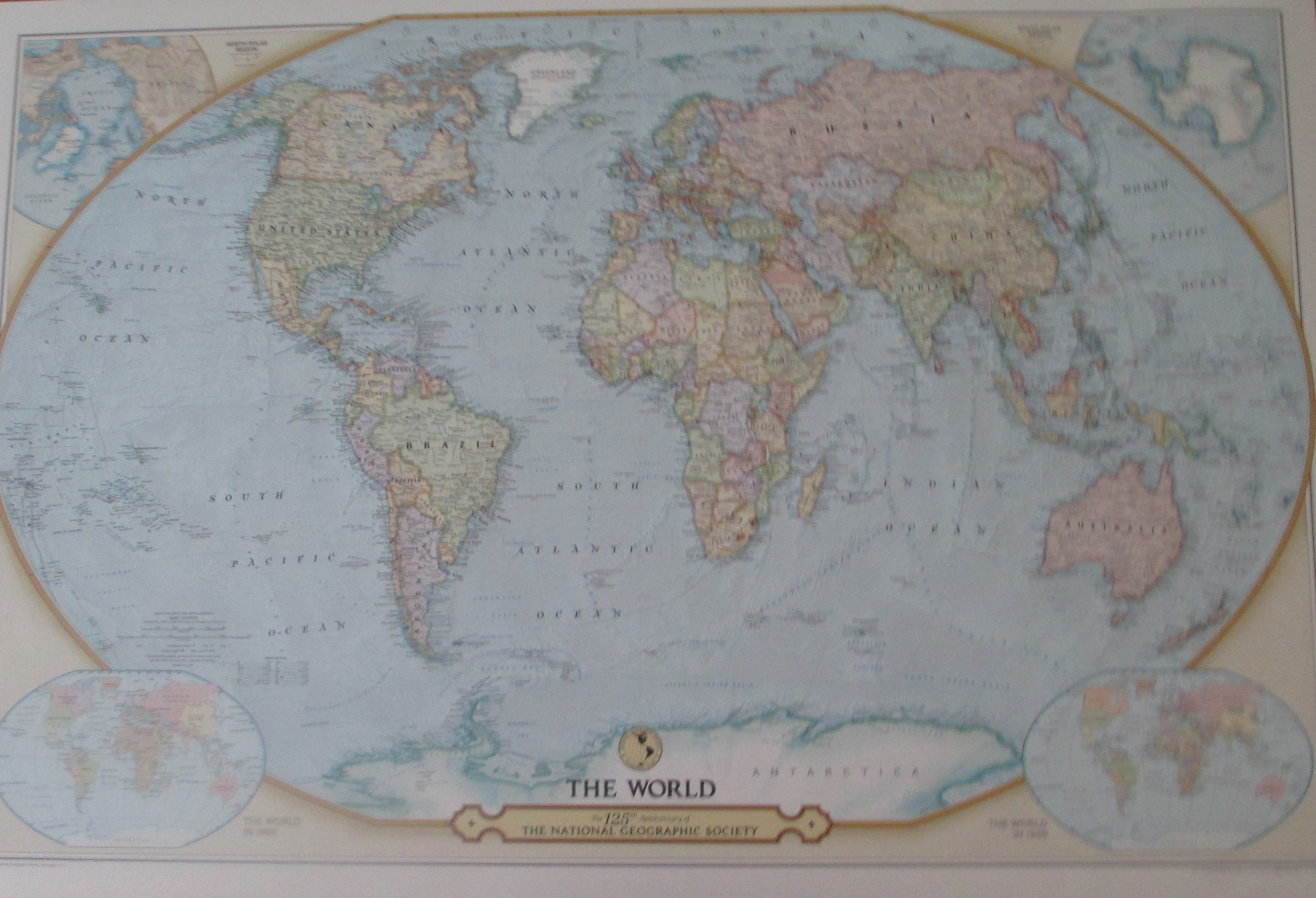
Newly arrived National Geographic World map

Then, as I type this, I had a serendipitous delivery of the 125th National Geographic world map I ordered from Amazon in Spain. I admit I am a nerdy “cartophile.” All three of my adult sons are similarly disposed. Before ordering, I checked to make sure it was current by looking for the youngest country, South Sudan, on the map. This delivery and the anticipation of spending time with my new map has temporarily eased my bill paying distress. Living in Spain, it seems best to order from a Spanish company as I learned when I asked my son to add some condiments and spices to one of the two boxes I had shipped here from California. These were items that I have been unable to find where I live in Altea, like red chili flakes, Vietnamese fish sauce, tamari, etc. I thought it best to leave them sealed so as not to cause any suspicion about their contents, but that assumption ran afoul when I received a demand to provide a detailed list of the contents with a receipt for the value so they could tax me on the imported items. I did not have a receipt, so estimated the cost to be 2 to 3 Euros for about 15 to 20 items. I do not understand why, but I had to pay a total fee of over 50 Euros to get them to deliver my package, but almost two months since it was mailed, I have yet to see it.

U.S. taxes are due today. I have been unsuccessful at having my son forward my 1099s needed for filing my taxes, but found out that if living overseas, one is granted an automatic 60 day extension. I only hope I read that right.

IMG_0673 (2)

The sun comes out to shine on the iconic Altea church

However, these challenges and pleasures are all part and parcel of transitioning to a new country. They are lessons is patience, humility, and thankfulness. And the rain just stopped.